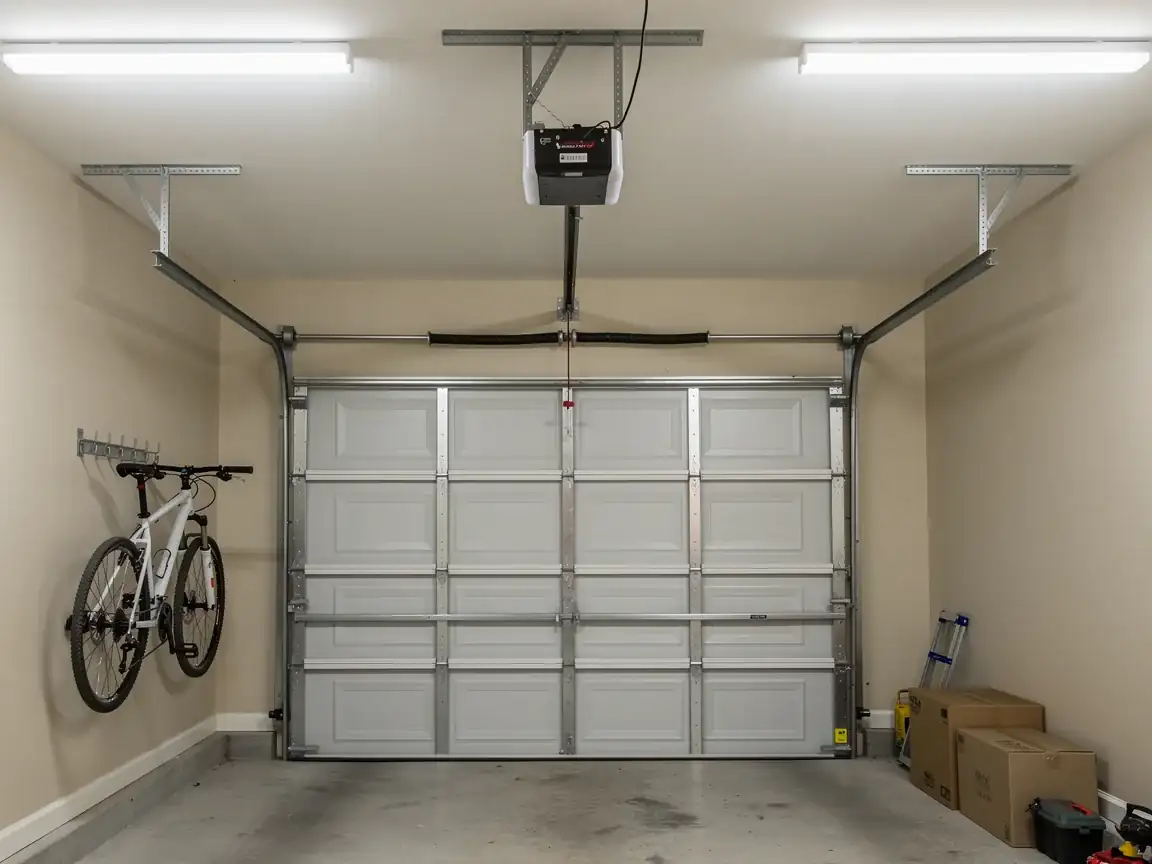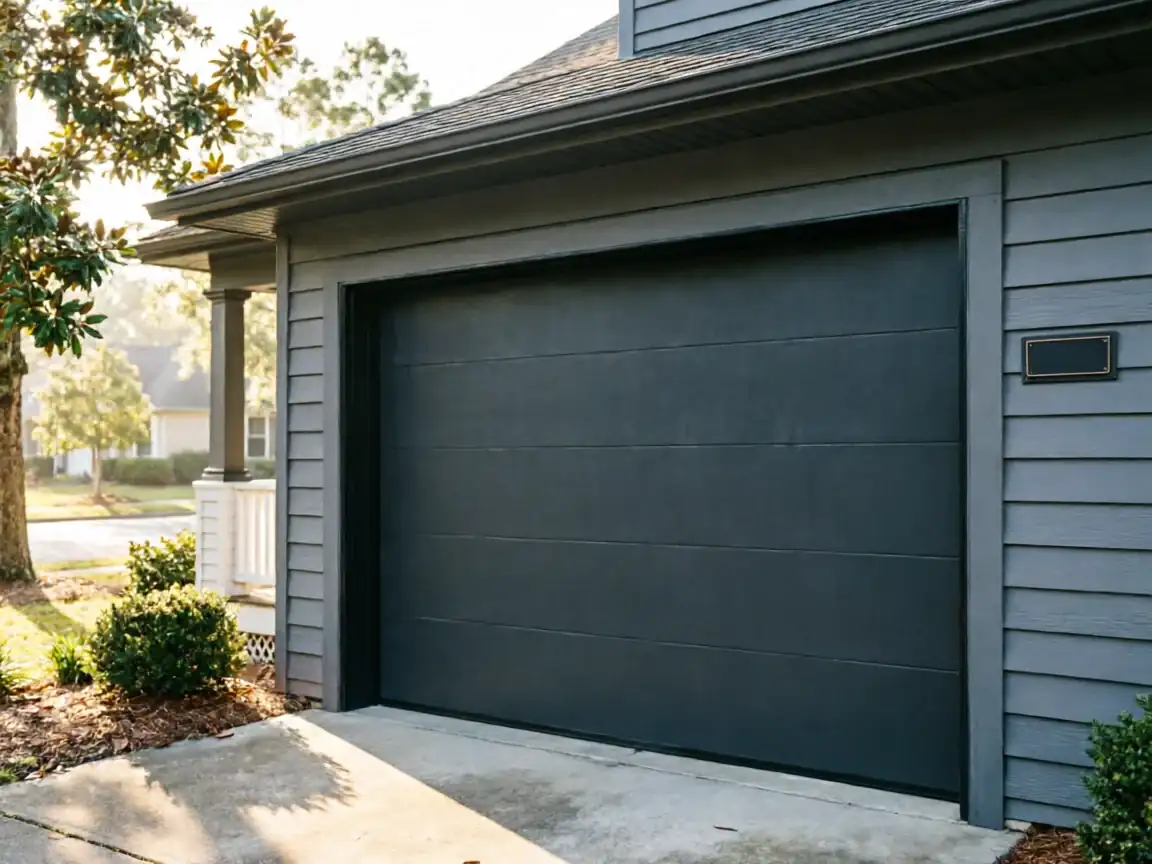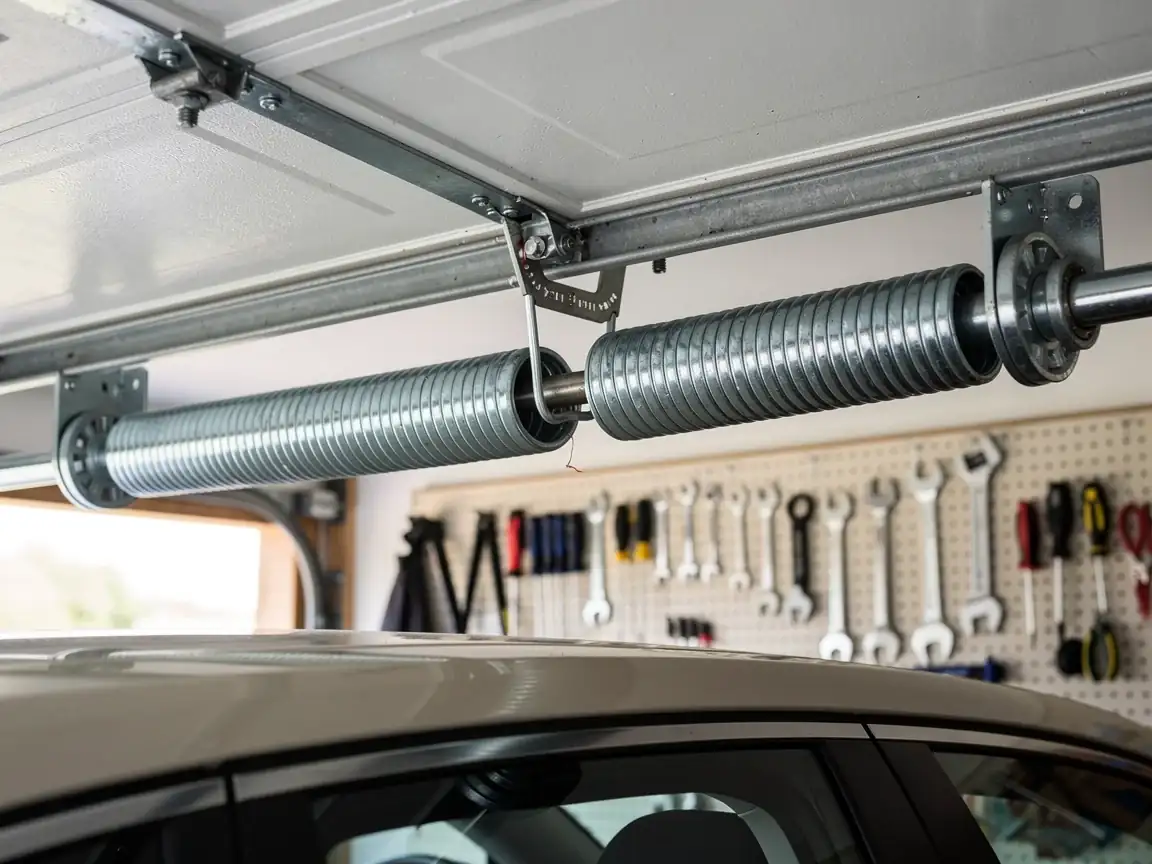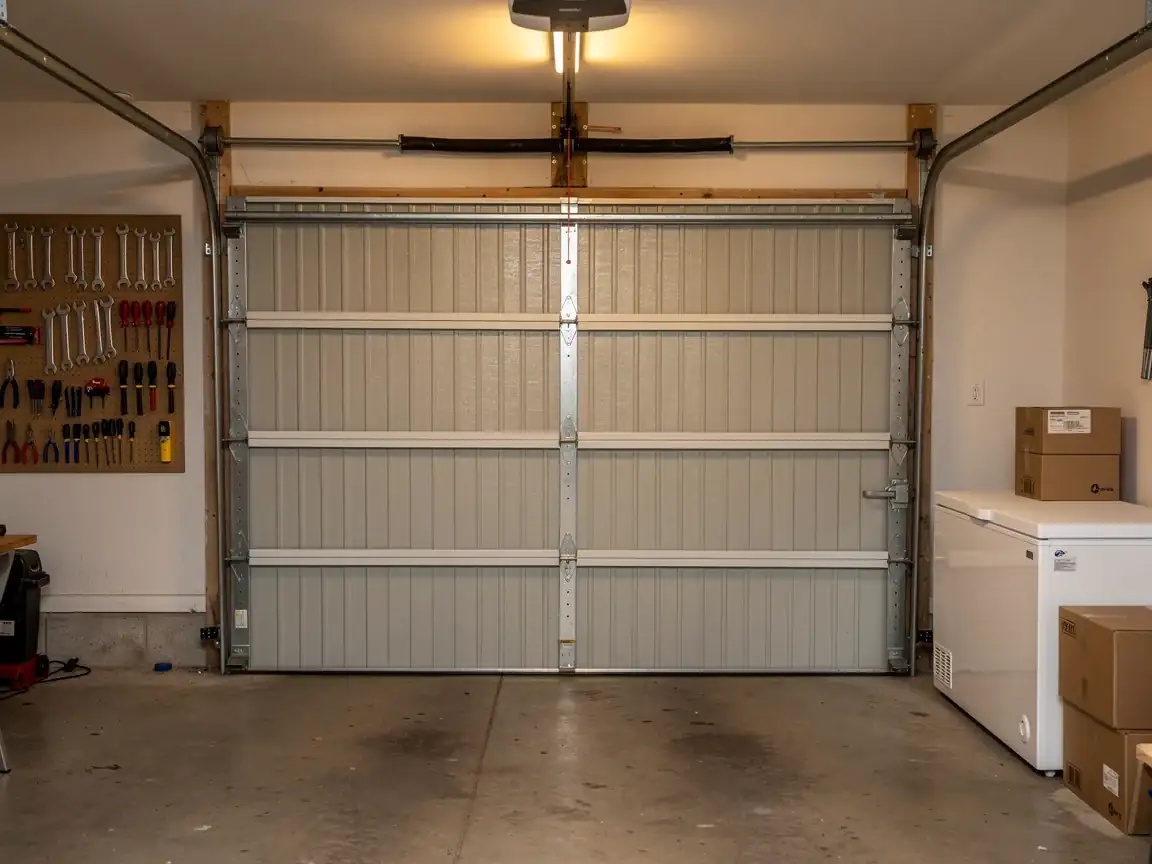
Getting It Booked In
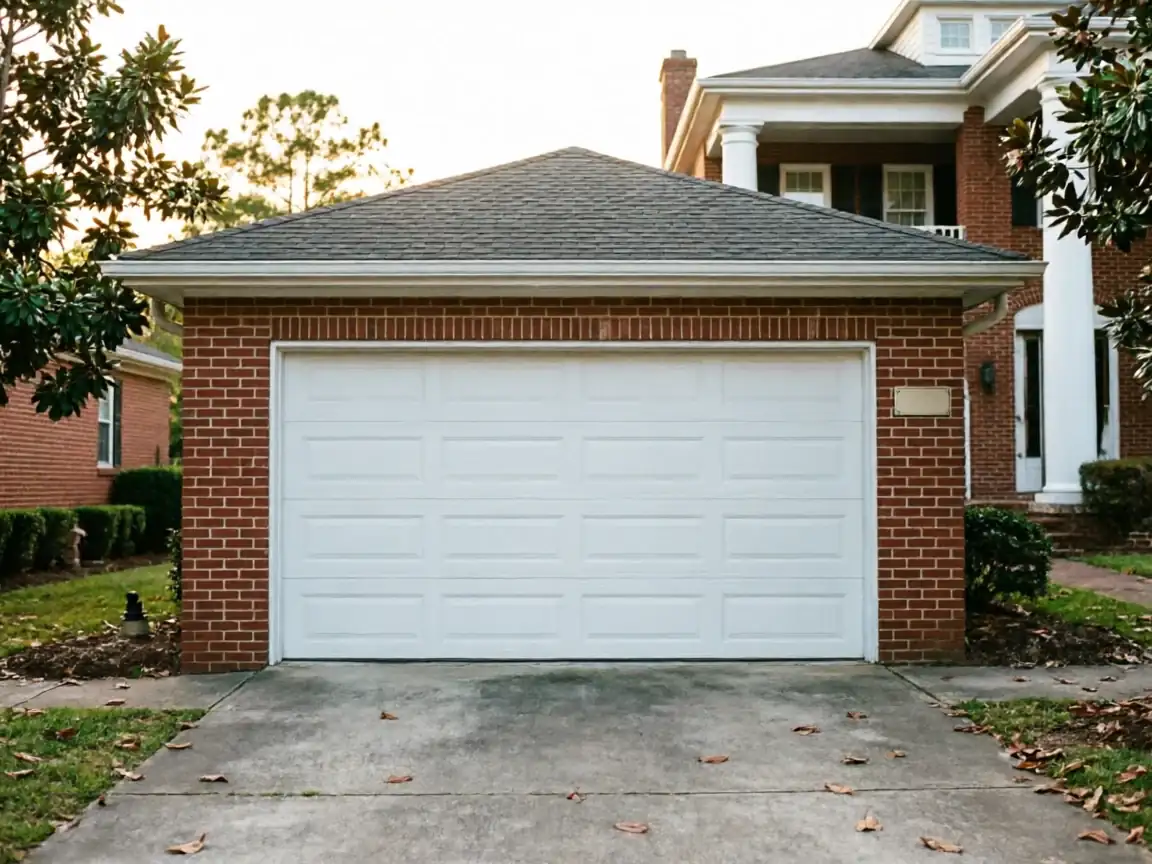
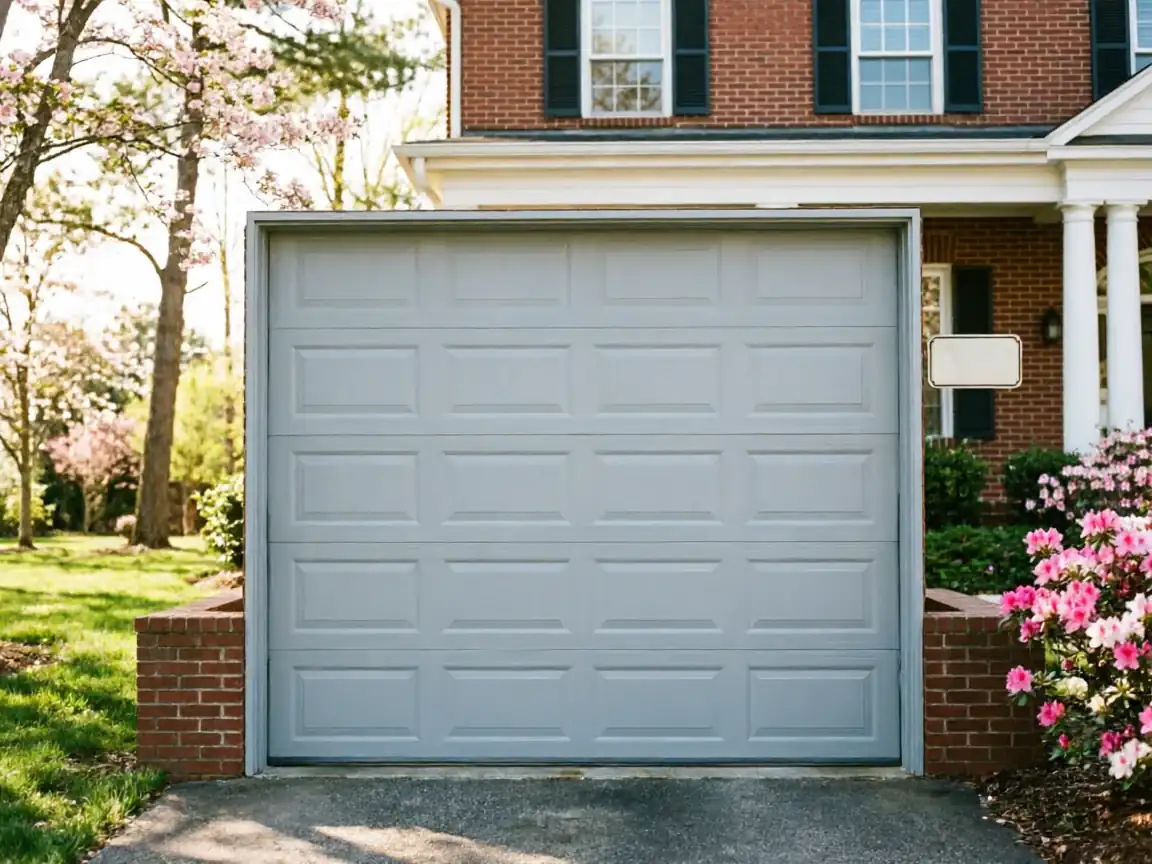
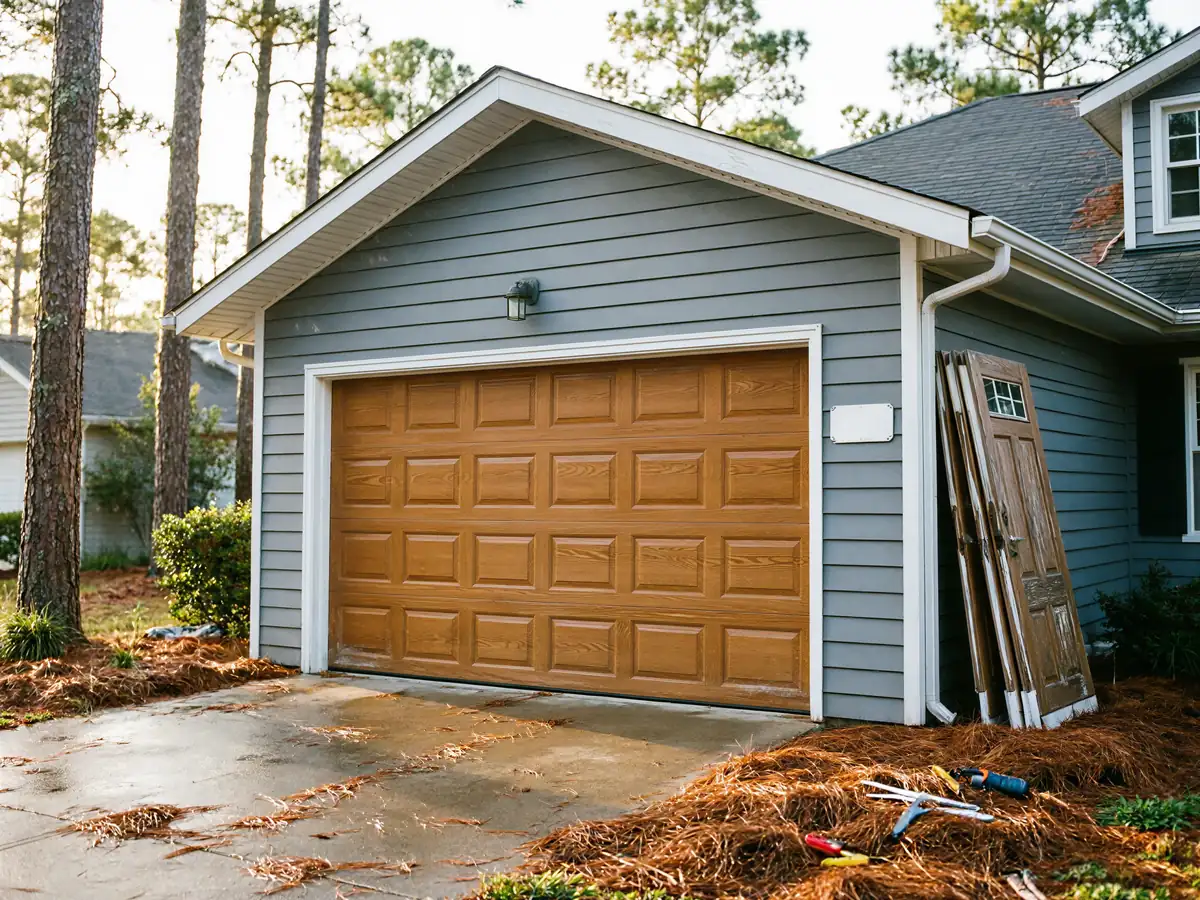
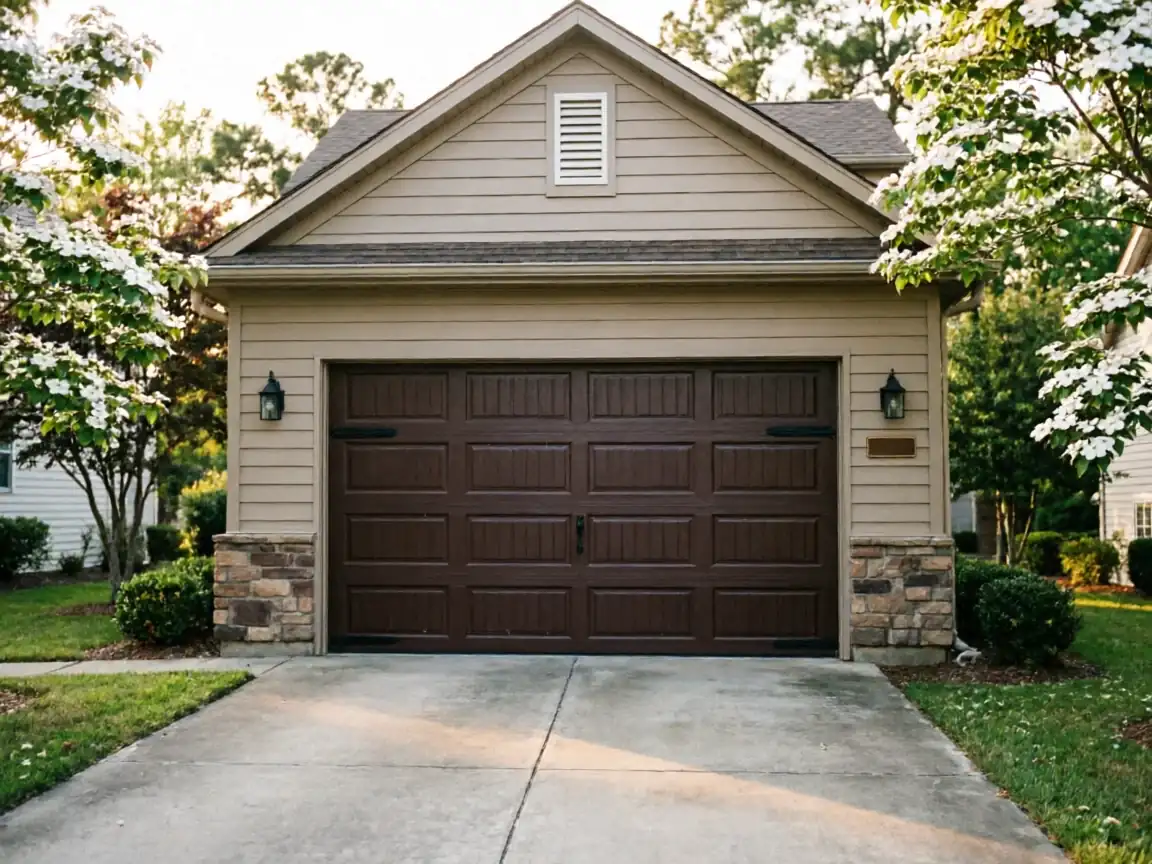
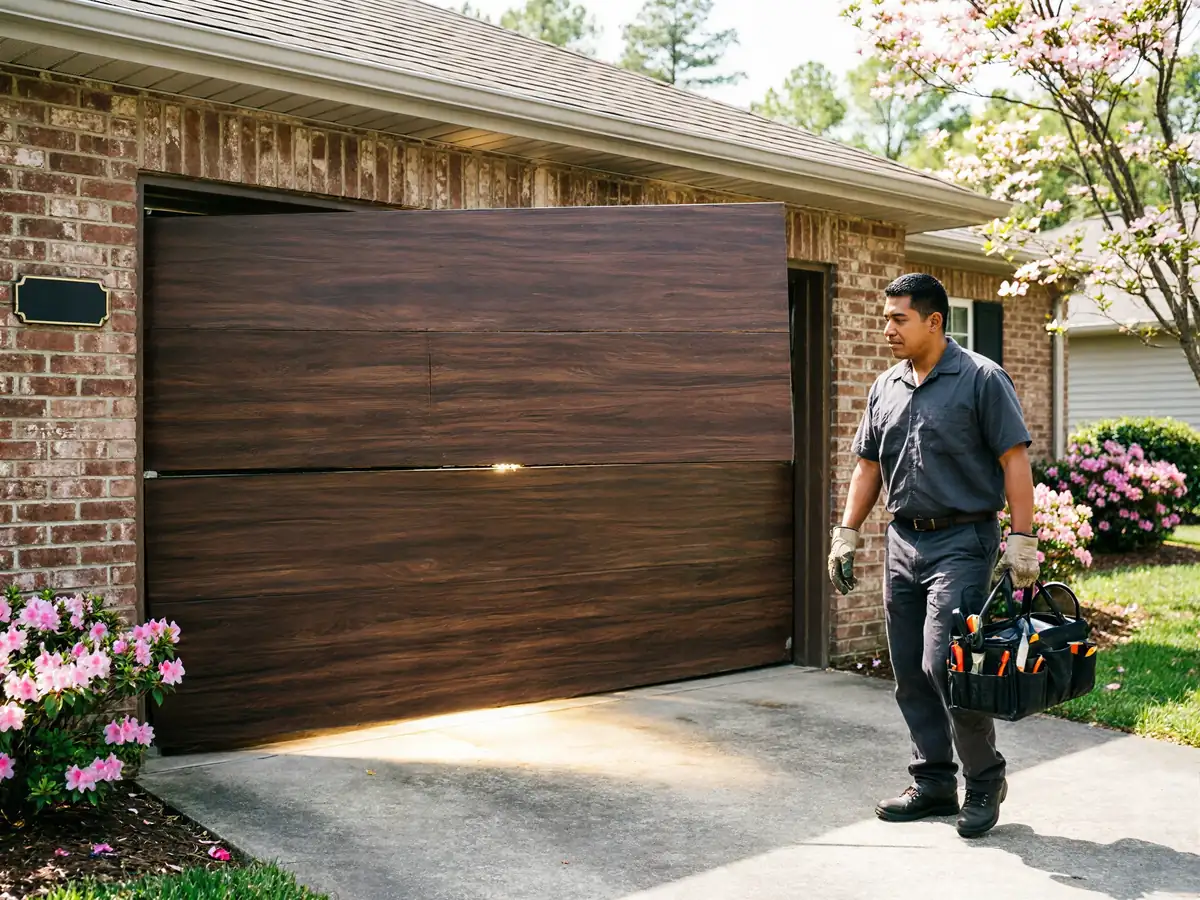
The call we get most from Northport isn't a door that won't open - it's a panel that's been hit, caved in, or split along a seam, usually on a double-wide door facing a driveway. Northport's housing stock centers on 1992, squarely inside the broader 1964-2004 build window for this area, and that's the window where steel panel doors with embossed wood-grain finish were the default builder-grade choice. Those panels corrode at the bottom section first if water sits against them, and the embossing pattern on a 30-year-old door often doesn't match anything sold today, section for section.
We travel to Northport from our Tuscaloosa base - it's a short run, about 4 miles, so getting a tech out to look at the damage and quote the panel swap doesn't take a special trip. What it does take is a measurement visit before we order, because panel sections are sold by door brand, width, and sometimes by the specific embossing run, and guessing from a photo gets the order wrong more often than it gets it right.
We don't keep every obsolete panel profile on the truck. If your door is an odd width or a line that's been discontinued, we'll tell you that up front rather than stall a repair on a part we can't actually get.
Can You Do This Yourself
A single bottom panel on a sectional door is one of the few garage door repairs a handy homeowner can reasonably take on
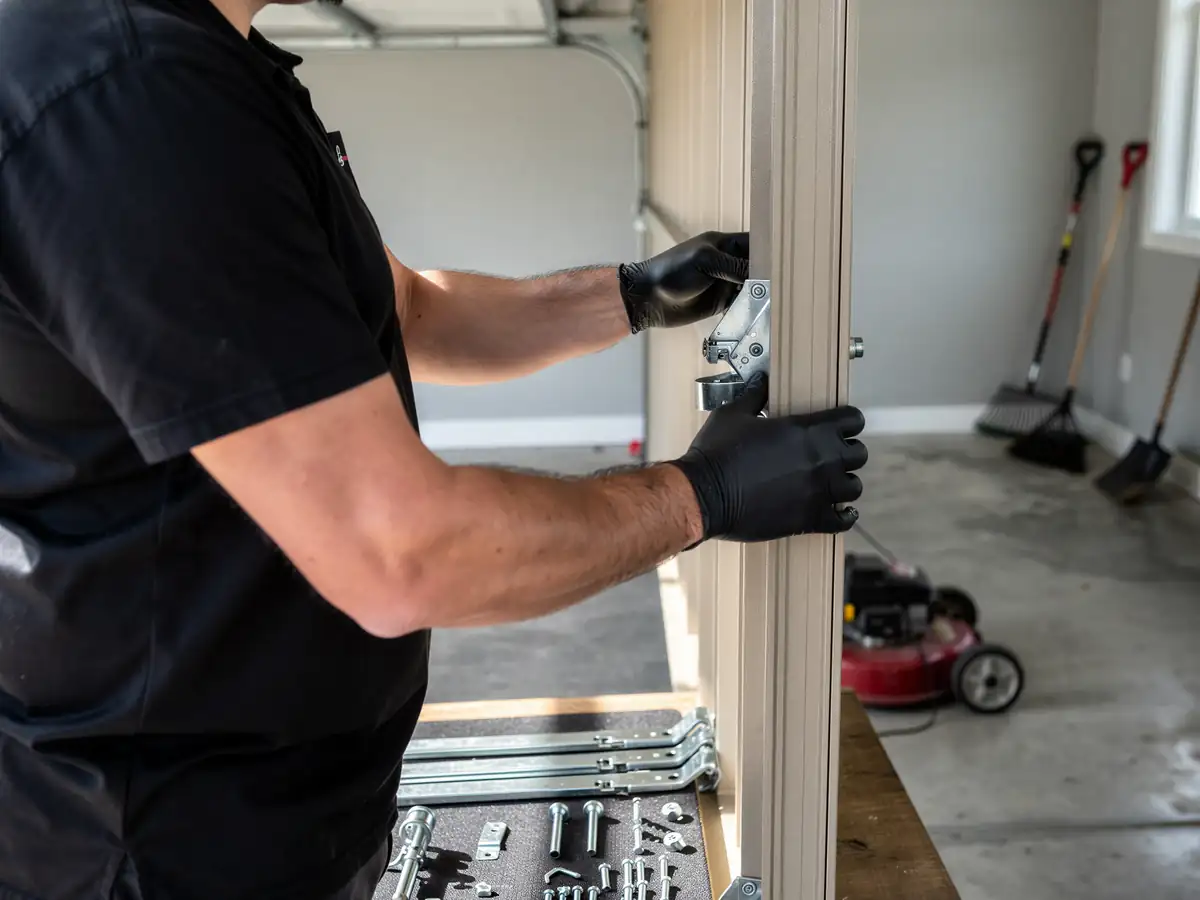
Provided the door is unplugged from power and the spring tension is left alone - panels don't touch the torsion system, so there's no coiled-spring risk in the swap itself. The work is unbolting the hinges, sliding the old section out, and bolting the new one in, then re-checking that the track rollers still ride straight.
Where it goes wrong is matching the part
Northport doors from the early-90s stock often carry a panel profile the manufacturer stopped making years ago, and ordering the wrong width or the wrong embossing leaves you with a section that doesn't sit flush against its neighbors - which then binds the rollers and strains the opener on every cycle. If you can get the exact model and panel number off the door's end stile, a DIY swap is realistic. If you can't find that tag, or the door's been repainted over it, you're better off having someone identify it in person before you spend money on a guess.
What the Fix Involves
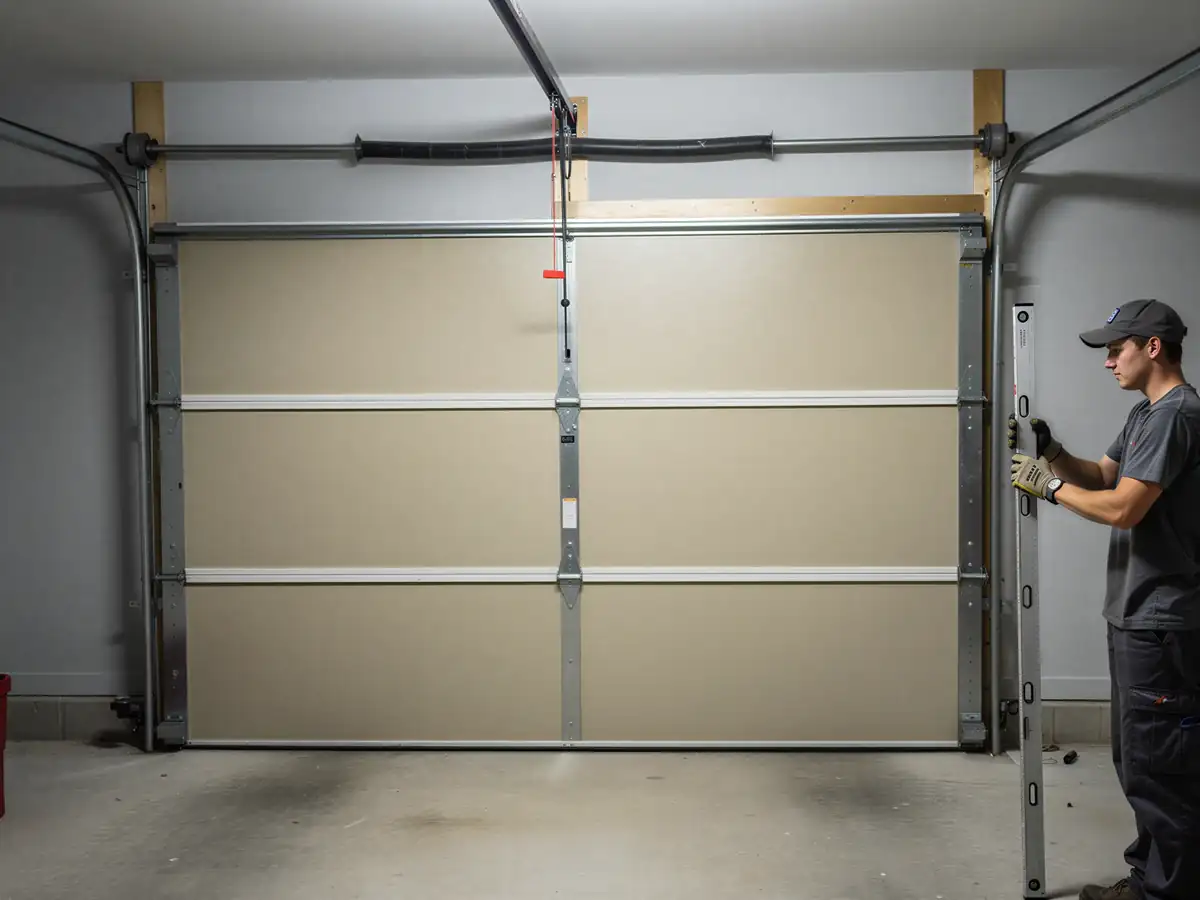
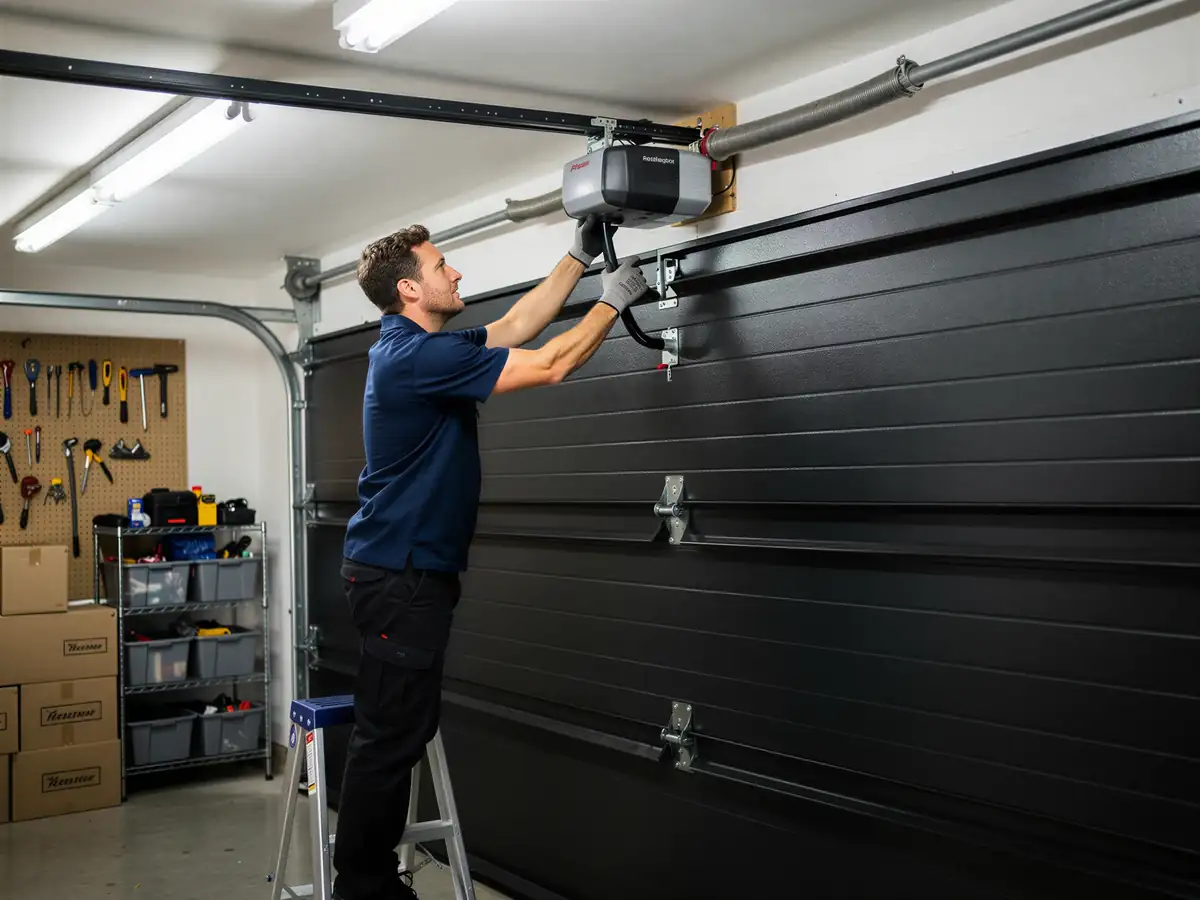
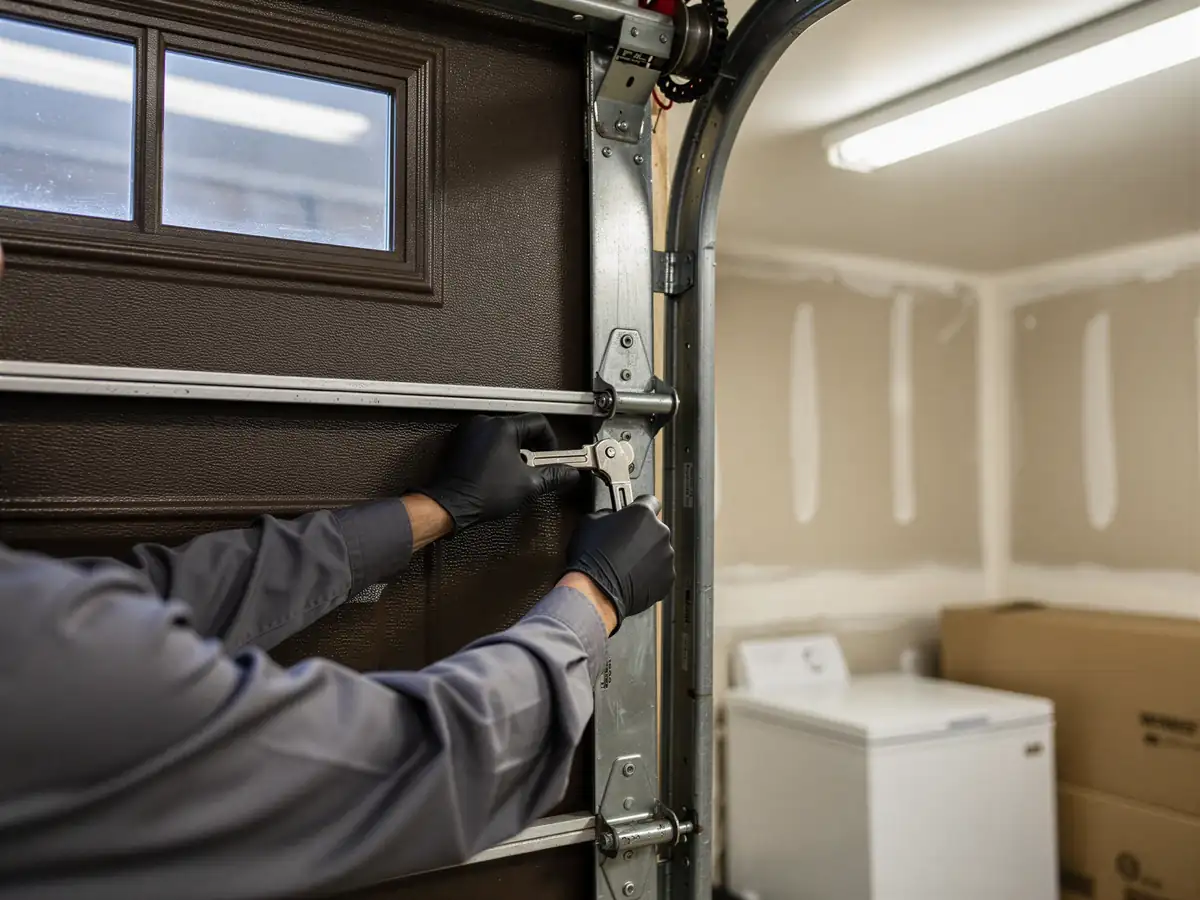
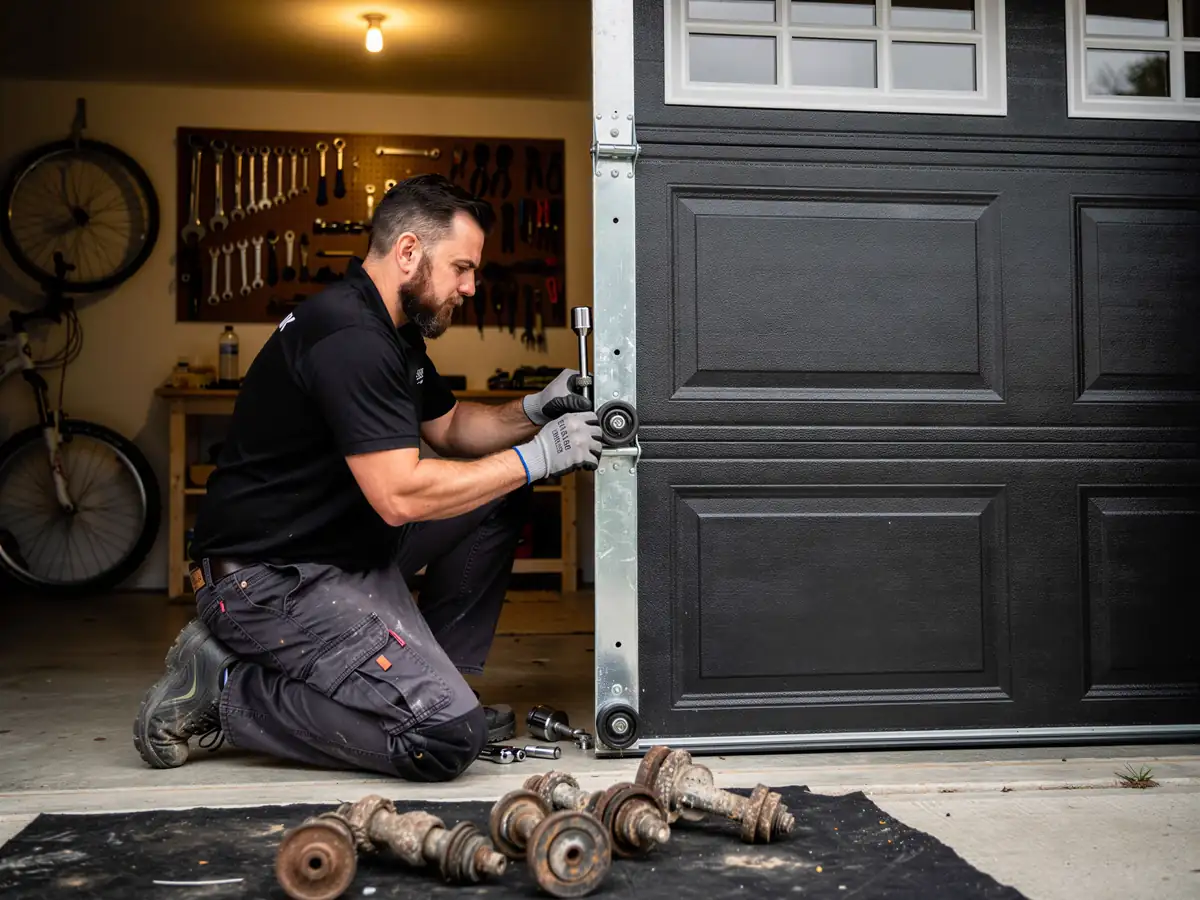
Once we've confirmed the panel section and width, the job itself is straightforward: disconnect the opener arm, support the door in the closed position, pull the hinge bolts on the damaged section, and slide it free without disturbing the sections above or below it. New section goes in, hinges get re-torqued, and we run the door through a full open-close cycle to check the rollers track clean and the door seats flat against the weatherstrip at the bottom.
On a door from the early-90s stock common across Northport, we also check the adjoining panels while we're in there - if one section corroded or dented, the ones next to it have usually taken thirty-plus years of the same weather and may be close behind. The region sits in a mild climate with occasional freeze, so panel steel doesn't fatigue from heat the way it does further south, but galvanized coating does wear thin at the bottom section over three decades, and that's usually where we find the next weak spot.
If the exact panel profile is no longer made, we'll say so rather than install a mismatched section that looks wrong and seats worse - full door replacement is sometimes the honest answer, and we'll give you that quote instead of padding a repair that won't hold up.
The Symptom
What you'll usually notice first isn't the dent itself - it's the door starting to stick or drag at one point in its travel, right where the damaged section rides past the track bracket. On a sectional door, a caved-in or bowed panel pushes the hinge out of alignment just enough that the rollers bind on that section every cycle, and the opener motor works harder to push through it. Leave it long enough and the strain shows up at the opener gears, not just the panel.
On the door styles common to Northport's early-90s builder stock, the bottom section takes this damage most - it's the one closest to car bumpers, trash cans, and basketballs, and it's also the one that's spent three decades absorbing ground moisture at the bottom seal. If you're hearing a scrape or seeing the door hesitate at the same spot every time, that's the panel, not the opener, and it's worth having it looked at before the strain spreads to the hardware around it.