Getting It Booked In
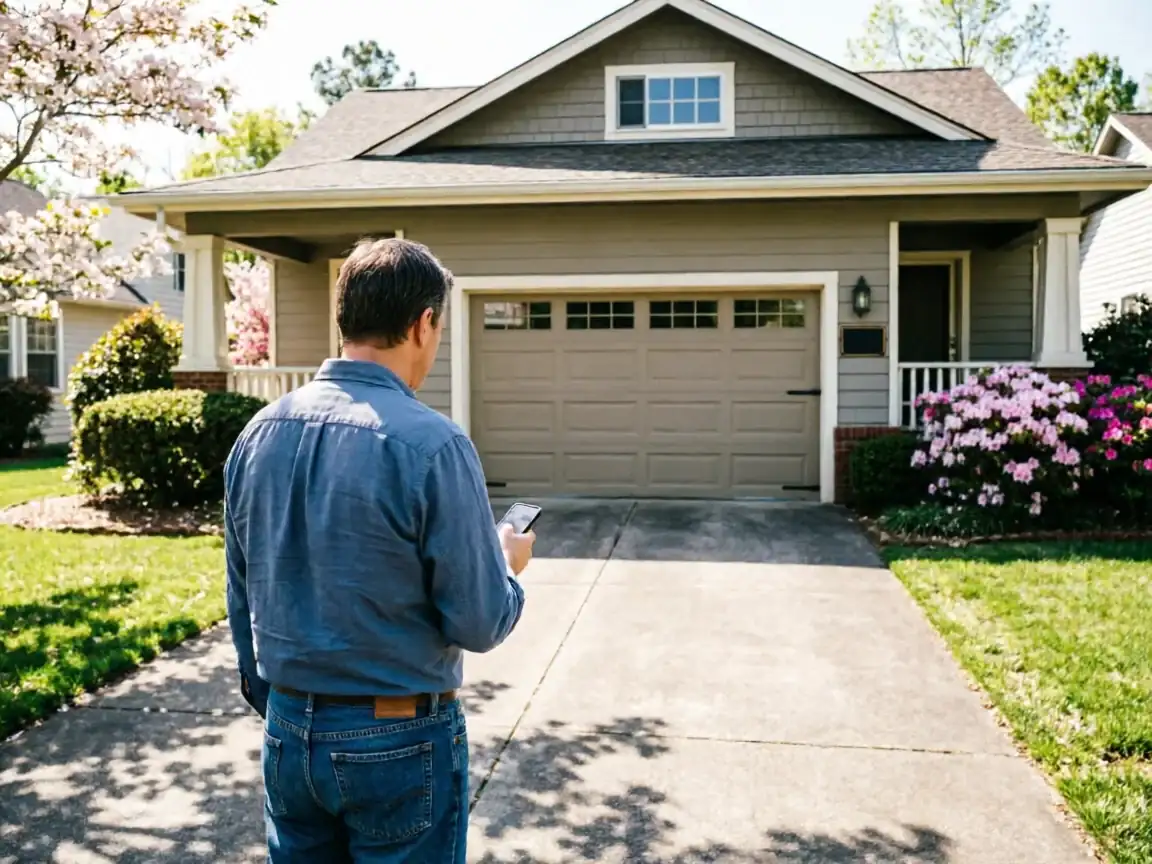
Northport sits about 4 miles from our shop in Tuscaloosa, so a service call out here isn't a special trip, it's part of the regular run. We don't keep a branch or a drop-off counter in Northport itself, so everything starts with a call or a booking through the site, and we bring the parts truck to you rather than asking you to come to us.
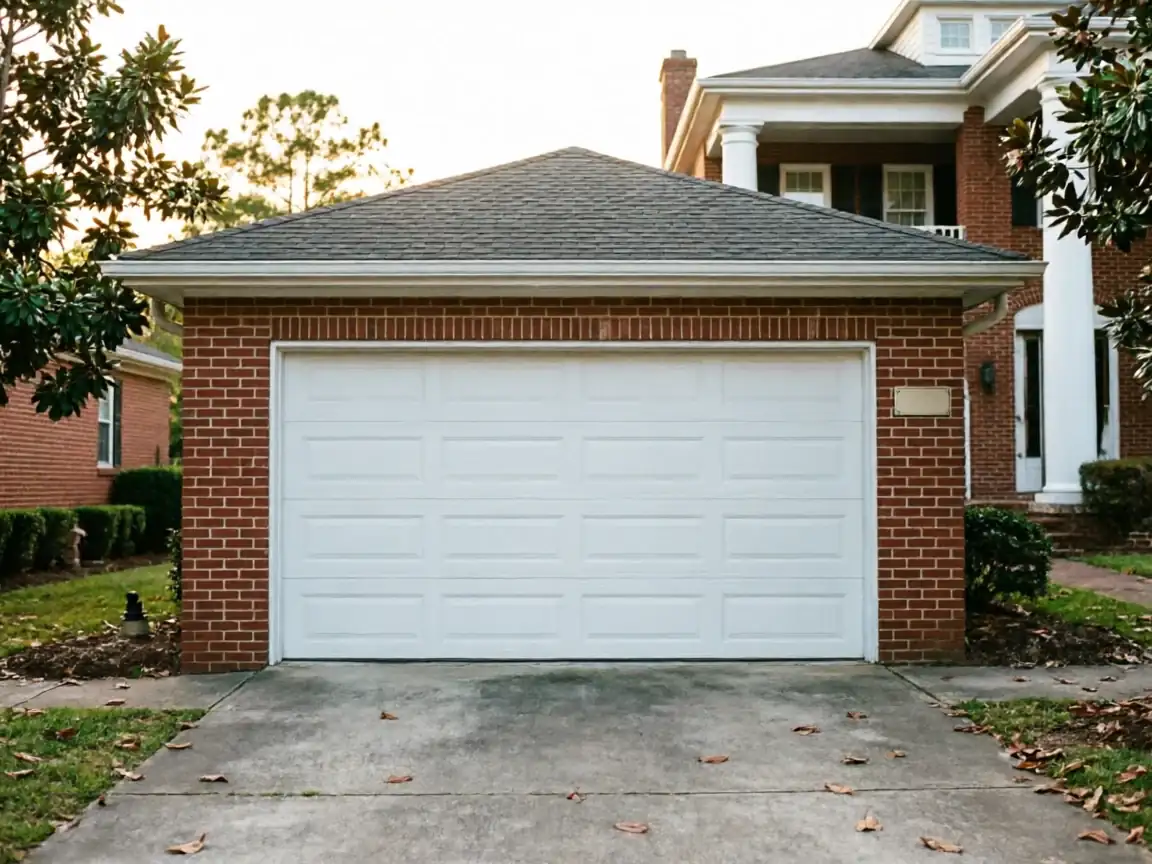
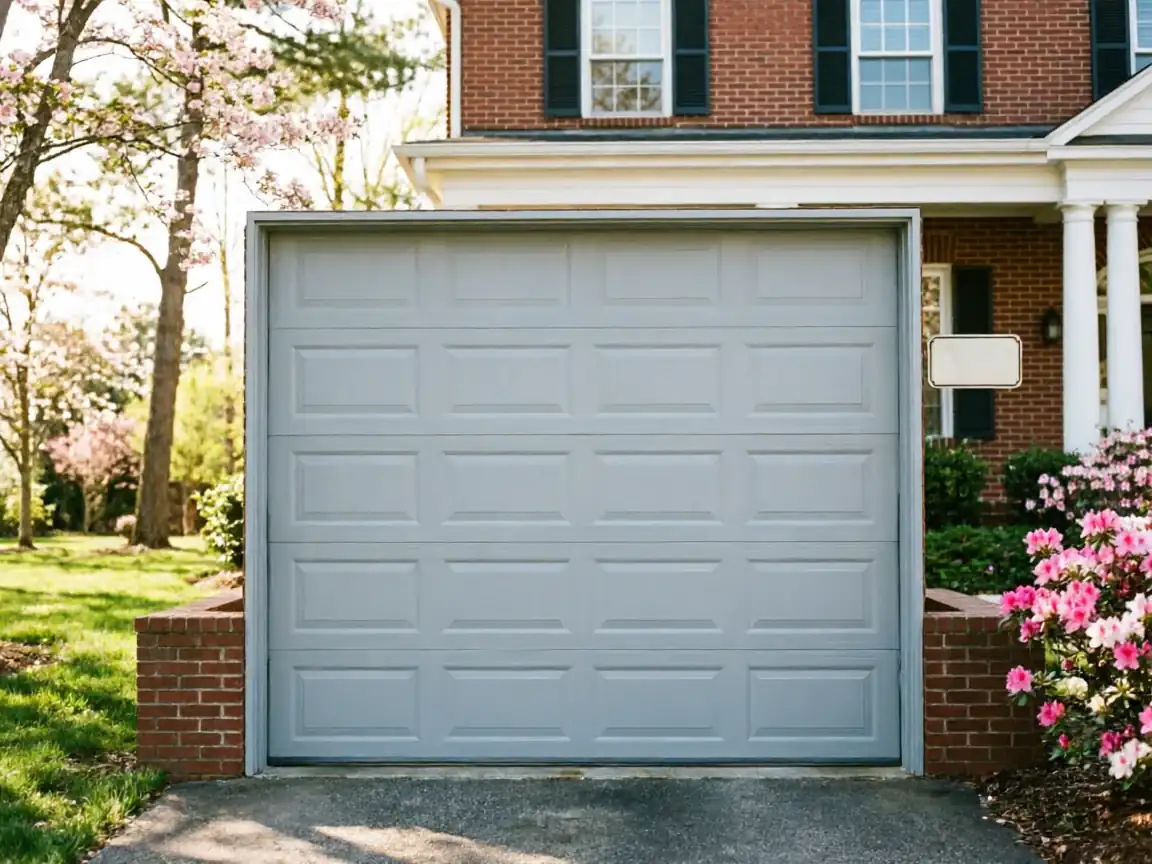
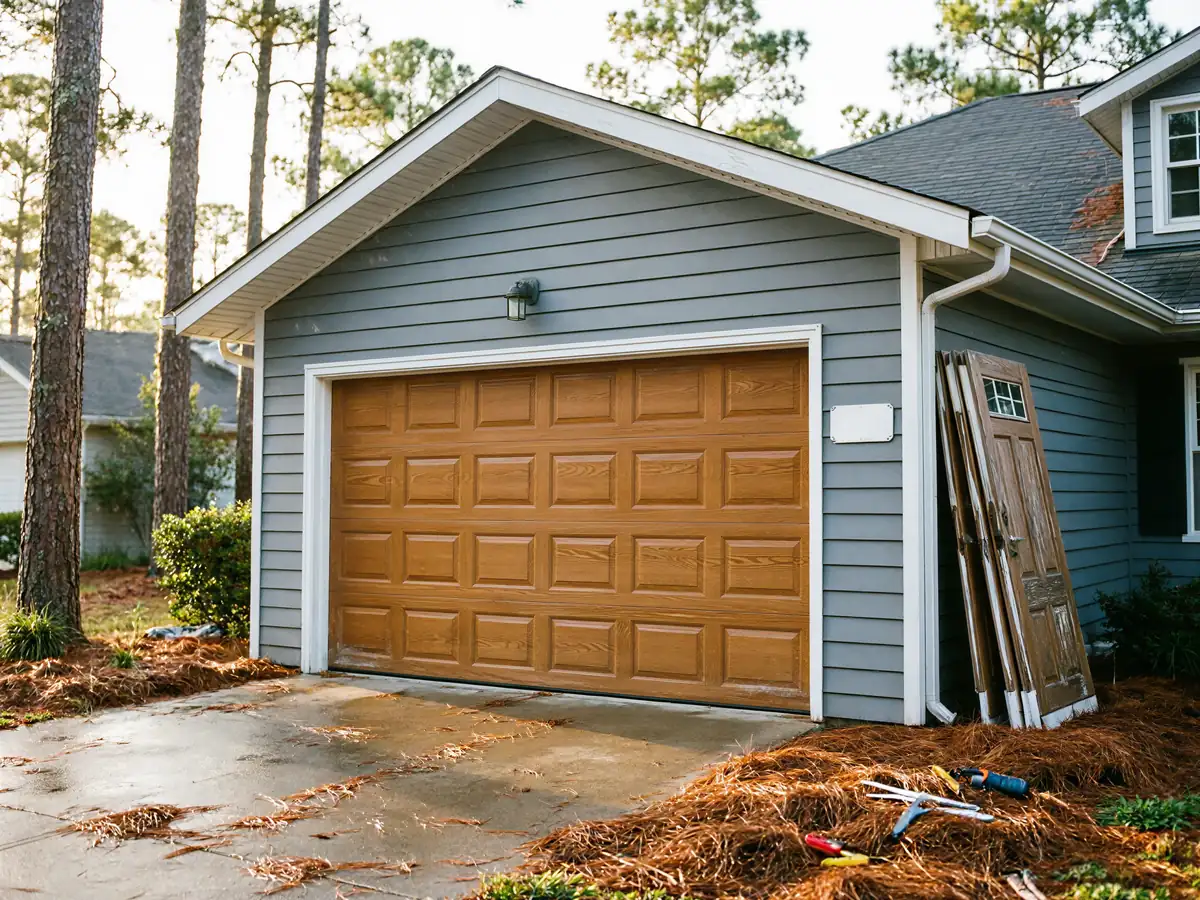
Because the town's housing mostly dates to the early 1990s (median year built here is 1992), the most common jobs we get from this side of the river are predictable: a spring that's lived its full cycle count, a chain-drive opener on its last gears, or a steel panel door that's been painted over a few too many times. Tell us the age of the house if you know it and what the door is doing (won't open, grinds, reverses) and we can usually guess what we're walking into before the truck leaves Tuscaloosa.
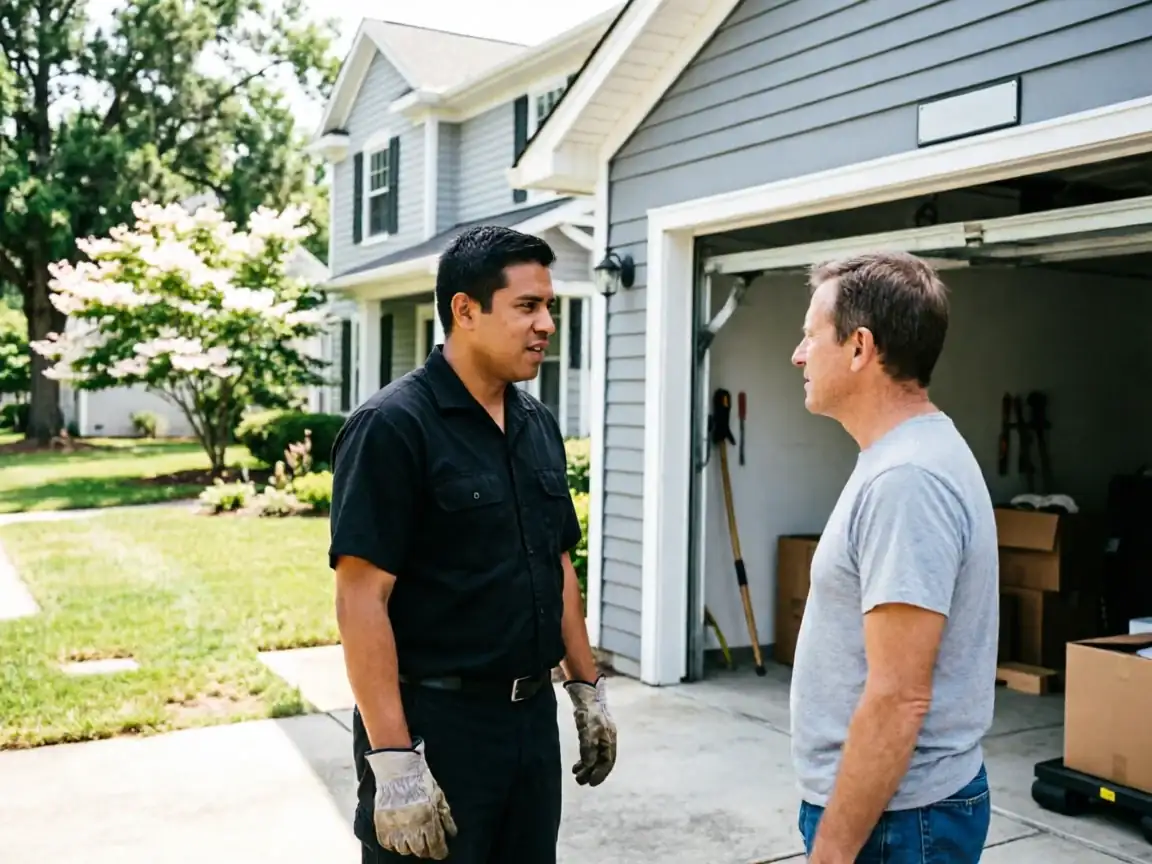
We don't do same-day guarantees here, and we won't promise a window we can't hold to with a 4-mile drive and a full schedule. What we can do is give you an honest estimate on the phone and stick to it once we're looking at the door in person.
Can You Do This Yourself
A lot of Northport homeowners ask about handling a repair themselves
And the honest answer depends on what's broken. Lubricating rollers and hinges, tightening loose bolts on the track brackets, replacing worn weatherstripping along the bottom panel - those are reasonable weekend jobs on a door from this era, and we'd rather you save the service call for something that needs it.
Springs are a different story
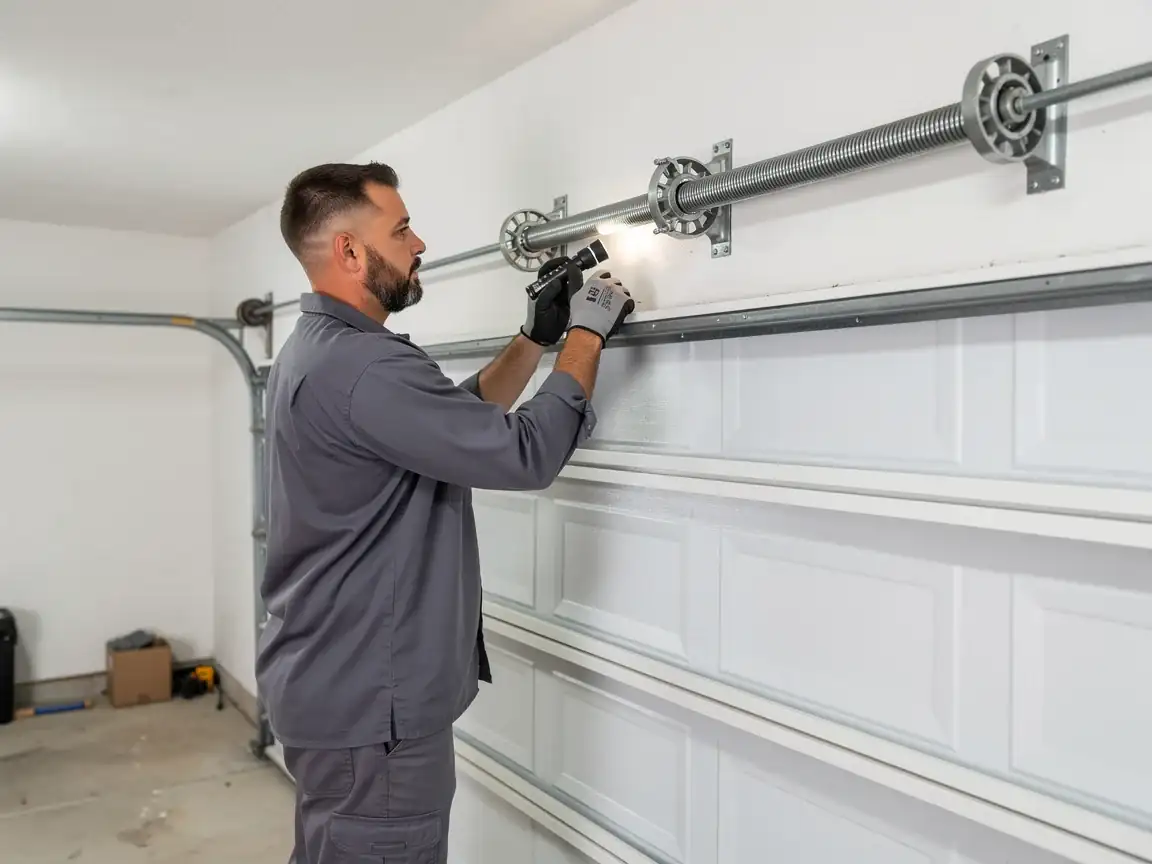
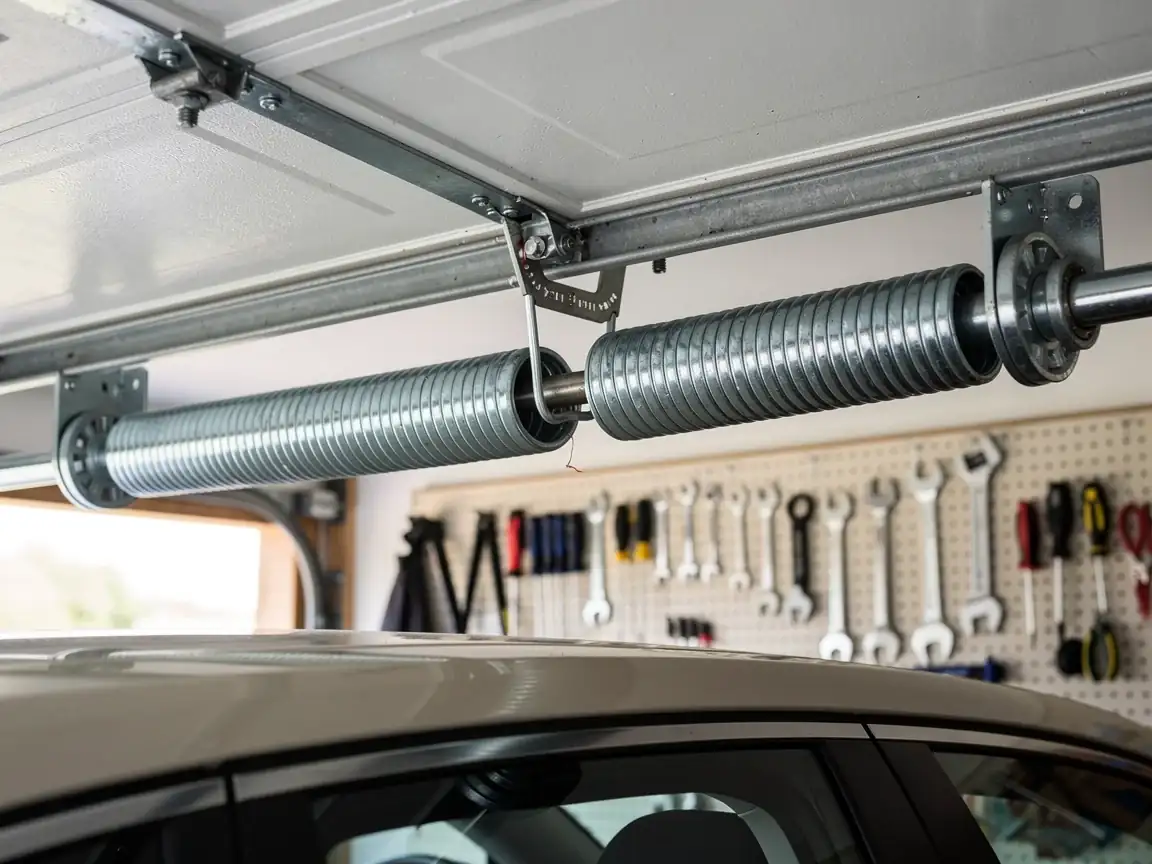
Doors built in the early-to-mid 1990s, which describes most of what's standing in Northport, commonly run on torsion springs mounted on a bar above the door, under enough tension to do real damage if the winding cone slips. We don't recommend DIY spring replacement on any door, regardless of age, and we won't walk you through it over the phone. If the opener is the issue - it hums but the door doesn't move, or it reverses halfway up - that's often a limit switch or a worn drive gear, and again, not something to open up without the right tools.
One honest limitation
If the door is original to a house built in '92 or earlier and the track is bent or the panels are rusted through, sometimes the right call is replacement, not another repair. We'll tell you that straight instead of billing you for a patch that won't hold.
What the Fix Involves
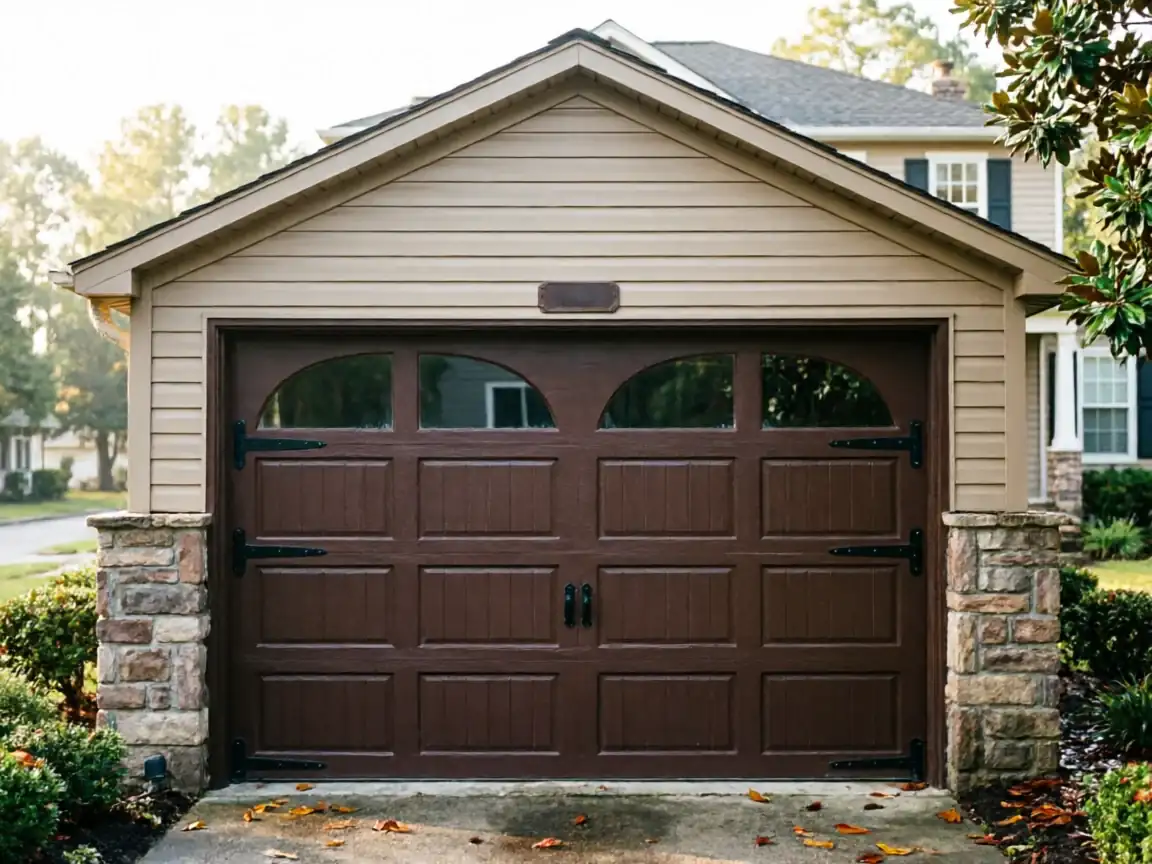
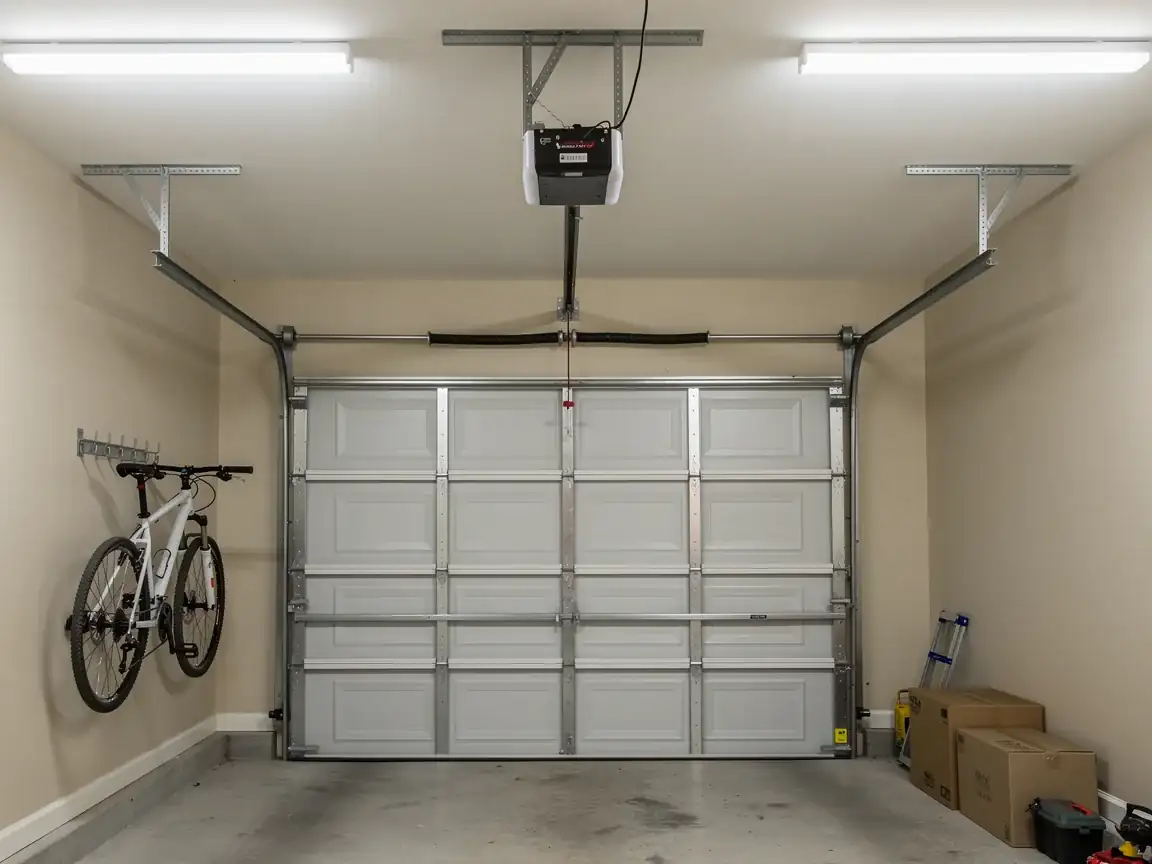
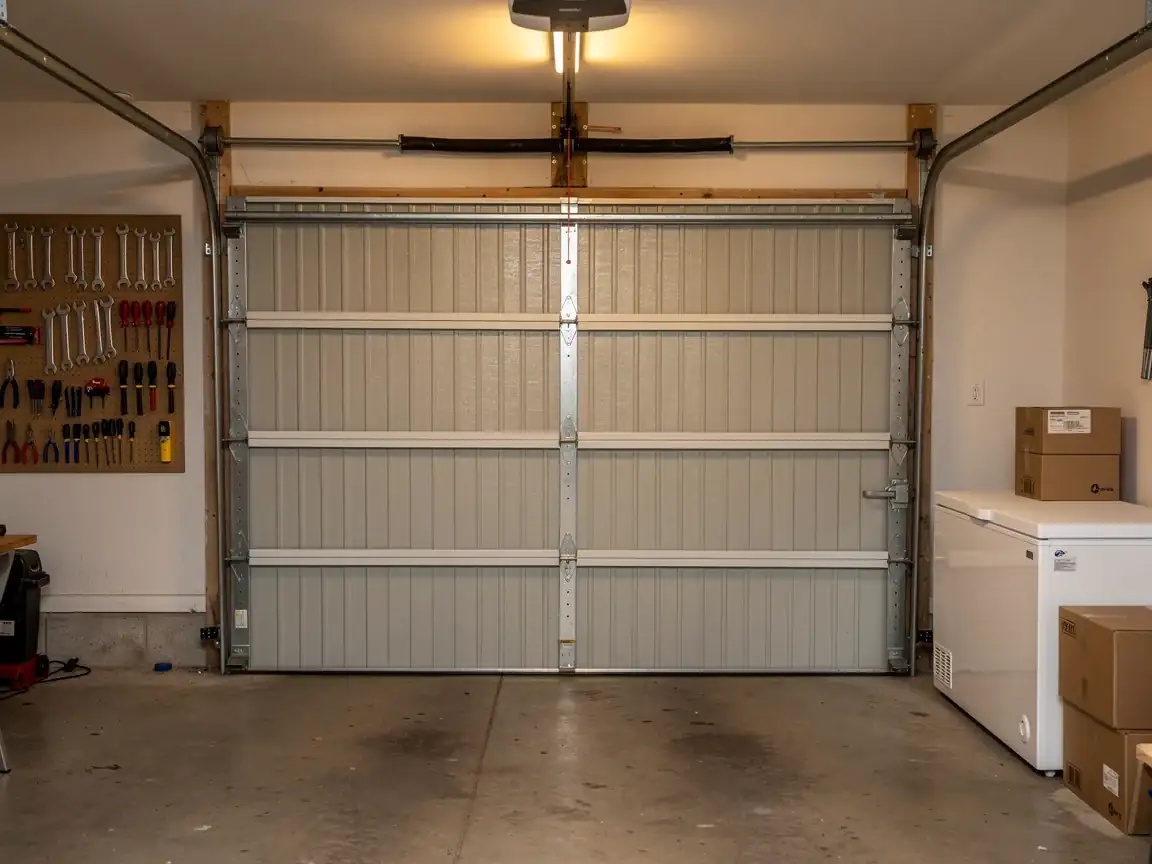
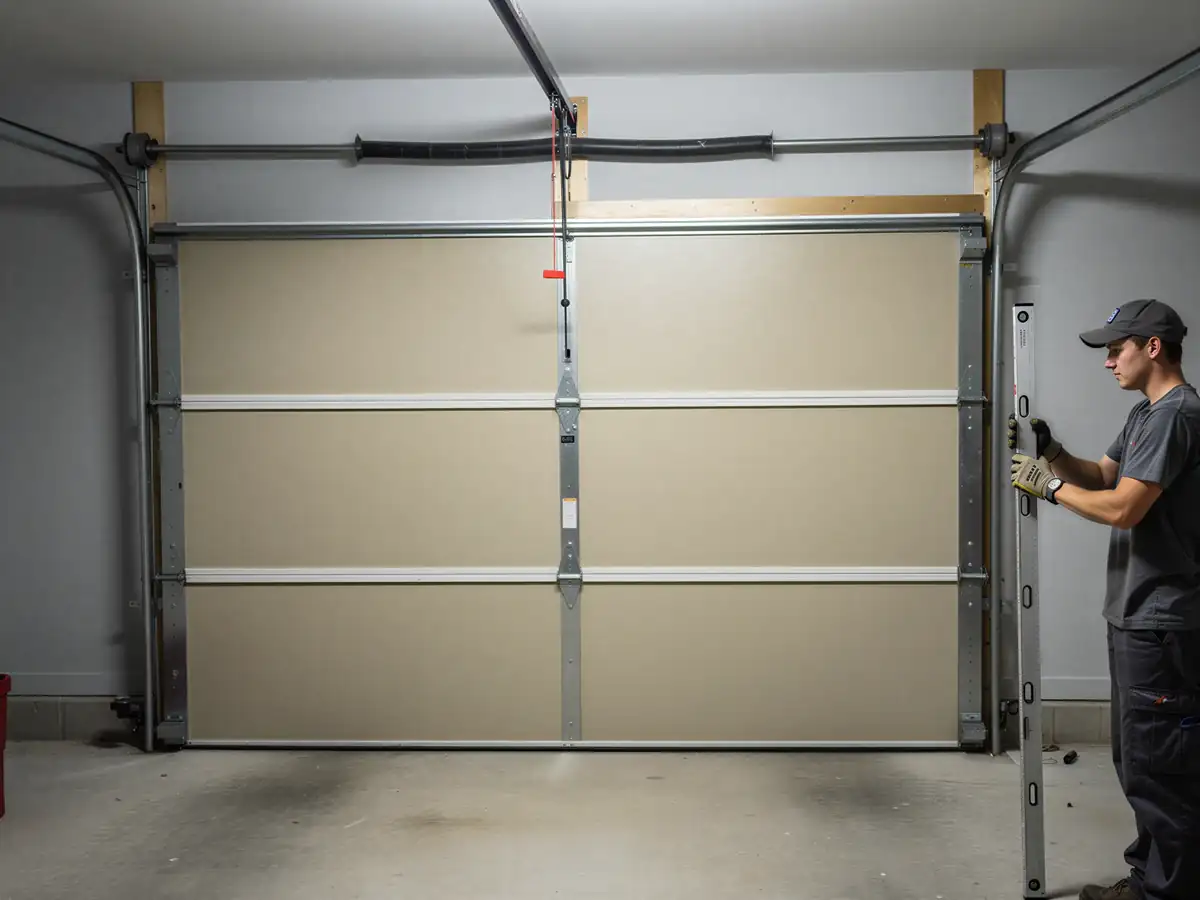
On a door from a house built around 1992, the fix usually touches one of three systems: the torsion spring assembly, the opener's drivetrain, or the track and roller setup. Houses from this build era in Northport typically shipped with steel sectional doors on torsion springs rated for a specific door weight, and after 25-plus years and tens of thousands of open-close cycles, that spring is well past its working life even if it hasn't snapped yet.
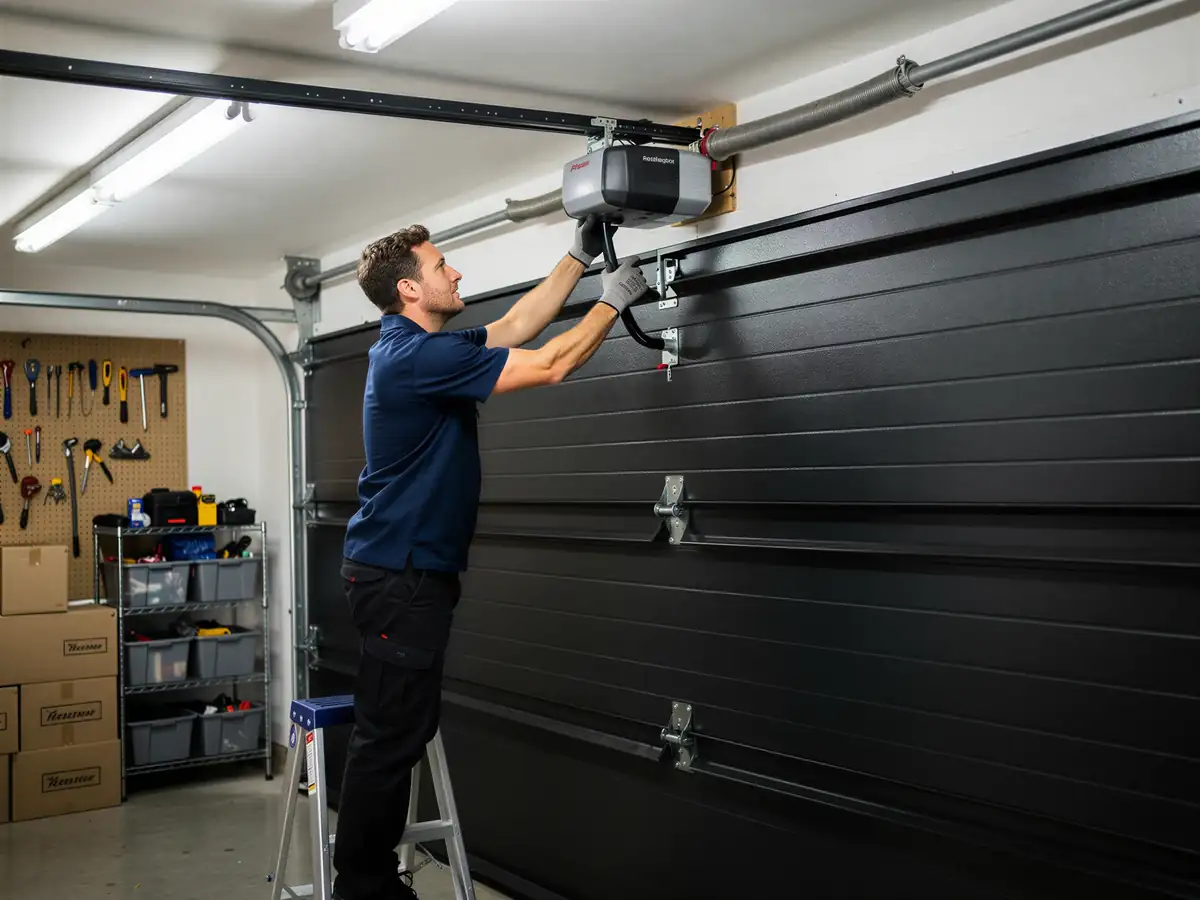
Replacing it means matching the wire size and wind direction to the original, not just grabbing a spring that looks close. Get that wrong and the door either won't lift evenly or it overloads the opener. If the opener itself is the problem, a lot of what we find on doors this age is a chain-drive unit with a stripped sprocket or a failing capacitor on the motor - both fixable without replacing the whole unit in most cases.
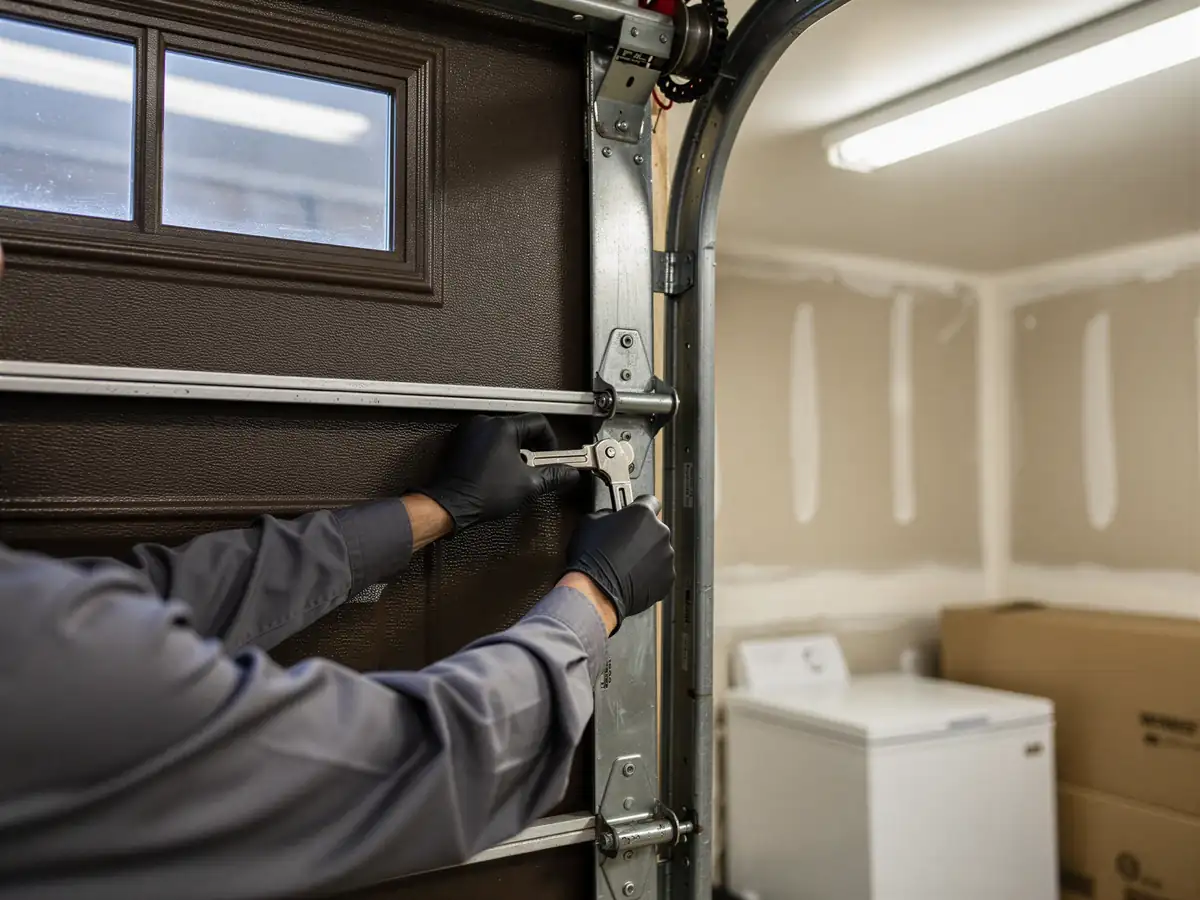
Track and roller work is usually simpler: bent track from the door being forced after a jam, or rollers that have worn down to the point where the door binds on the way up. We check all three systems on any service call, since a worn spring often masks as an opener problem and vice versa.
The Symptom
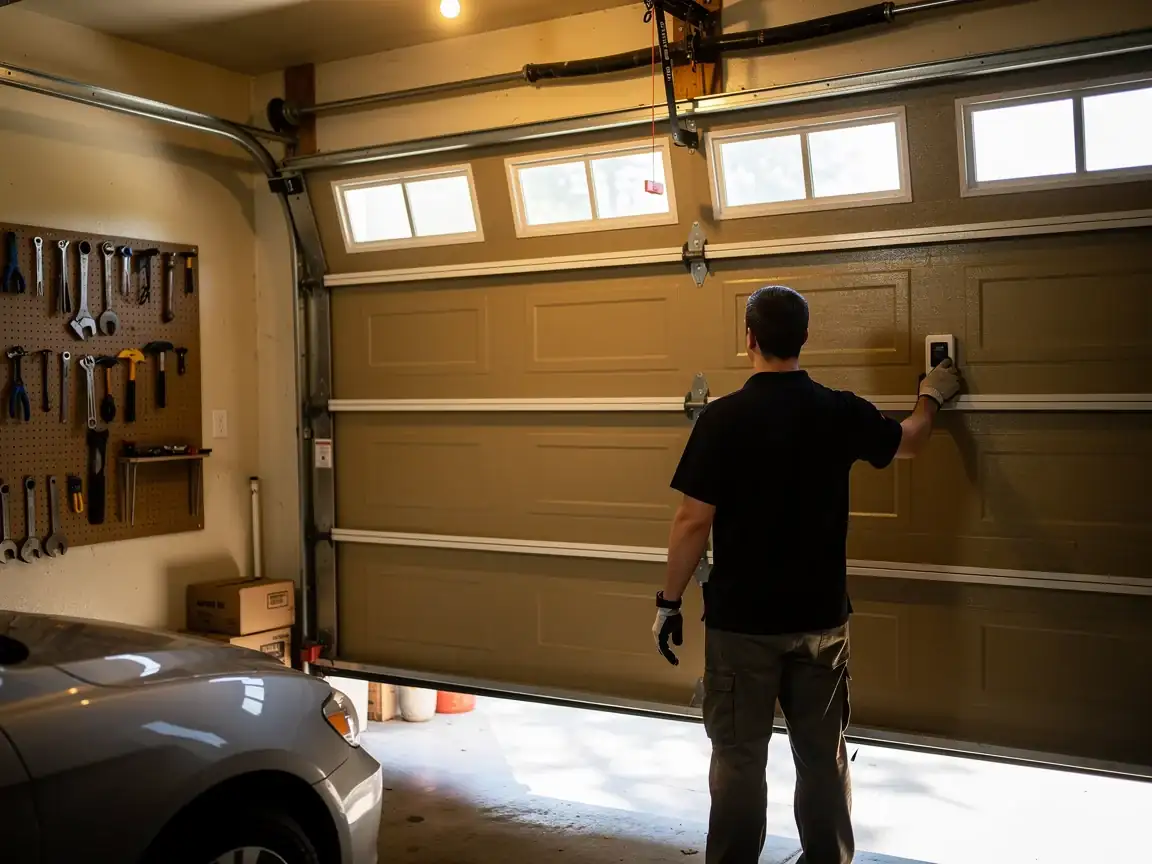
The door that doesn't fully close, reversing a few inches from the floor, is one of the most common calls we get from Northport. On a door from the early 1990s, that's usually a sensor alignment issue (the two photo-eyes near the floor track have drifted out of line, sometimes just from a bump or years of vibration) or it's the close-limit setting on the opener drifting with age.
A door that's heavy to lift by hand, or an opener that strains and groans before it moves the door at all, points to a spring that's lost tension. On original torsion hardware from a build this old, that's expected wear, not a defect - springs are rated for a cycle count, and a 30-year-old spring is well past it even on a house that's been maintained.
If the door makes a loud bang and then won't move, that's almost always the spring letting go entirely. Don't try to open it manually or run the opener again - call it in and we'll bring the right replacement spring sized to the door, not a universal substitute that'll wear out again in half the time.