Getting It Booked In
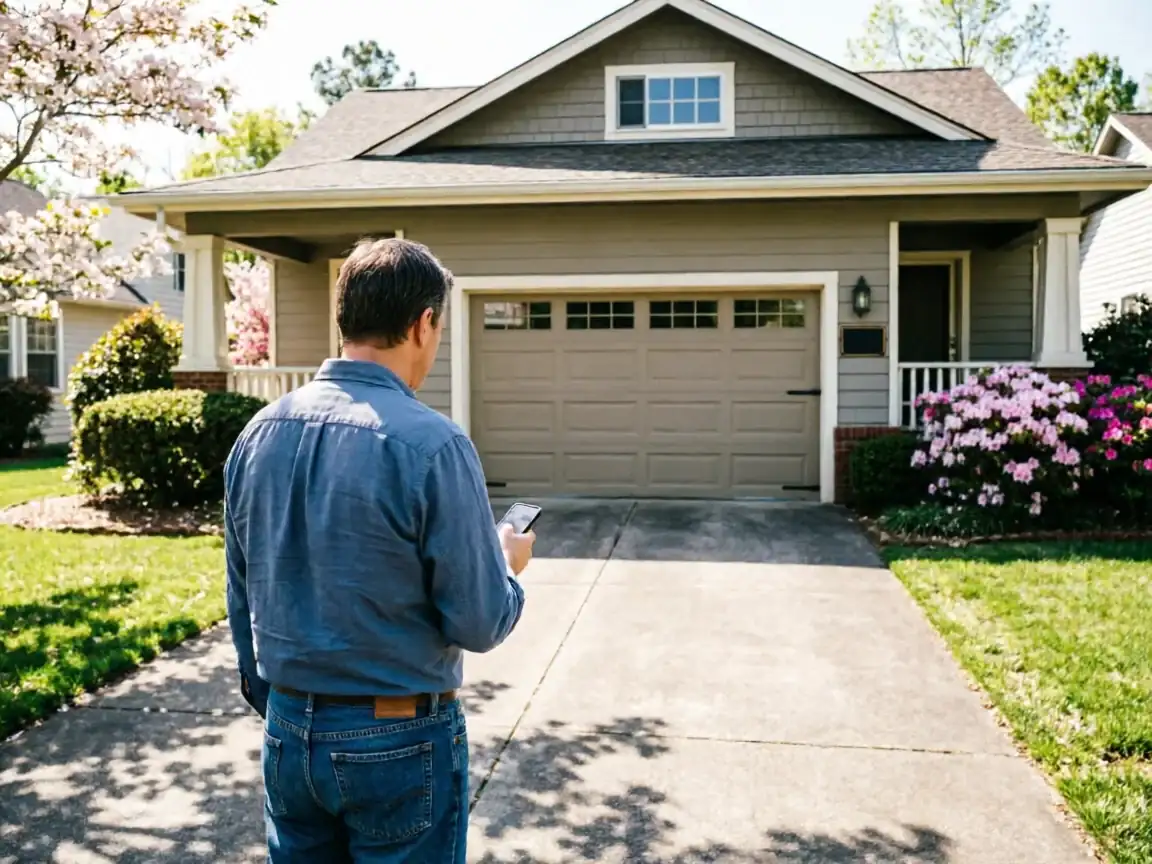
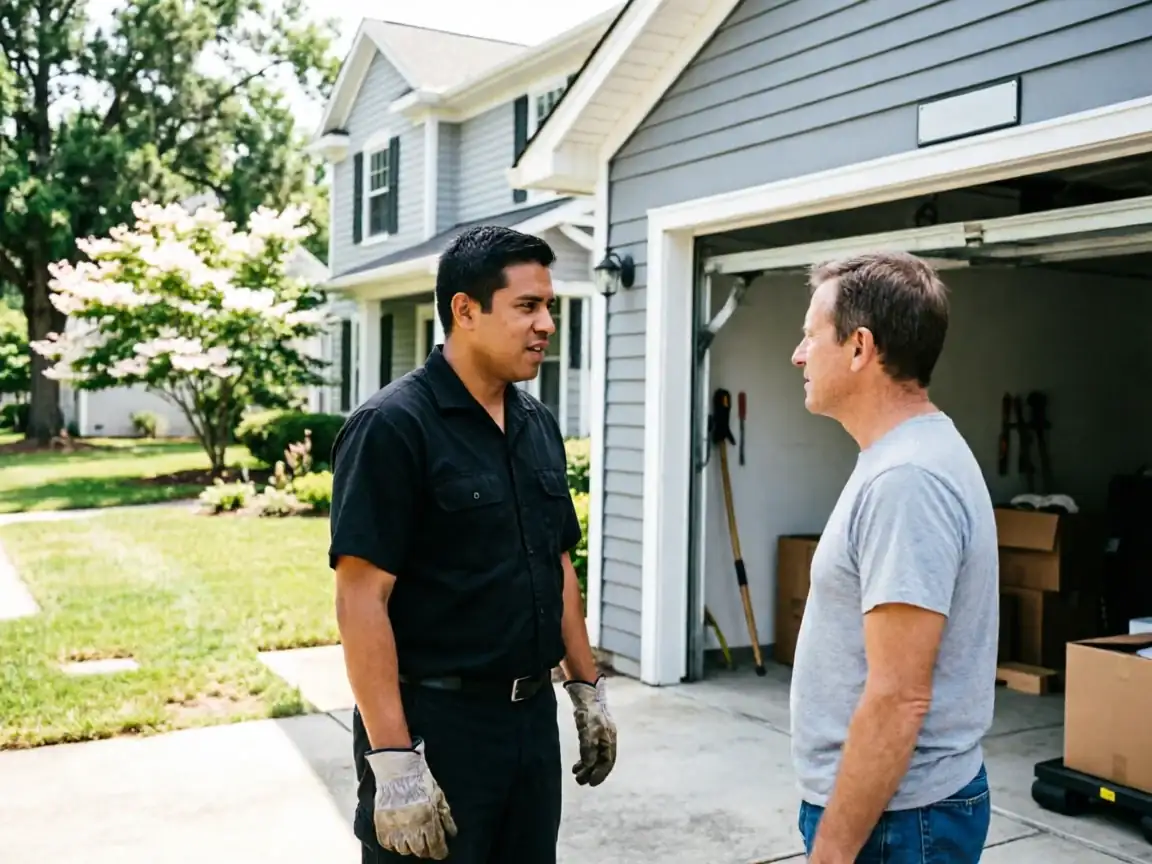
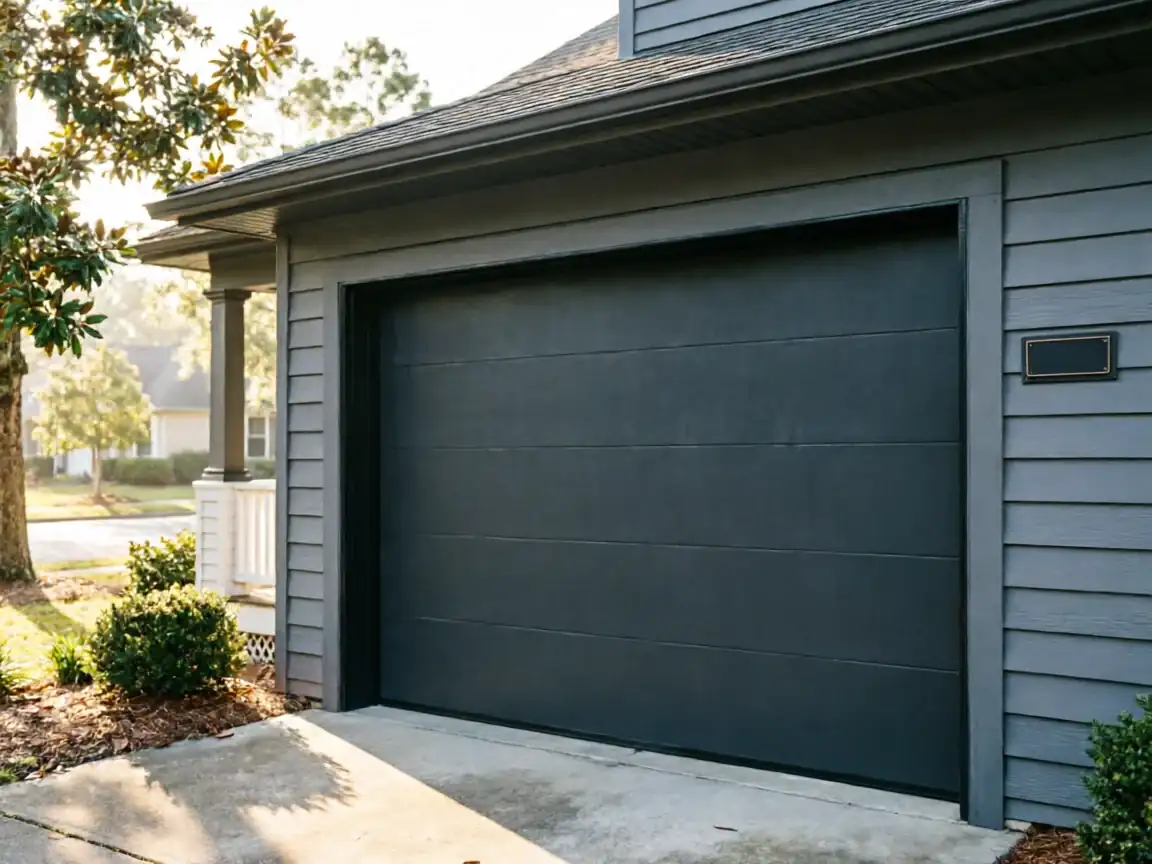
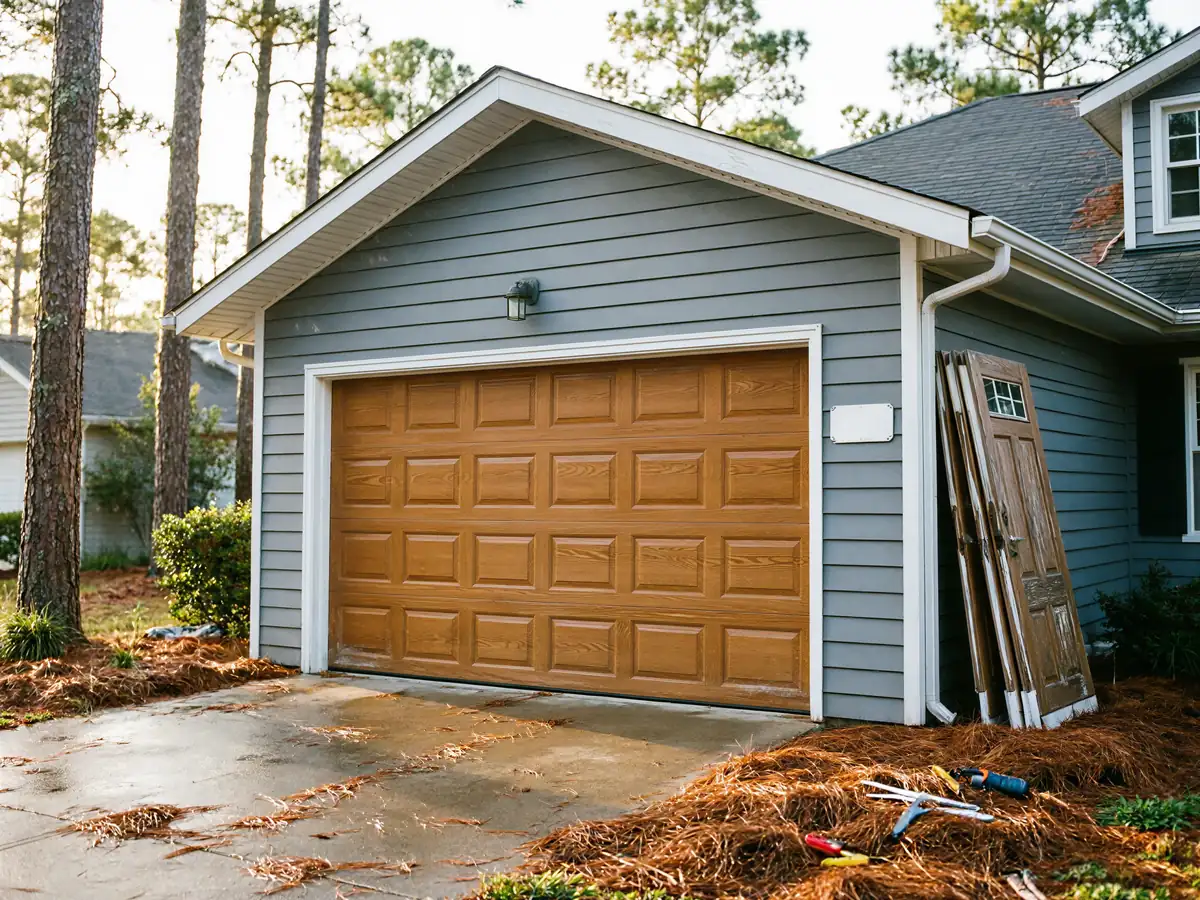
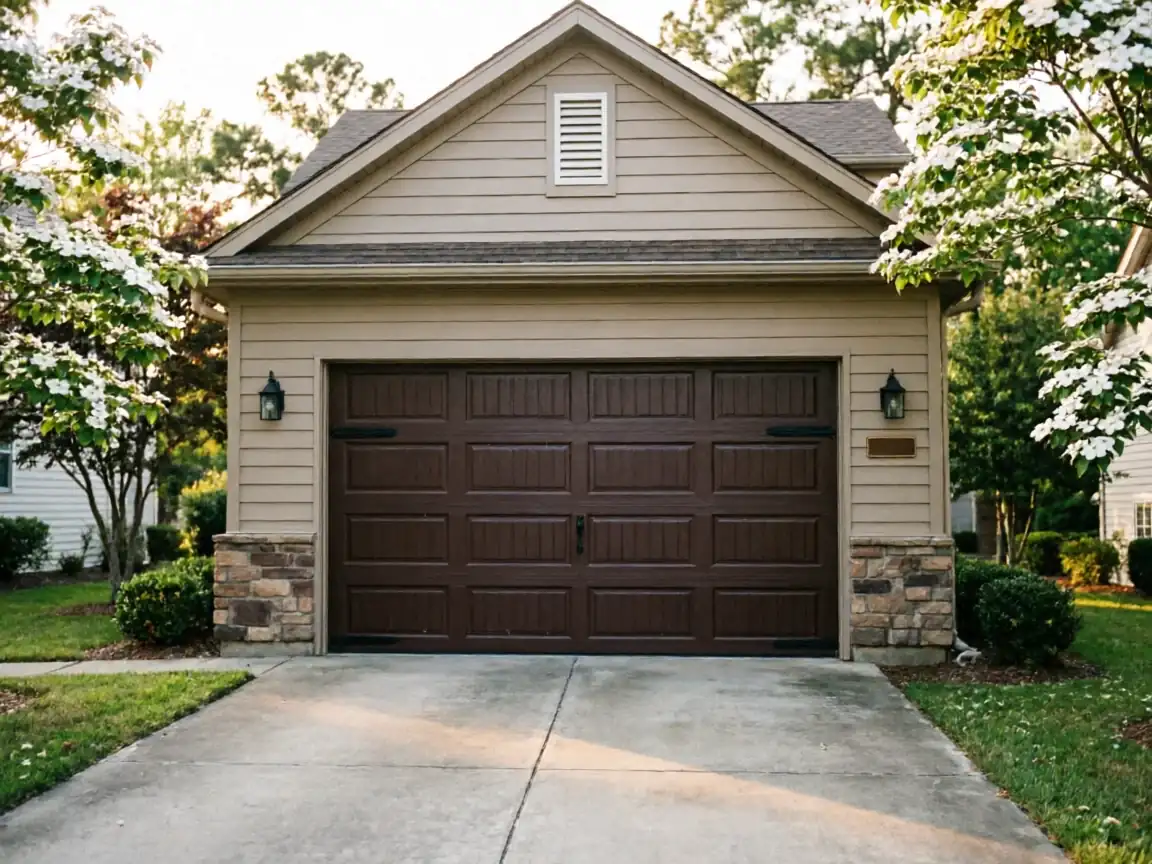
Northport sits about four miles from our Tuscaloosa base, and the job itself doesn't change because of the drive. What changes is what we bring on the truck. Houses here cluster around a 1992 build year, a bit newer than the median across the rest of the territory we cover, which runs from the 1960s up through the early 2000s. That shift matters for openers because newer framing in the 1980s and 90s wave of construction here tends to use shorter header clearance and lighter trim boards than the older stock elsewhere in the service area. We confirm the header depth and the door weight before we quote anything, because a standard-lift bracket kit that works fine on an older heavy wood door can be the wrong call on a lighter steel door from this era. Booking is simple: tell us the door's approximate age and whether it's ever had an opener before, and we bring options sized to what's actually on the house, not a generic kit.
What the Fix Involves
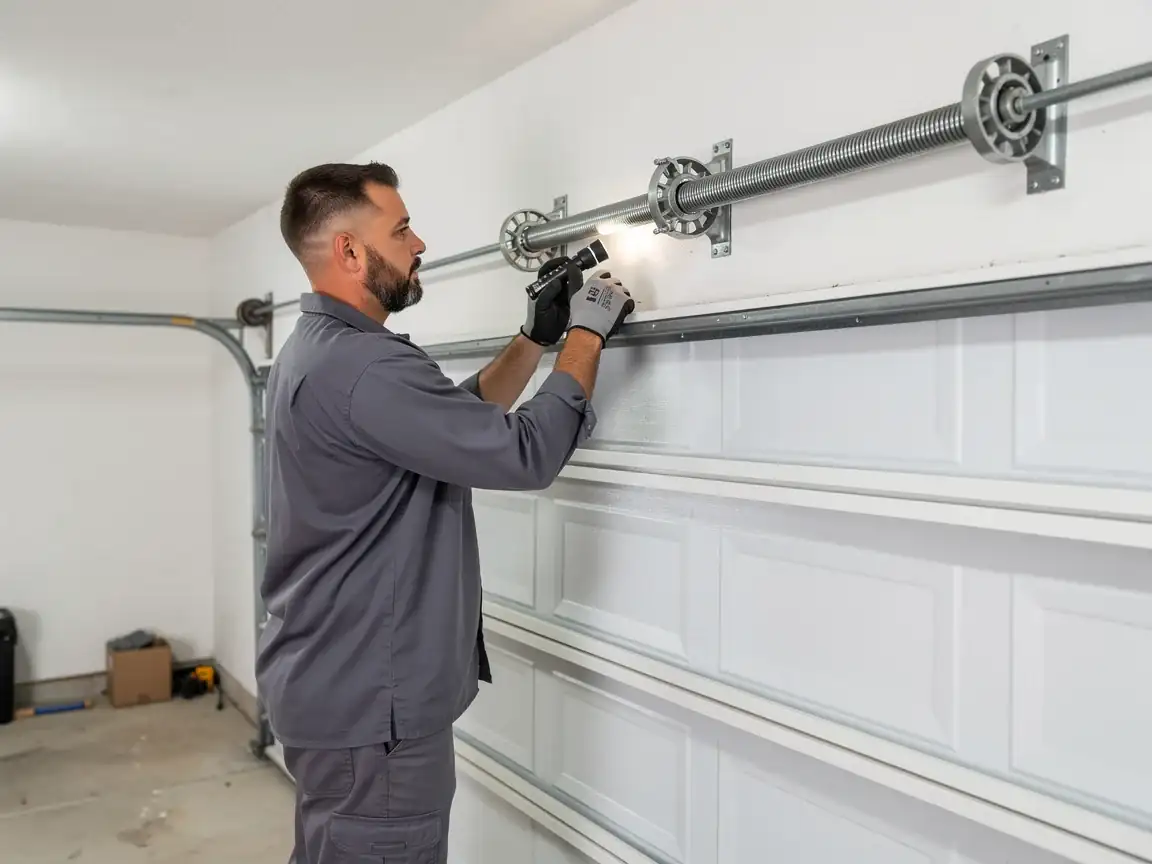
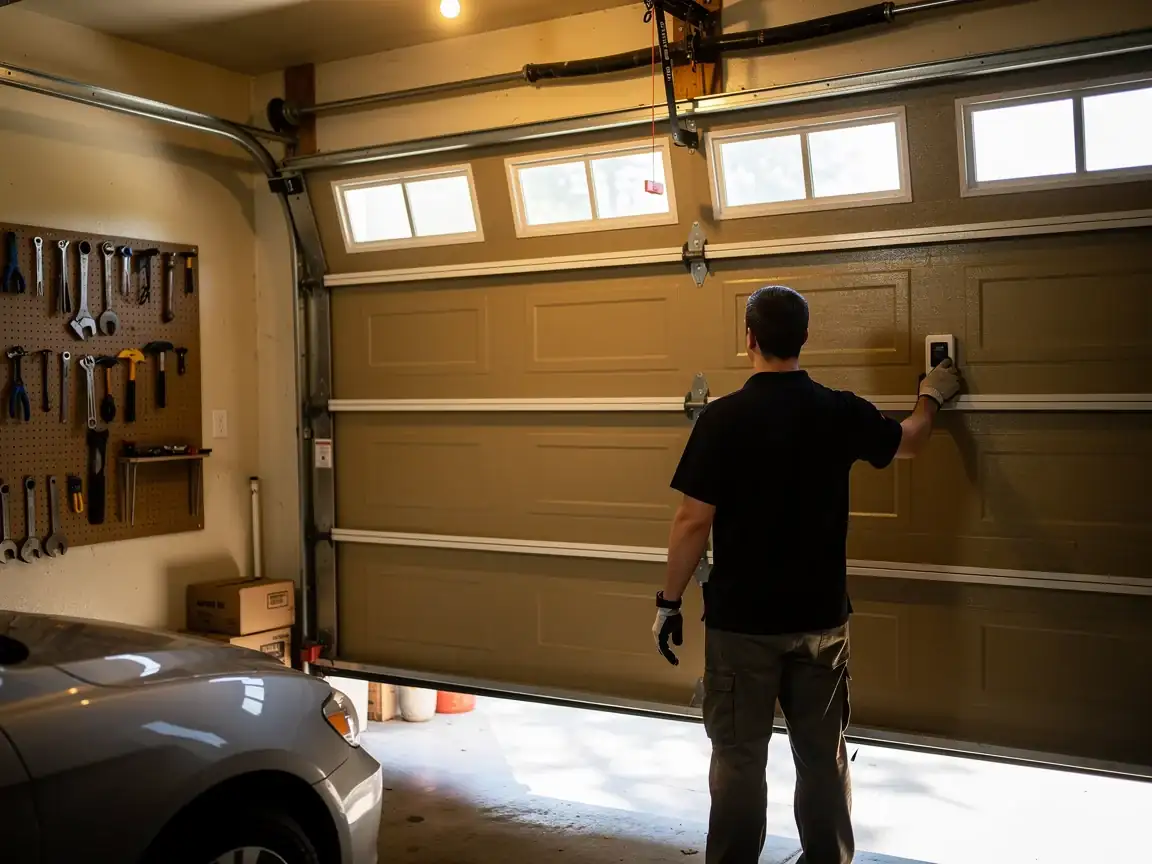
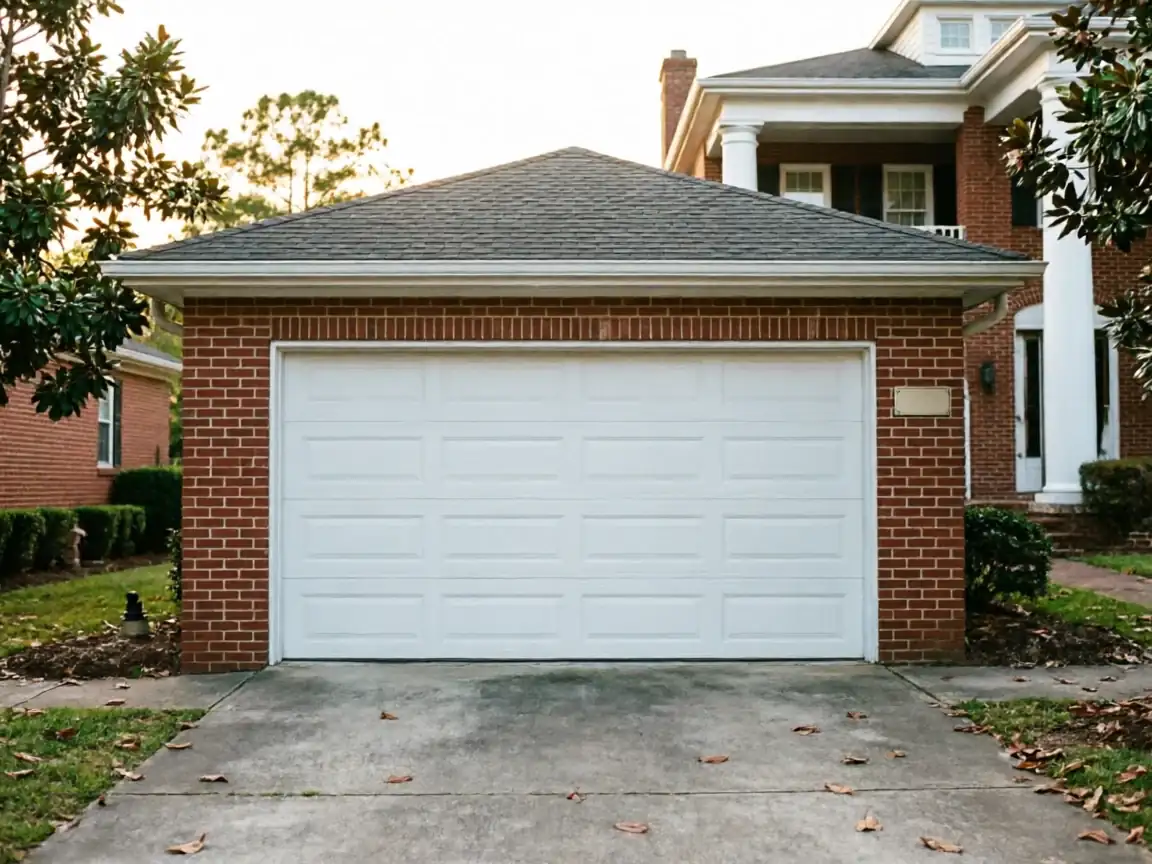
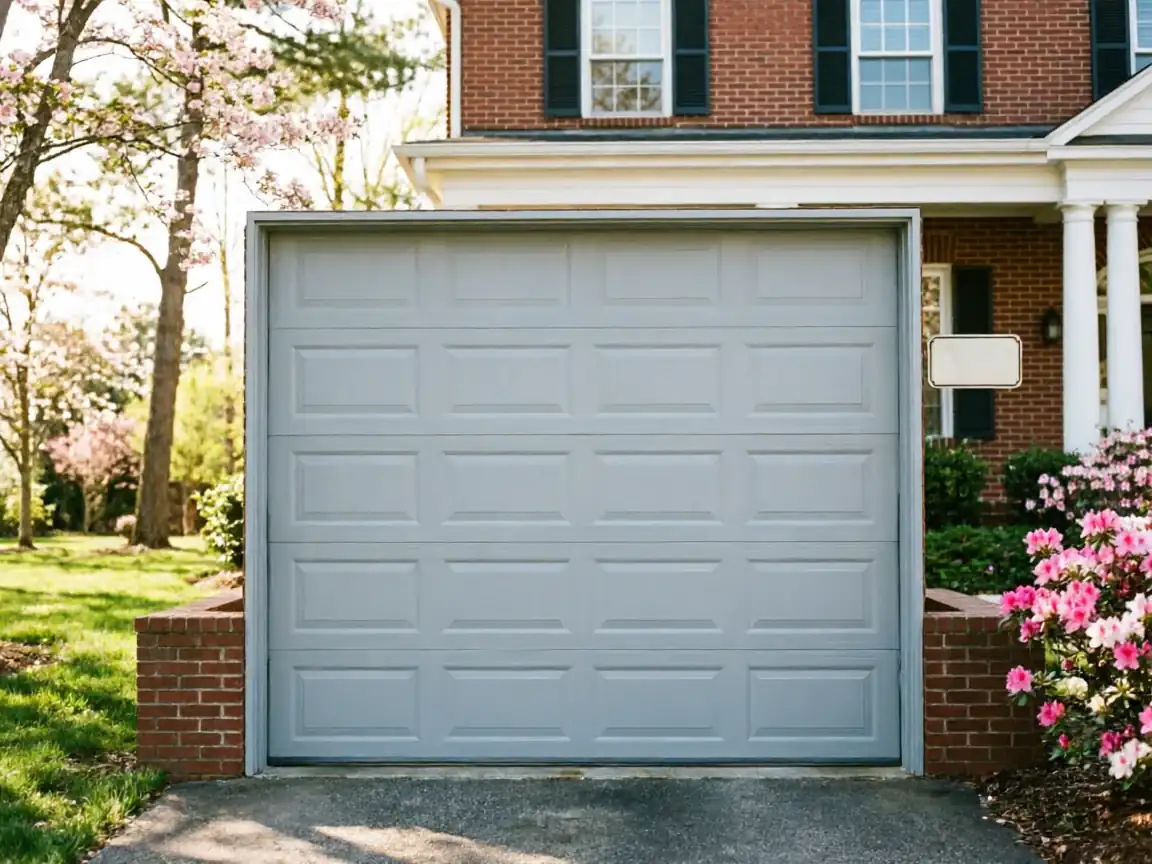
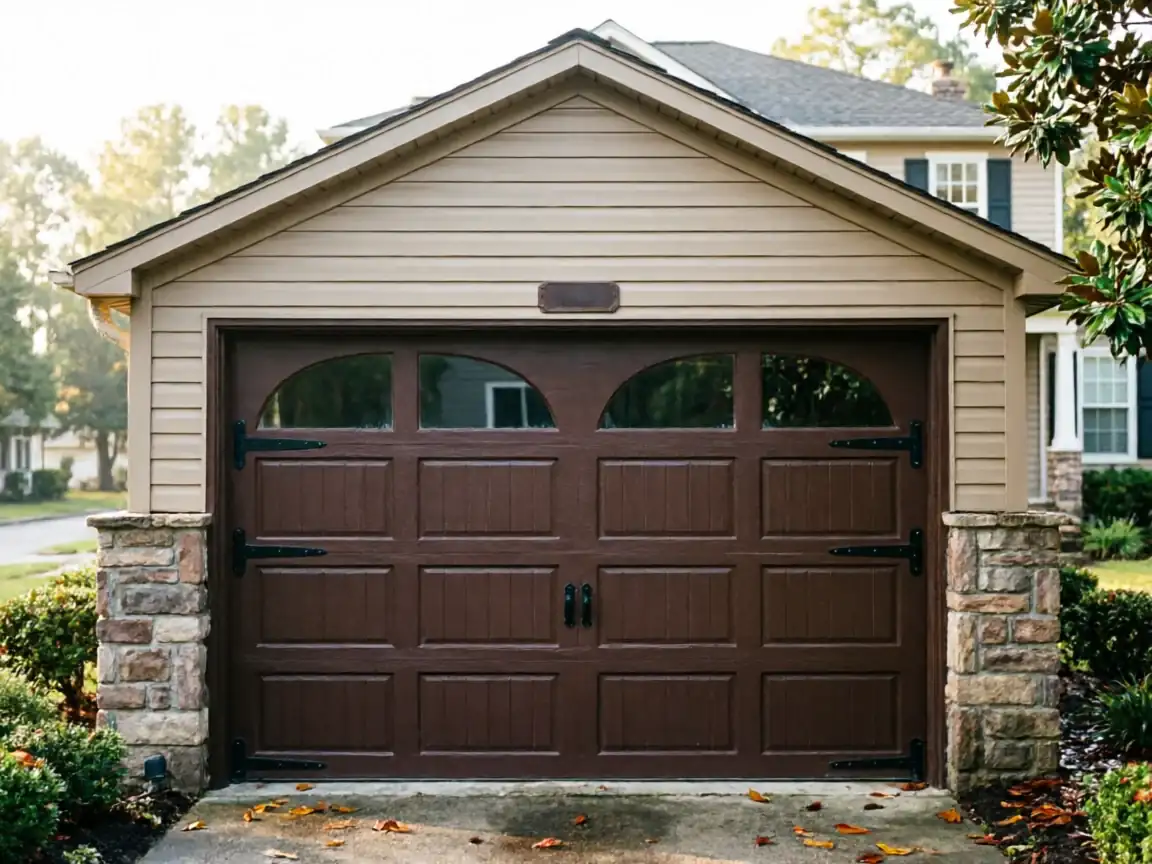
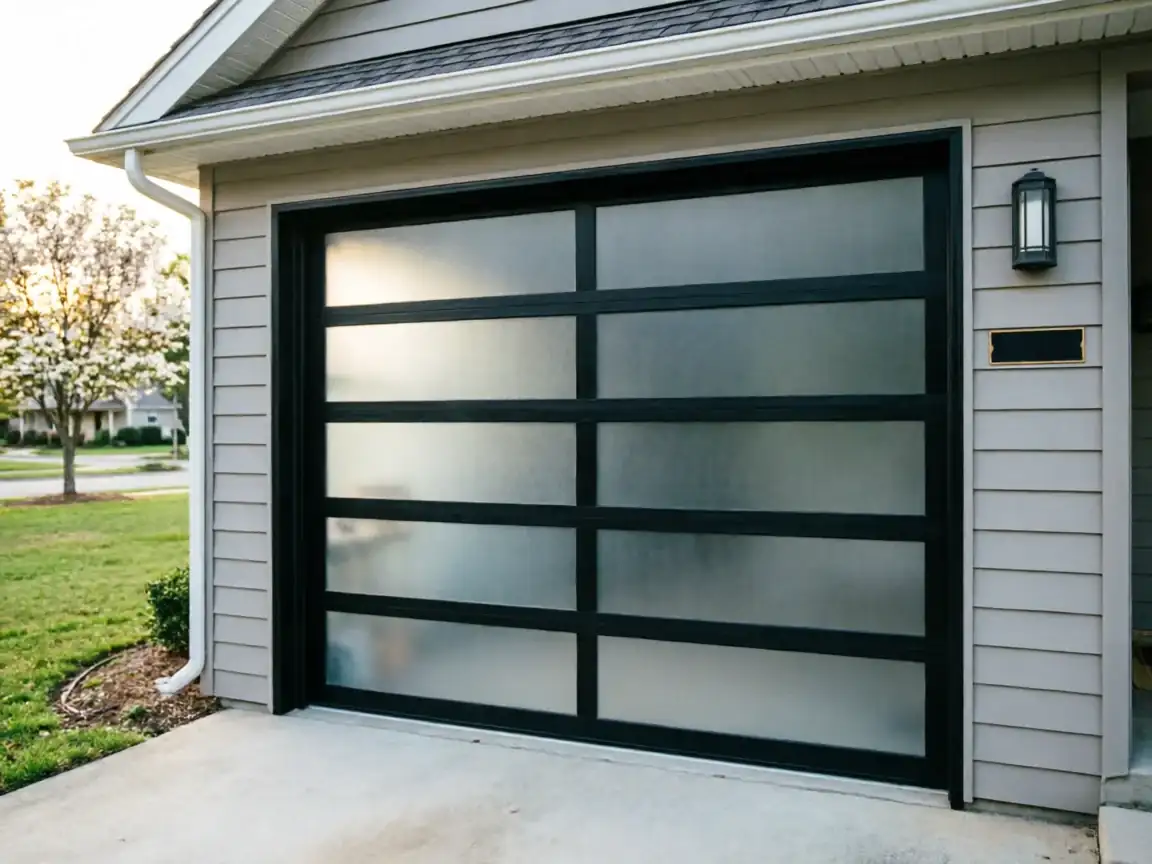
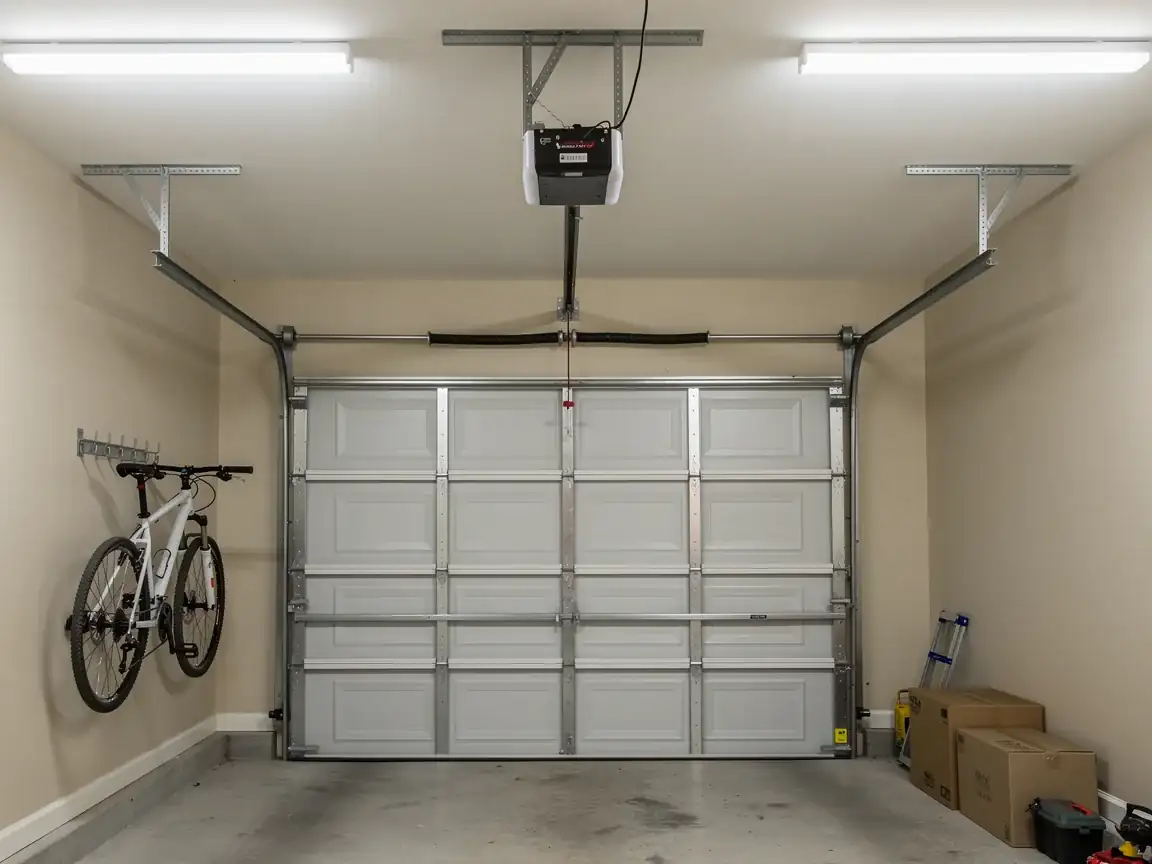
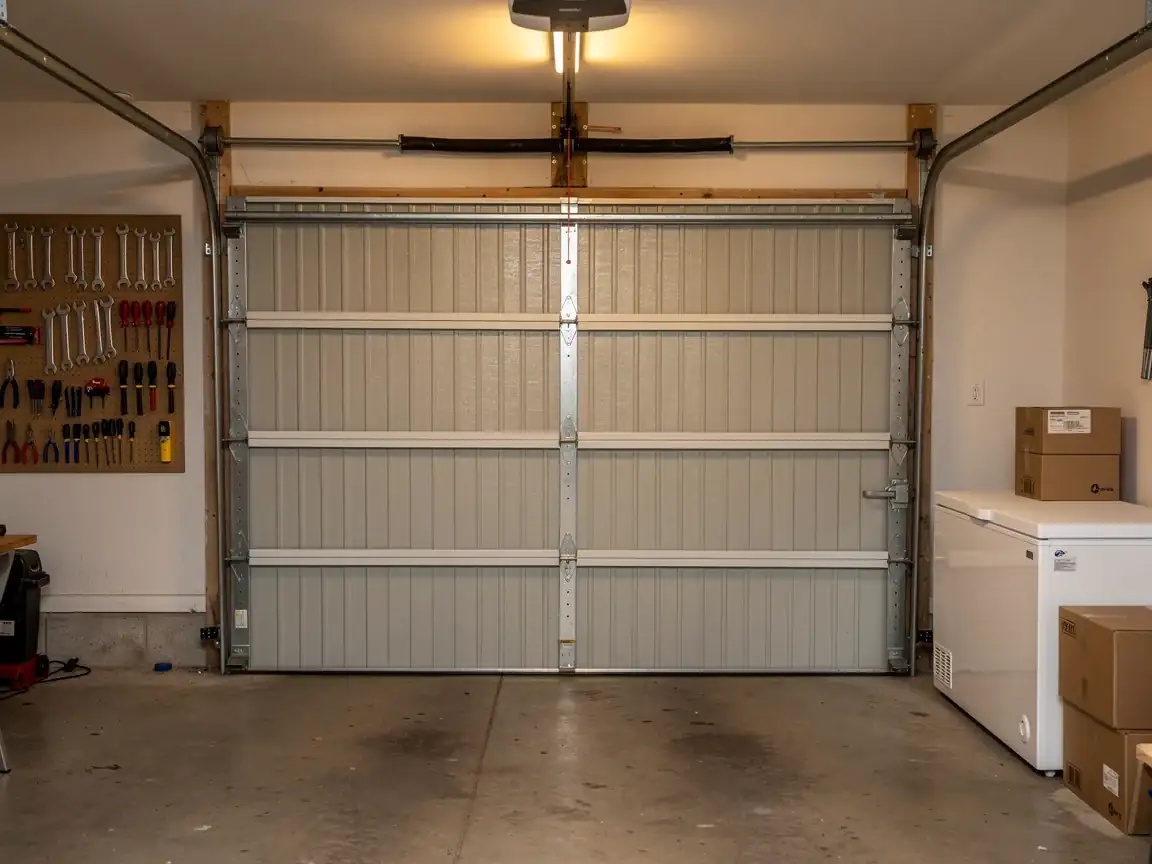
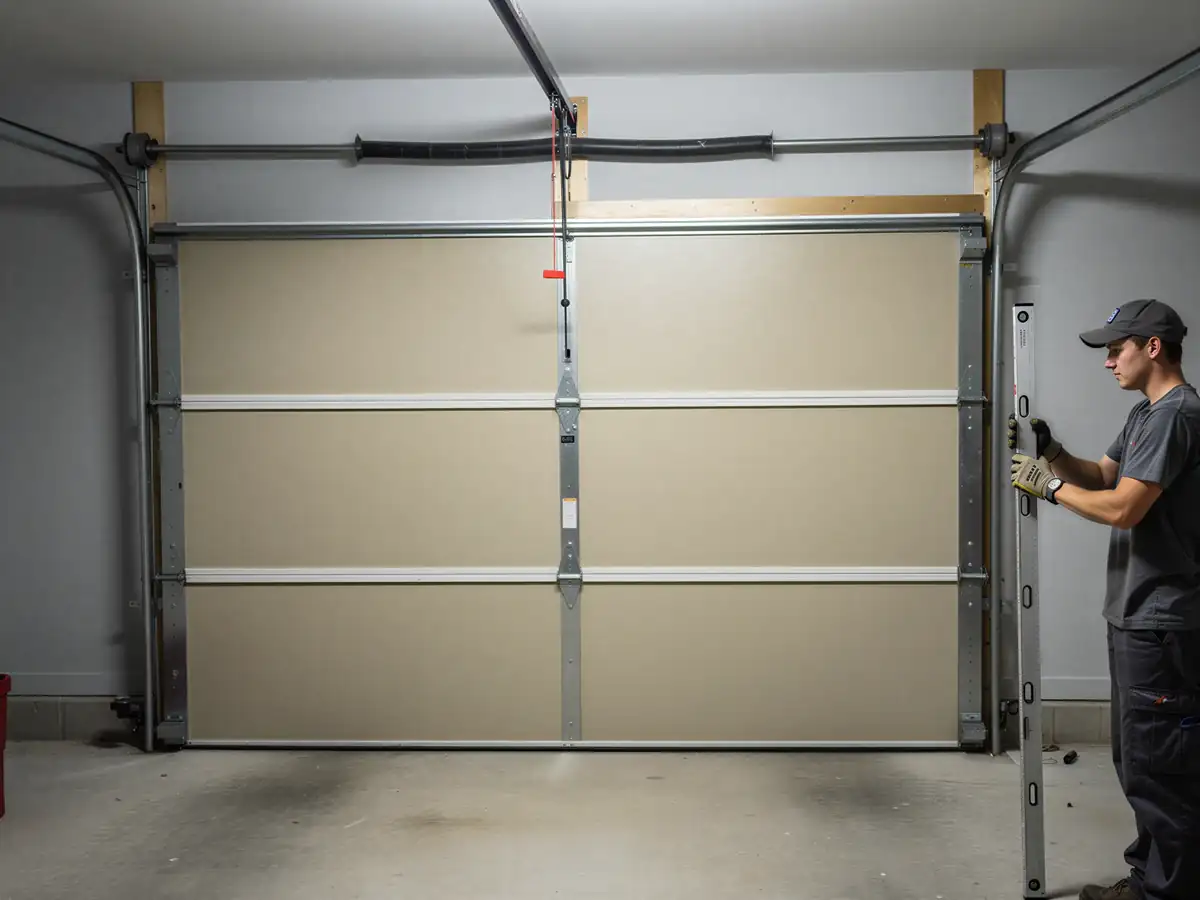
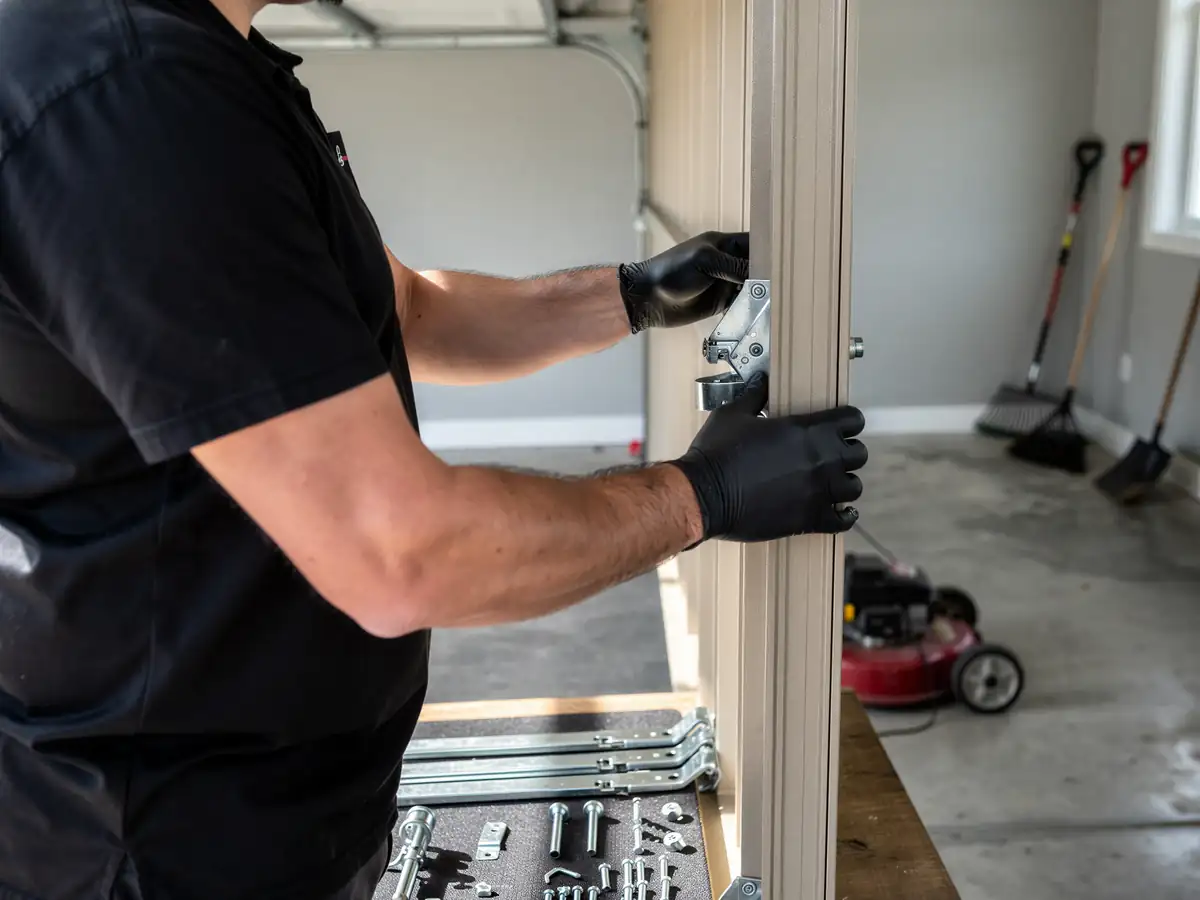
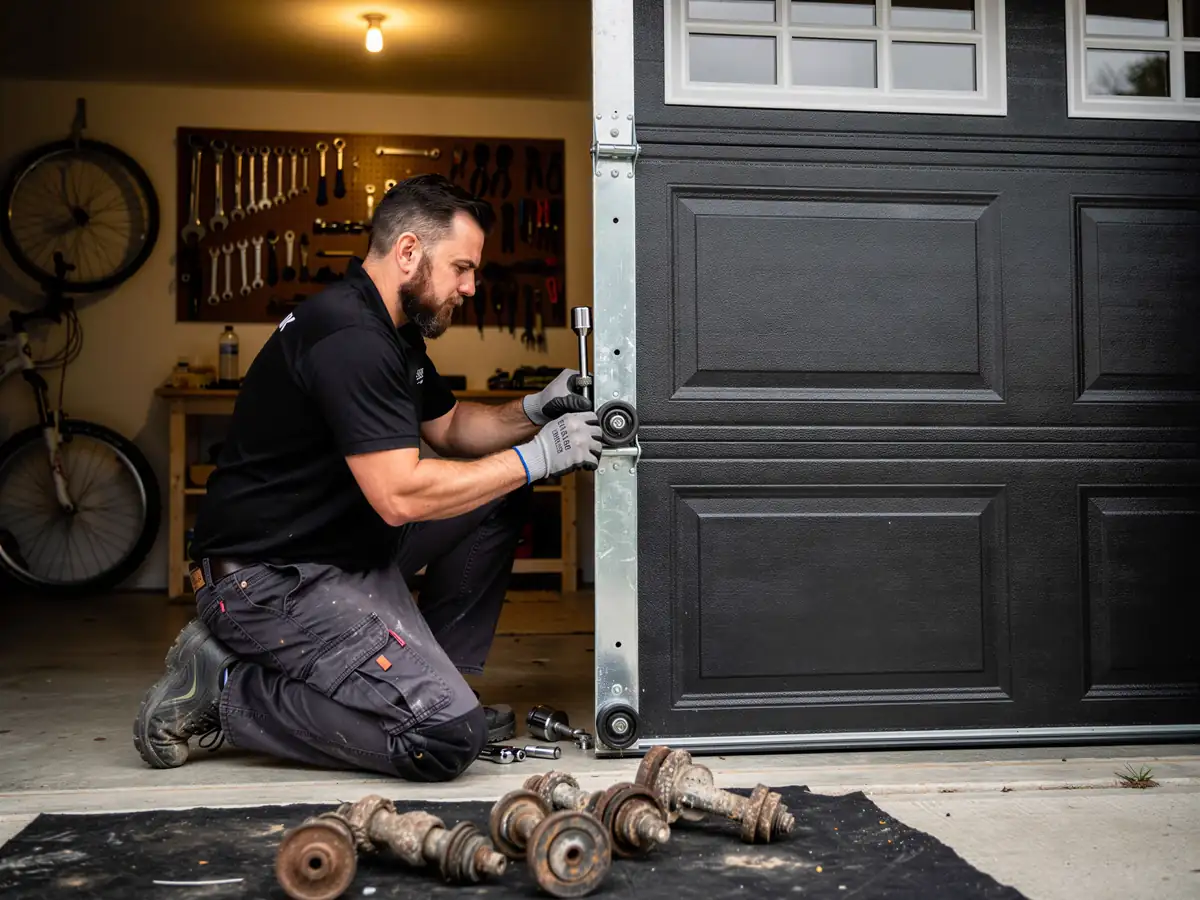
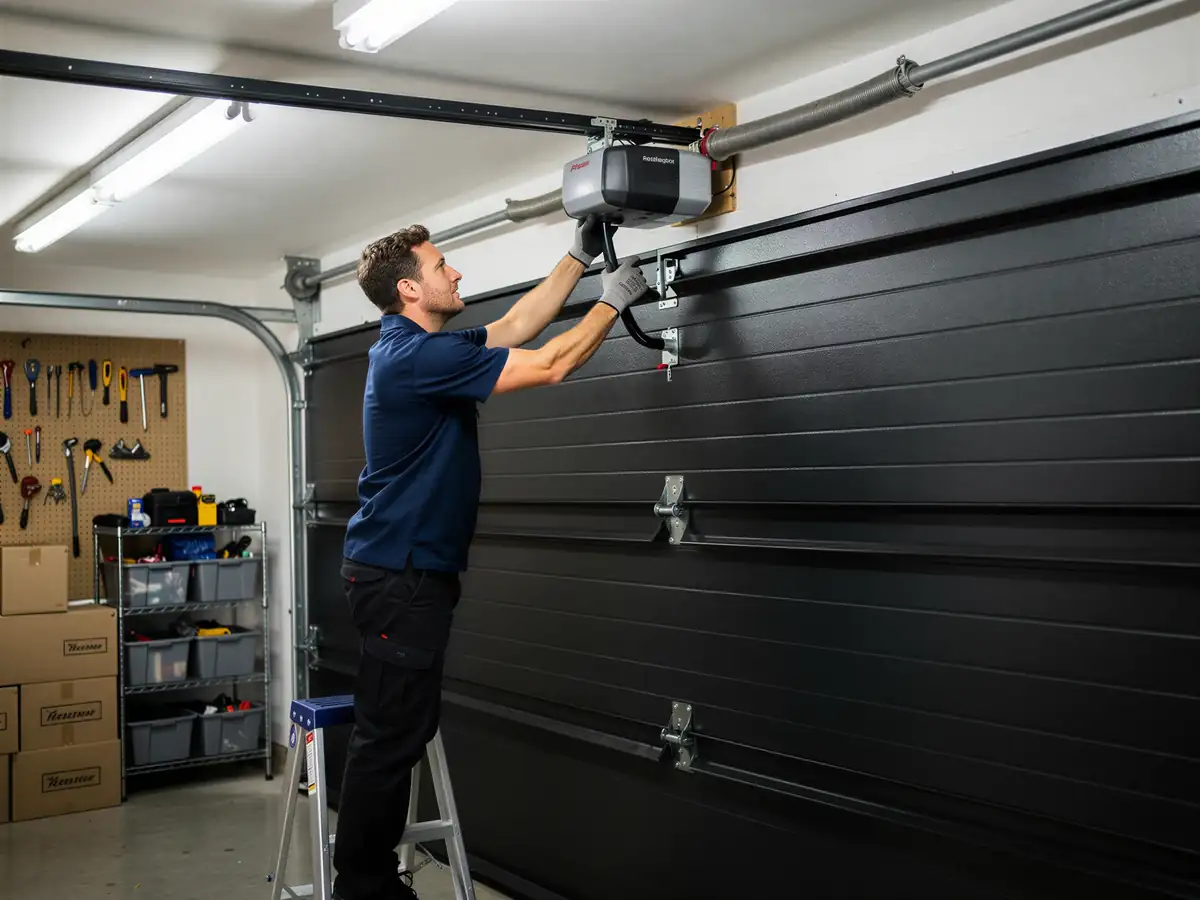
We start by checking the door panel's weight and balance, since an opener fights a poorly balanced door every single cycle and burns out early. On the housing stock typical of this area, median year 1992, we're usually dealing with steel sectional doors on standard torsion or extension spring setups, not the older wood slab doors you see on the oldest part of the service territory. Installation means mounting the rail and header bracket to solid framing, setting travel limits so the door seats without over-driving the opener, wiring the wall control and safety sensors at the code height, and running the door through a full open-close cycle under load before we call it done. If the existing track or hinges are worn, we'll say so before we install anything, because bolting a new opener to a tired door just moves the complaint from the opener to the track six months later.
The Symptom
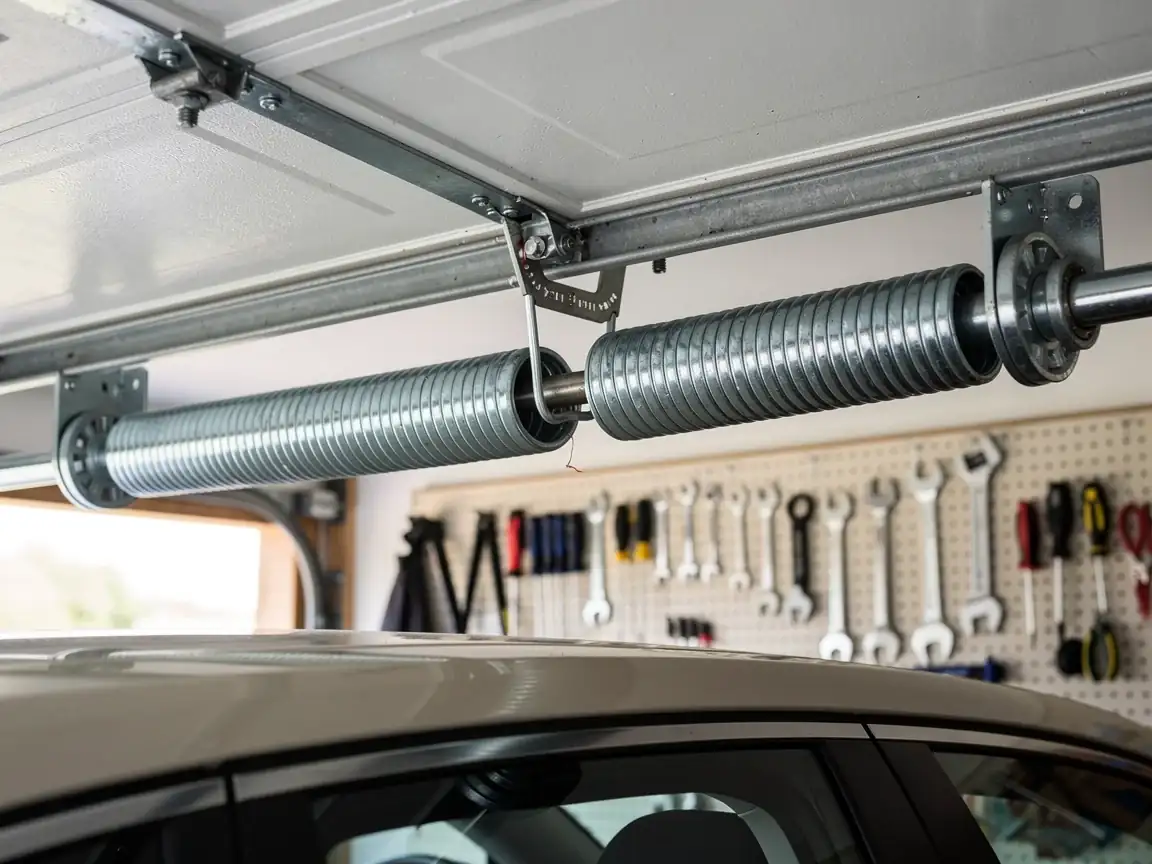
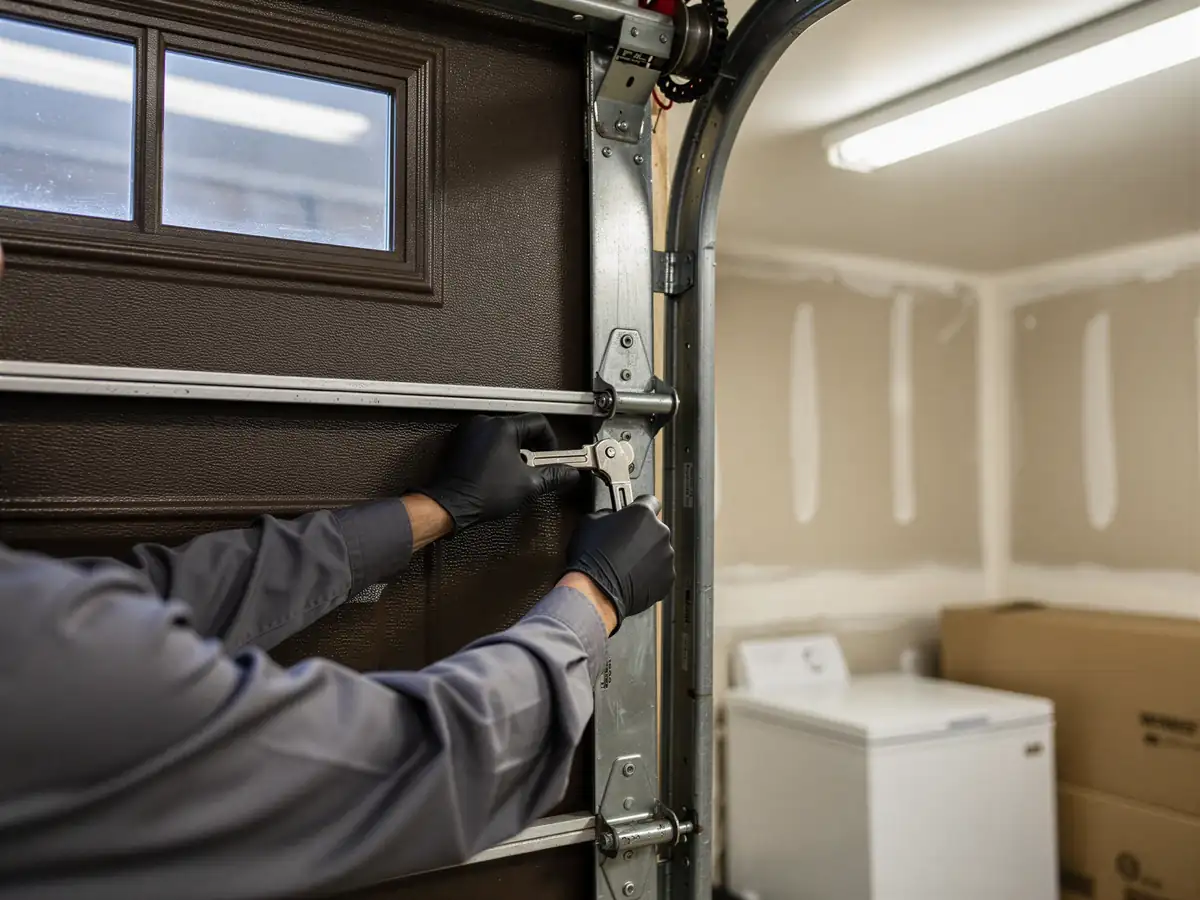
The usual call here isn't a dead opener, it's one that runs but doesn't finish the job: it stalls partway up, reverses on its own, or grinds and strains to close. On doors from this era that's often the opener aging out before the door itself does, since household budgets here, with median income a bit above the rest of the service area, tend to favor replacing the opener on schedule rather than running it until it quits outright. A chain or belt that's stretched, a gear set worn smooth inside the housing, or a capacitor on its way out all show up as the same vague symptom to the homeowner: the door just doesn't feel right anymore. We check the door's balance and the track alignment first, because an opener straining against a bad spring or a bent track will burn out again even after a clean install.