Why This Fails Locally
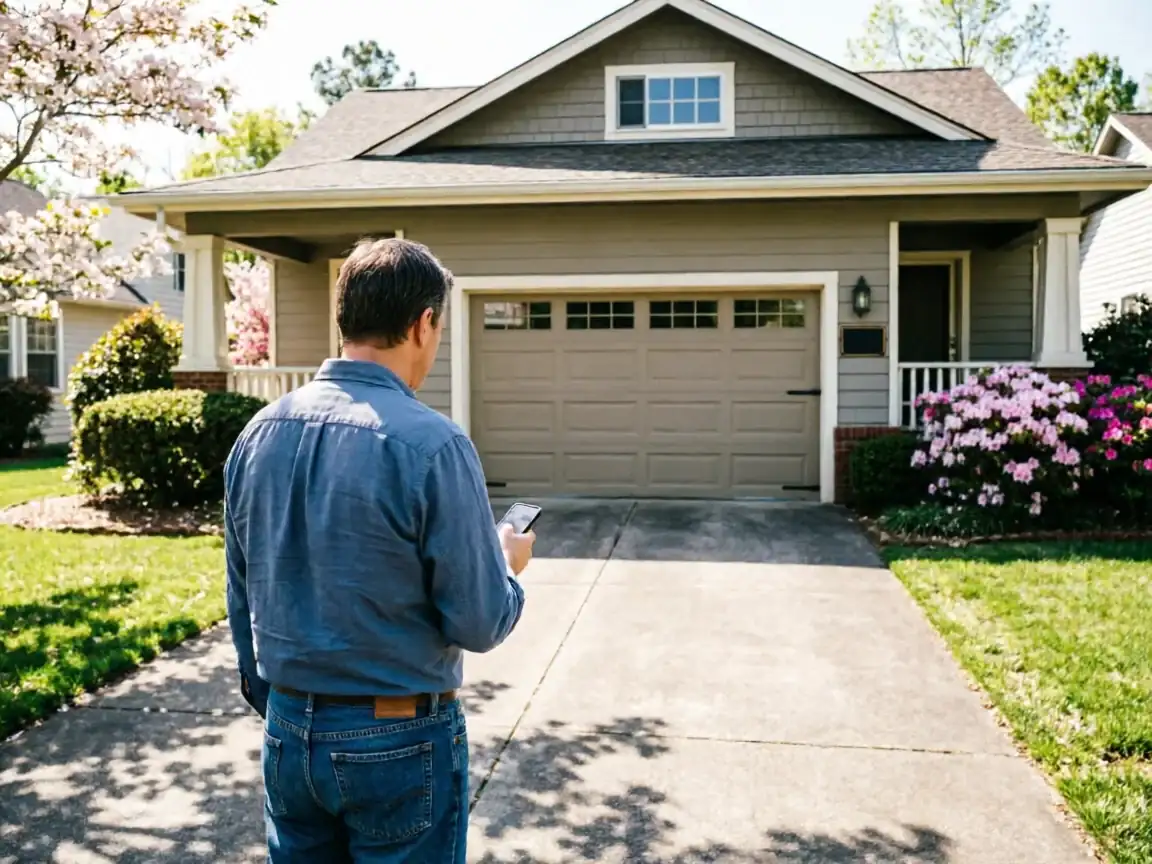
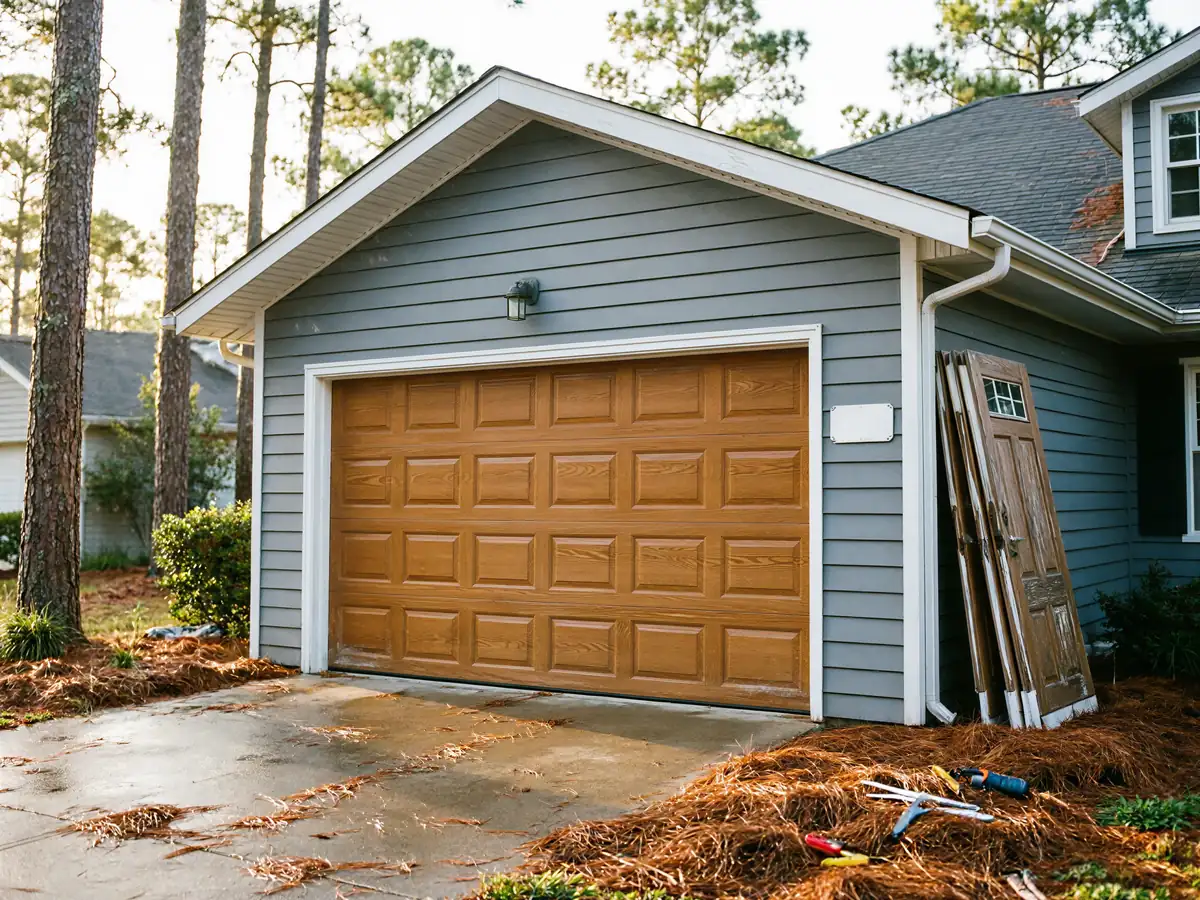
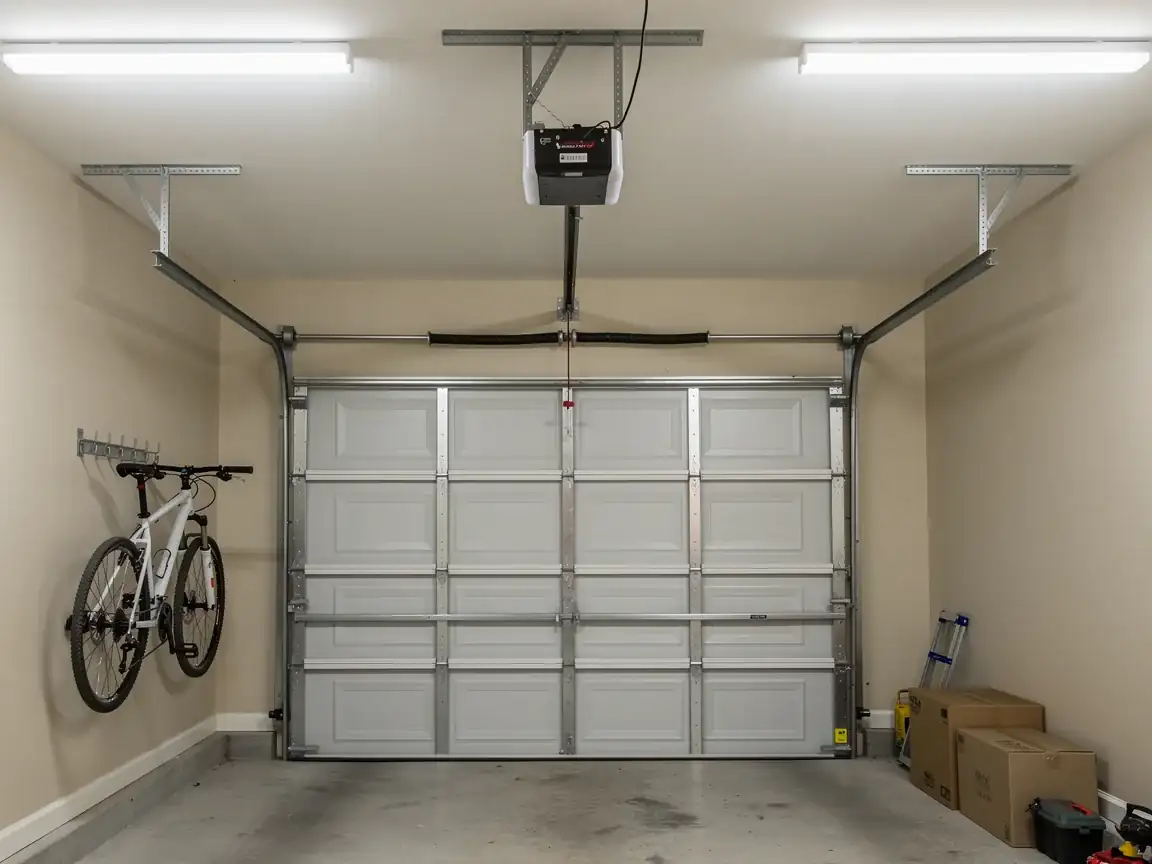
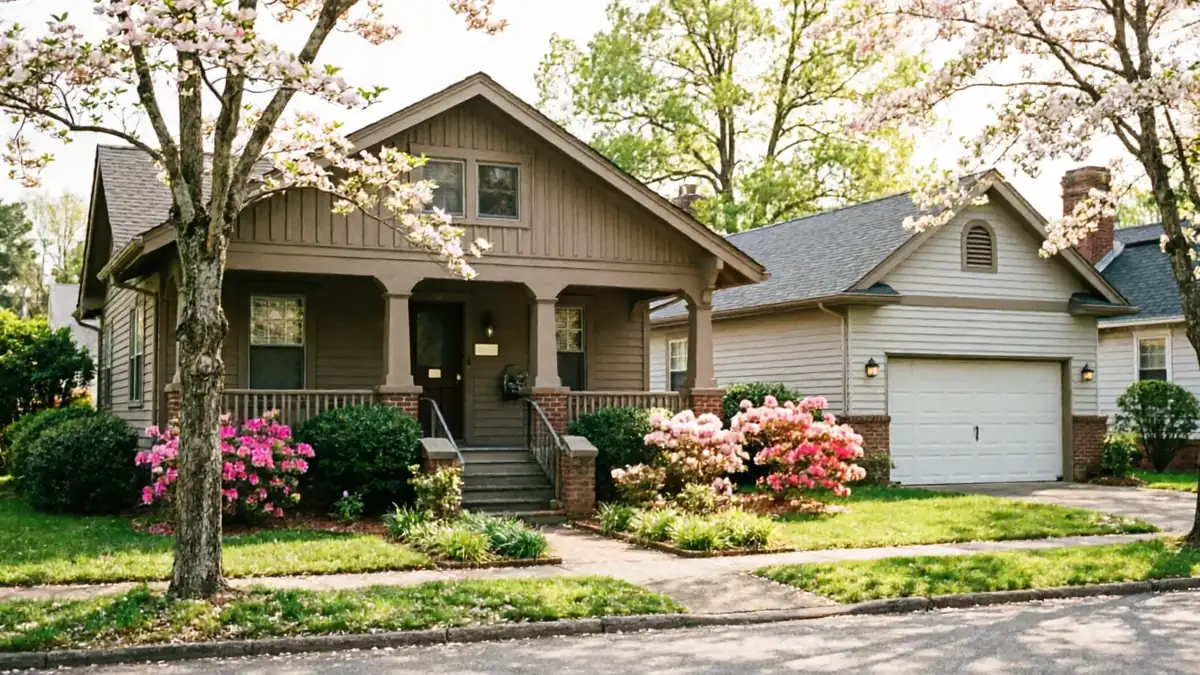
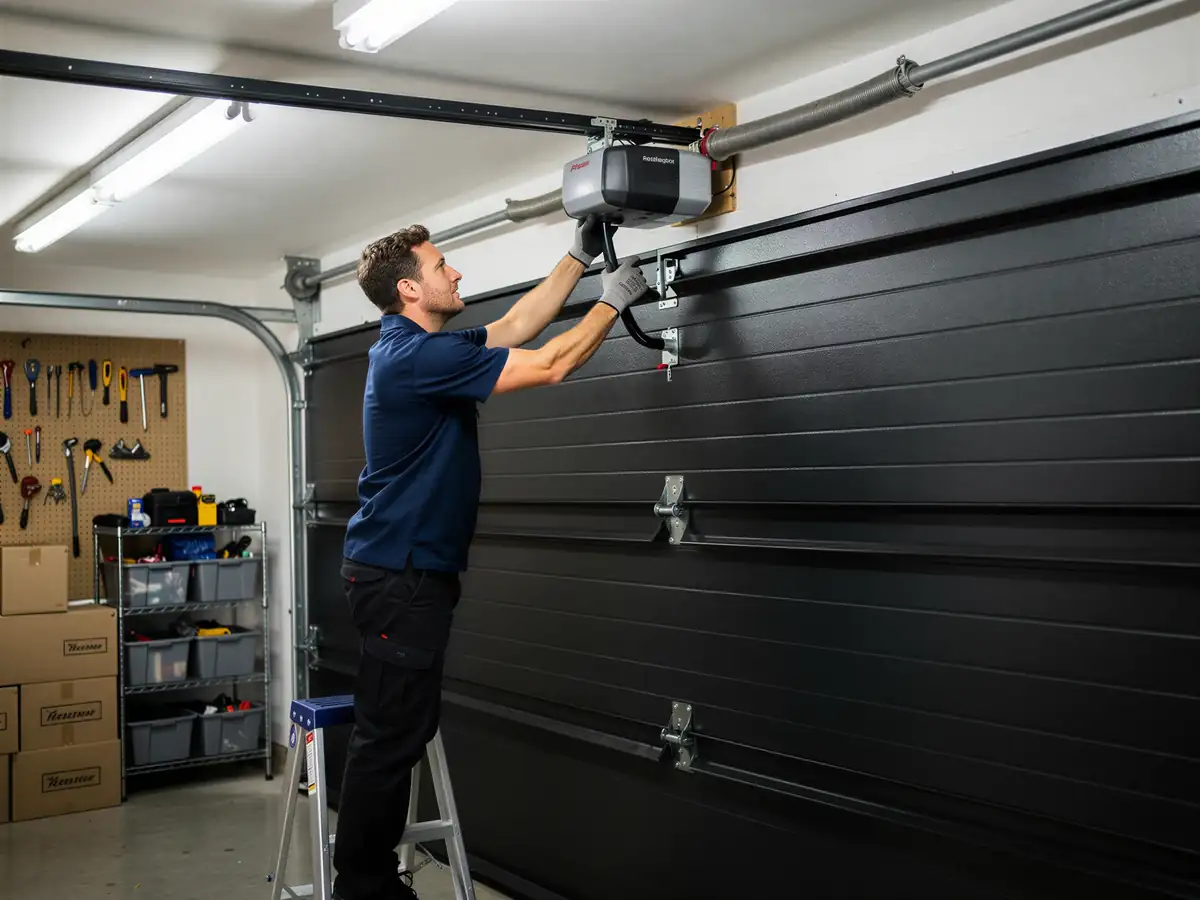
Most of the openers we pull out in Tuscaloosa went in with the house, and the house tells you a lot. Housing across this service area mostly dates from 1964 to 2004, with the median build year sitting around 1994, and the bulk of that stock clustered in the 1980s and 90s across the eight-plus pockets we work. That means a huge share of openers still running today are original chain-drive units from that era, or a first replacement installed sometime in the 2000s before belt drives and rolling-code remotes were standard.
Tuscaloosa sits in a mild climate band that still gets the occasional freeze. That swing matters more than people think. Plastic gear sets in older opener heads get brittle with age, and a freeze-thaw cycle is exactly what finishes off a gear that's already worn thin from twenty-plus years of daily cycles. Circuit boards in those same units pick up corrosion from humidity swings over that many seasons, which is why you'll see a unit run fine for years and then start skipping signals or tripping the safety reversal for no obvious reason. It isn't one bad part failing - it's an old motor and an old board both running out of road at the same time.
The Cost of This Job
We can't quote a number here without seeing the door and the opener it's replacing
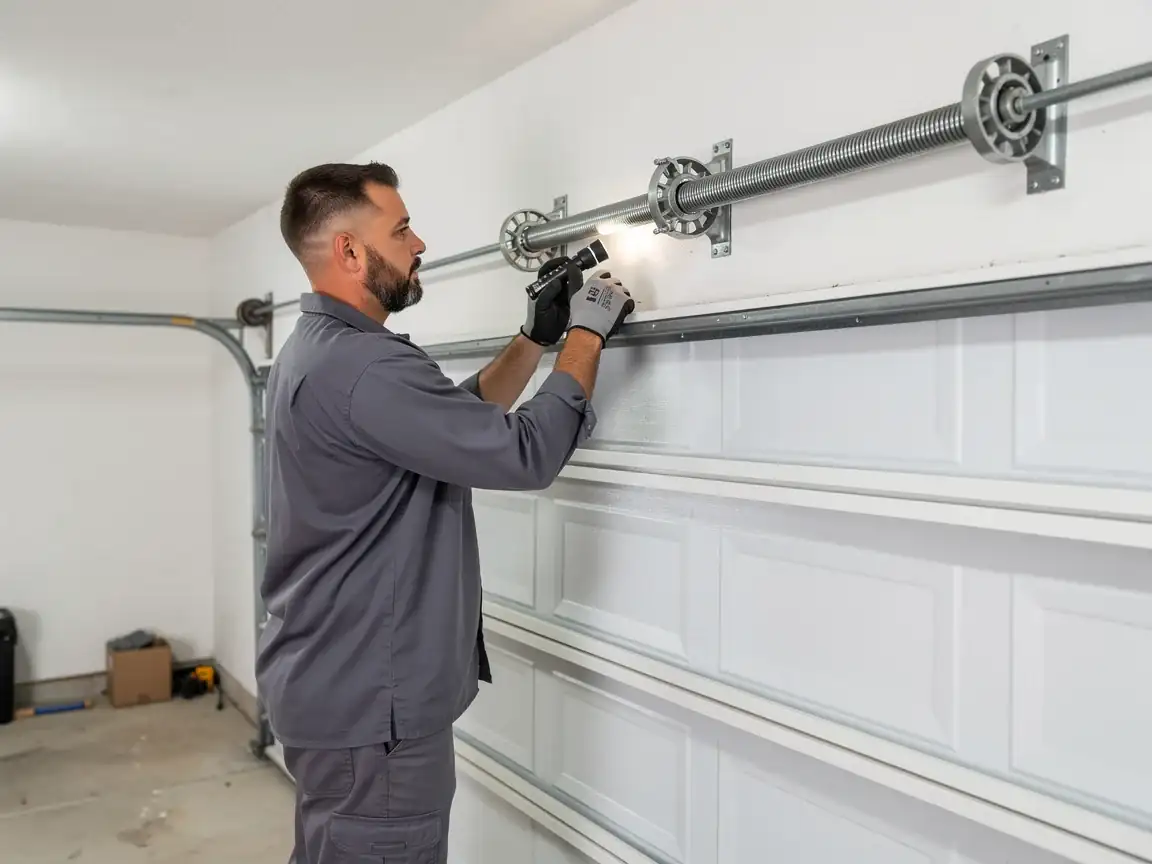
So we won't pretend otherwise - that's the honest limit of a page like this. What we can tell you is what moves the price around once we're on site. A house built in the 1980s or 90s often still has the original bracket and header setup, which sometimes needs an adapter plate for a modern opener. Older wiring to the wall control and the safety sensors isn't always up to running a newer unit's logic board, so that can mean a partial rewire rather than a straight swap.
The other big factor is what the household actually wants out of the unit
A basic chain drive is a different job than a belt drive with battery backup and a smart-home tie-in. With 9,549 owner-occupied houses across the service area and a median household income of $73,292, we see a wide mix of both - people replacing a dead unit with the same class of opener, and people upgrading to quieter, smarter gear while they're at it. Either way, we price it after we've looked at the door, not before.
- 9,549 owner-occupied
- $73,292 median household income
Getting It Booked In
We cover the full service area out of Tuscaloosa - Holt, Northport, and Cottondale are all close in, and we also get out to Coker, Coaling, Brookwood, Moundville, Vance on a regular basis. Owners as far out as Moundville, 17 miles south, and Vance, 18 miles west, call in on the same opener problems as the ones a few minutes from downtown - it's the same housing era and the same climate doing the same thing to the same parts.
When you call, tell us what the opener is doing and roughly how old it is if you know it. That's usually enough for us to bring the right unit on the truck instead of making two trips. If you're not sure whether you want a straight swap or an upgrade, that's a fine thing to figure out with us on site - we'll walk the door and the wiring with you before we commit to a unit. For anything else we handle beyond openers, the home page has the full list.
The Symptom
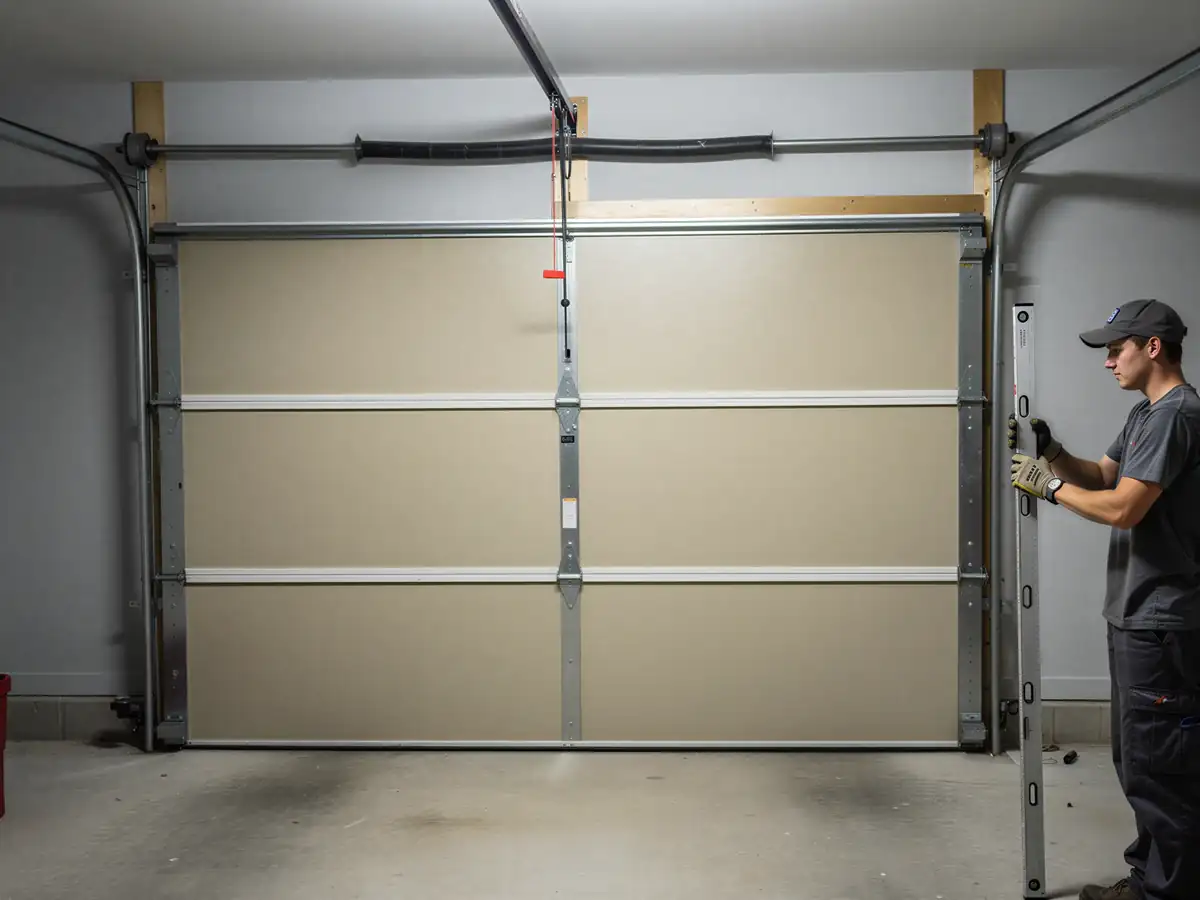
The calls usually start the same handful of ways. The door hesitates partway up, or it reverses right before it hits the floor for no reason anyone can see. The remote works from the driveway but not from the street, or it's gone from reliable to hit-or-miss over a few weeks. Sometimes it's a grinding or slapping noise from the head unit itself - that's often a stripped gear, which on a chain-drive unit from the 80s or 90s is a part nobody stocks for the original brand anymore.
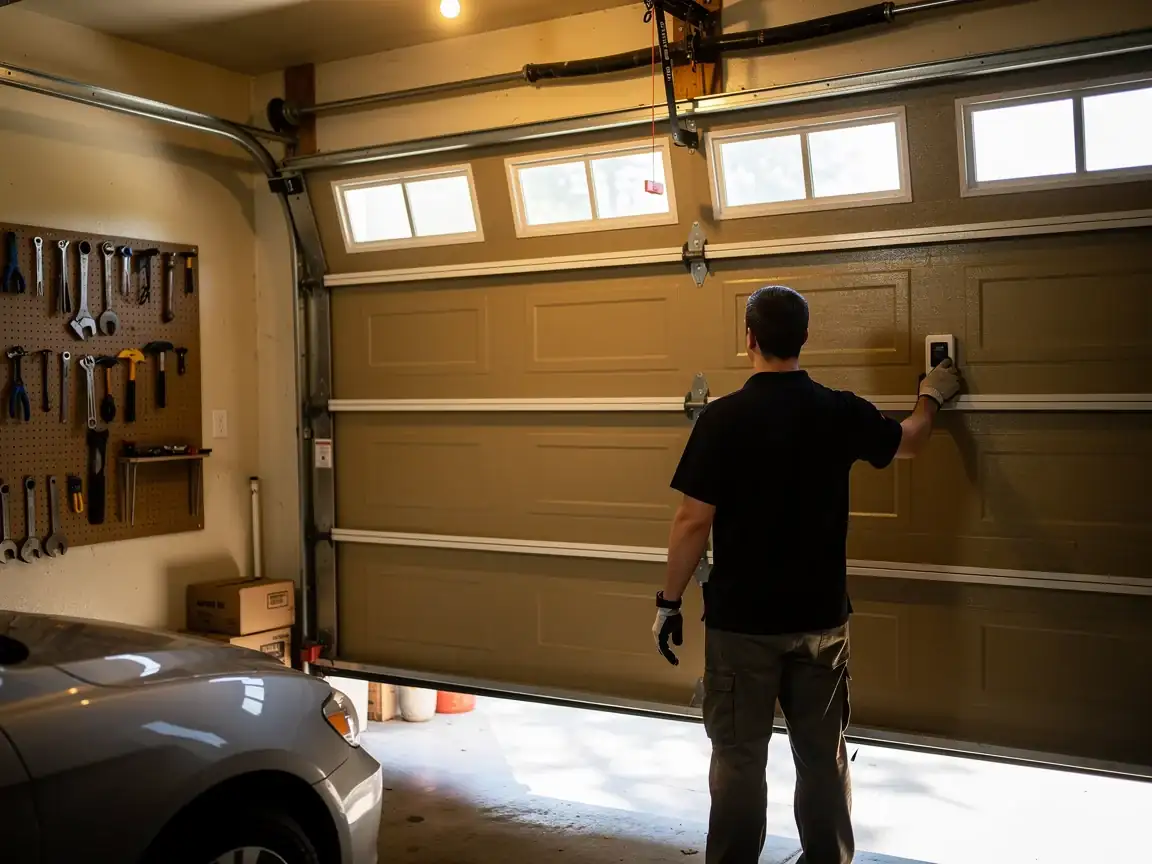
Other times it's quieter: the opener runs, the light comes on, but the door just doesn't move, or it moves a few inches and stops. That's frequently a logic board that's taken enough humidity and temperature swings over the years that it's no longer reading the safety sensors correctly, even though the sensors themselves are fine. None of these symptoms mean the springs or cables are bad - that's a different job - but they do mean the opener itself, not the door, is what's failing, and on a unit that old, patching it usually buys you a few months at best.