Why This Fails Locally
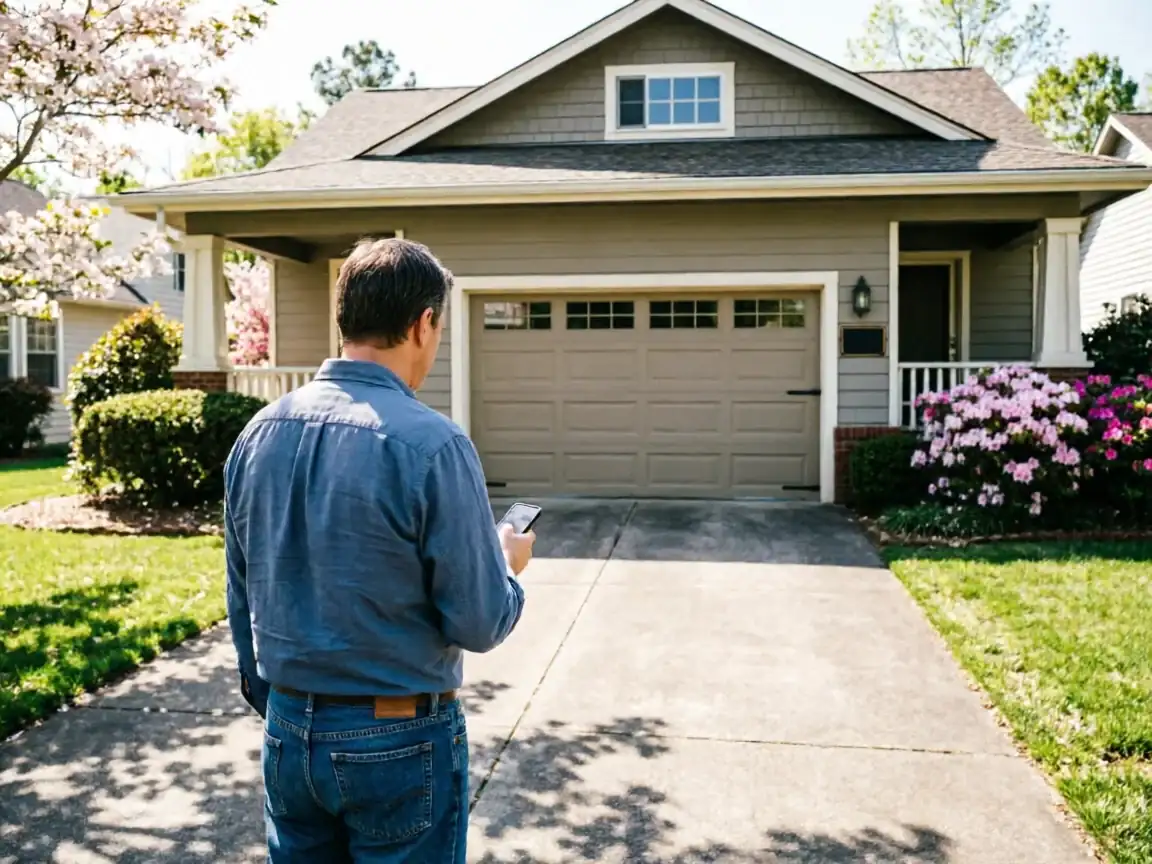
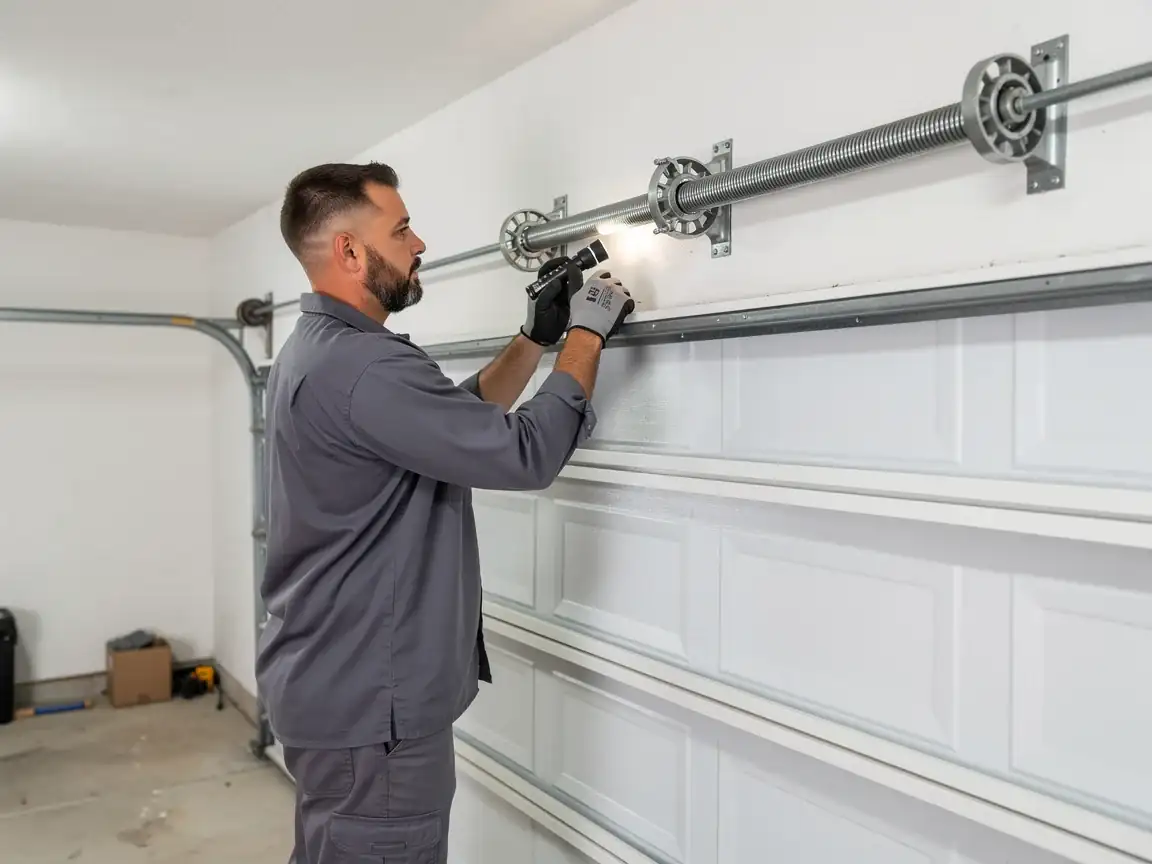
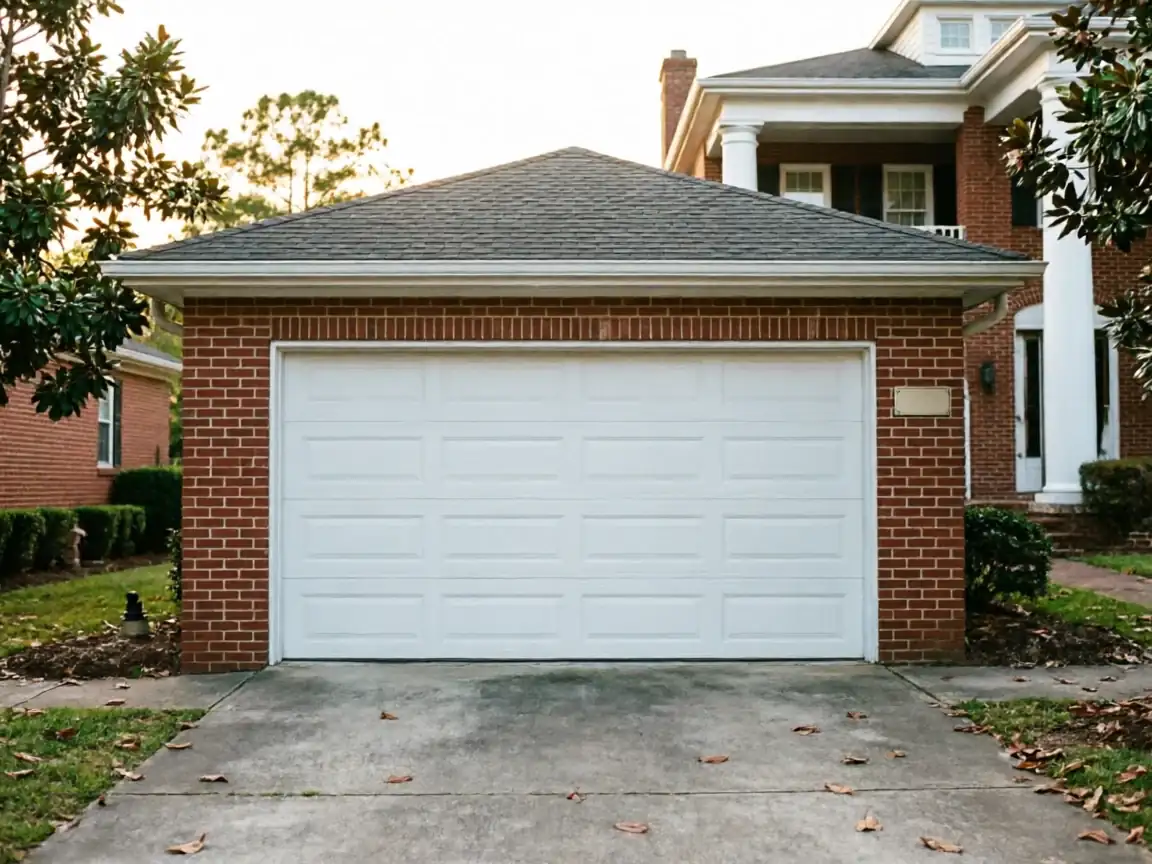
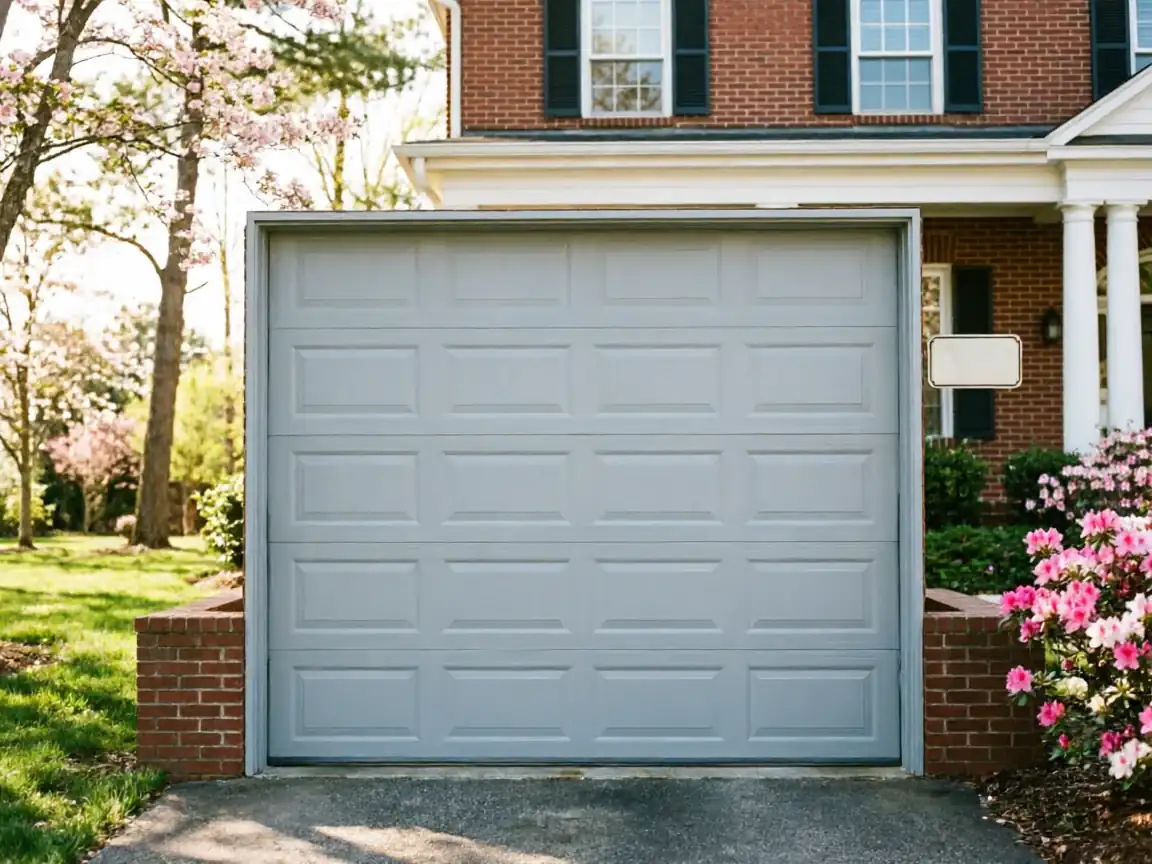
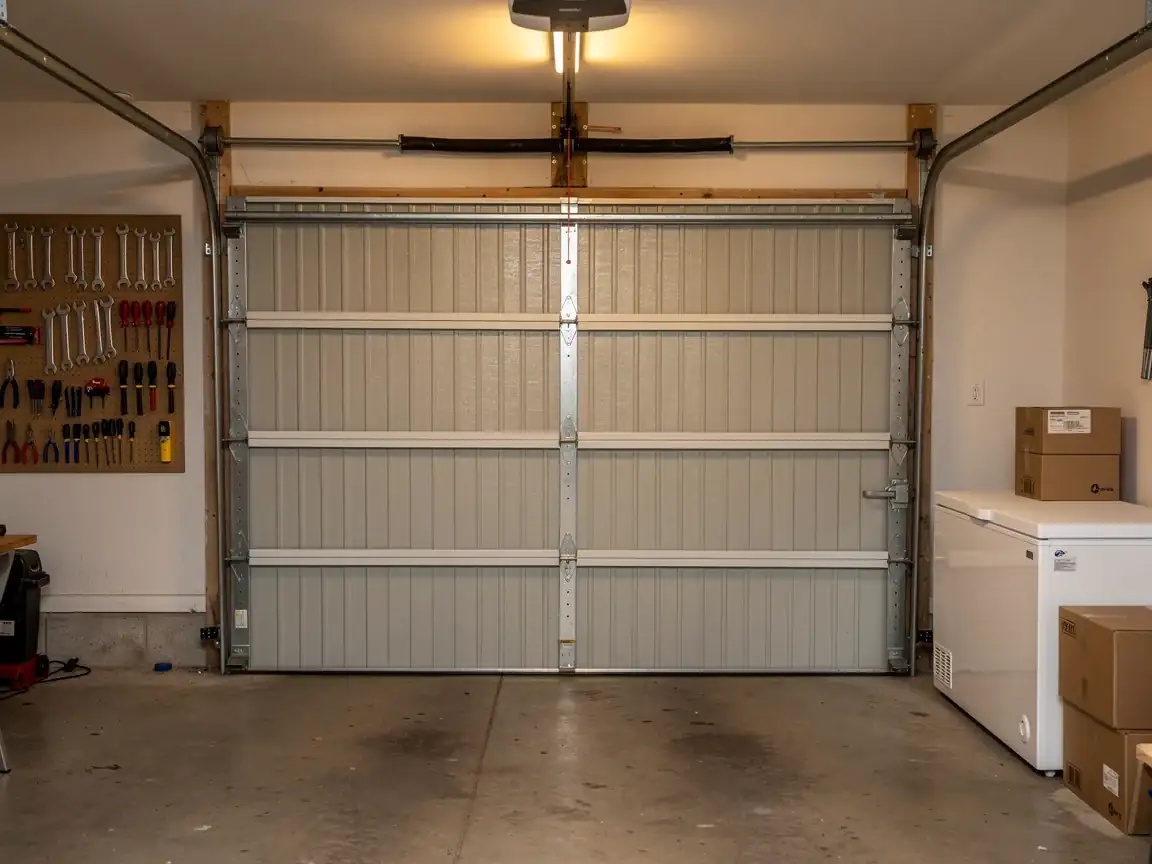
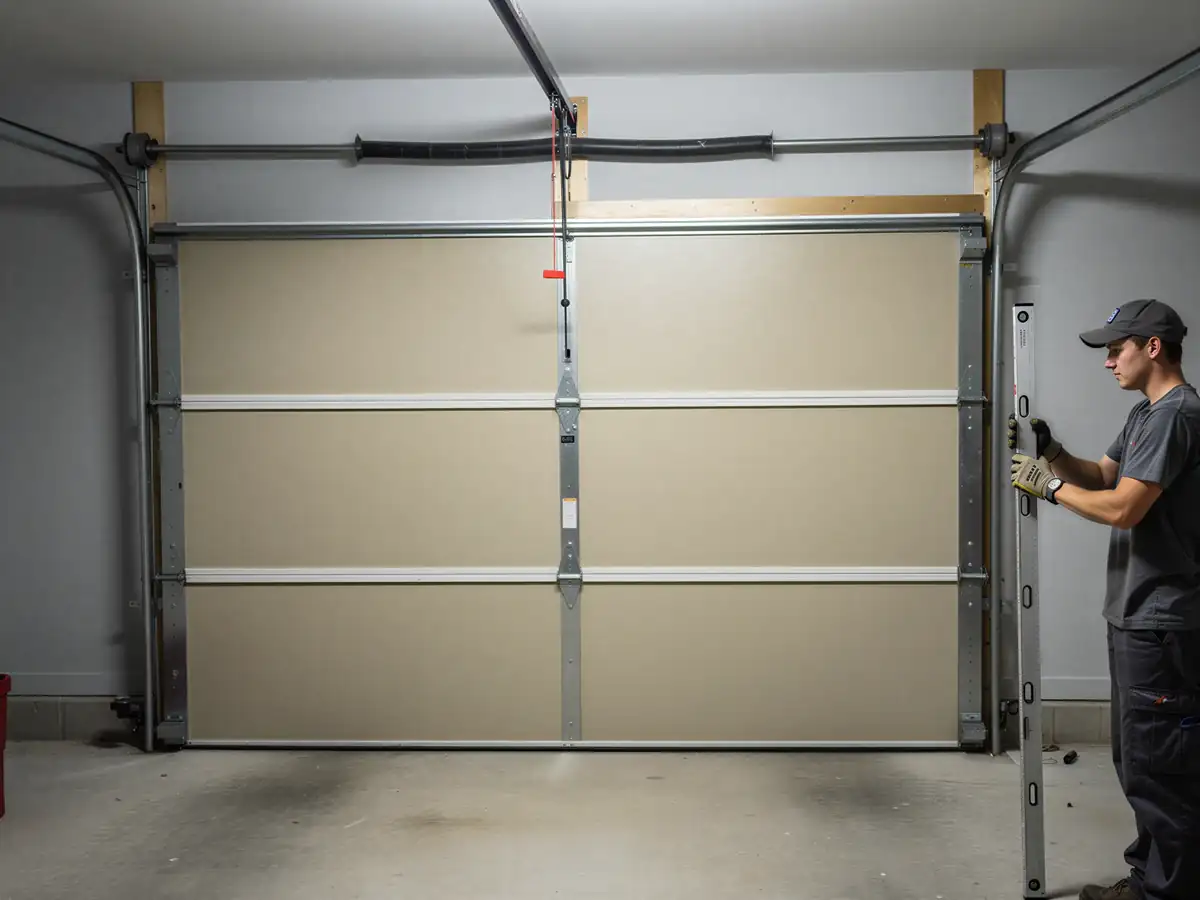
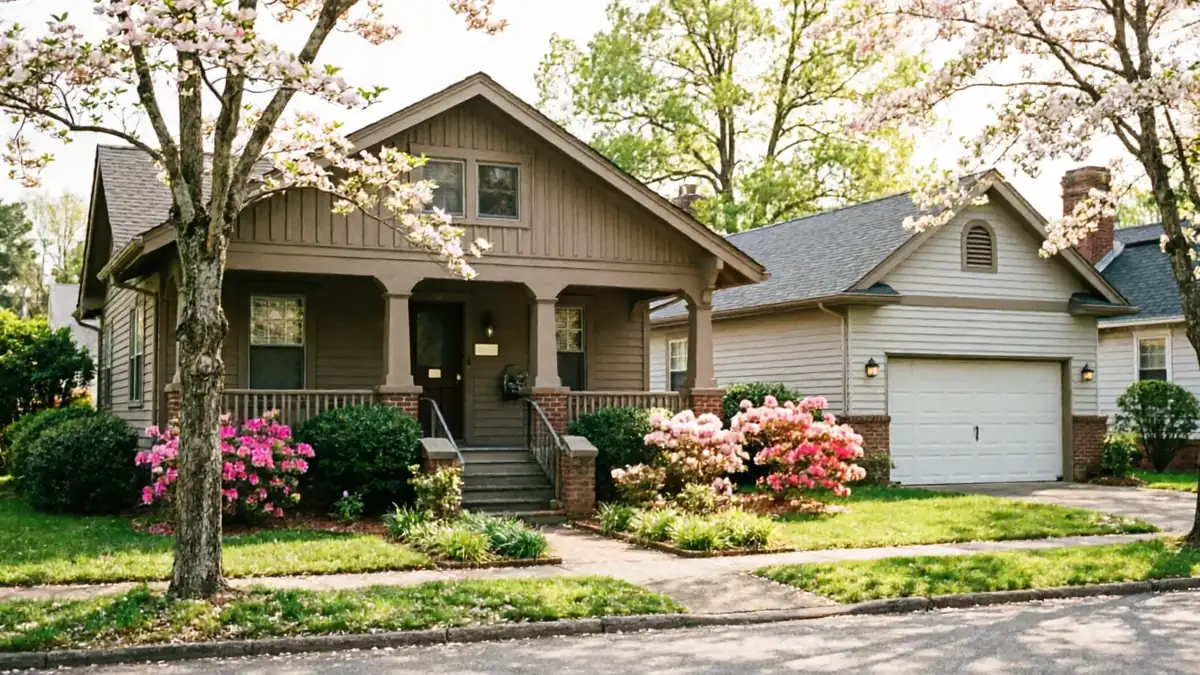
Most houses across Tuscaloosa went up between 1964 and 2004, with the bulk of that stock dating to the 1980s and 90s across the eight areas we work in. That matters for installation because doors from that era were built to openings and track specs that have since changed twice over. When a door from that period finally gives out, the replacement rarely slides into the old frame without adjustment to the track, the header, or the jamb. Tuscaloosa sits in a mild climate with occasional freeze nights, not the deep freeze-thaw cycle that wrecks doors up north, but that occasional freeze still stiffens old rubber seals and lubricant on original hardware, which is often what finally pushes a borderline door into full failure. We see this most on houses that still have their first door - the panel is fine, the opener is fine, but the bottom seal and the rollers are shot, and by then it's cheaper to replace the whole unit than to chase parts for a 30-year-old track system. A straight swap-in rarely works clean on a house this old. Expect the install to include some carpentry or track realignment, not just a new door hung on old rails.
Getting It Booked In
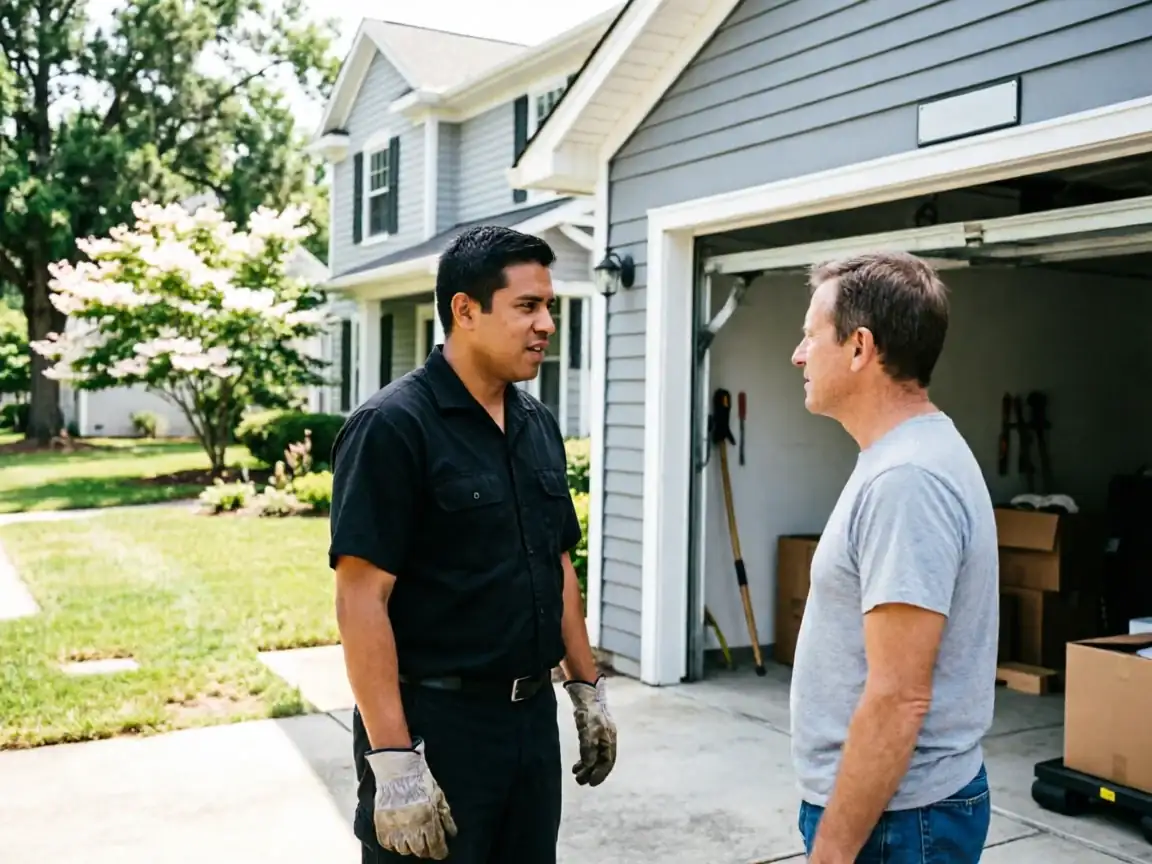
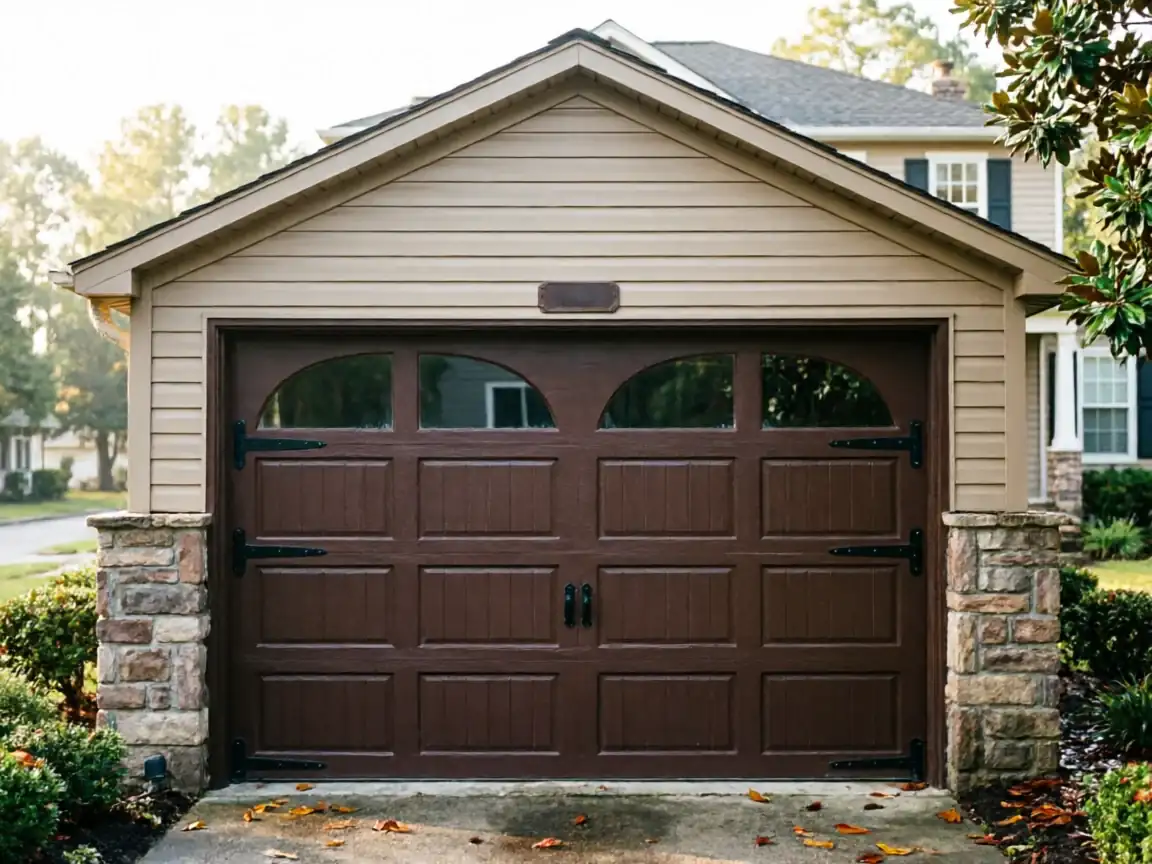
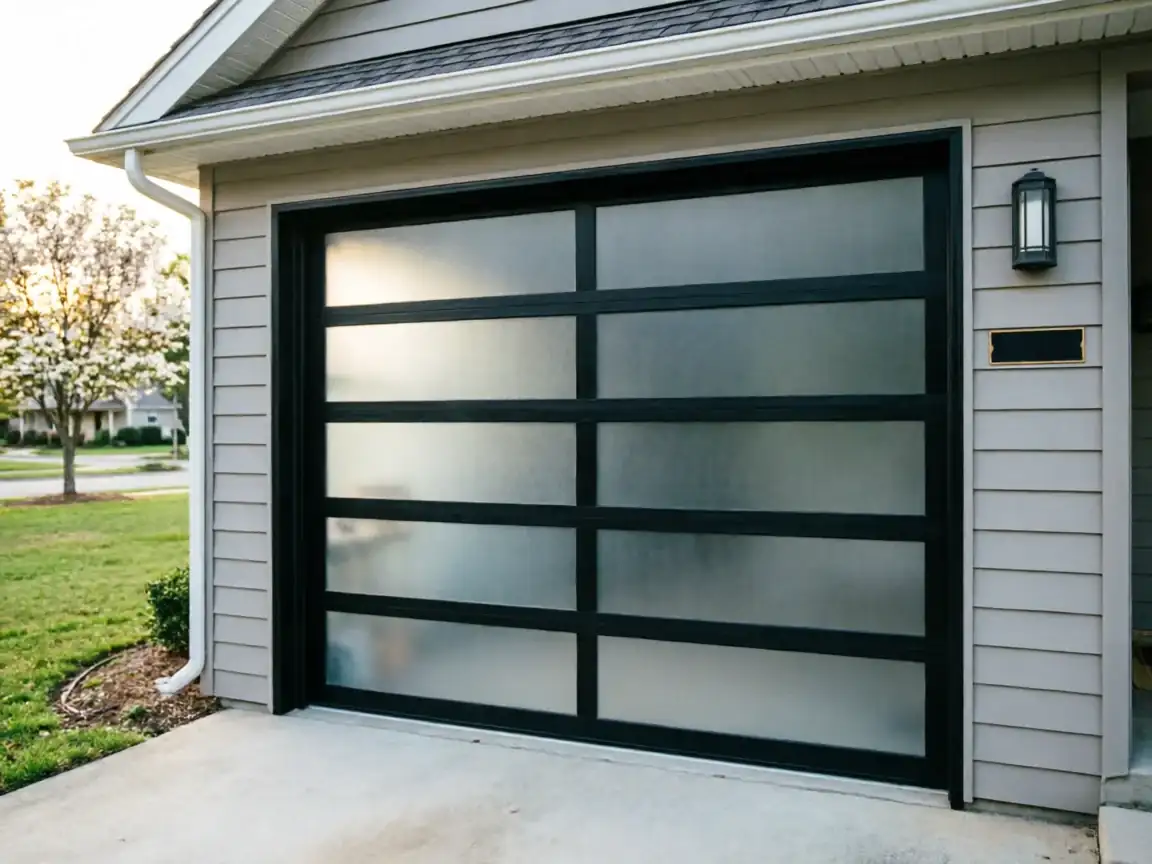
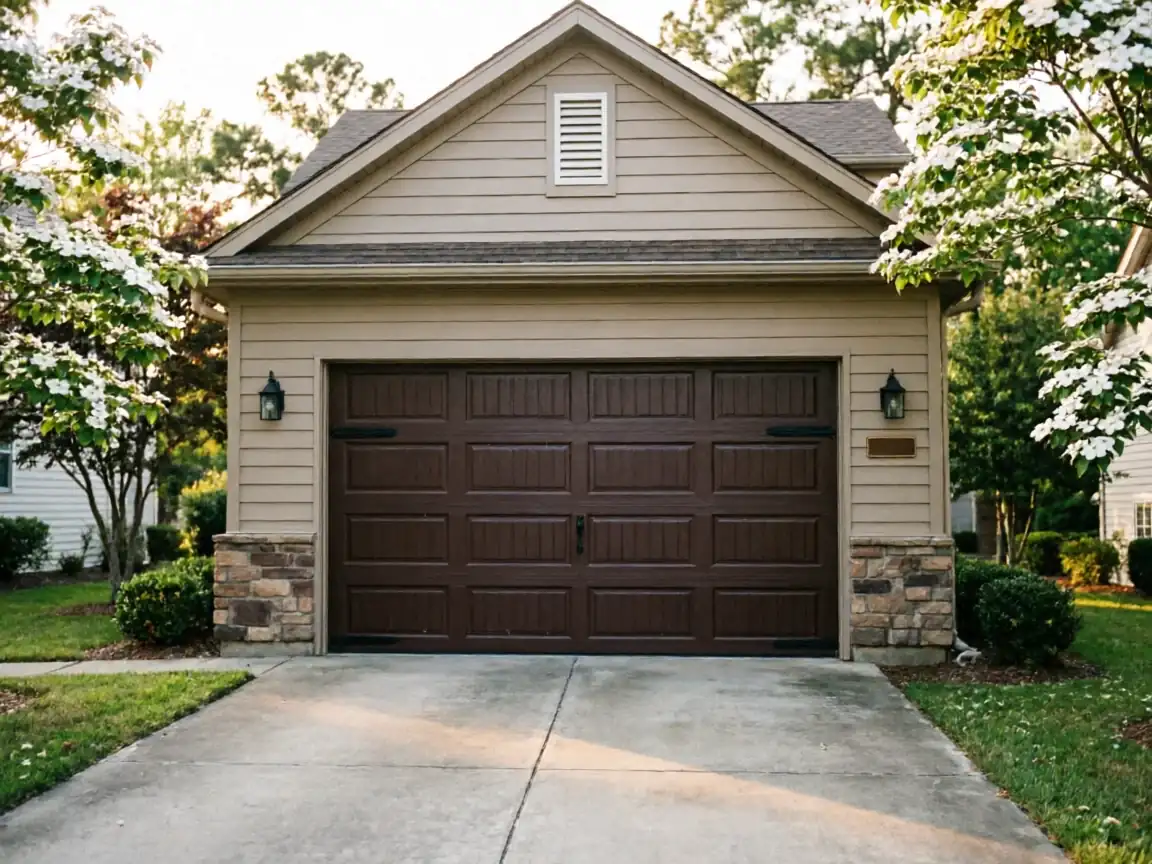
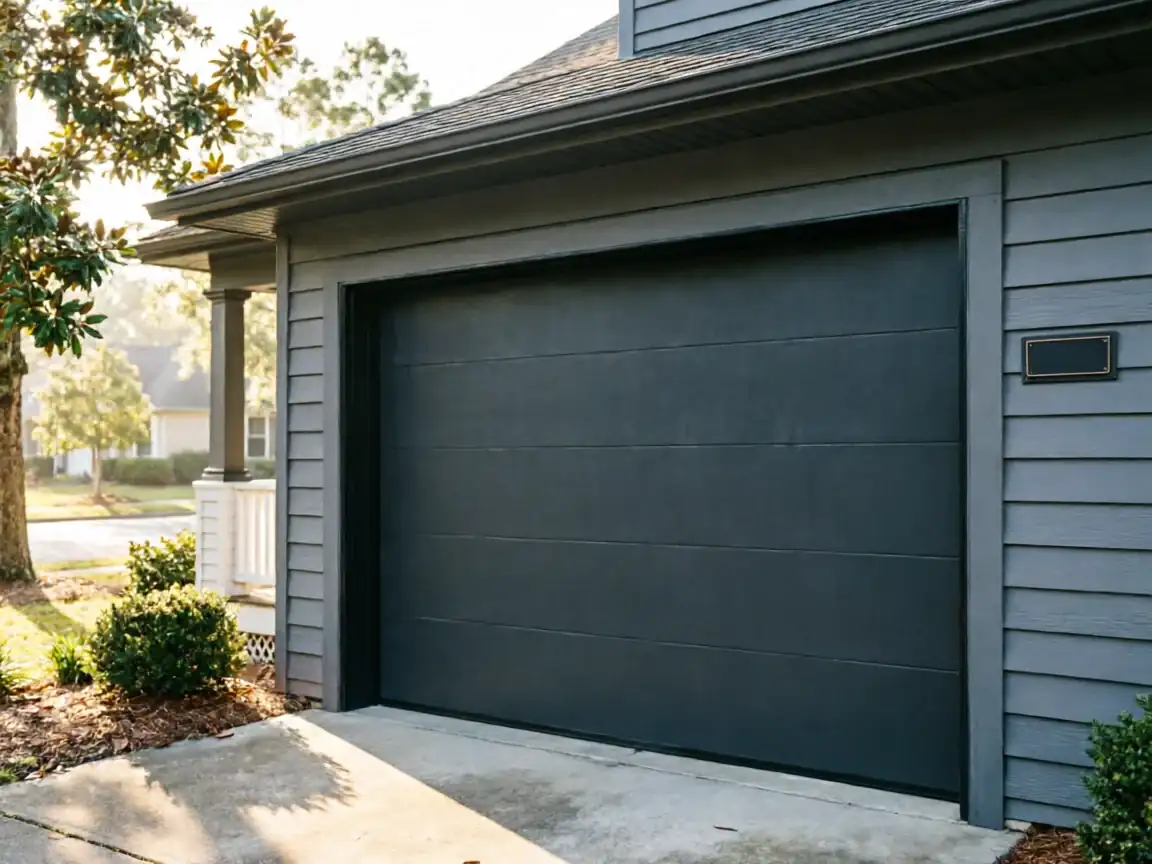
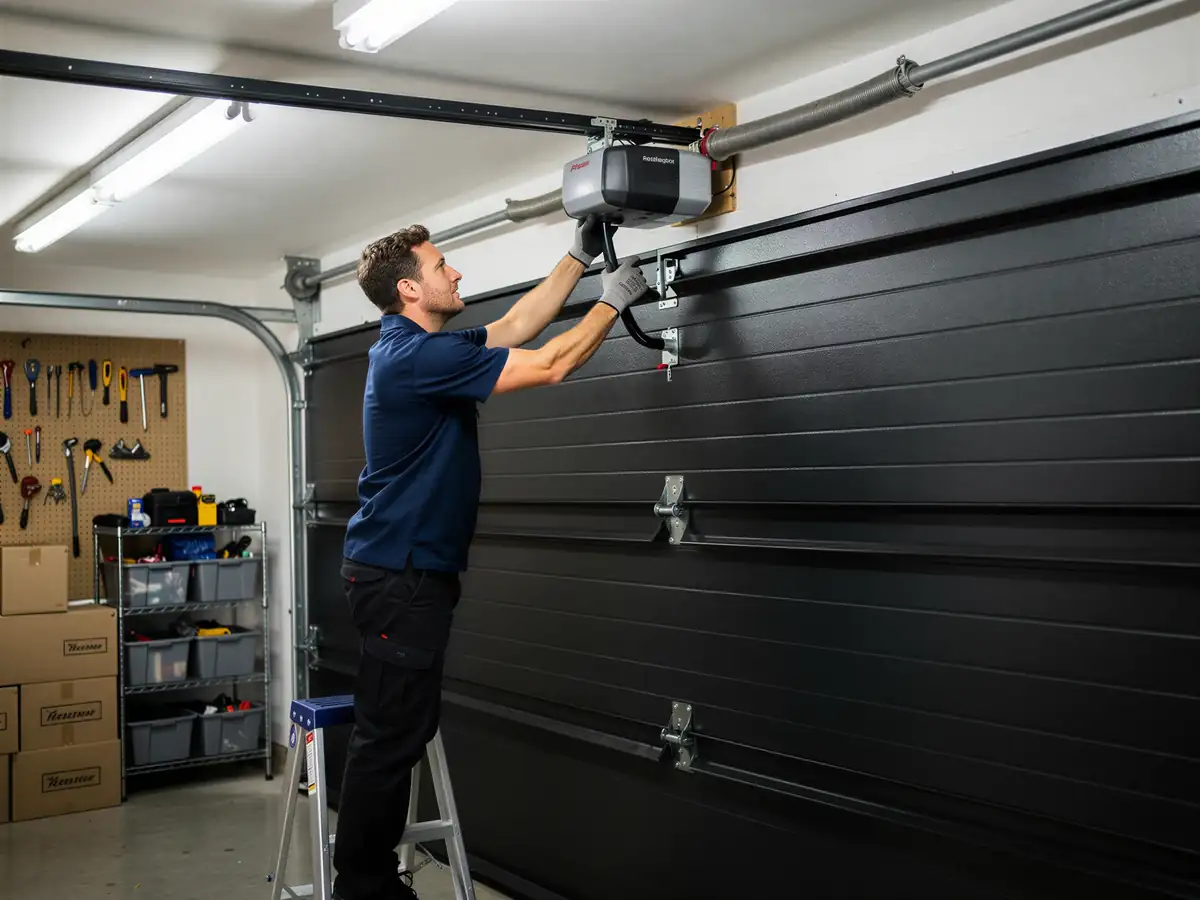
We cover Tuscaloosa and the surrounding area out to Holt, Northport, Cottondale, Coker, Coaling, Brookwood, Moundville, and Vance. Booking an install starts with a look at the opening - we need to see the track, the header, and the slab before we can give you a real number, not a phone guess. If you're near the city core the visit is quick to schedule; if you're further out toward Moundville or Vance we'll work the same visit into the day's route rather than making you wait on a separate trip. Once we've measured, we order the door to your opening rather than your house's age, since plenty of homes from the 1964-2004 build window have been reframed or resized by a previous owner and the old permit doesn't tell us much. Installation itself is usually a single day once material's on hand. The slower part is lead time on the door itself if you want a less common size or finish - we'll tell you that number when we quote, not after you've already picked a color.
The Symptom
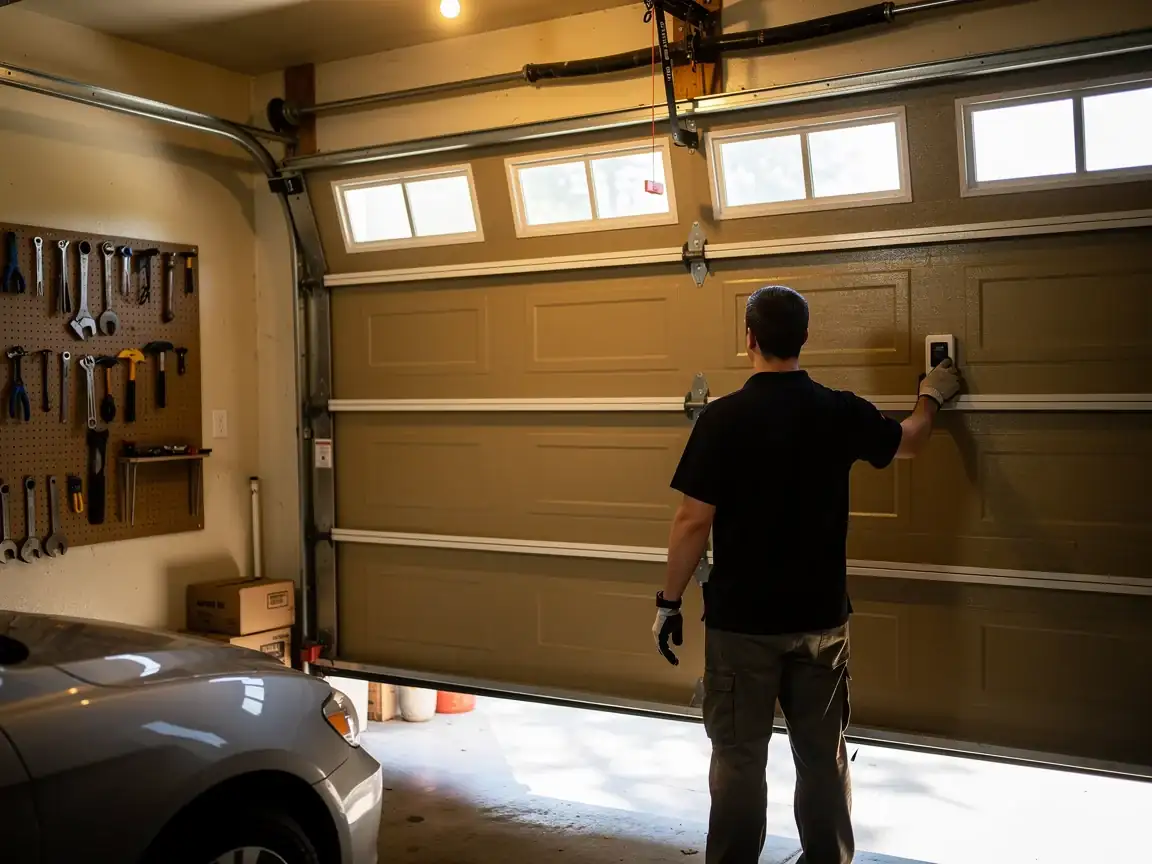
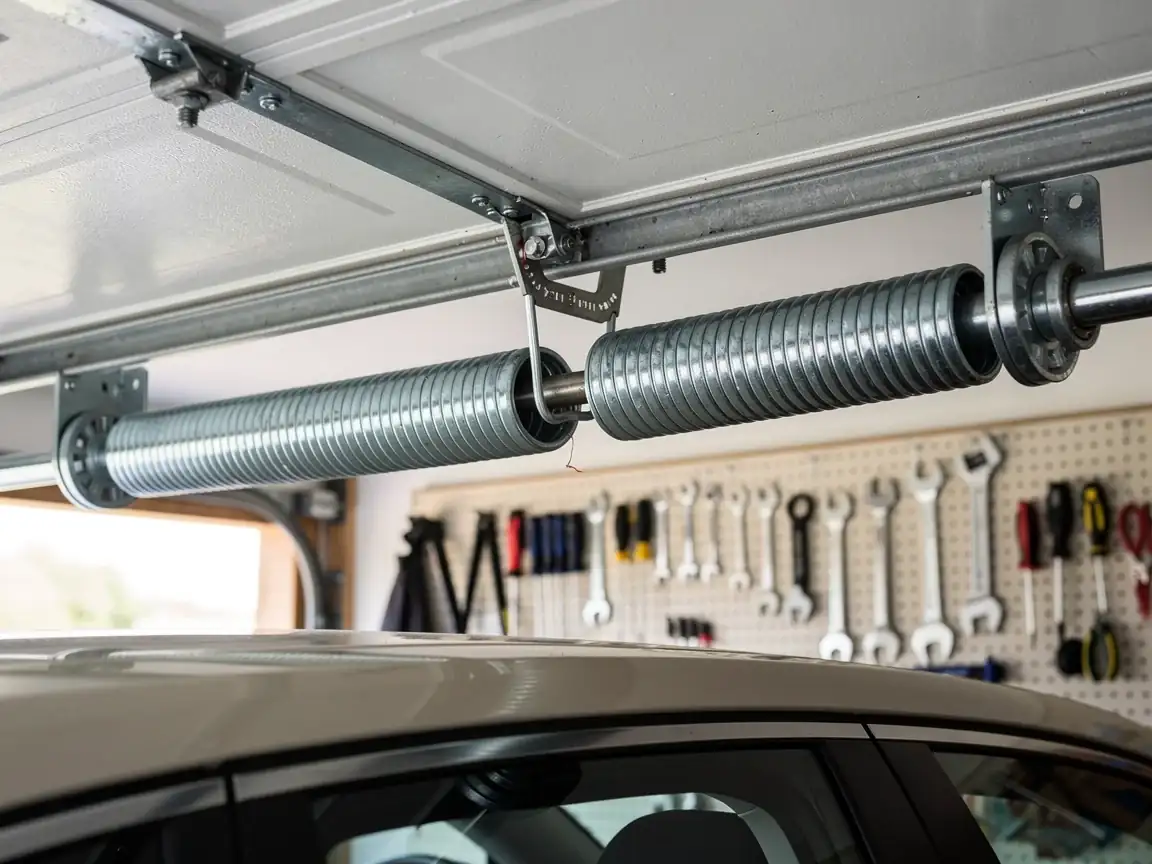
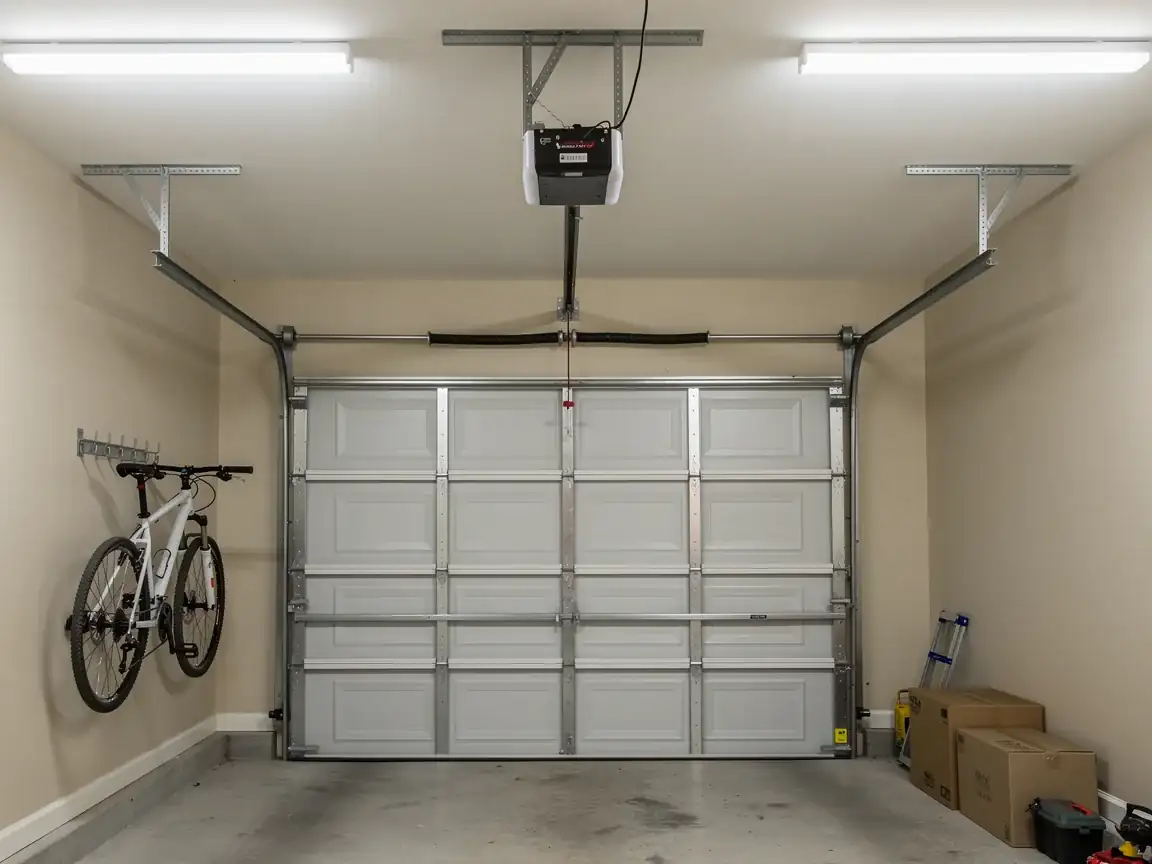
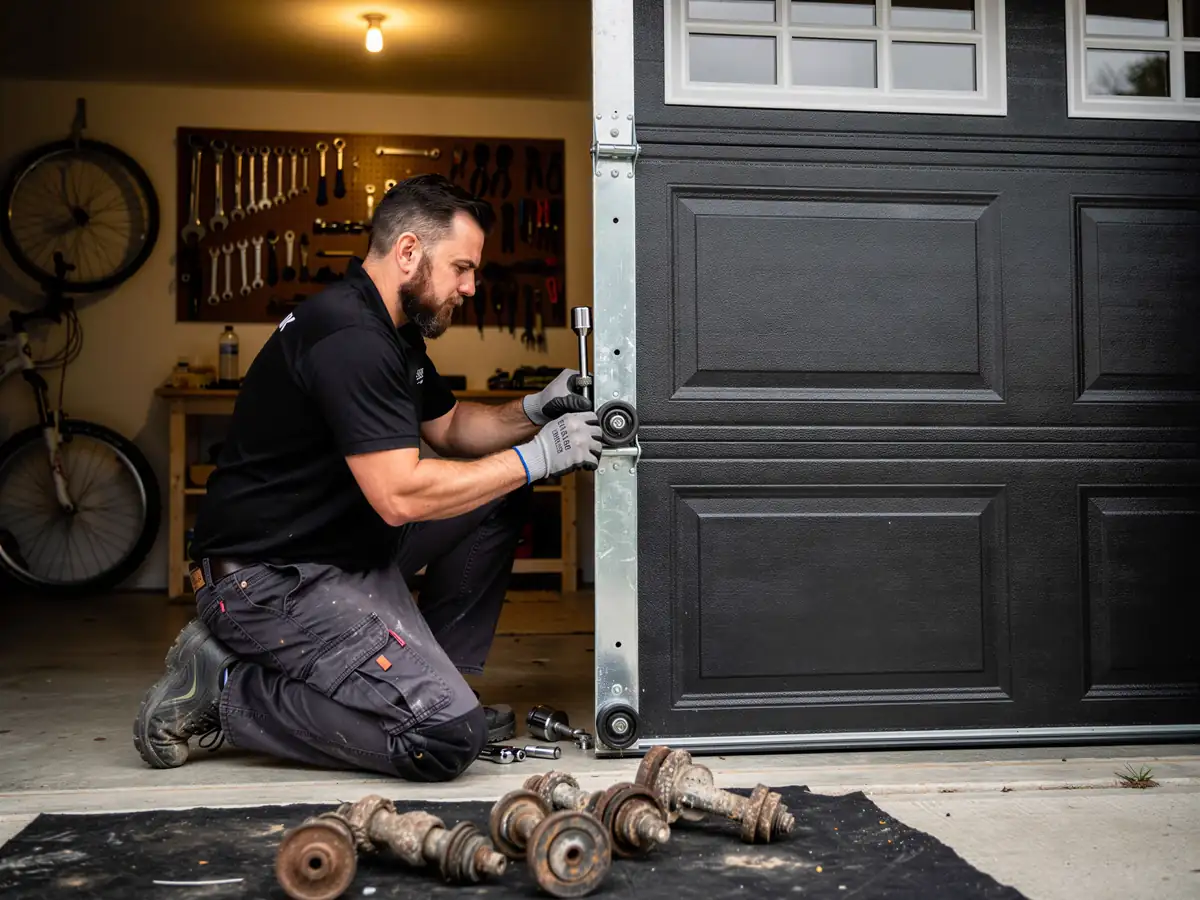
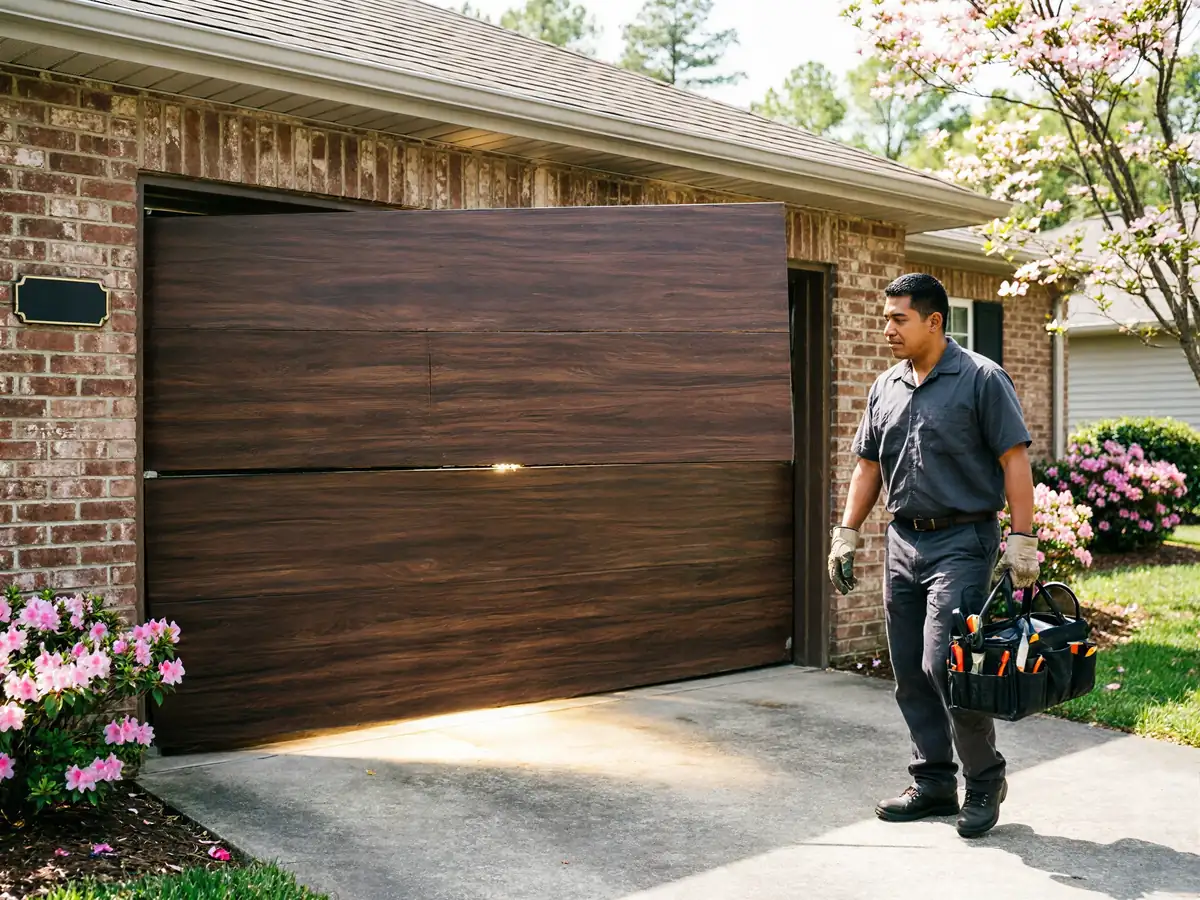
The door people call us about most isn't broken yet - it's slow, it's noisy going up, and it drops the last foot instead of settling. On a house built in the 80s or 90s that's usually original hardware finally giving out after decades of mild-climate service with the occasional freeze night thrown in. Rollers wear flat, the bottom seal cracks and lets light in around the edges, and the panel itself can still look fine while the whole assembly is at the end of its working life. If you're hearing grinding at the top of the track or the door hesitates before it moves, that's not a tune-up problem - that's a door built for a 1990s opening telling you it's done. We'll always check whether a repair makes sense before we sell you a new install, because sometimes it does. But on a door this age, with this much household income tied up in the house around it, replacing it right usually costs less over five years than patching the same failure twice.