Why This Fails Locally
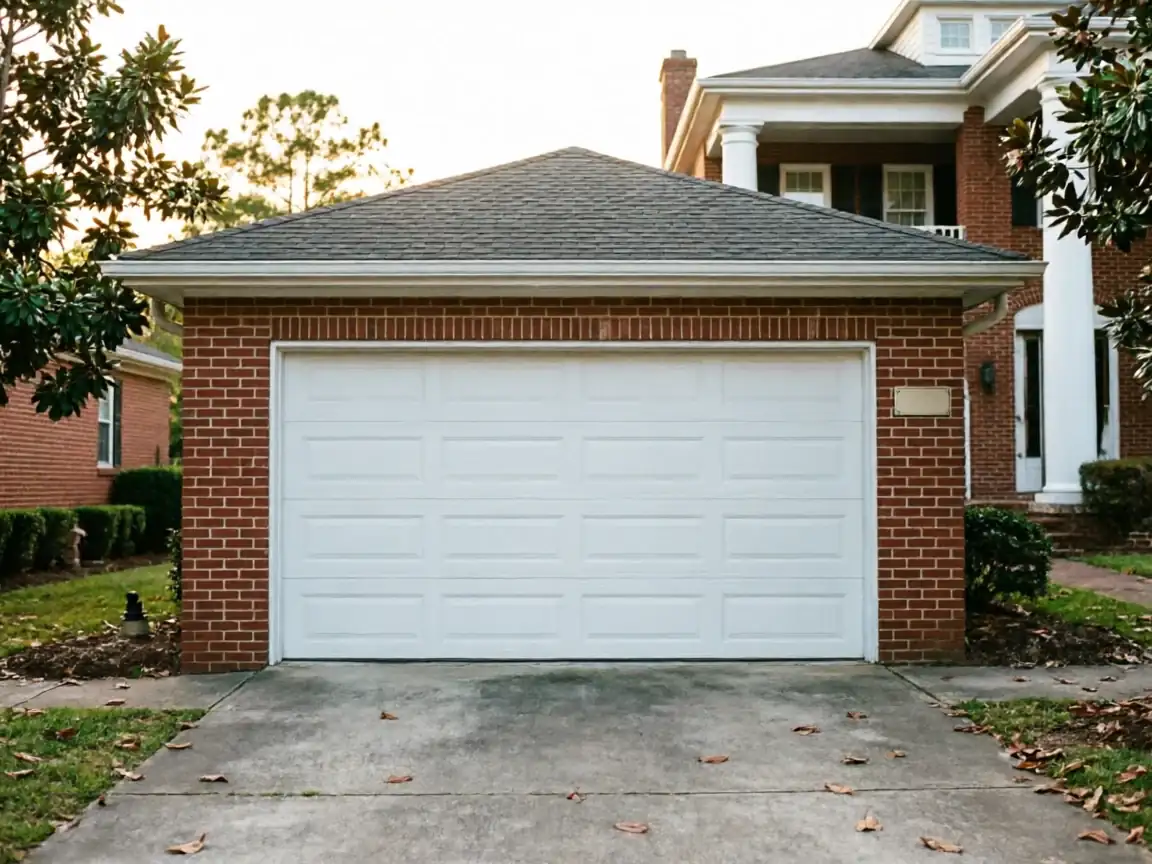
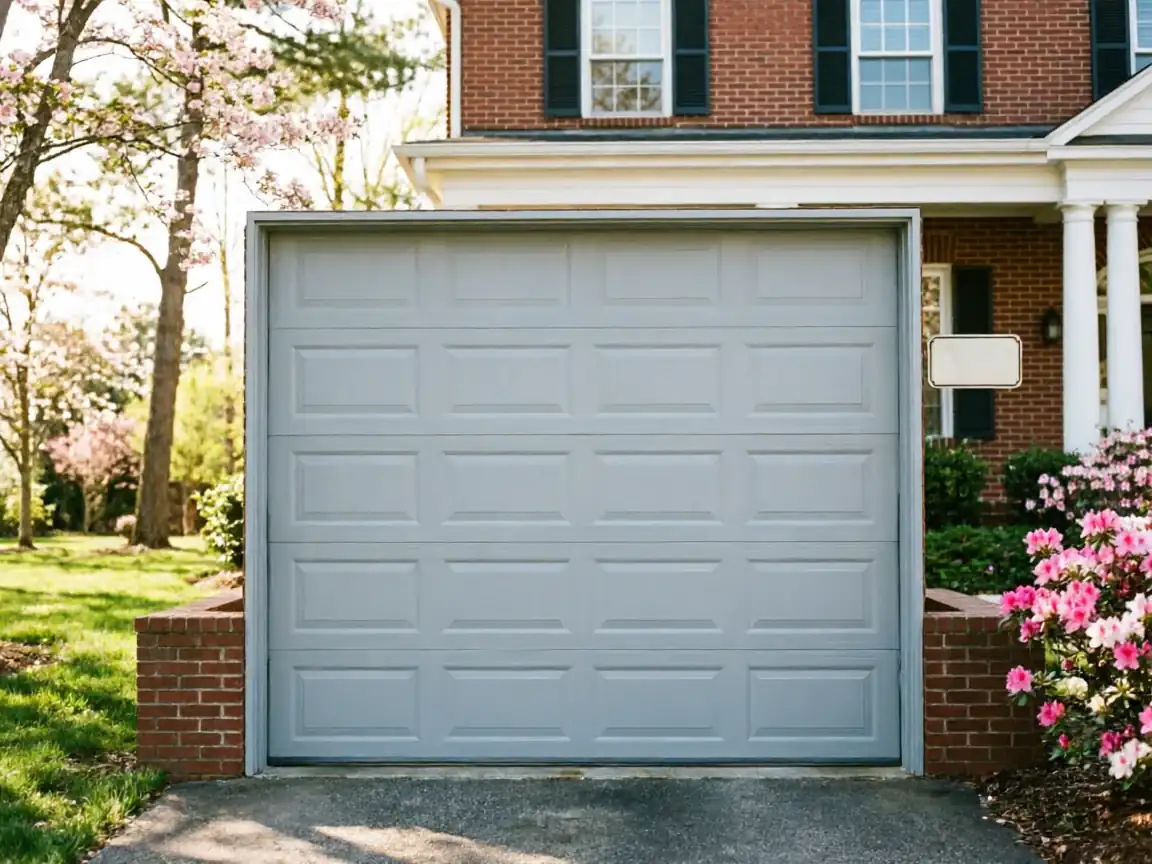
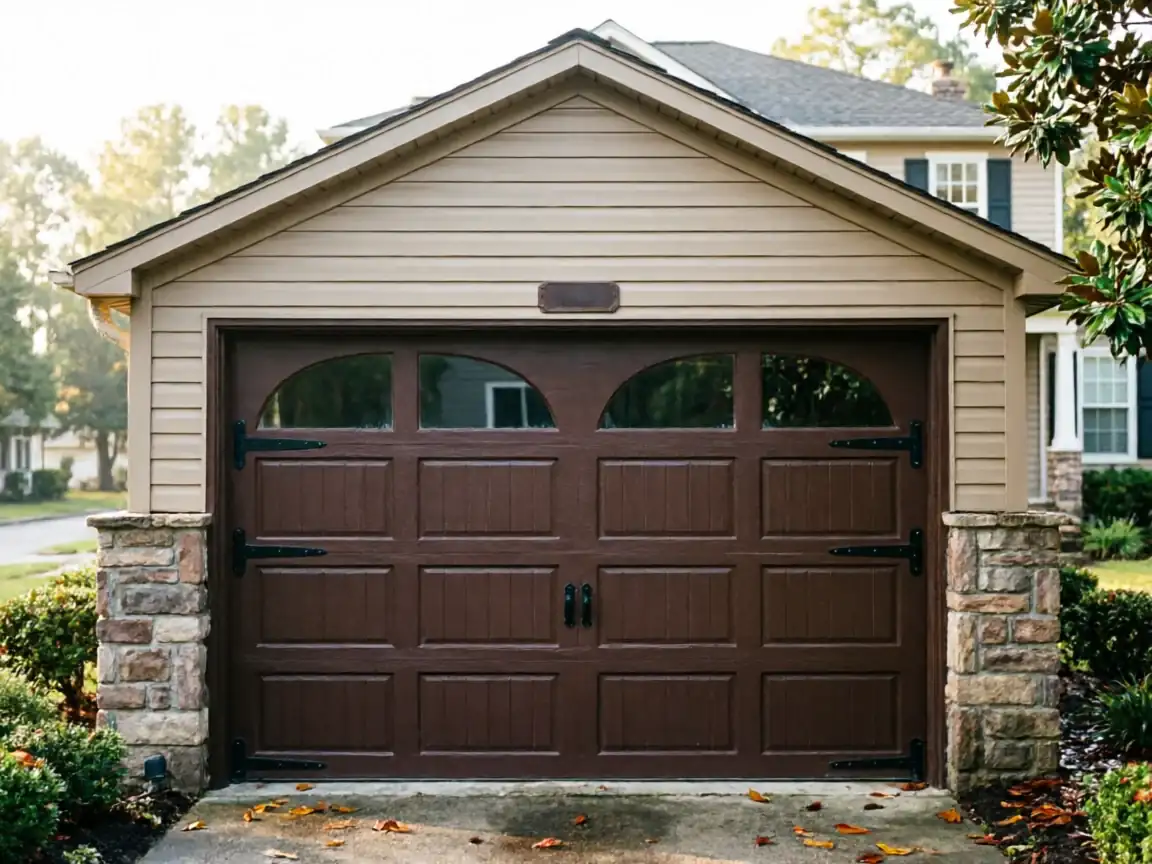
Most of the houses we work on around Tuscaloosa went up between 1964 and 2004, with the bulk of that stock built in the 1980s and 90s across the eight named areas we cover. That matters for panels because doors from that window were built with steel gauges and panel profiles that newer manufacturers don't always carry on the shelf. When a panel on one of these doors gets a dent from a backed-into trash can or a cracked seam from age, you're often not looking at a simple swap - you're looking at a hunt for a matching profile, or a decision to replace the whole door.
Tuscaloosa's climate band is mild with some freeze risk, which isn't the kind of extreme heat or hard freeze-thaw cycle that cracks panels outright. But it does mean steel panels here corrode from the inside out at seams and hinge points over a few decades rather than failing from thermal shock. Combine 20-plus-year-old doors with that slow rust and the occasional ding, and panel failure shows up as a recurring call across the whole service area, not a one-off.
We see this pattern on doors in Holt, Northport, Cottondale, and the other nearby communities we run jobs in, not just in town. The fix depends on whether your door's manufacturer still makes that panel style - and a lot of 1990s-era doors don't have an exact match anymore.
The Cost of This Job
We don't have a flat number to quote you here
Because panel cost swings hard depending on whether your door's manufacturer still stocks that panel style. A door built in the 1994 median year for this area might take a direct replacement panel if the brand is still active, or it might need a full section reorder if the line's been discontinued - and that difference shows up directly in what you pay.
What we can tell you
Single-panel jobs are usually cheaper than most homeowners expect, because you're paying for one section and labor, not a full door. Where it gets expensive is color-matching on a door that's faded over 20-30 years of Alabama sun, or finding a panel for a door whose original manufacturer no longer makes that profile. In those cases, we'll tell you straight whether a full door replacement actually costs less in the long run than chasing a panel match that won't look right anyway.
- 30 years
One honest limitation: we can't promise an exact color or texture match on an older faded door
Steel panels weather unevenly, and a brand-new panel next to 20-year-old painted steel will show a seam even after a good repair.
Getting It Booked In
We run jobs across the whole service area - Holt, Northport, Cottondale, Coker, Coaling, Brookwood, Moundville, Vance, as well as in town - so when you call, tell us the door's approximate age and which panel is damaged (bottom panel near the weather seal, or one higher up) so we can start figuring out whether your manufacturer still carries that profile before we show up.
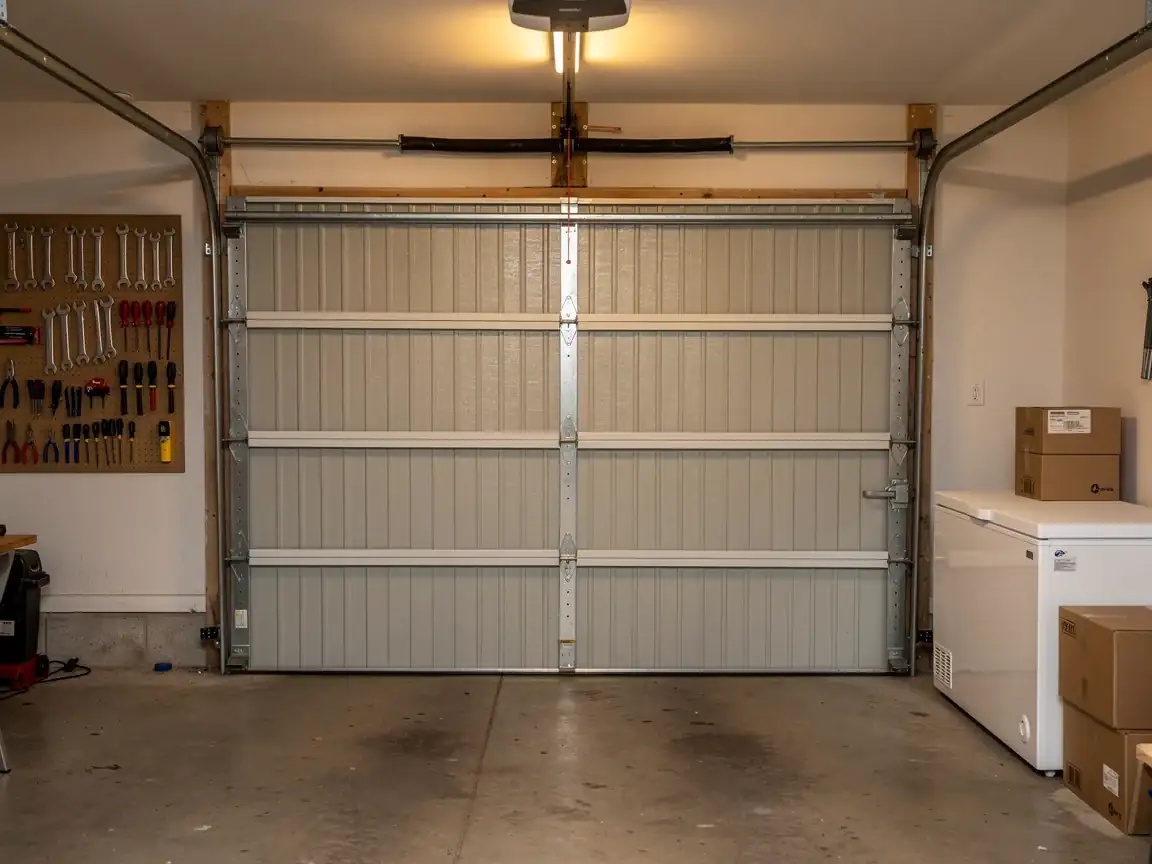
If you know the brand name on the door or the model sticker on the inside of the track, have it ready. For doors built in the 1980s and 90s, which make up most of what we work on here, that sticker is often the fastest way to confirm whether we're looking at a same-day panel order or a longer wait on a discontinued style.
We'll give you a straight answer on timeline once we've seen the door or heard the model number, rather than guessing over the phone. Some panels we can get fast. Others take longer because the run was discontinued years ago, and we'd rather tell you that up front than have you wait on a promise we can't keep.
The Symptom
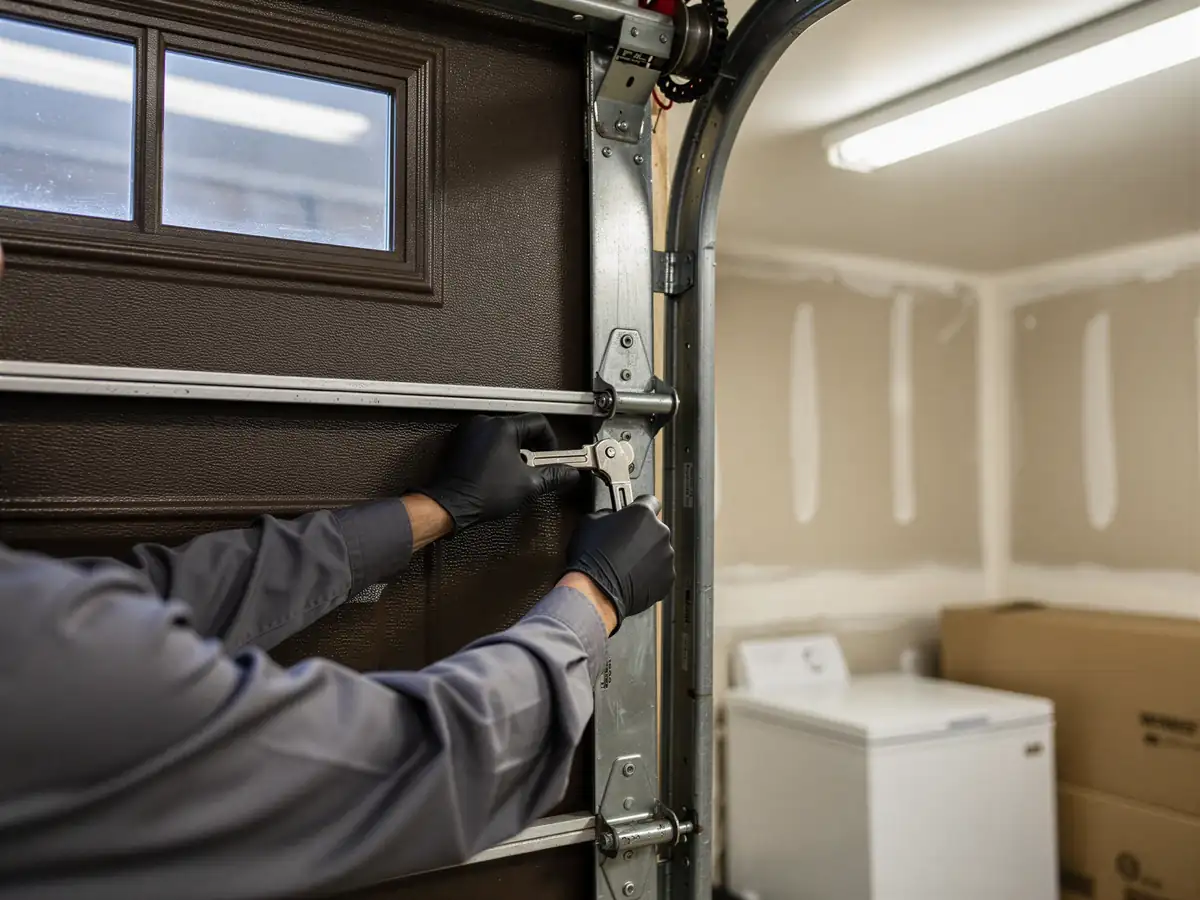
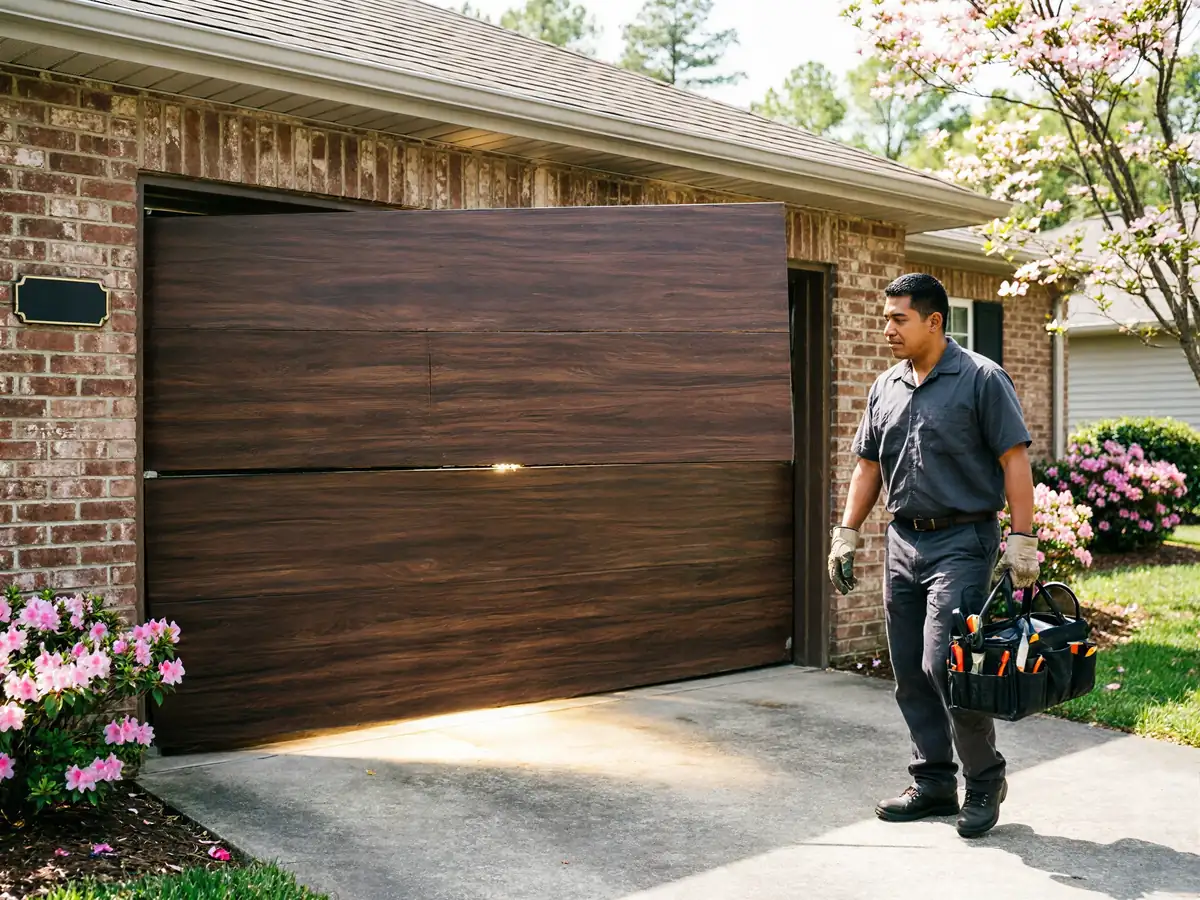
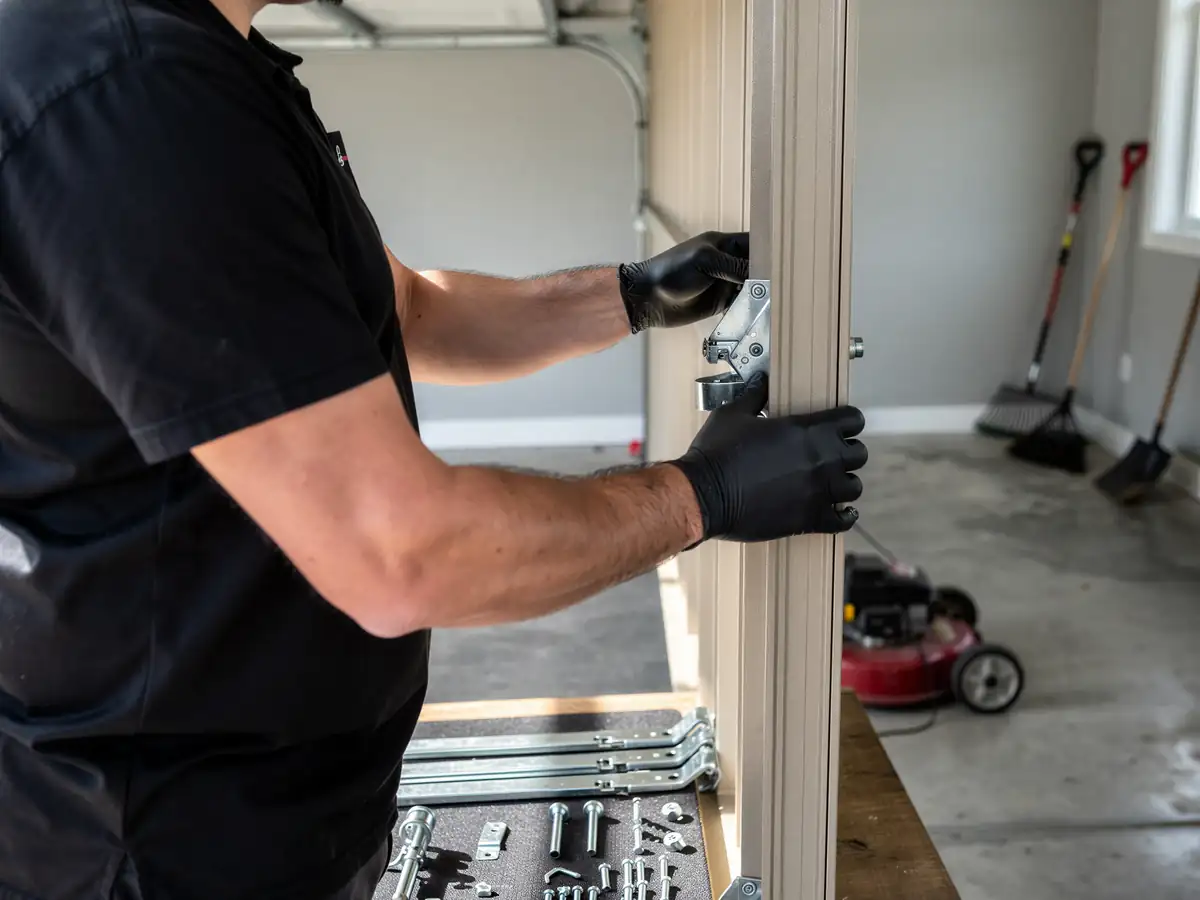
The most common call we get for this job isn't a door that won't move - it's a single section that's visibly dented, bowed, or cracked while the rest of the door still opens and closes fine. Sometimes it's a bottom panel that's rusted through near the weather seal after years of water sitting against it. Sometimes it's a middle panel caved in from a car bumper or a basketball.
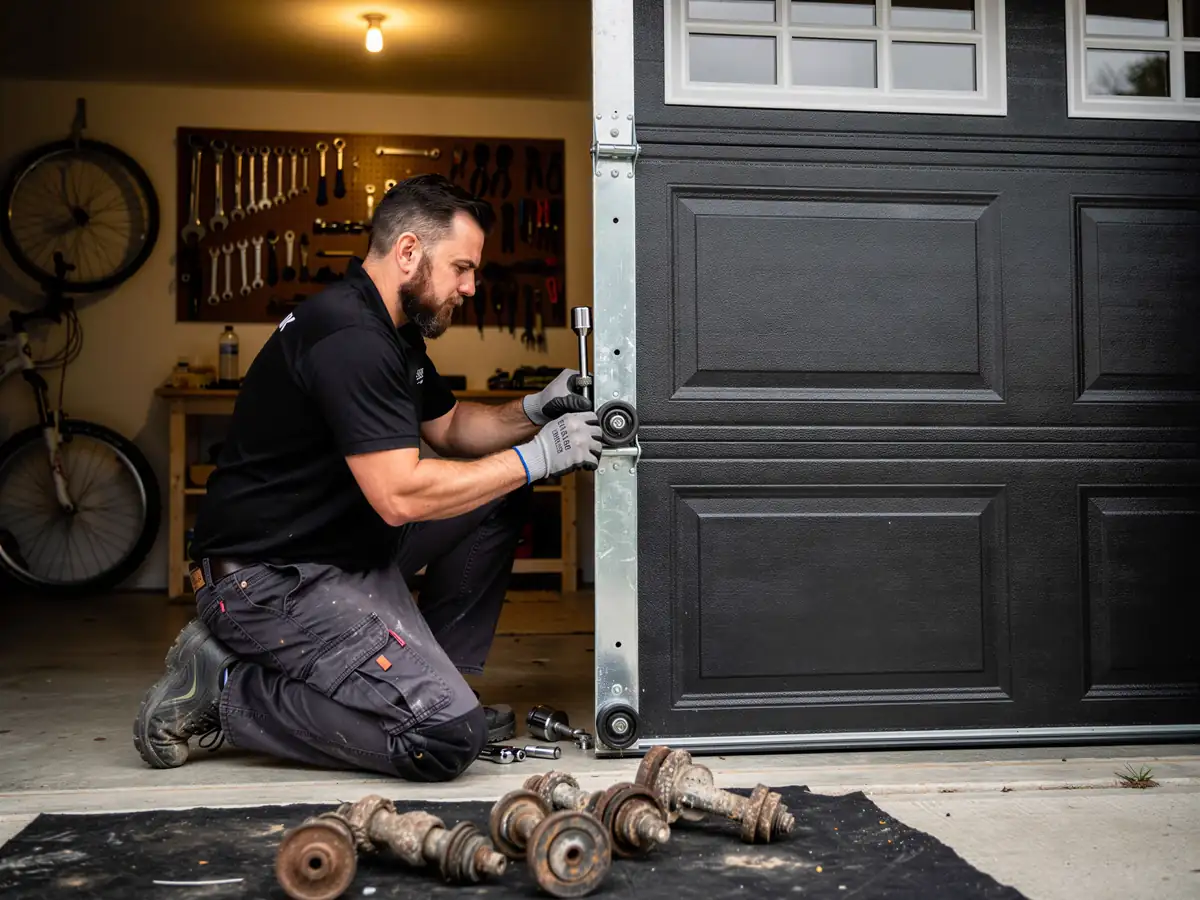
A damaged panel on its own usually doesn't stop the door from working, but it does two things that get worse if you leave it: it throws off the balance of the door section by section, which puts extra strain on the rollers and track next to it, and it opens a gap where moisture gets behind the panel and starts rust you can't see from outside. On the 1964-2004 housing stock that makes up most of what we service, we see panels that were