Getting It Booked In
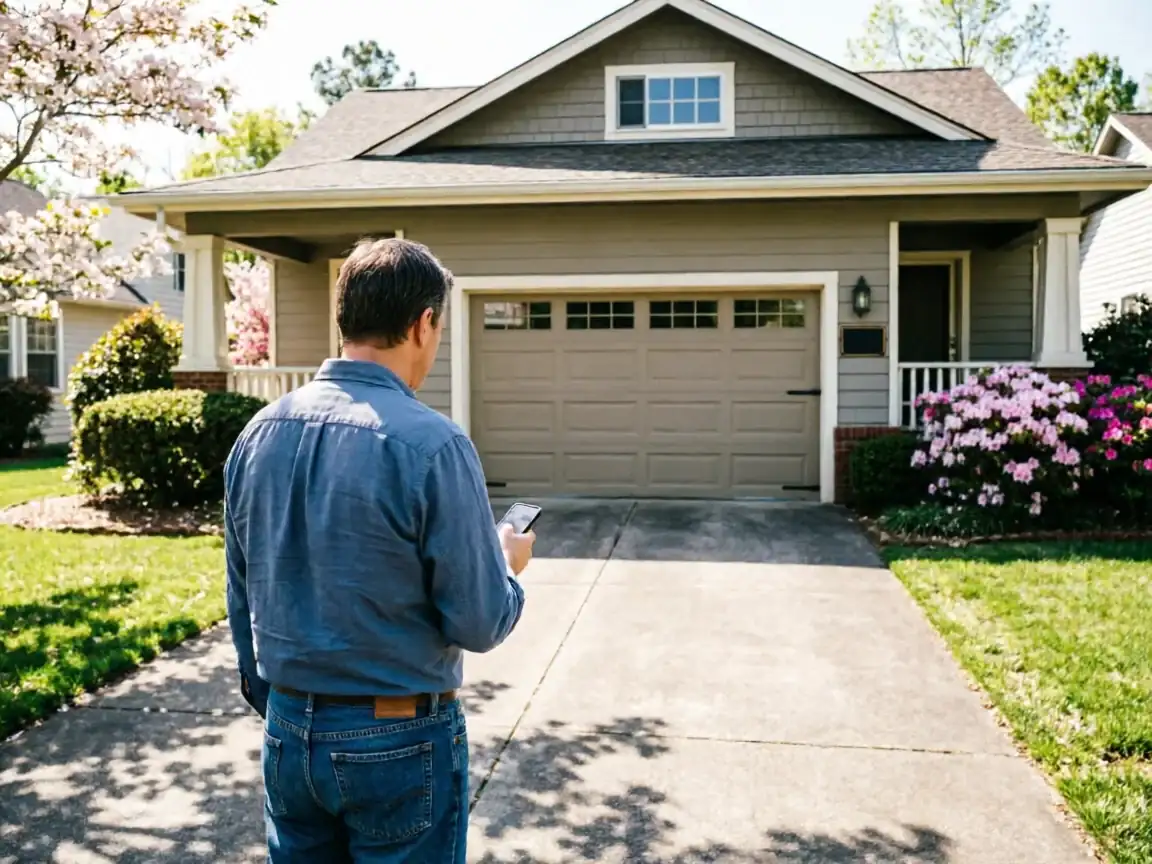
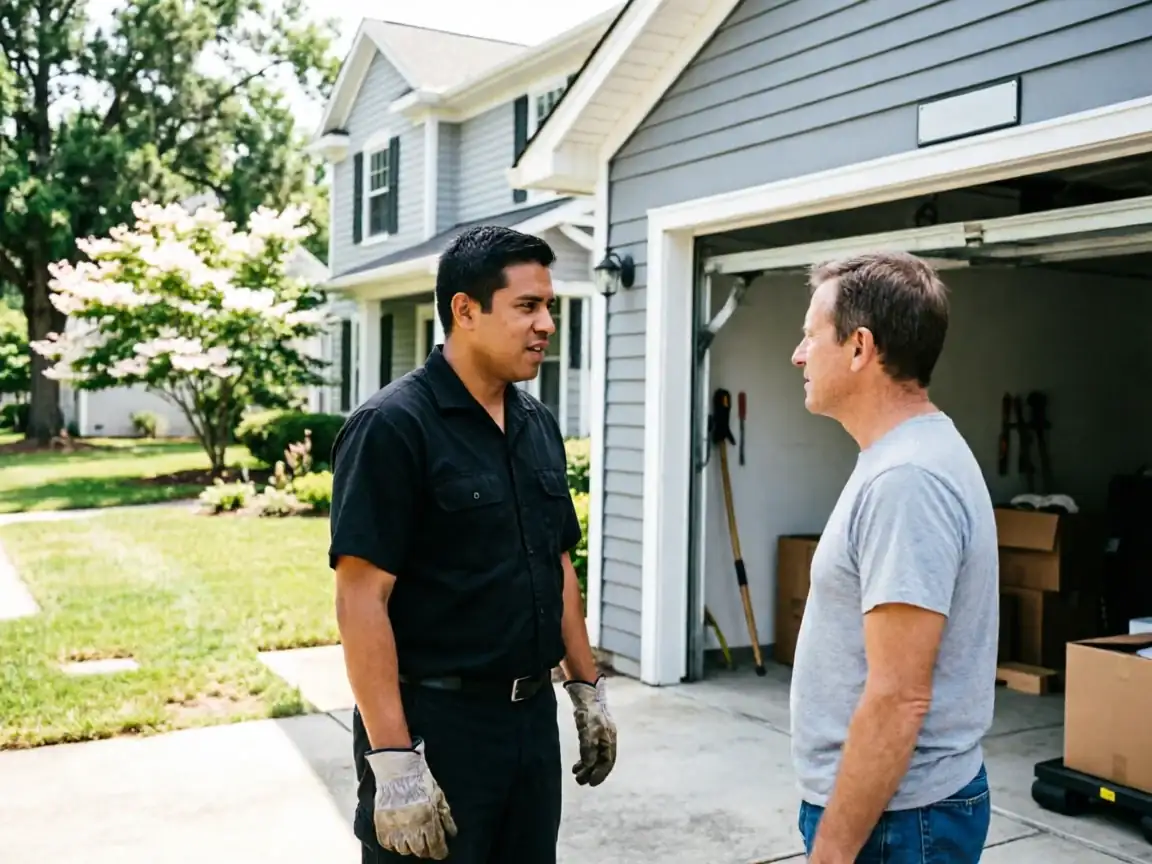
Northport sits four miles from our Tuscaloosa shop, close enough that a crew can run a full install here and still make a second stop the same day. That short drive matters more than it sounds - it means we're not quoting a install based on a guess from across town, and it means when a door shows up damaged or the opening measures out wrong, someone can be back out before the job stalls for a week. Across the whole service area we're covering 18,587 households; Northport's slice runs about 12,396, which is enough that we treat it as a regular stop, not a special trip. Booking works the same way it does everywhere we go: we come look at the opening, the track, and what's framing it before we quote a number, because a 1990s double-car opening and a narrower single bay from the same era don't take the same door or the same labor. We don't keep a branch in Northport - every job rolls out of Tuscaloosa - so if you're calling about a same-day emergency, installation is a different conversation than a repair. New door jobs get scheduled, not rushed.
What the Fix Involves
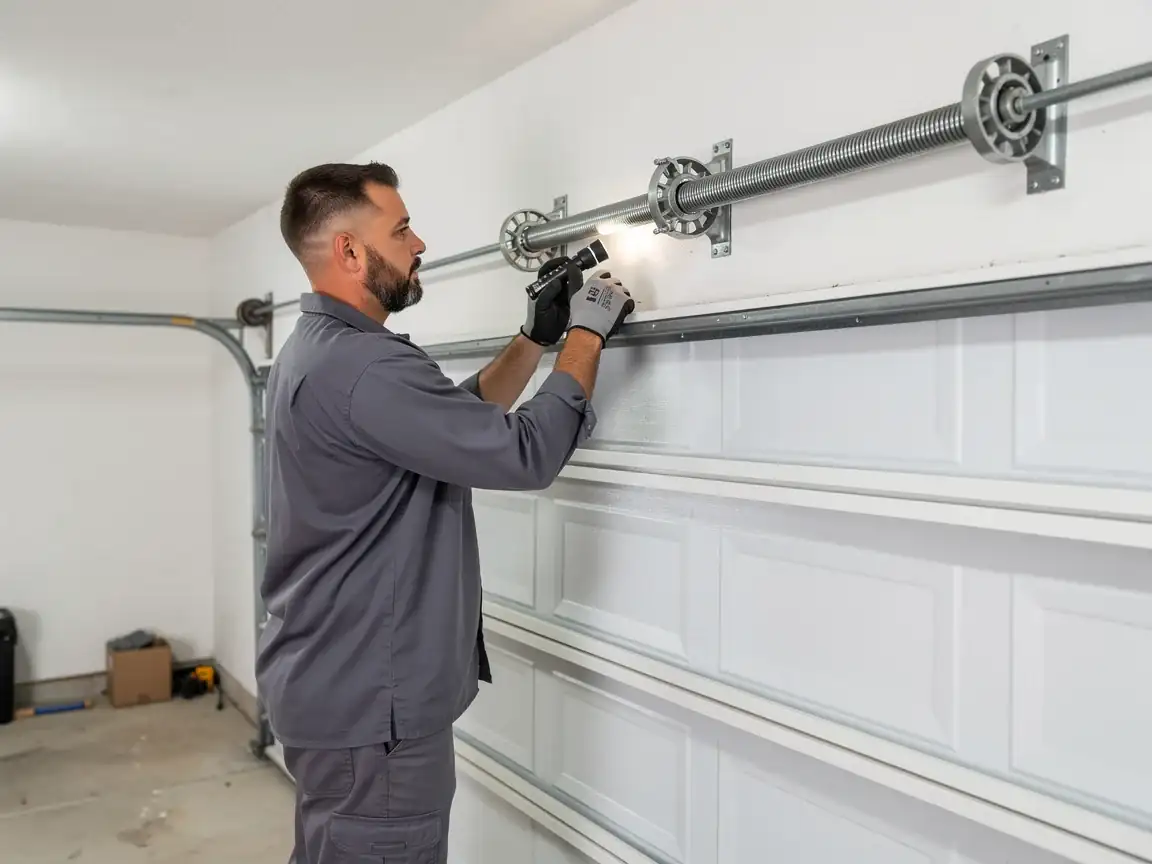
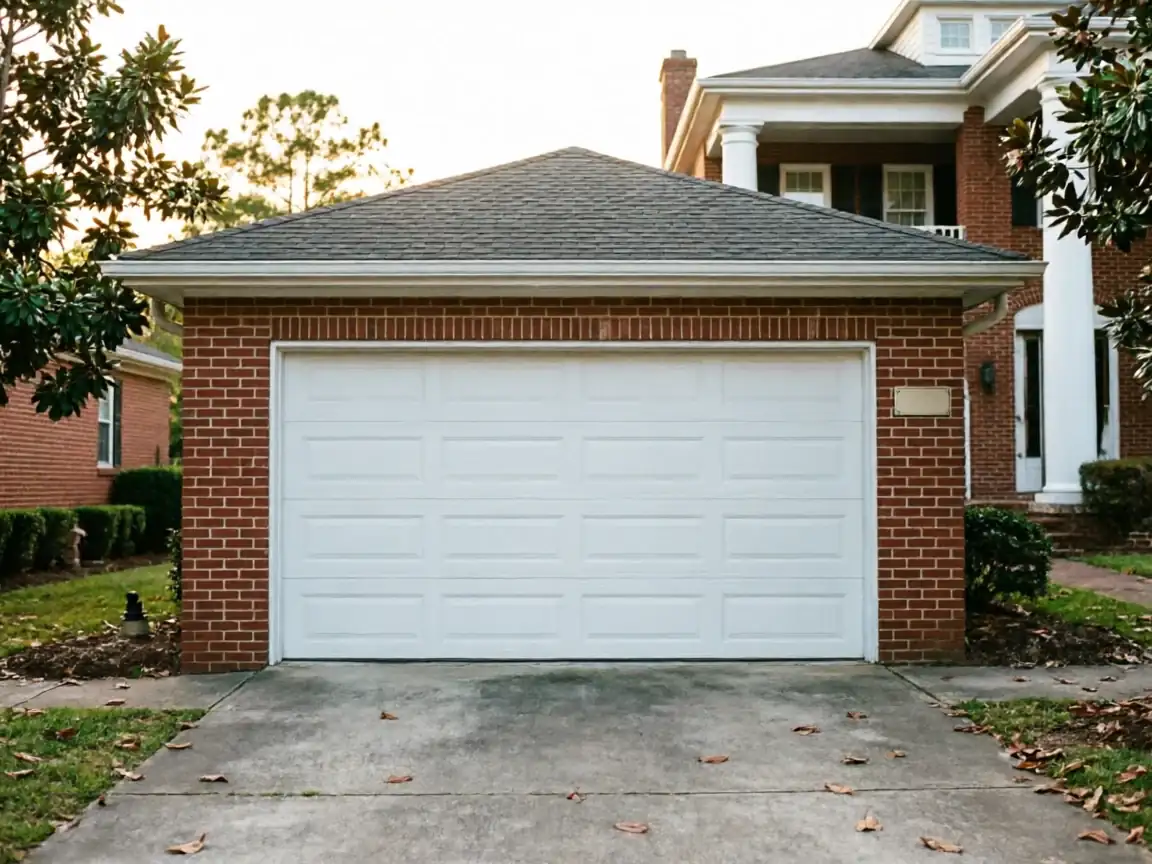
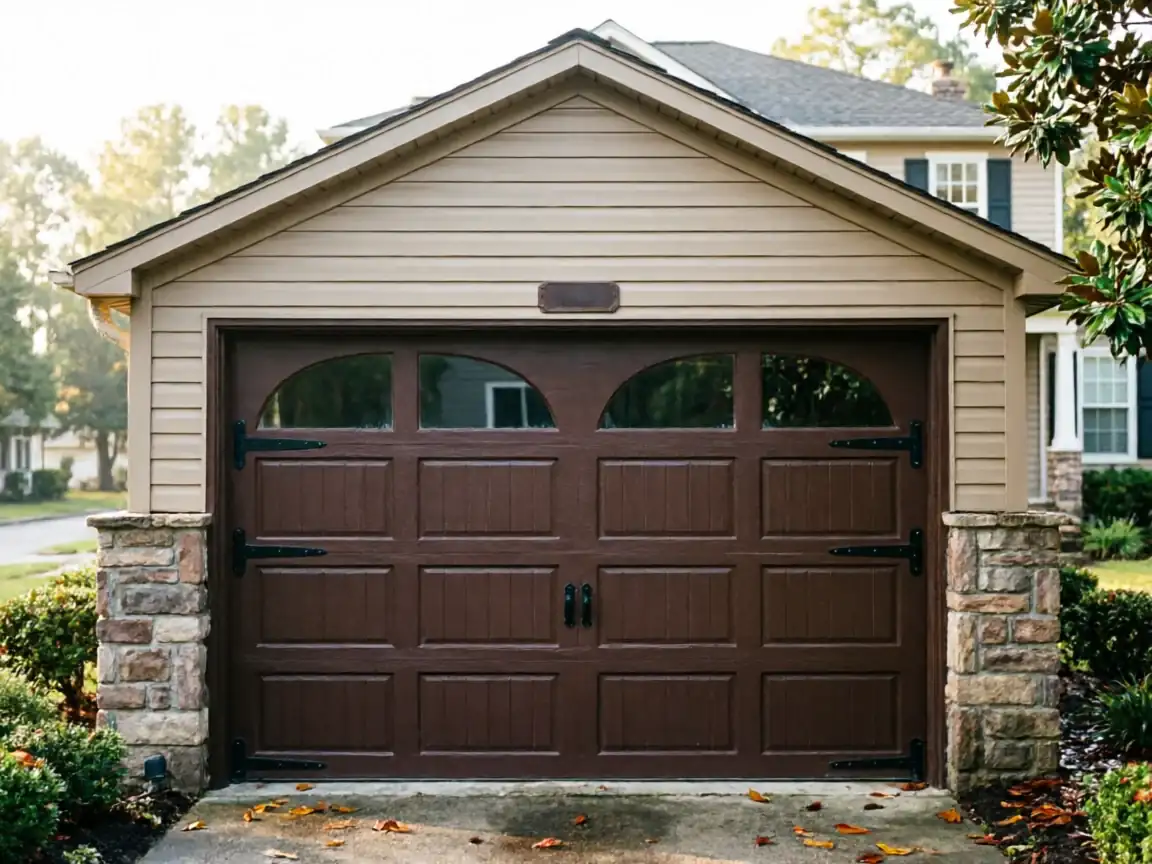
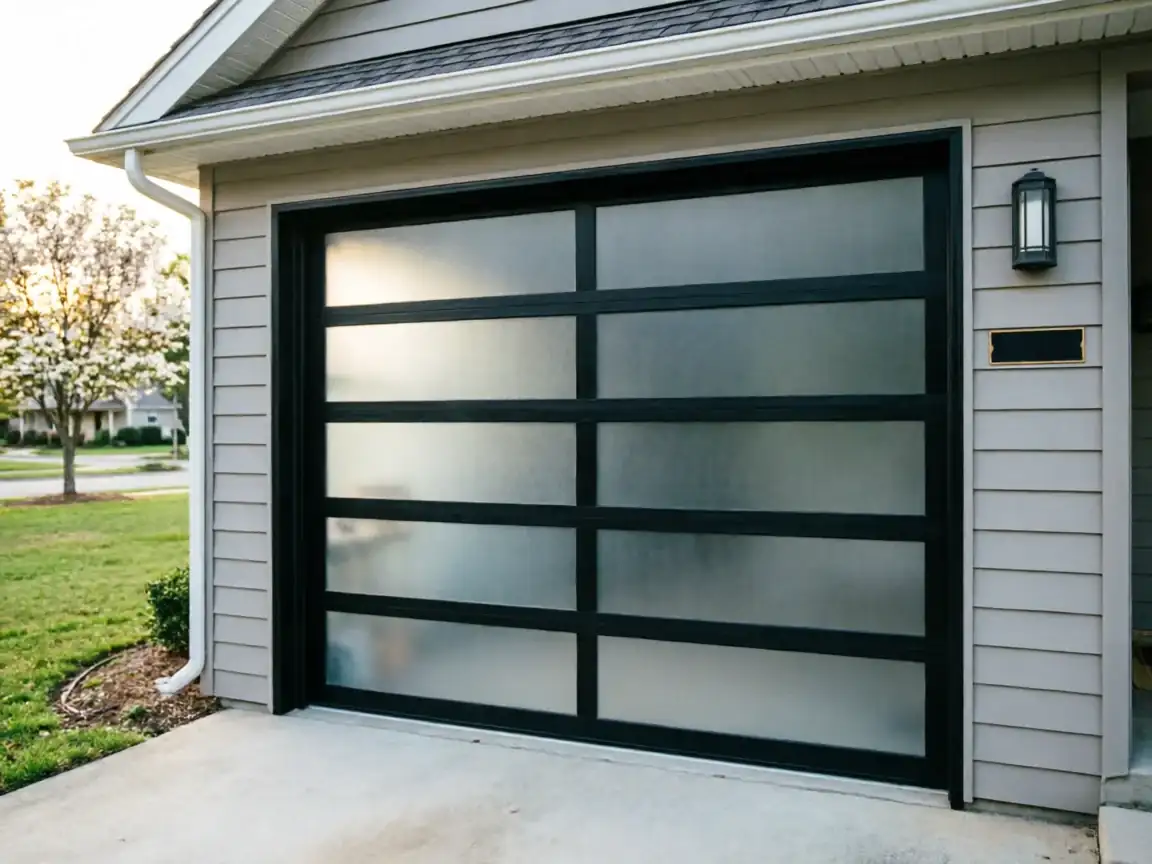
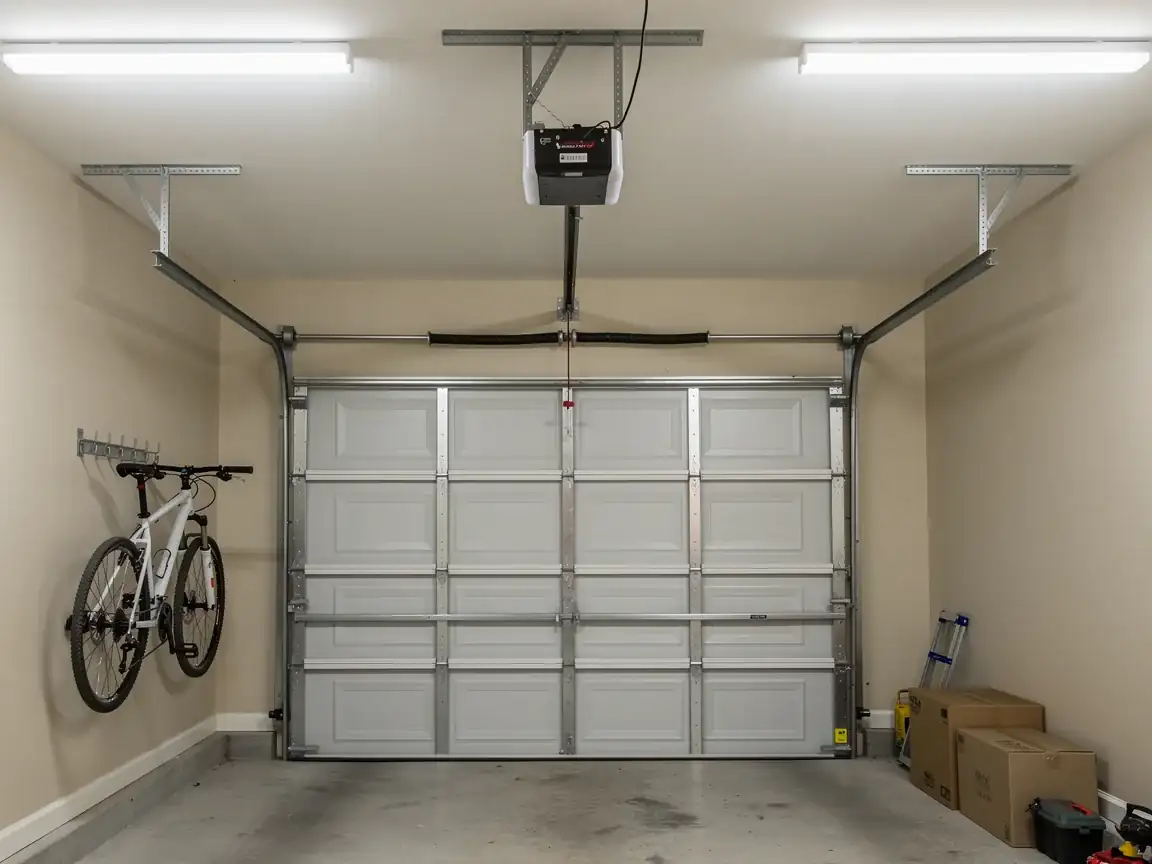
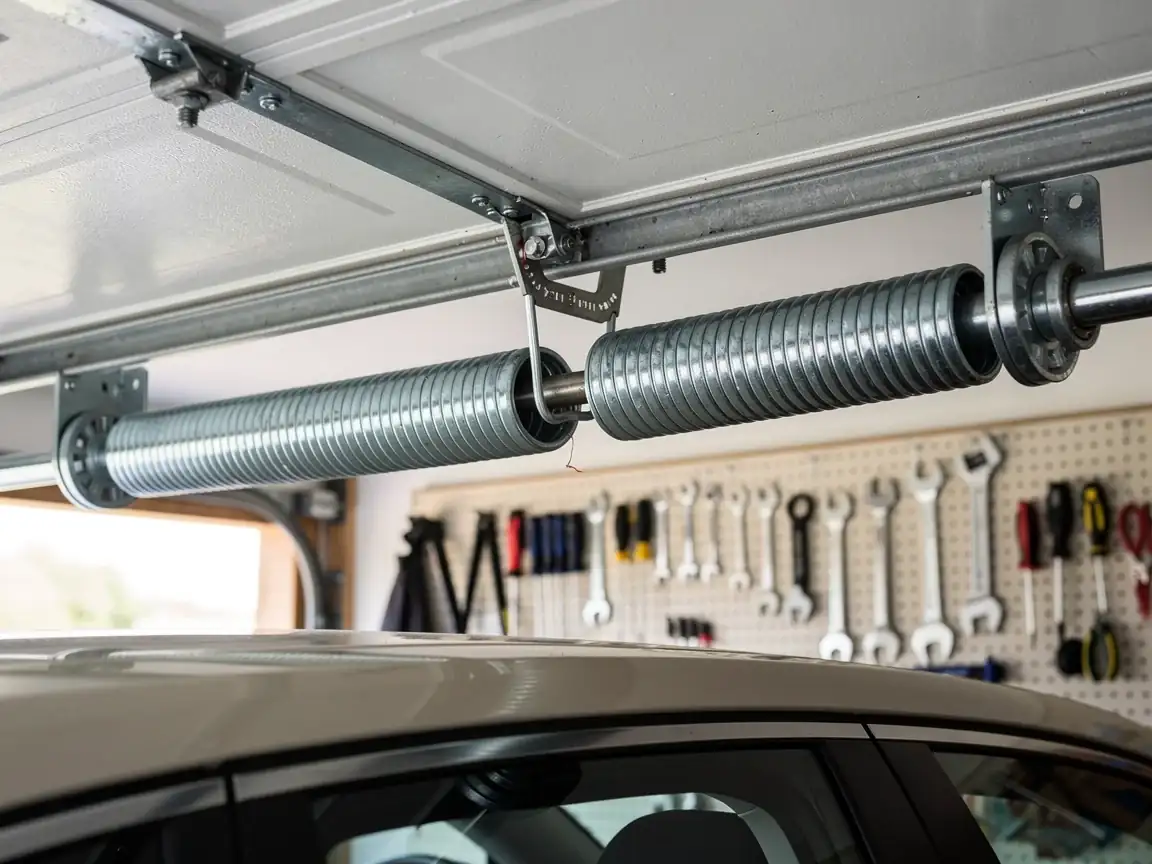
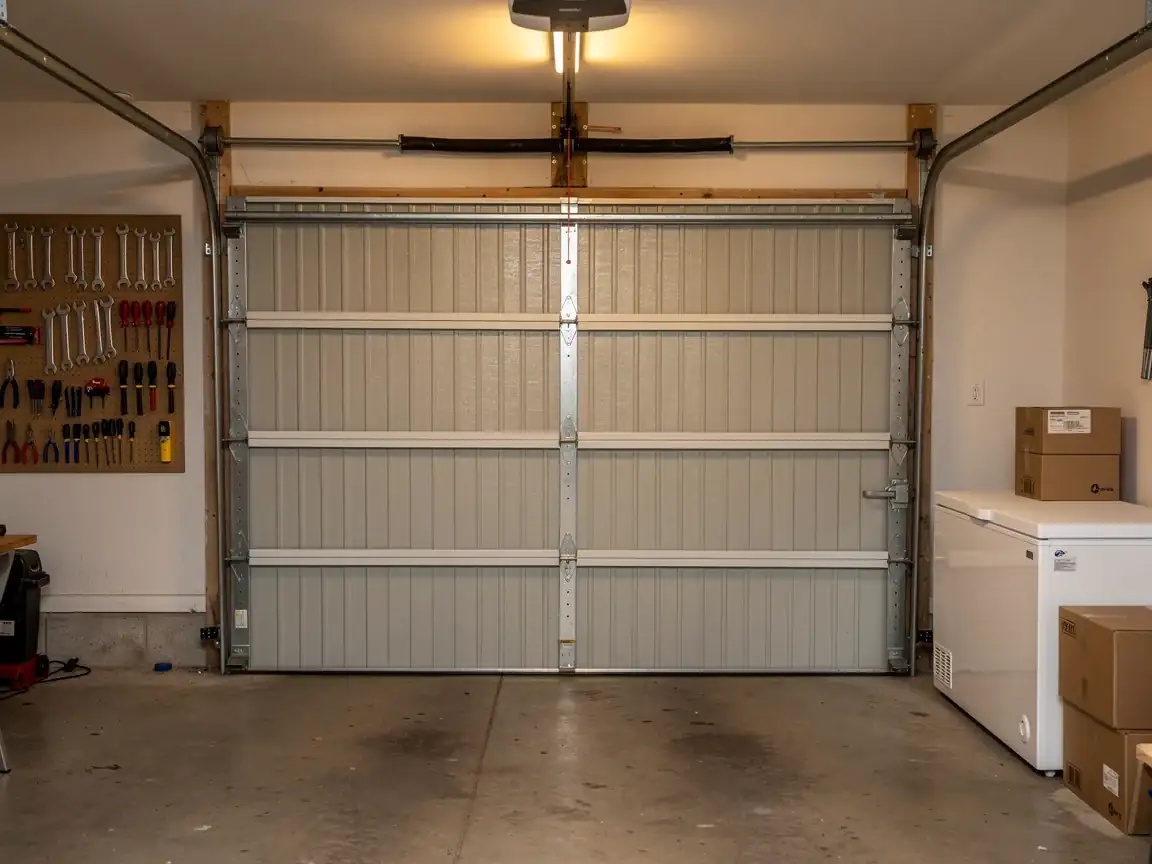
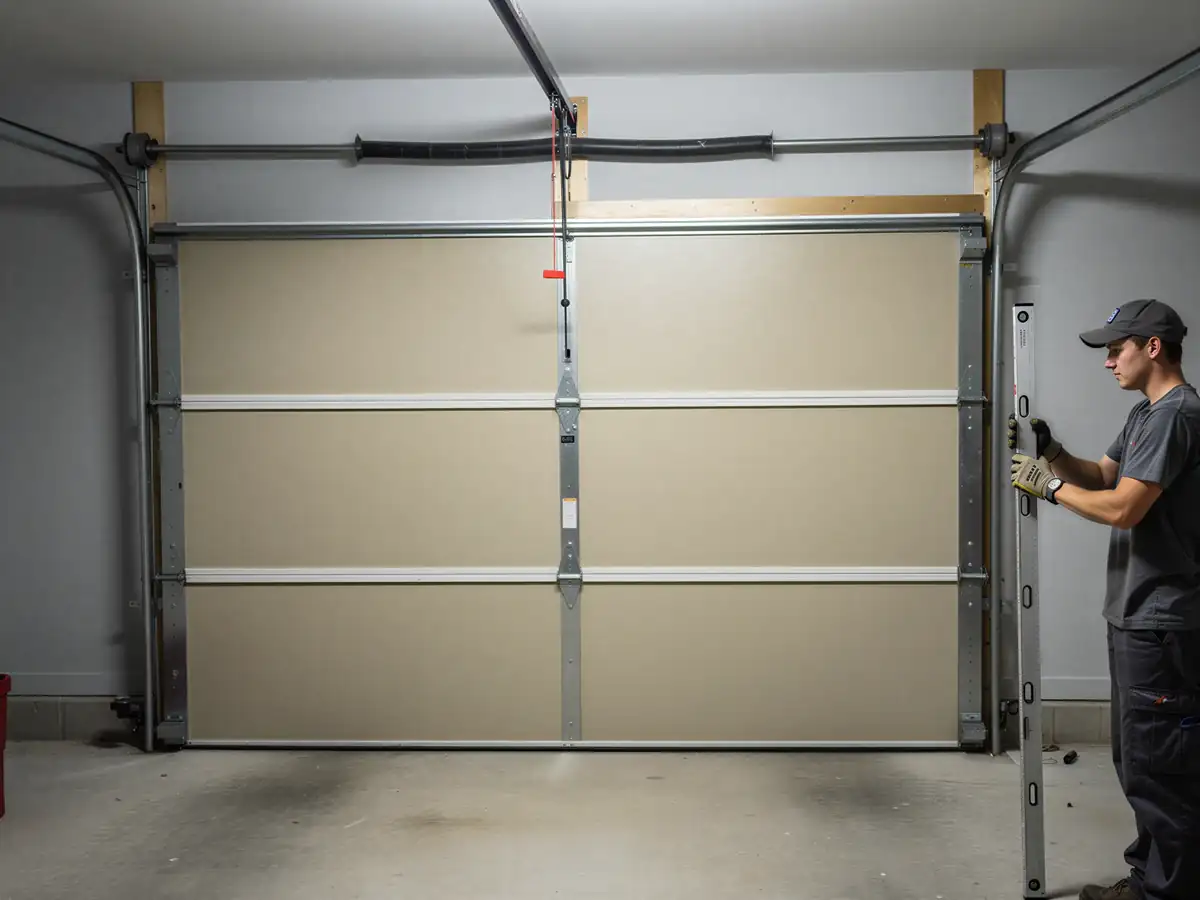
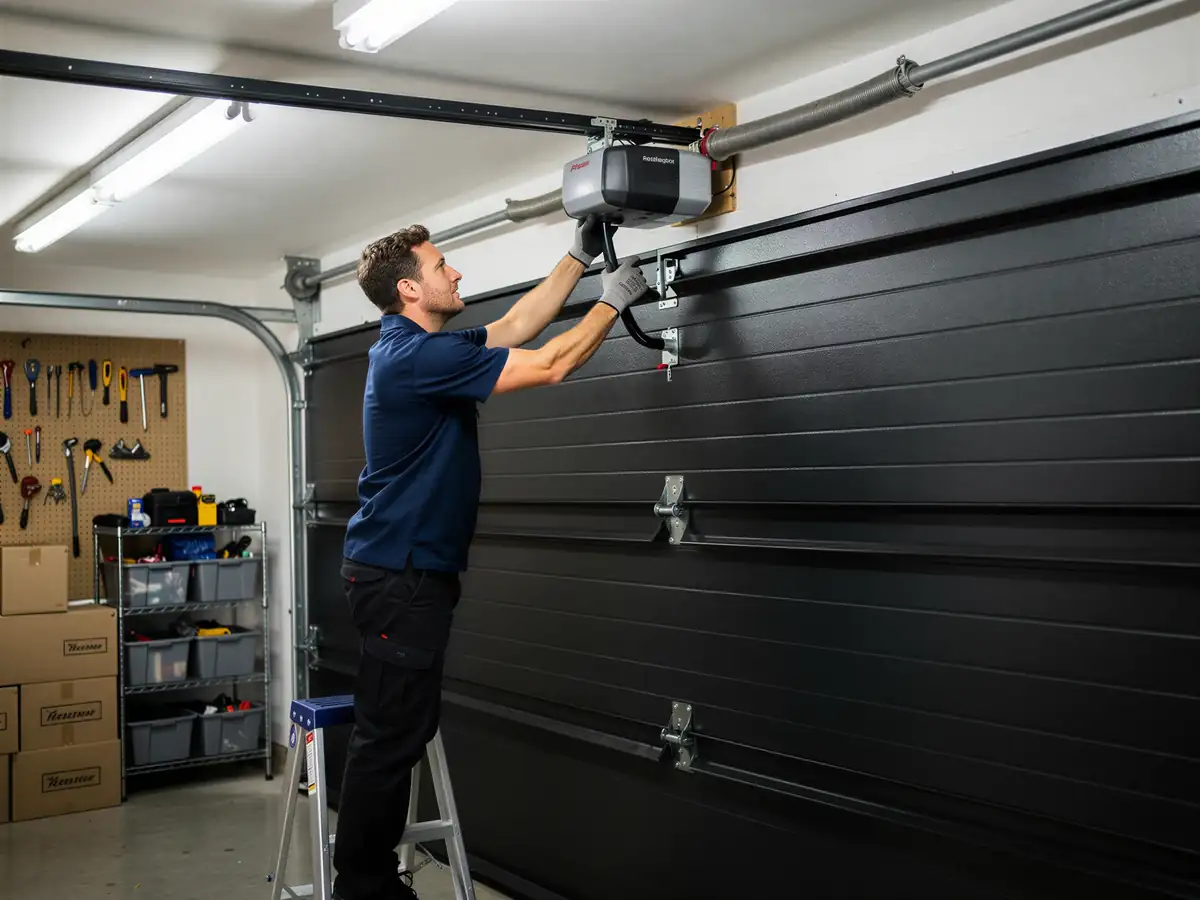
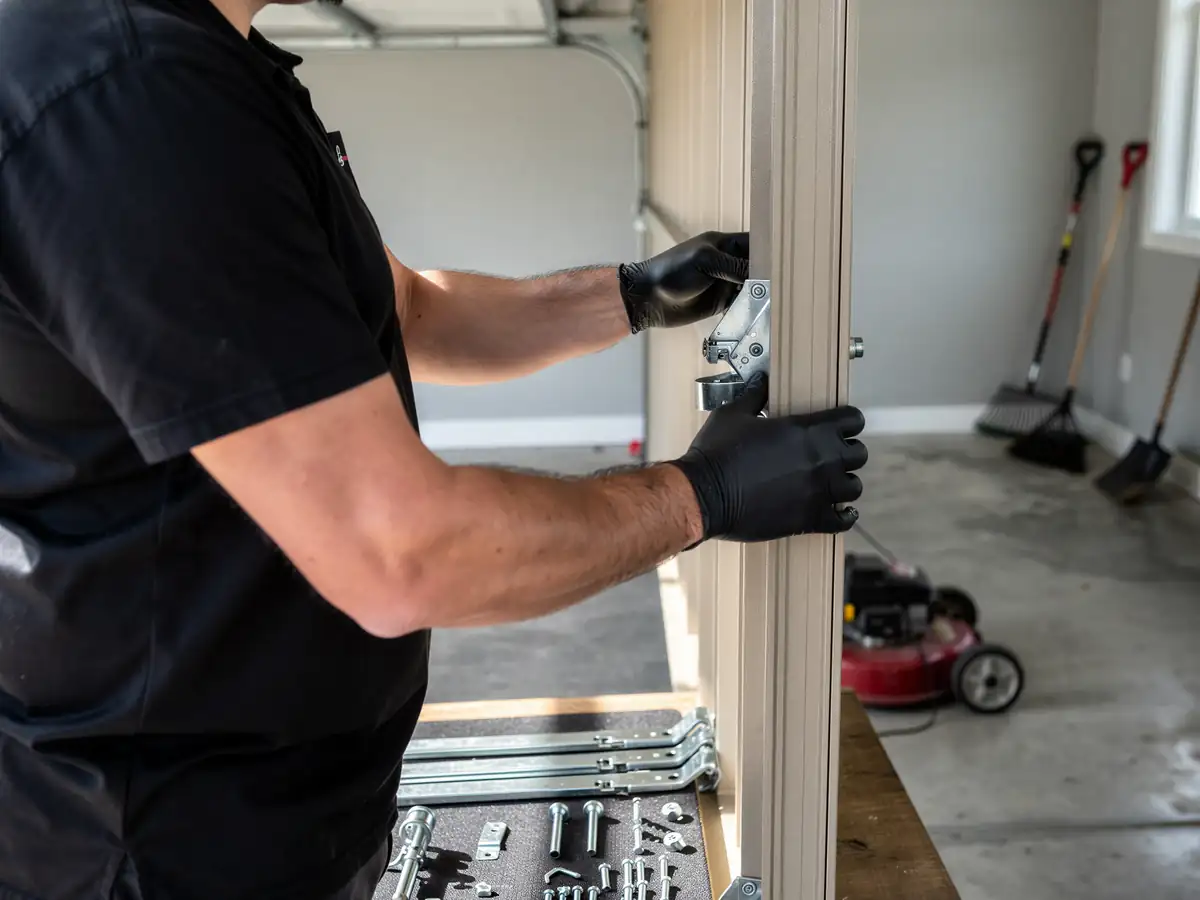
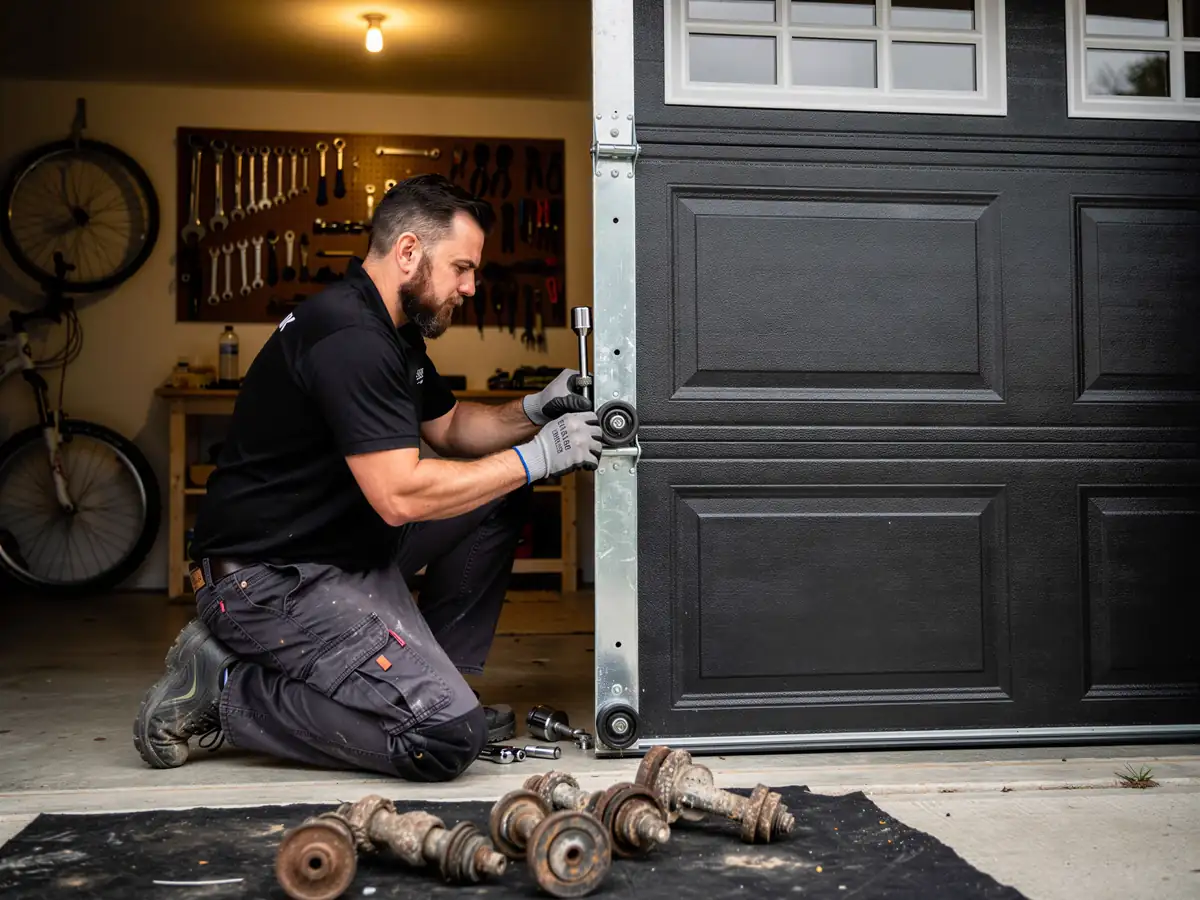
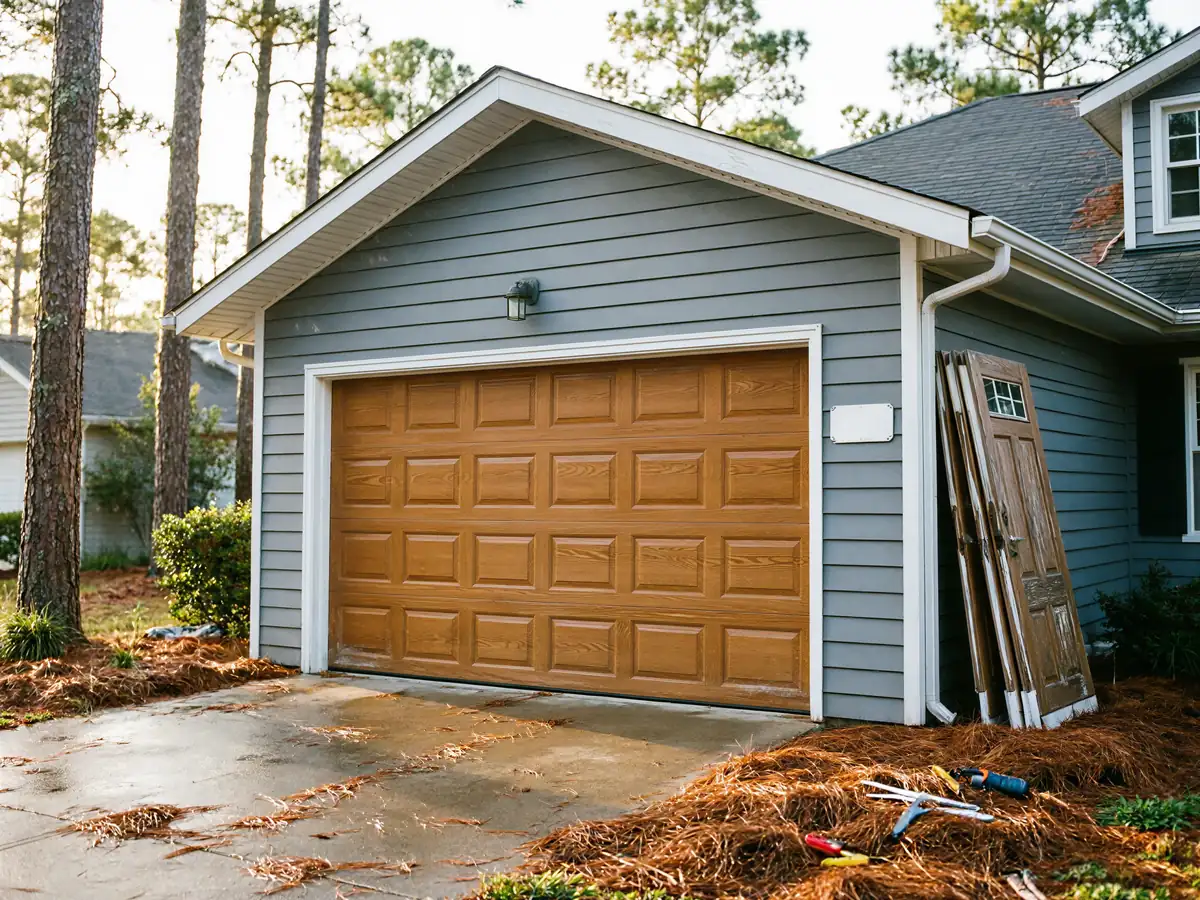
Most of the doors we're pulling out on this side of the area went up when the neighborhood was built - housing here runs from the early 1980s through 2004, with a lot of it centered right around 1992. That means original hardware: older torsion setups, single-layer steel panels without much insulation, and openers that have outlived their circuit boards even if the door itself still swings. A new install starts with pulling the old door and track completely, checking the jambs for square, and setting new track and springs sized to the door you're putting in rather than reusing hardware that was matched to a thirty-year-old panel weight. We size springs to the actual door, not a generic chart, because an 1990s-era single door and a newer insulated double don't carry the same load. Winters here stay mild with only occasional freezes, so we're not pushing heavy insulation packages the way a colder-climate installer would - most owners here are choosing based on noise, looks, and opener compatibility more than cold.
The Symptom
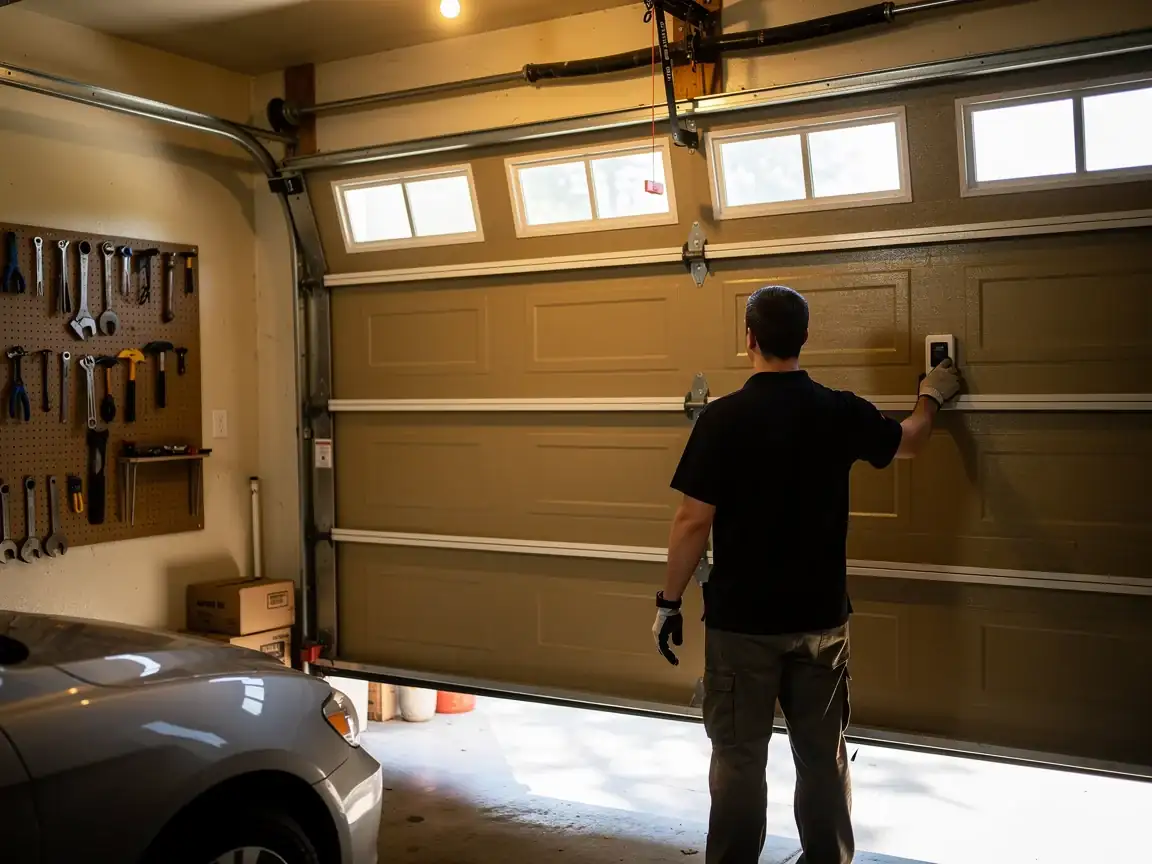
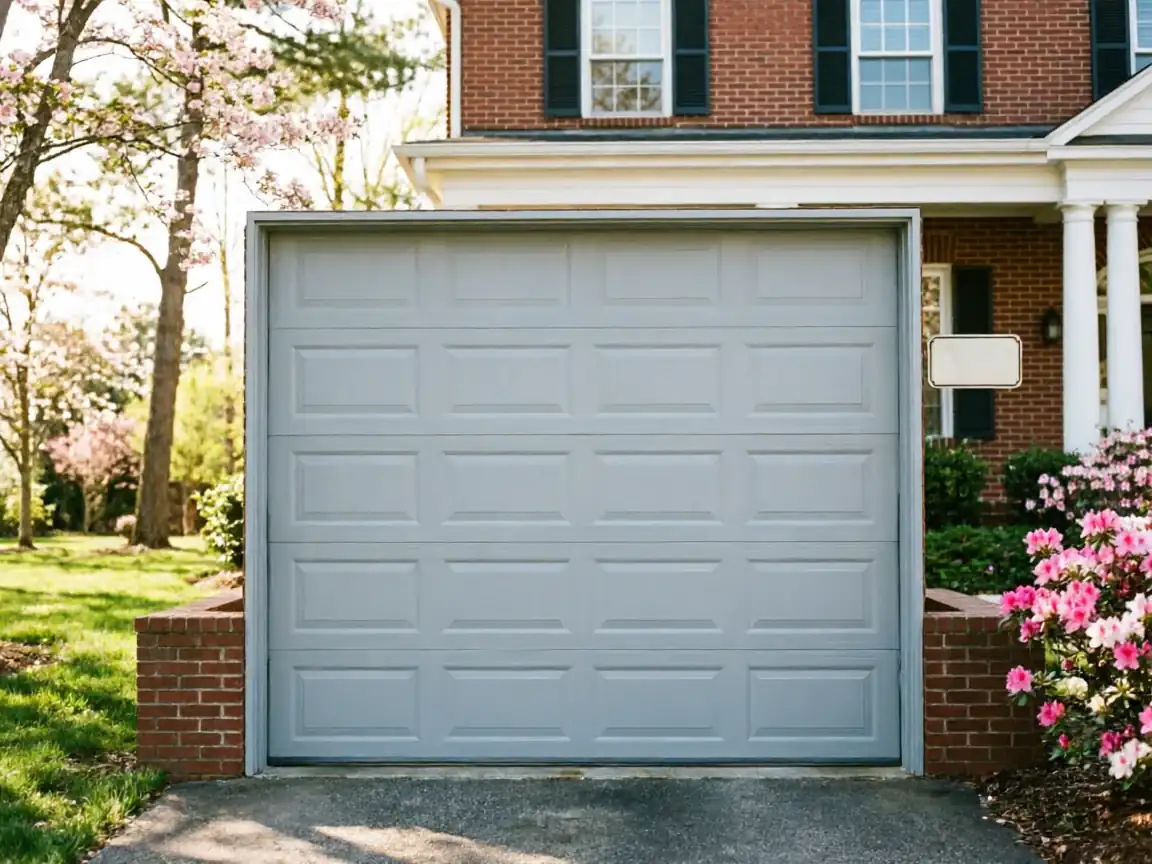
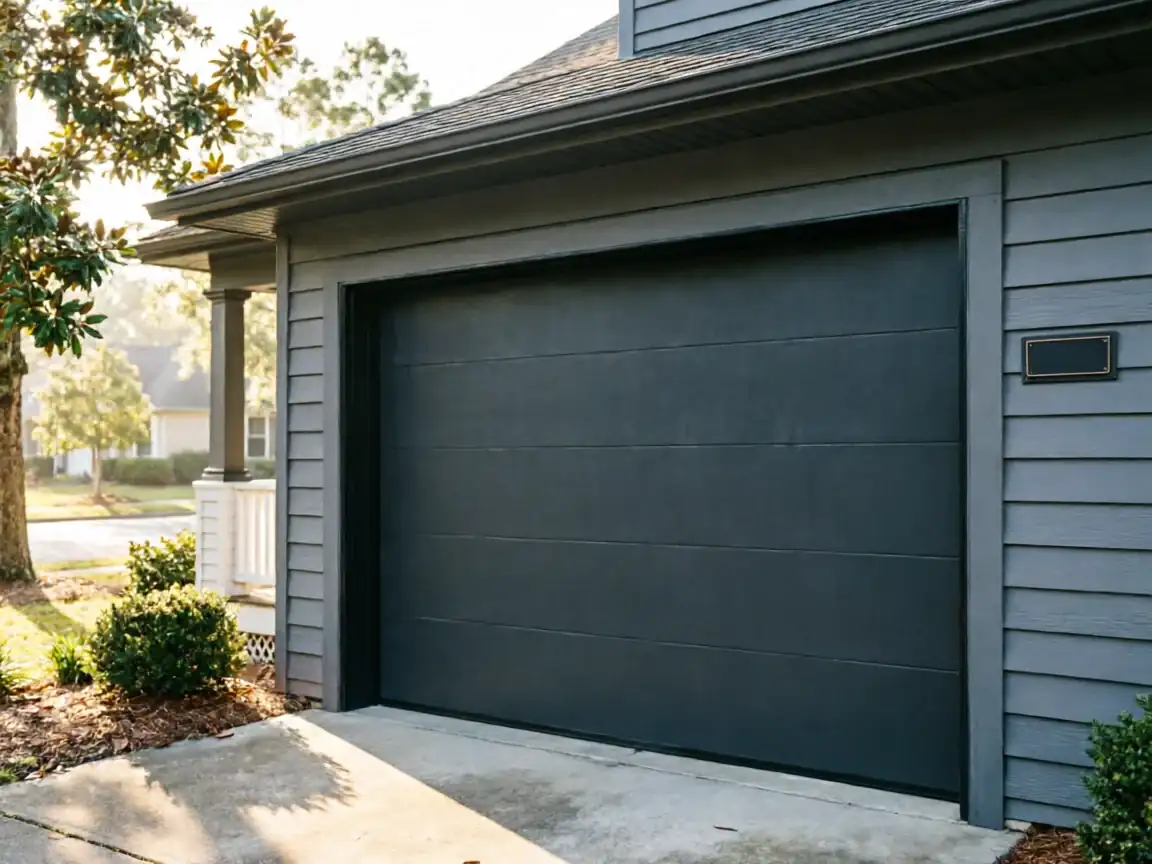
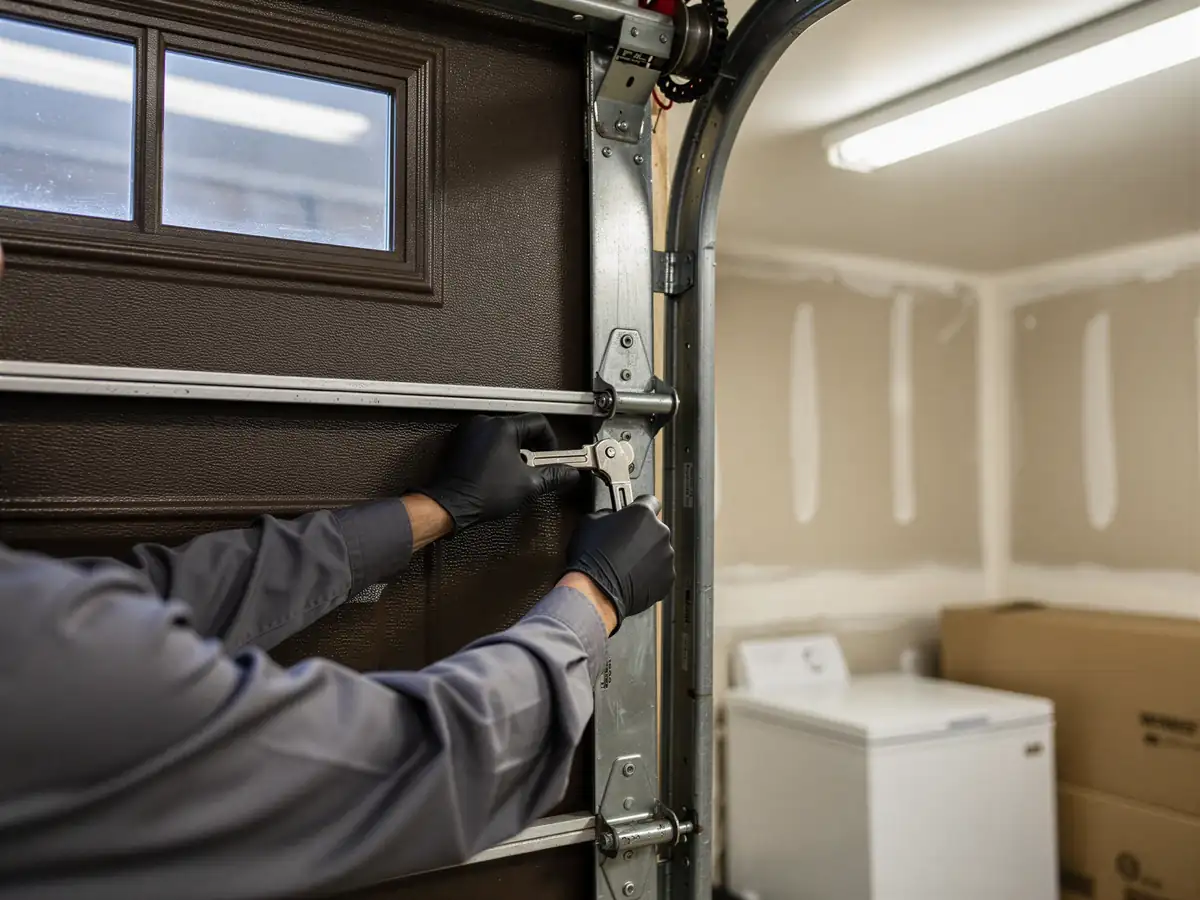
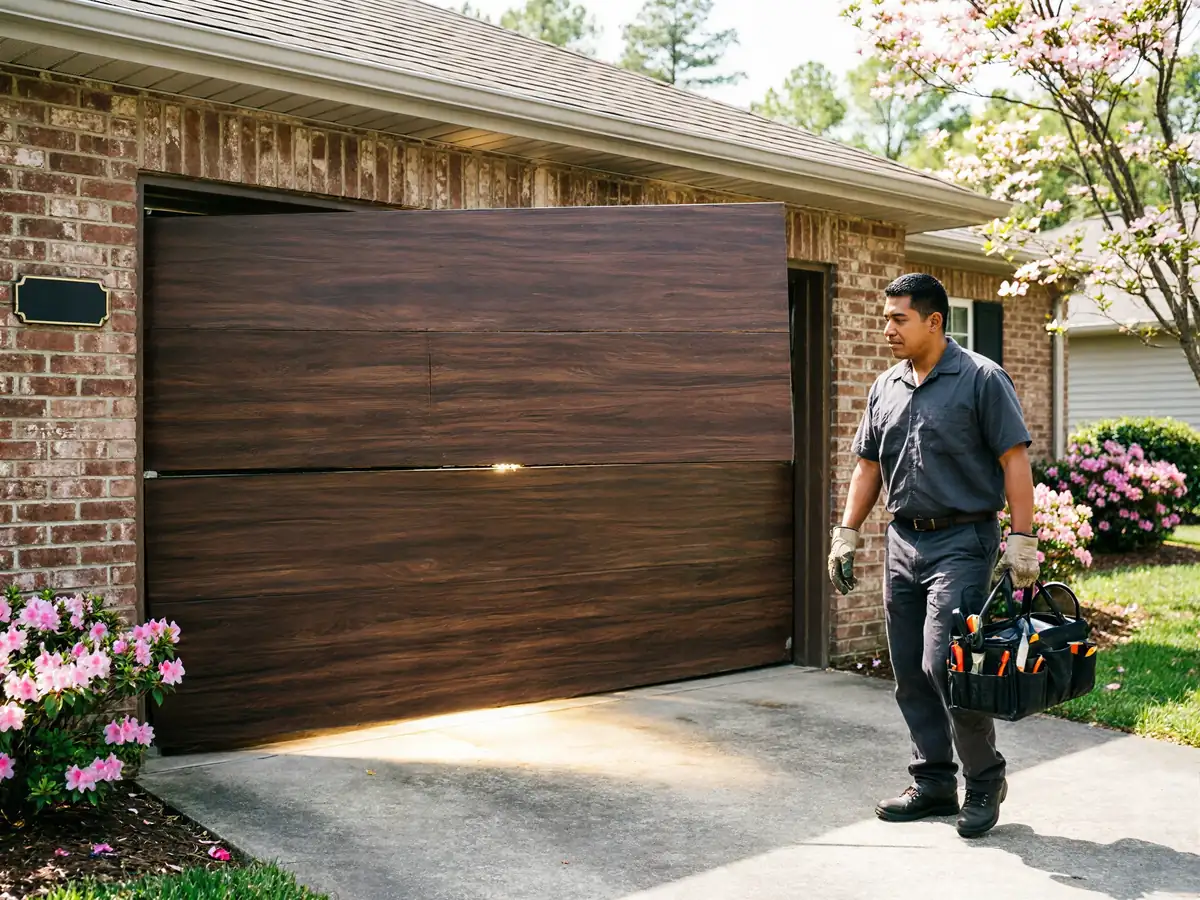
The giveaway that it's time to replace rather than patch is usually a door that still closes but doesn't seal - daylight along the bottom, a seam that's bowed from years of sun, or an opener straining because the spring tension was set for a door that's since sagged. The median household income on this side of the area runs $77,781, a bit above the $73,292 figure across the wider service territory, and we see that show up less in whether people replace a door and more in which door they pick - more owners here go with insulated steel over the bare minimum than we'd quote elsewhere. We won't talk you into a full replacement if a cable swap or a new bottom seal solves the actual problem; that call goes the other way plenty of times. But once the panels themselves are the issue - rust-through, delamination, a frame that's pulled away from the track - patching stops making sense and a new door is the honest answer.