Getting It Booked In
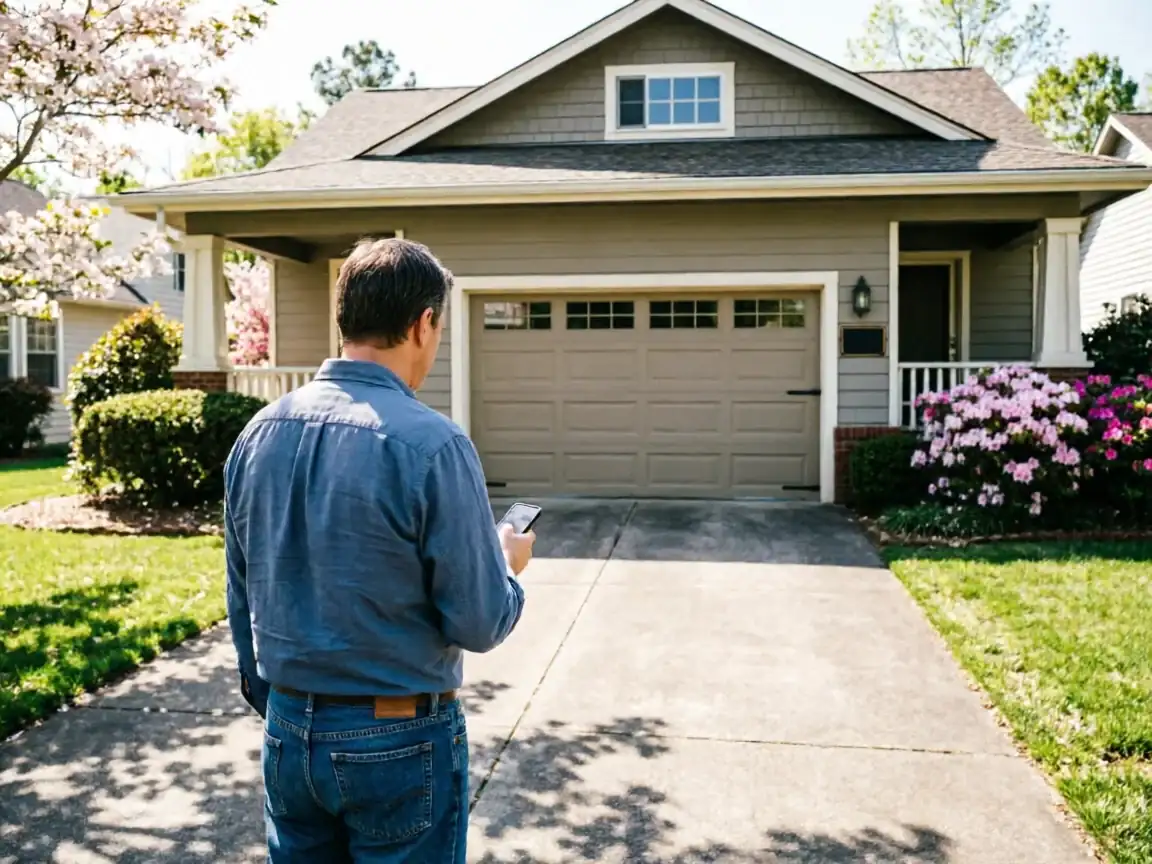
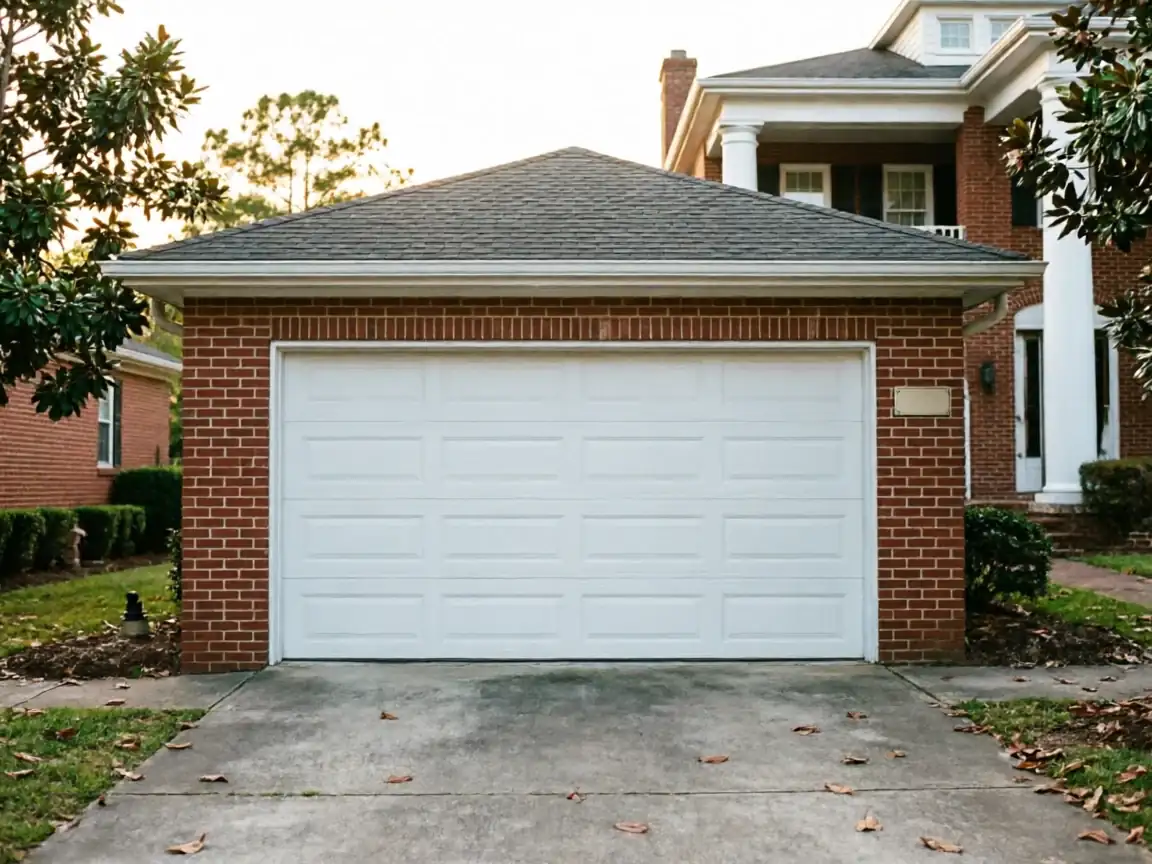
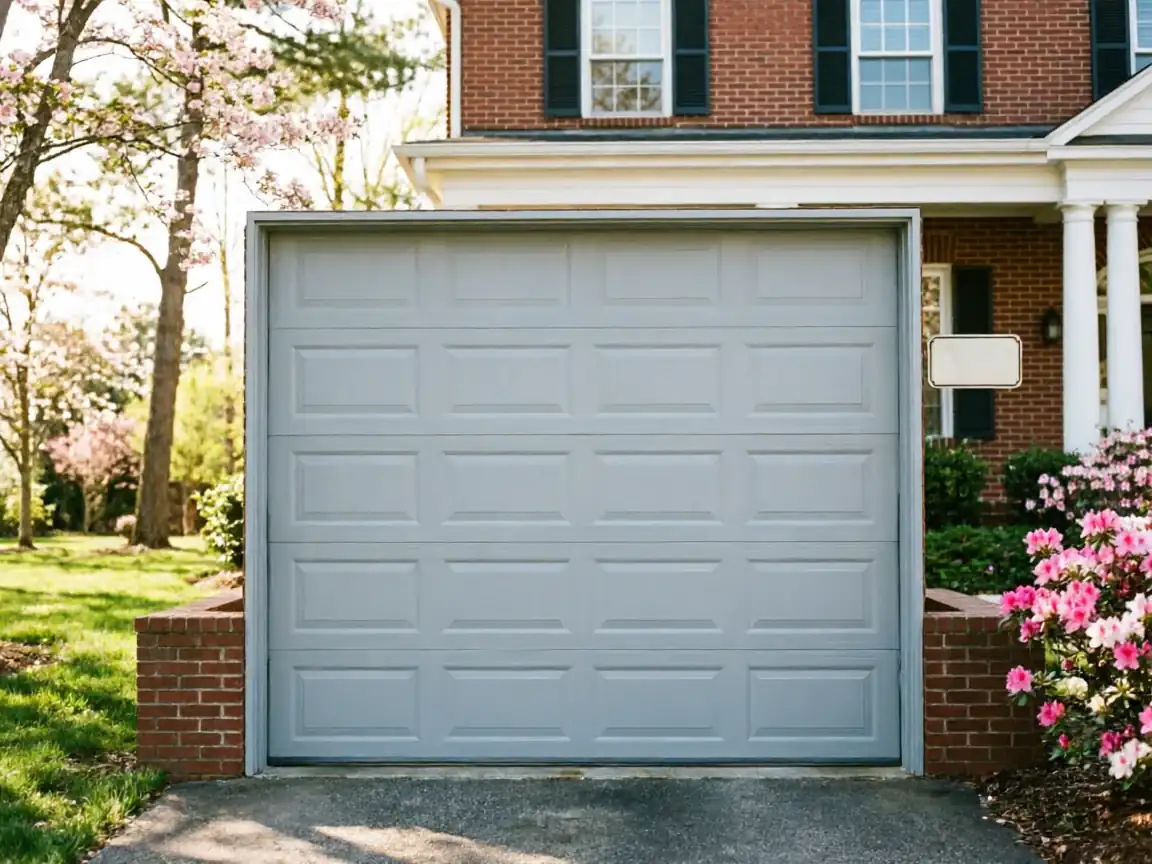
The median house in Northport went up in 1992, which puts most of the neighborhood squarely in the steel-panel-on-torsion-spring era - 16x7 double doors or 9x7 singles, non-insulated or single-layer insulated, hung on torsion springs sized for a standard 7-foot header. That's the door we're walking up to on most Northport calls, not the older wood doors or the newer insulated steel you'd find in a subdivision built well after 2005.
We run this from our Tuscaloosa shop, about 4 miles from Northport, so there's no separate branch here - the truck comes to you. See the full list of nearby areas we cover at our Northport coverage page. Call in, tell us what the door's doing (or not doing), and we get a job on the schedule. With roughly 12,396 households in the area and a $77,781 median income, most of what we see is routine wear on doors installed when the house was built, not storm damage or anything exotic.
One limitation worth saying up front: if a part needs to come from the manufacturer and it's an older or uncommon size, that can add a day or two to the job. We'll tell you that before we start rather than promise a same-day fix we can't back up. For general service details across the metro, see our Tuscaloosa garage door repair page.
Can You Do This Yourself
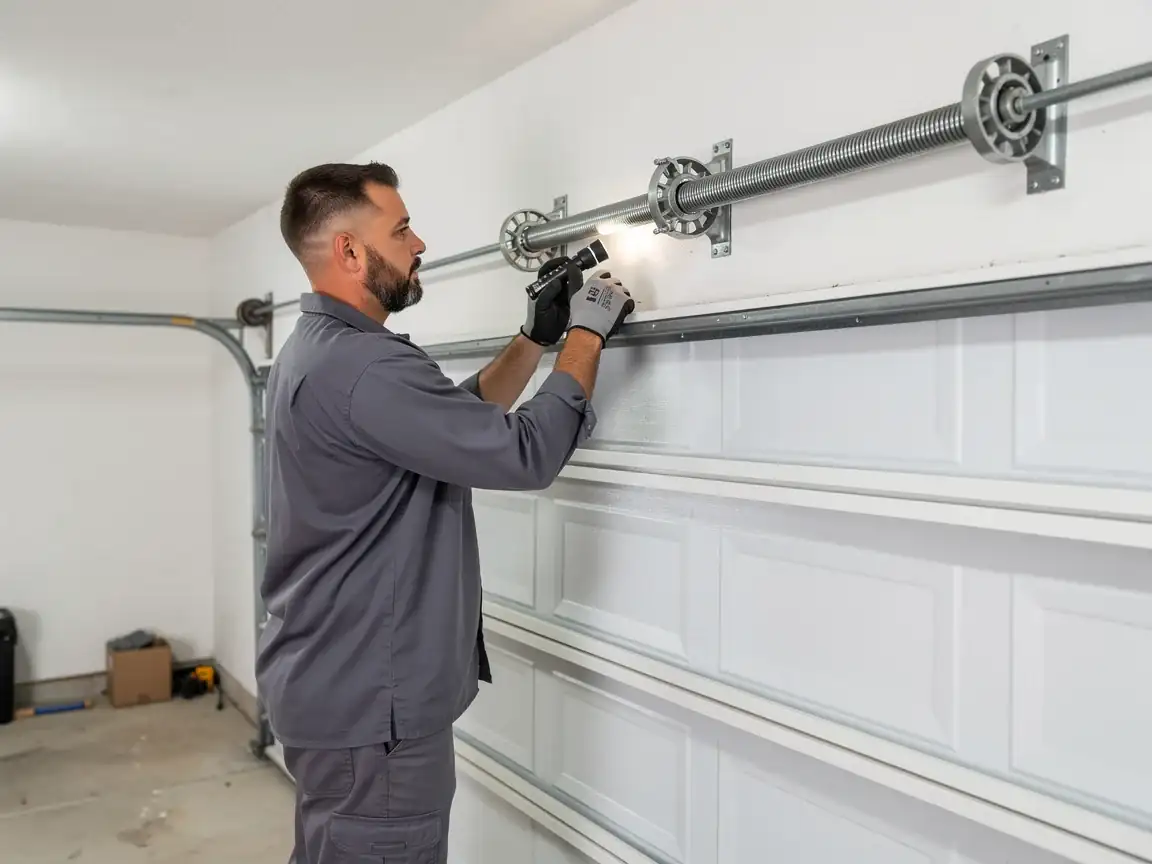
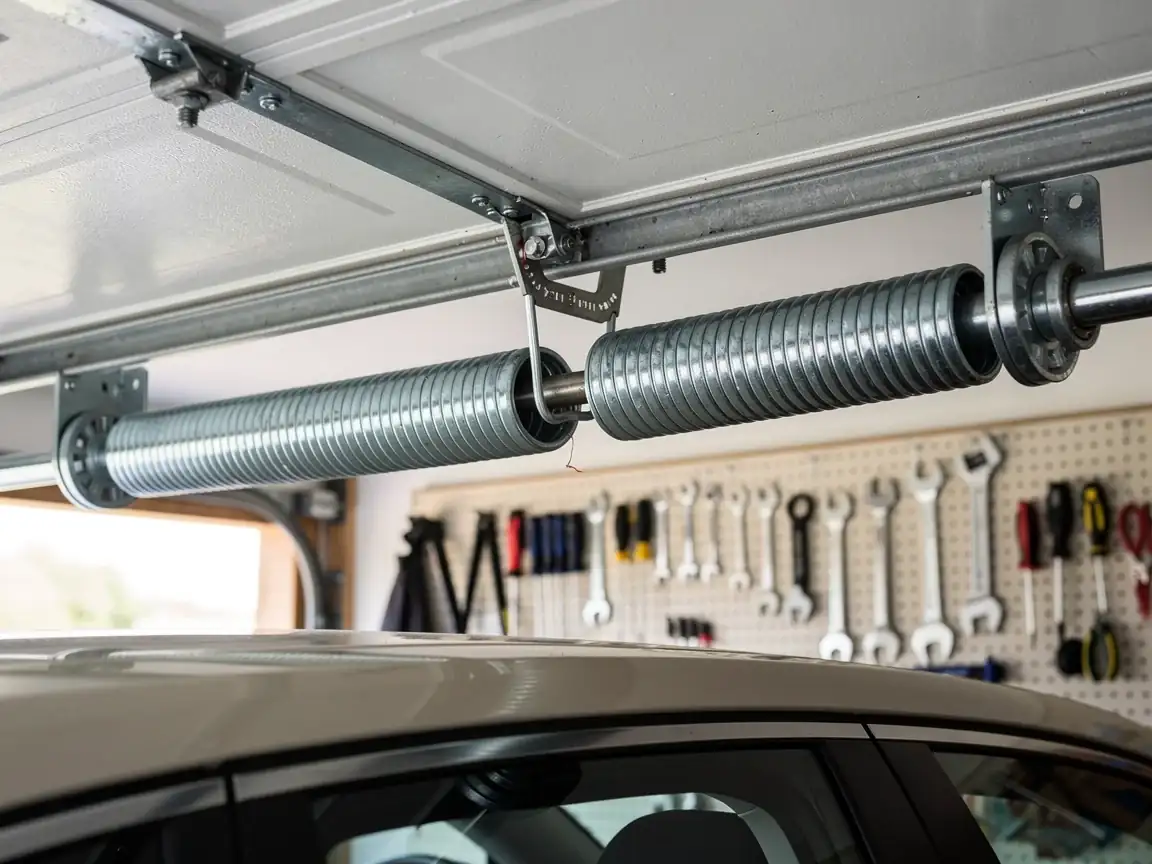
A torsion spring holds enough tension to break a bone or worse if it lets go while you're working on it
If your door's spring is broken - door won't lift, or it slams down instead of rolling - that's not a weekend project. Leave it to someone with the right bars and clamps.
Rollers, hinges, and the weatherstripping along the bottom panel are different
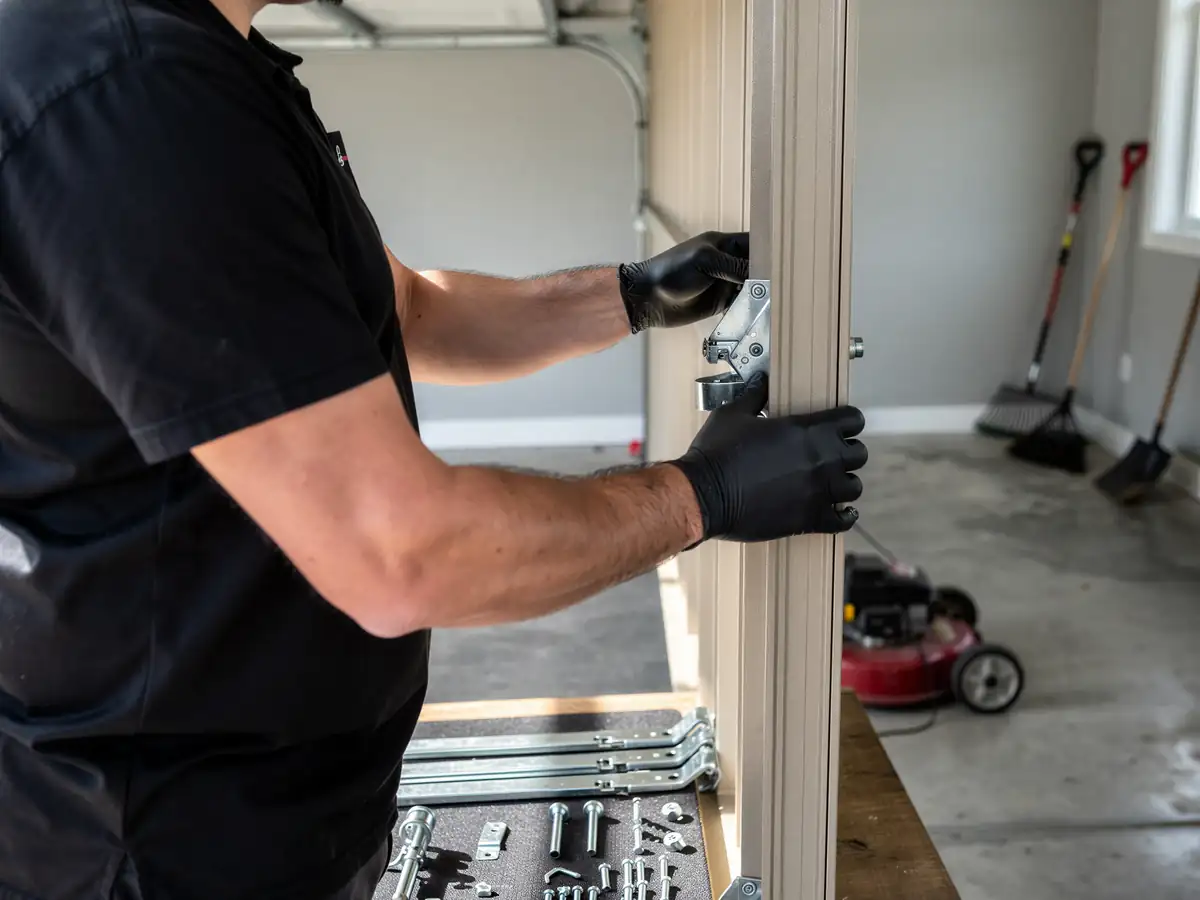
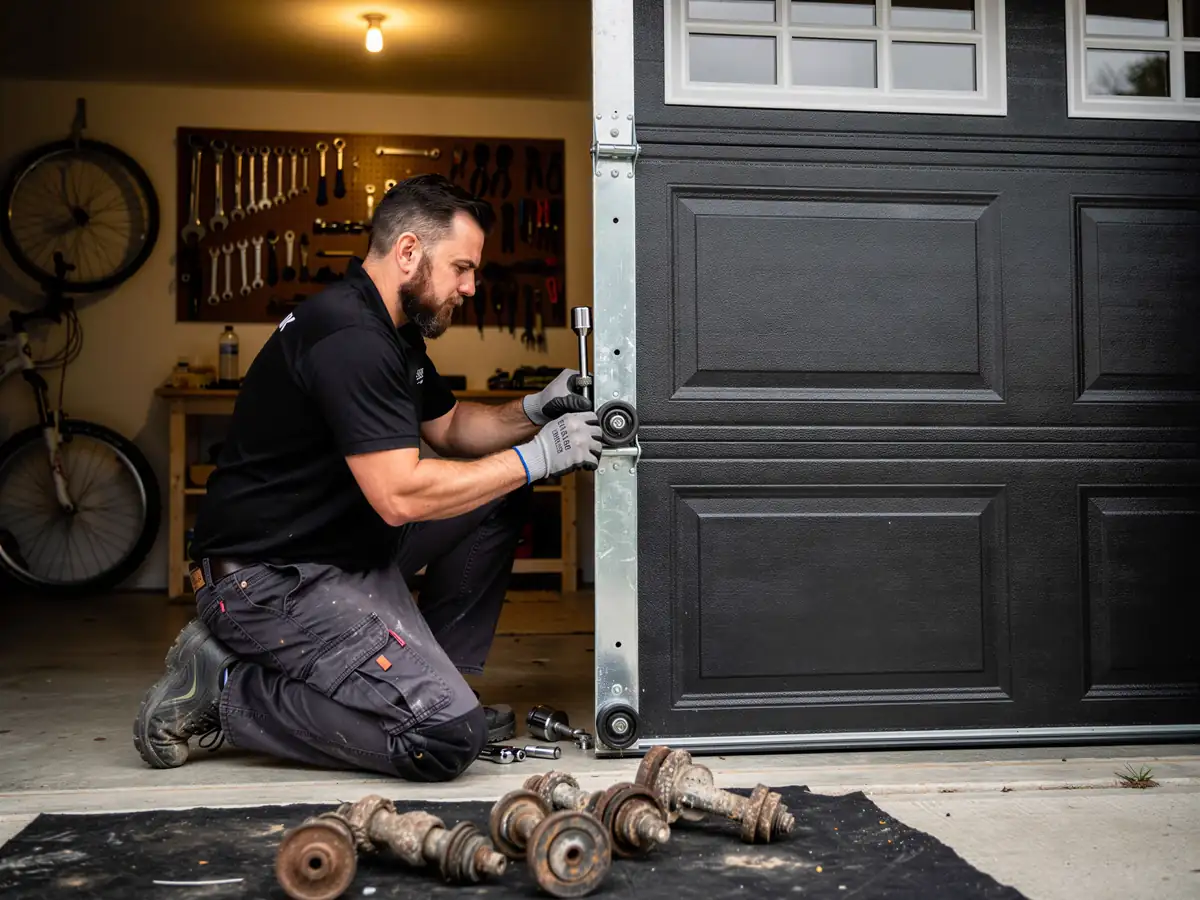
On a door from the early 1990s, worn nylon rollers are common, and swapping them is reasonable if you're comfortable with a ladder and a socket wrench. Same with lubricating the track and hinges - a shot of garage-door-specific lube twice a year keeps the whole system quieter and slower to wear.
What you shouldn't touch
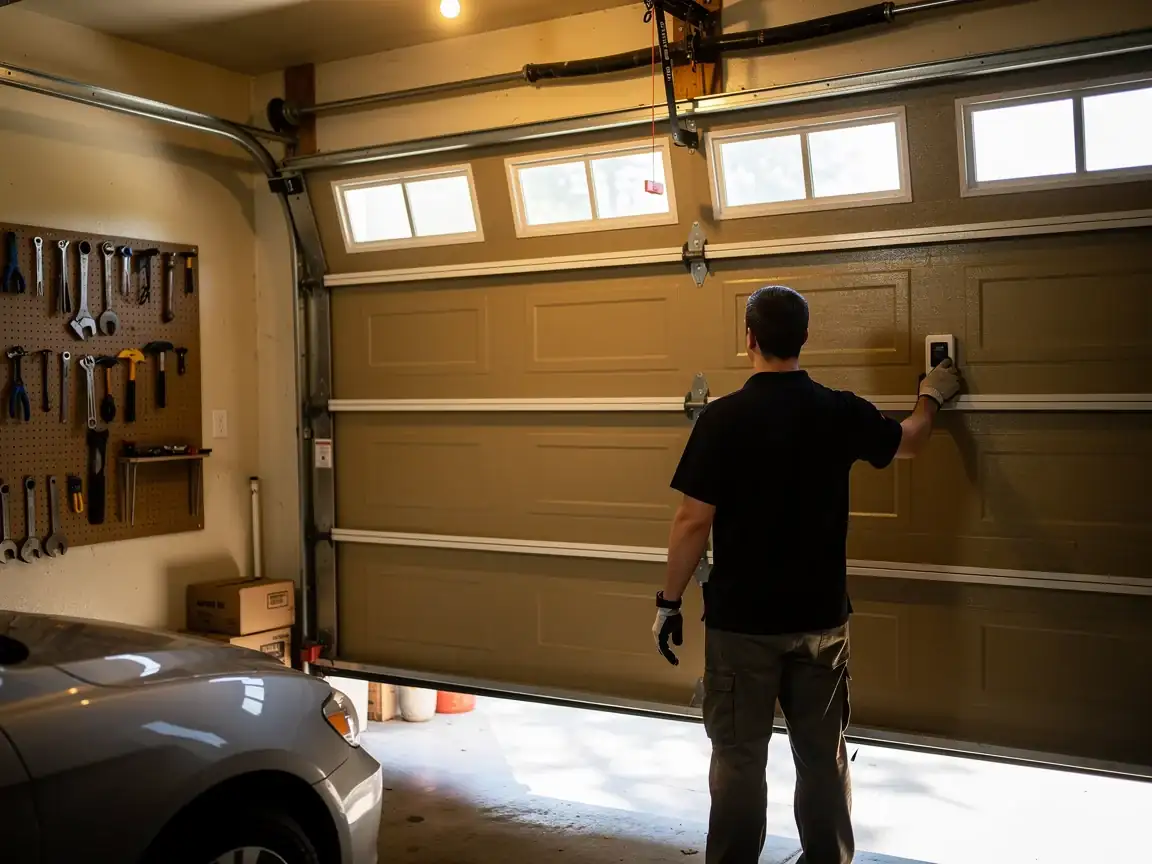
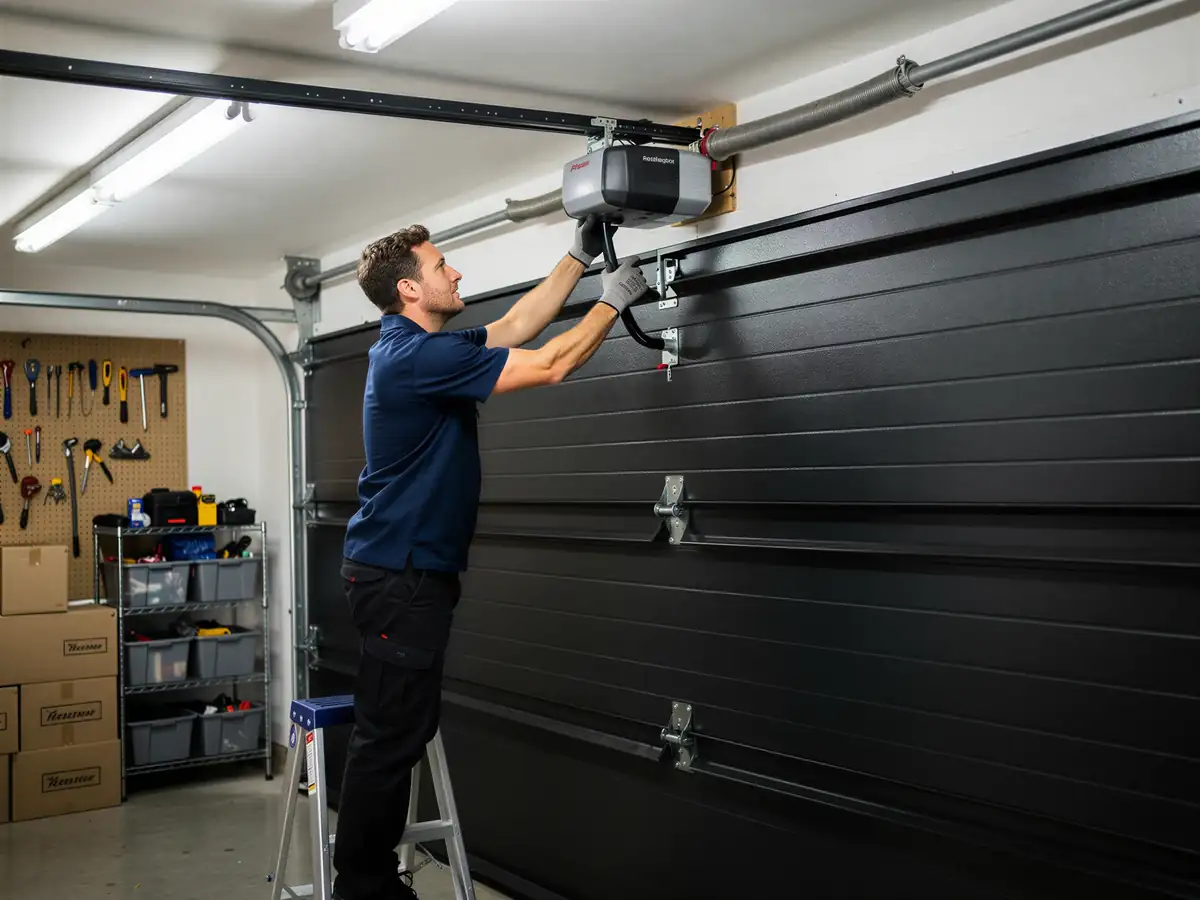
The torsion spring itself, the cables running to the bottom bracket, or anything that requires disconnecting the opener's safety sensors. Those sensors matter more on older installs, since a door from 1992 wasn't built to the same photo-eye standards that came later, and running it without them working right is a real risk to anyone walking under it. If you're not sure which category your problem falls into, that uncertainty itself is a reason to call rather than guess.
What the Fix Involves
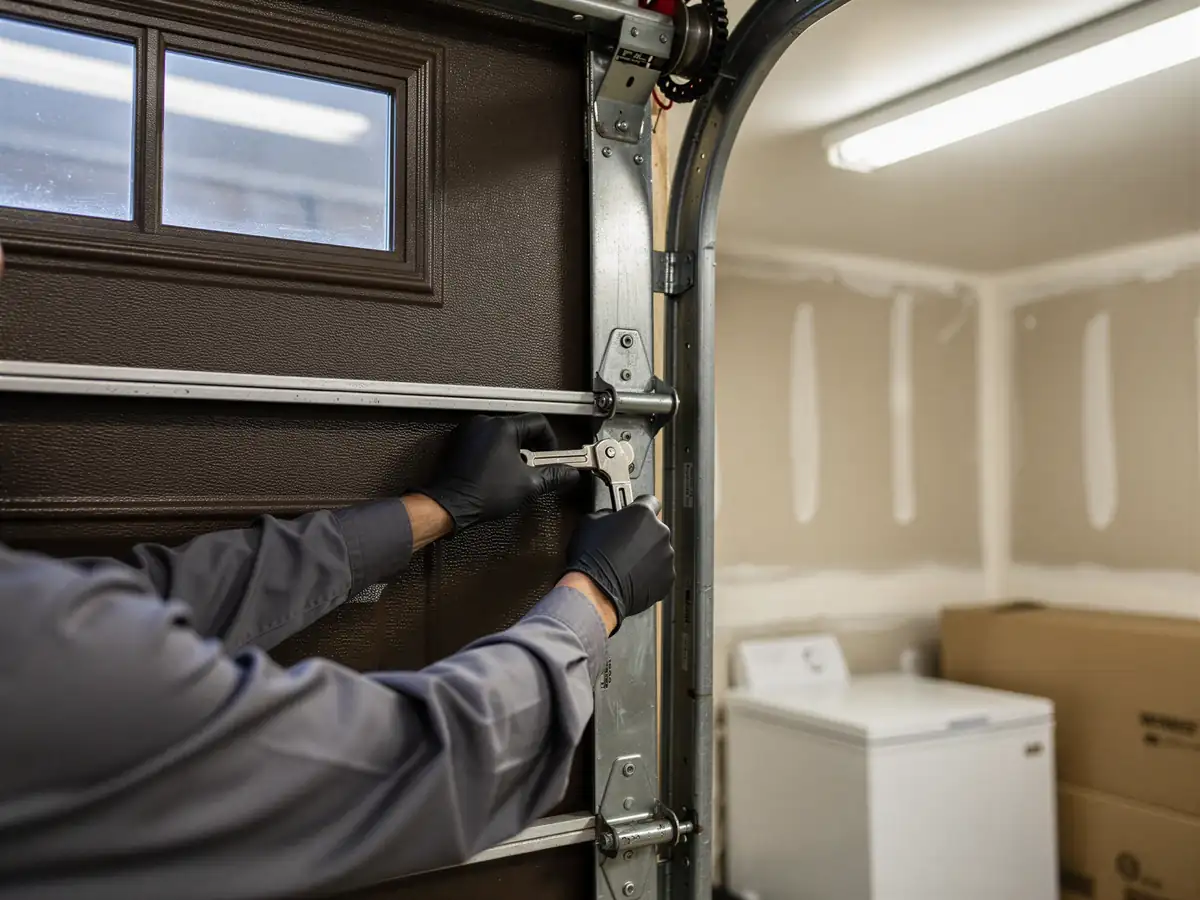
On a 1990s-era Northport door, the repair call is usually one of three things: the torsion spring has broken (you'll hear a loud bang, often mistaken for a gunshot), a cable has frayed off the drum, or the rollers have worn enough that the door binds in the track. We match the spring to the door's weight and the drum already on your shaft - on an original 1990s install, that's often a different wind and wire gauge than a newer door would take, so we measure rather than guess.
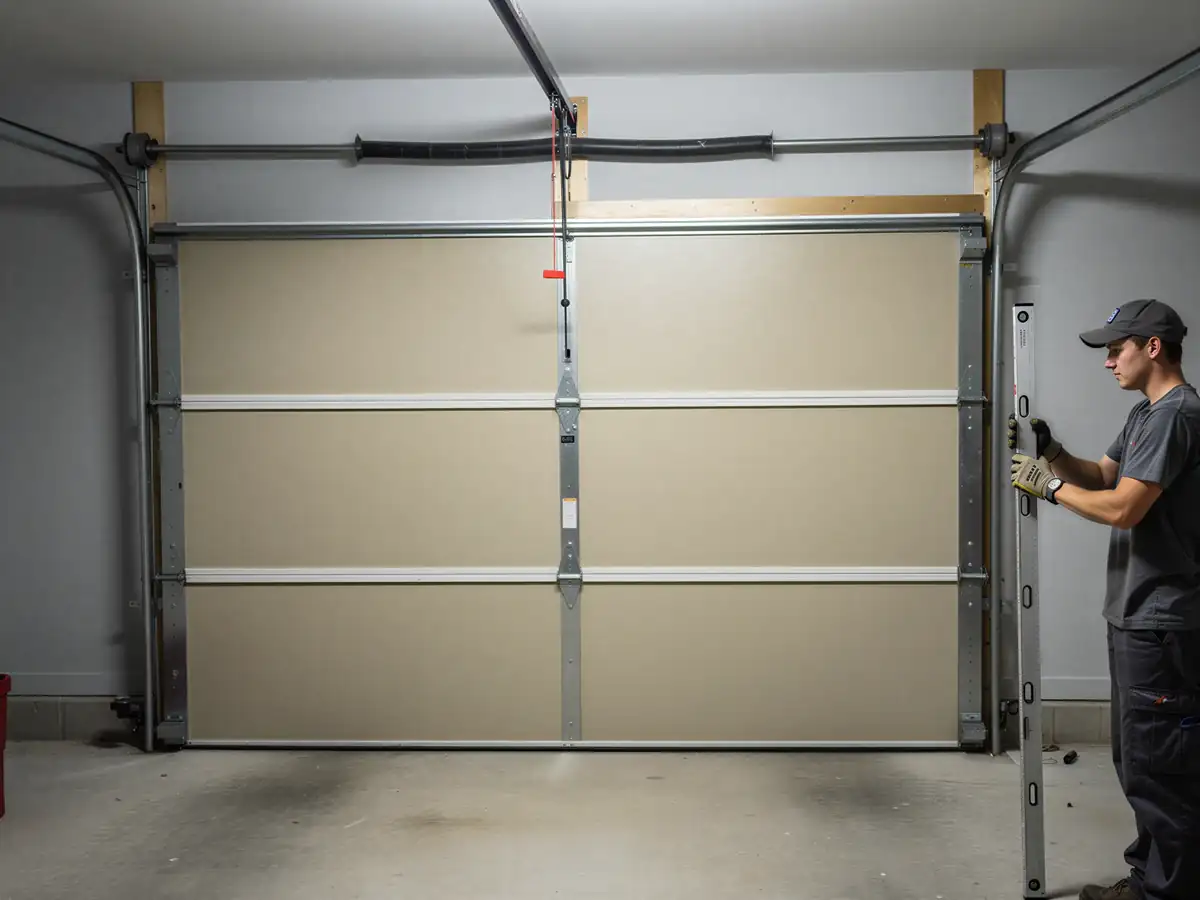
If the track is out of alignment, which happens on doors this age as the house settles, we reset it rather than replace it outright unless it's bent. Full replacement only comes up if the door itself - not just the hardware - has deteriorated, which we see more on original 9x7 single doors than on the wider doubles.
We don't do cosmetic-only work like repainting a door that's otherwise sound structurally and mechanically; if the hardware's good, that's a painter's job, not a garage door call. We'll say so rather than bill for it.
The Symptom
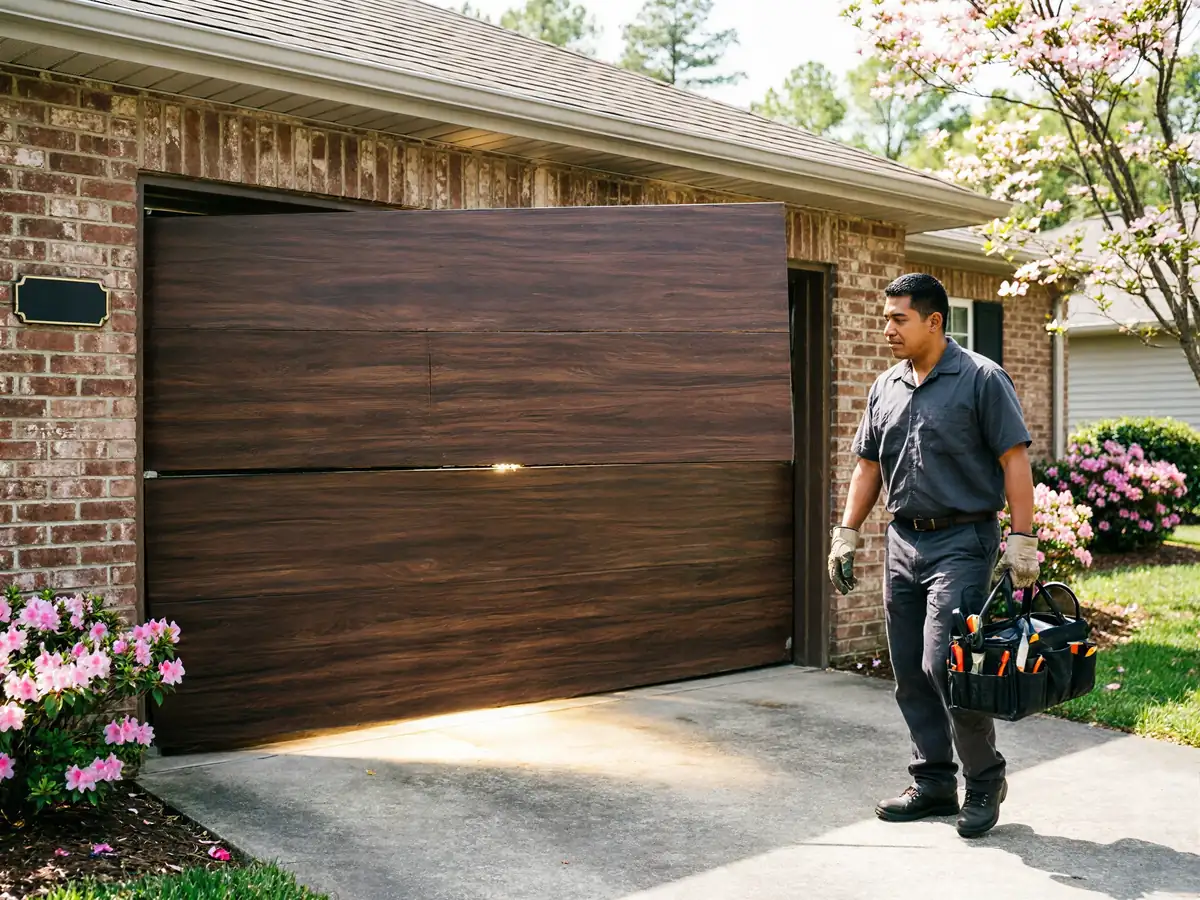
The most common thing we hear from Northport callers is the door that opens unevenly - one side a few inches higher than the other before it levels out, or a scraping sound partway through the cycle. On a door built when these houses went up, that's usually one cable looser than the other, not a motor problem, and it's worth getting looked at before the uneven lift turns into a jammed track or a cable off the drum entirely.
The second most common is a door that won't move at all, with a loud bang beforehand - that's a broken torsion spring, and it's the single most common call we get from this part of the service area. The bang is the spring letting go, not the opener failing; the opener is probably fine, it just can't lift a door with no spring tension helping it.
A quieter but still real complaint is a door that's gotten noisy over the last year or two without any single failure - that's usually the original rollers finally giving out, decades of plastic wear catching up at once on a house built around 1992.