What the Fix Involves
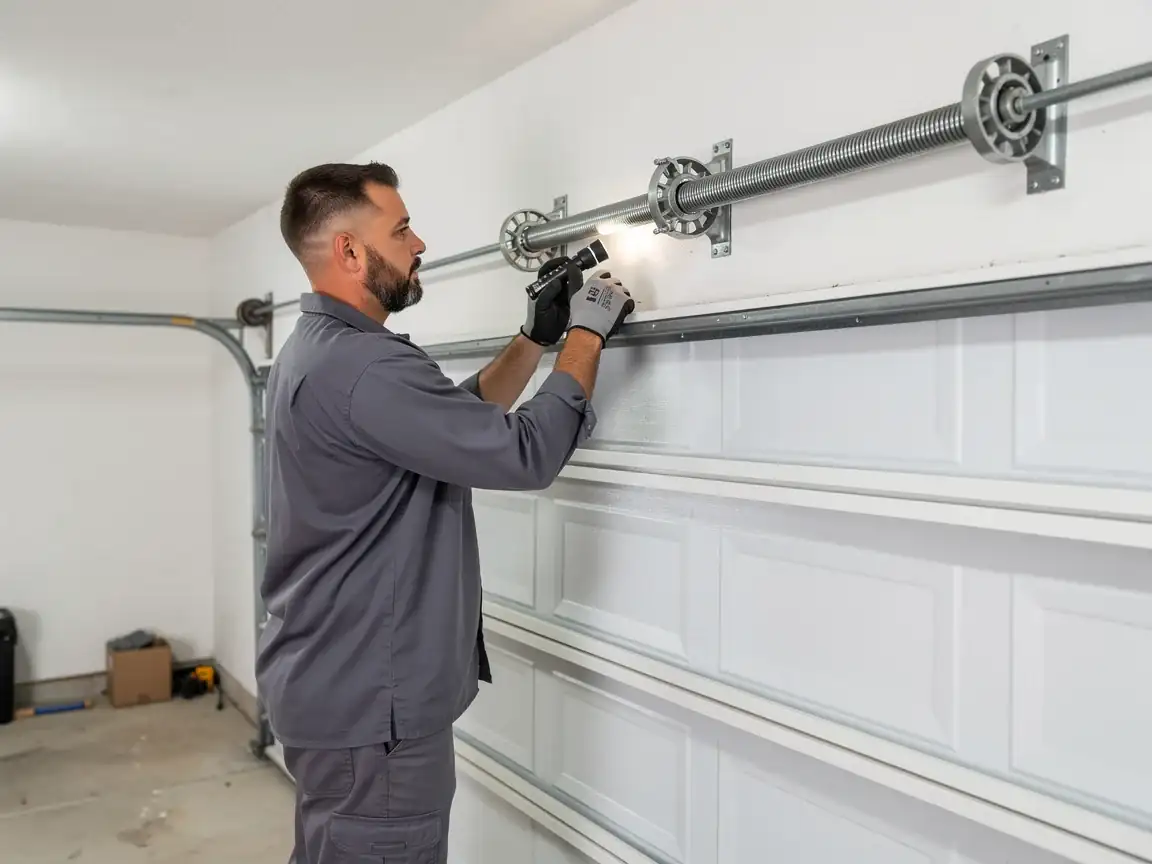
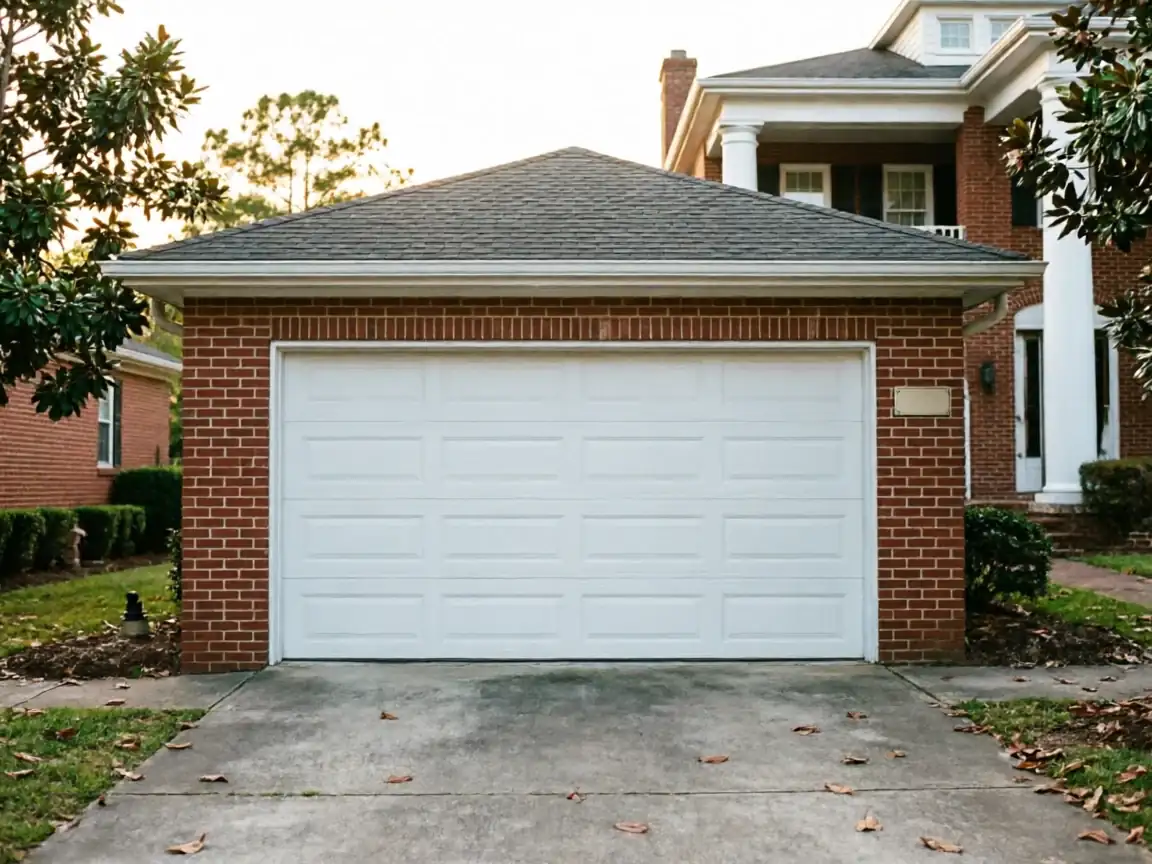
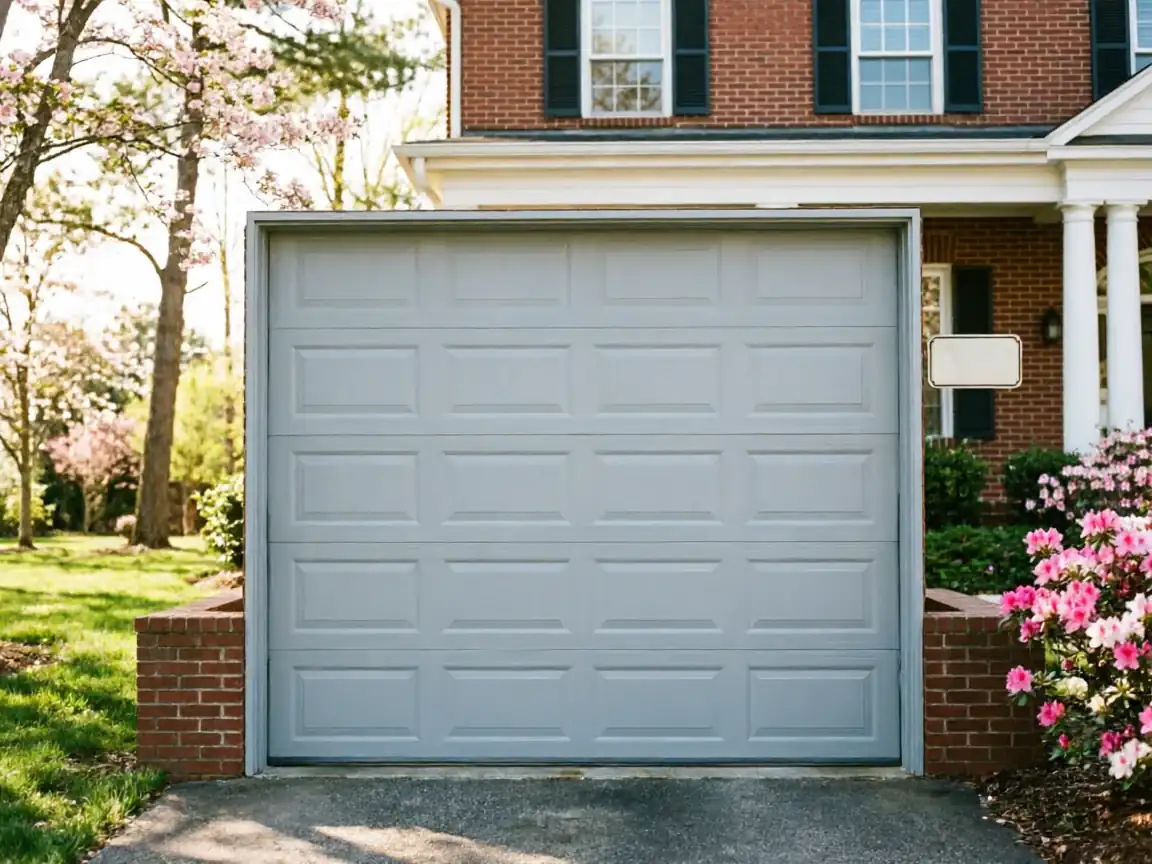
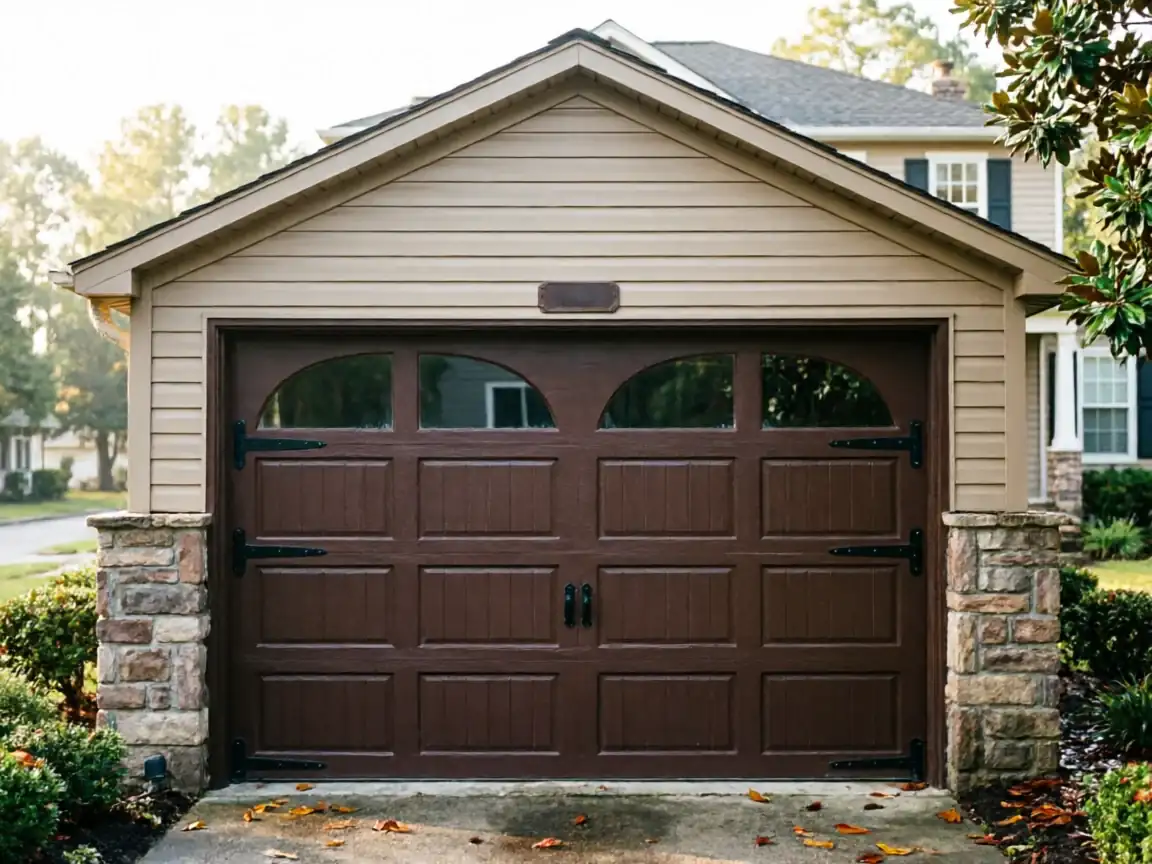
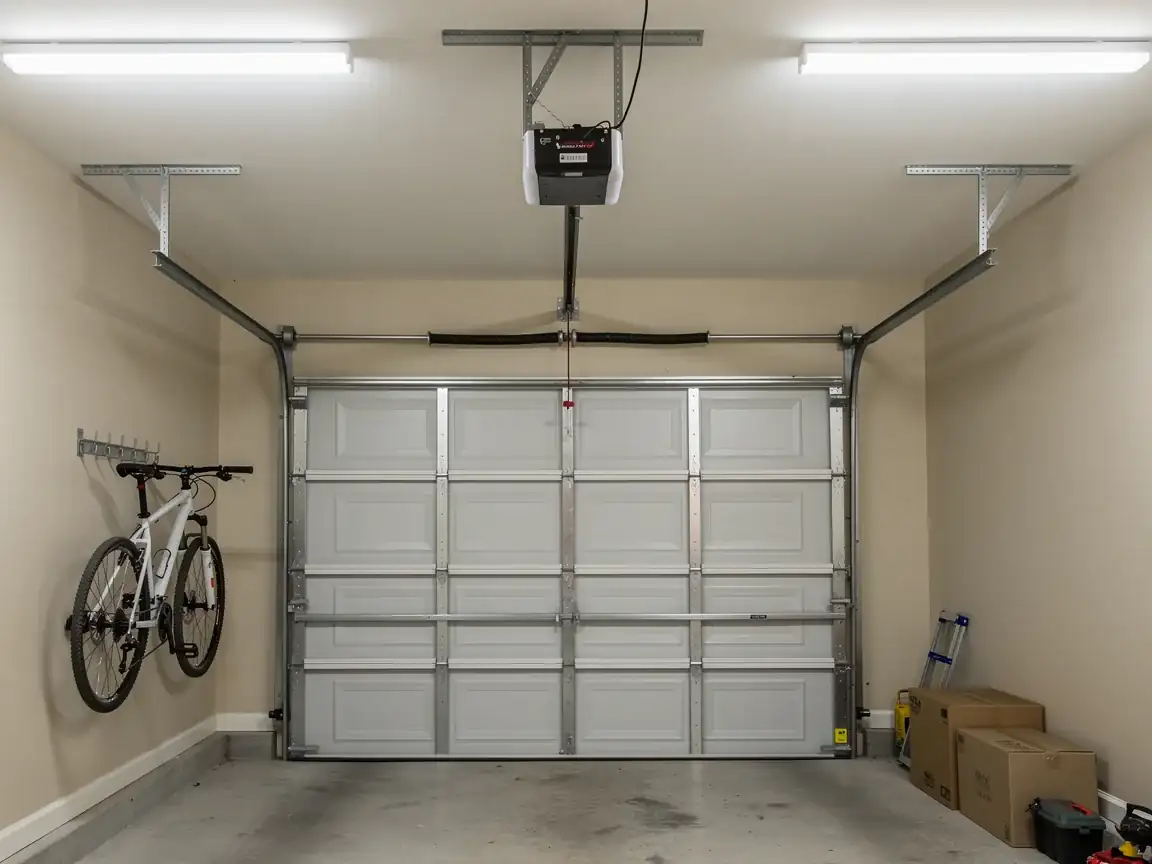
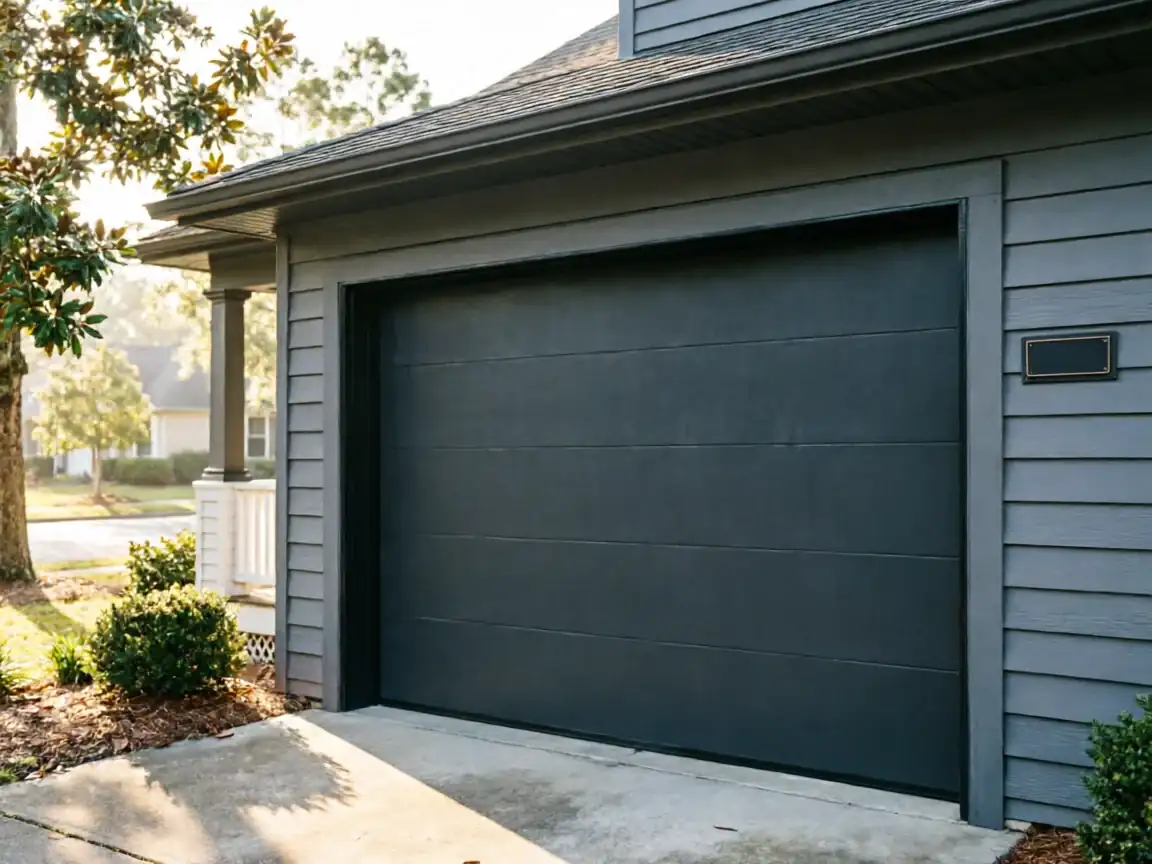
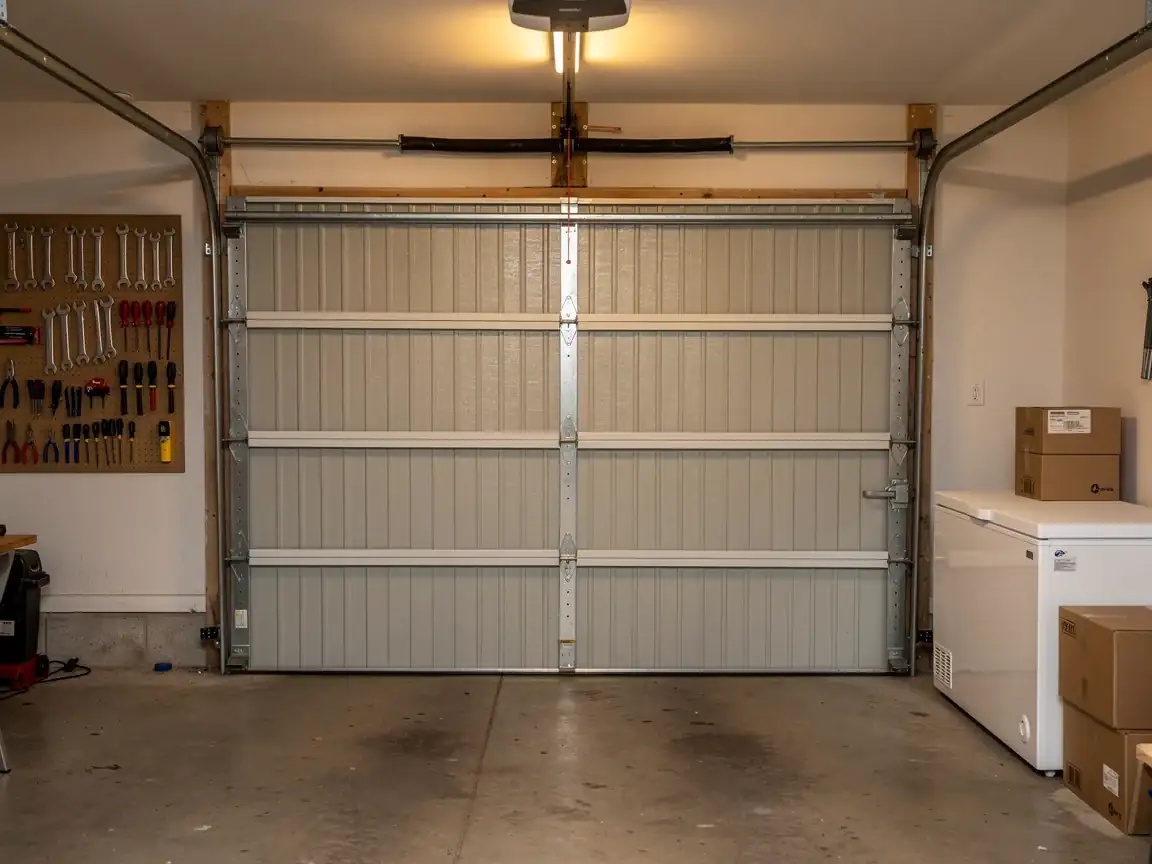
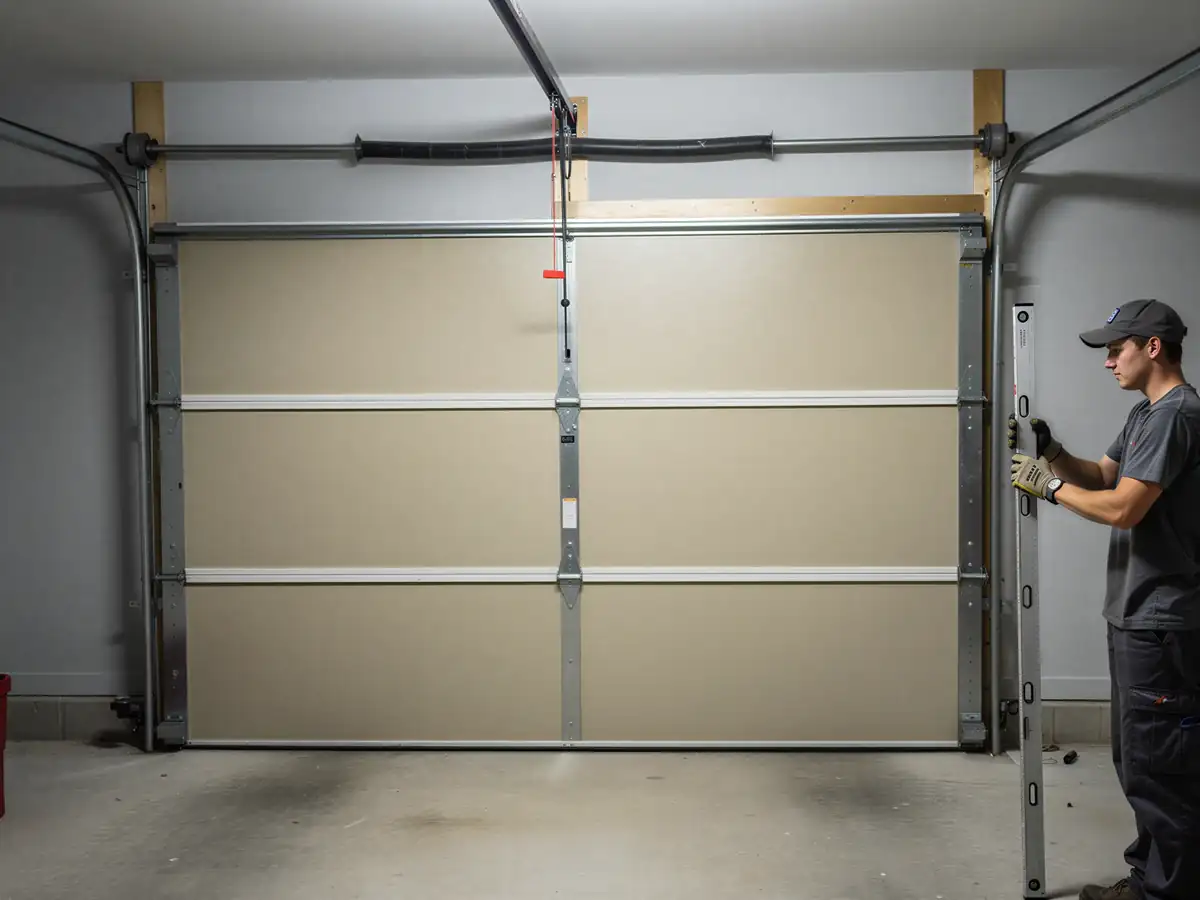
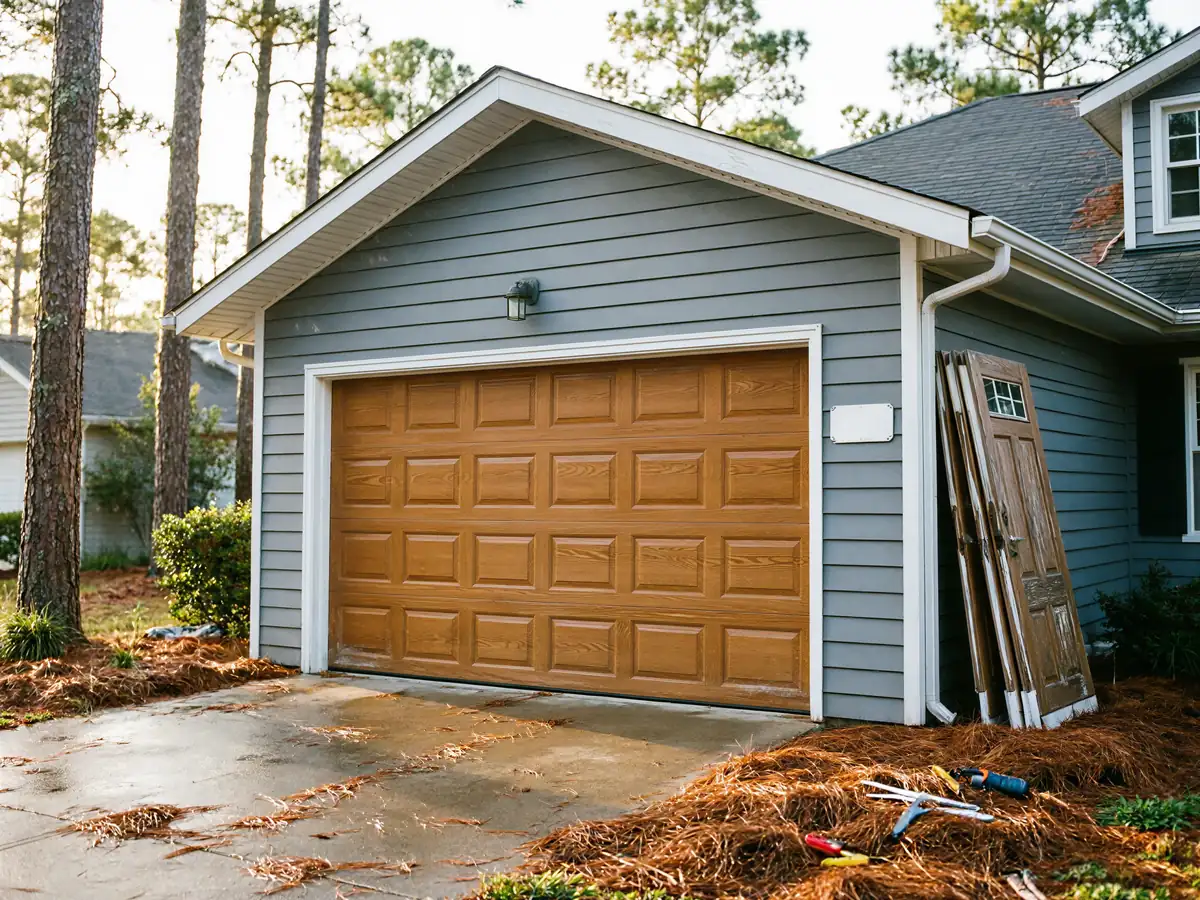
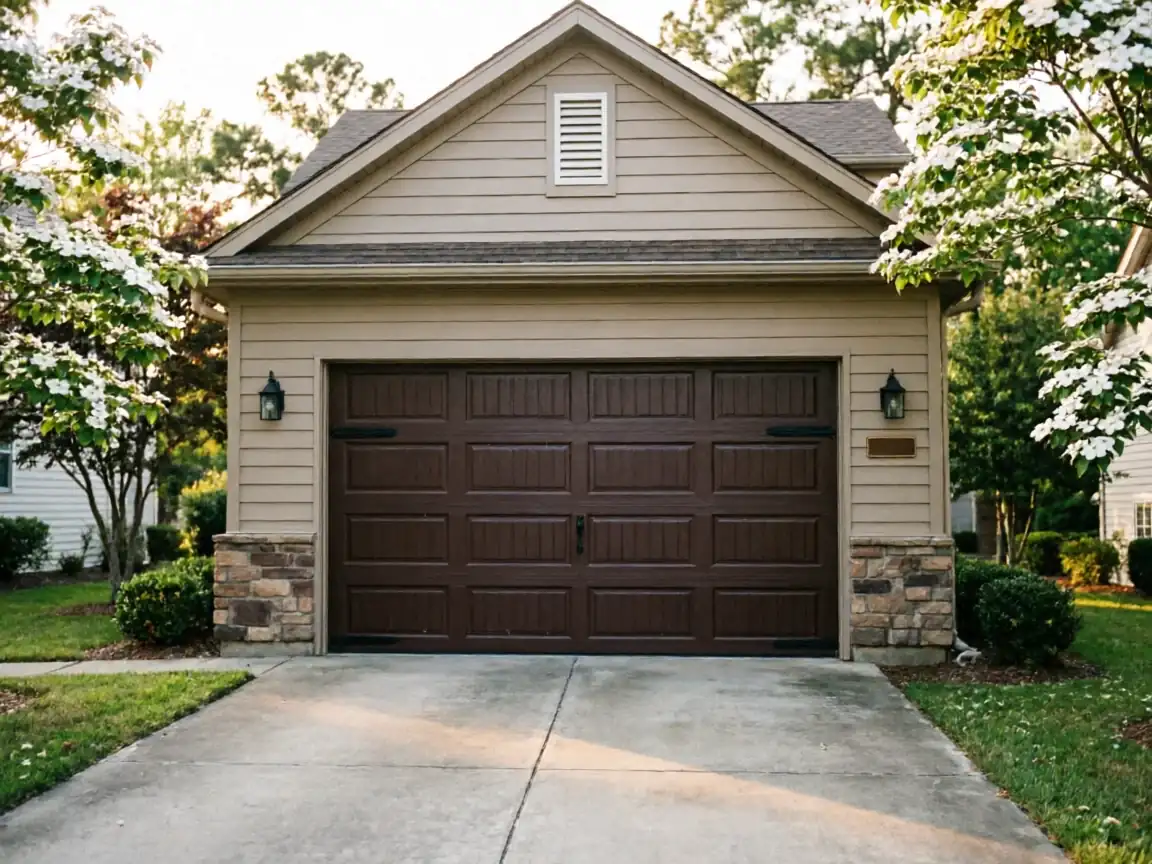
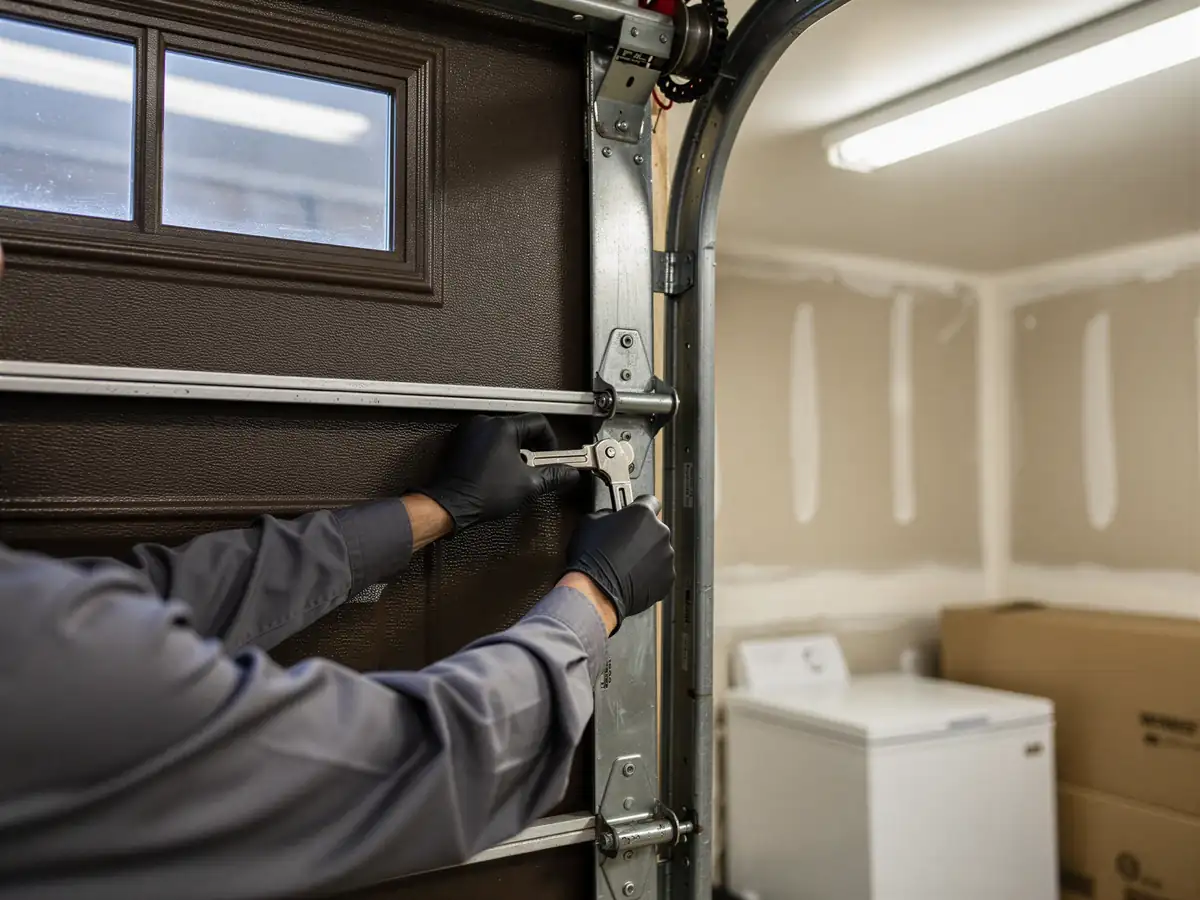
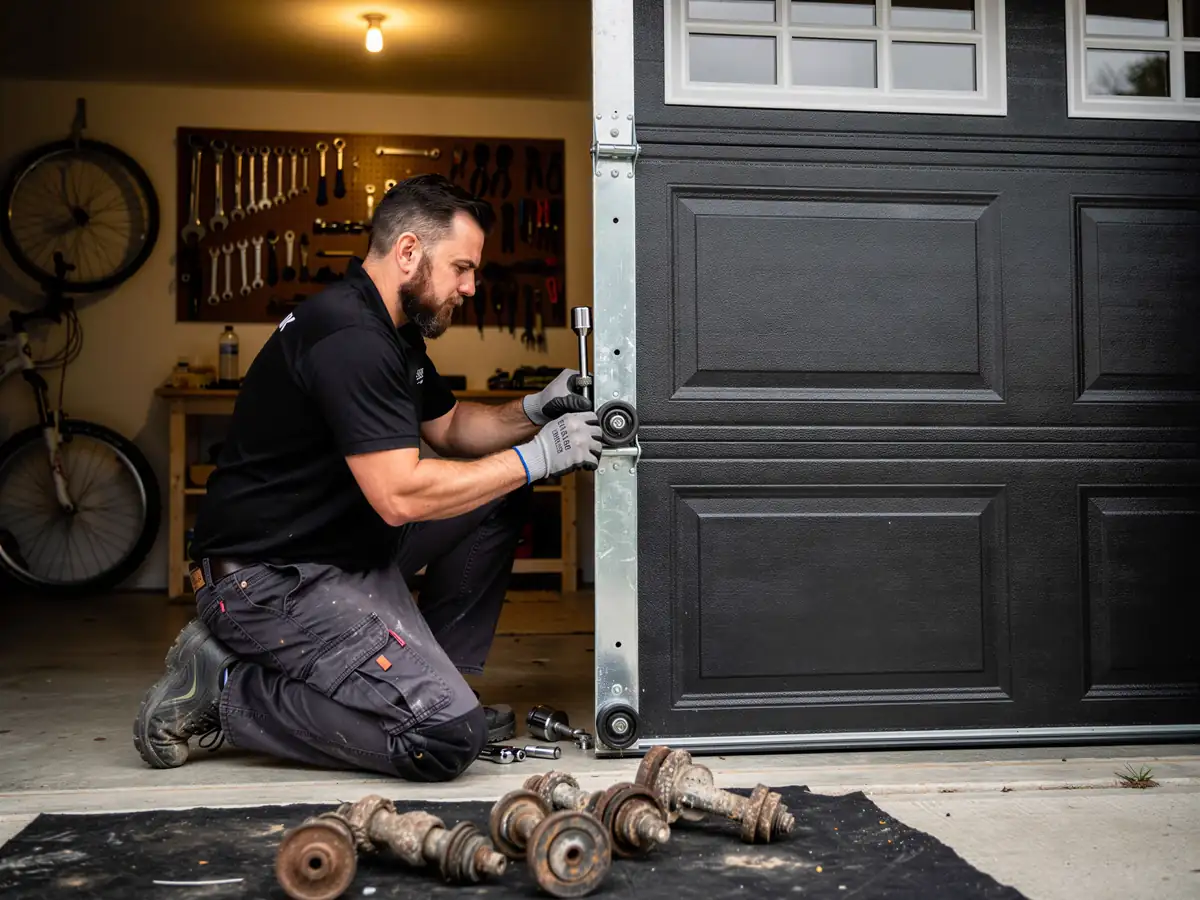
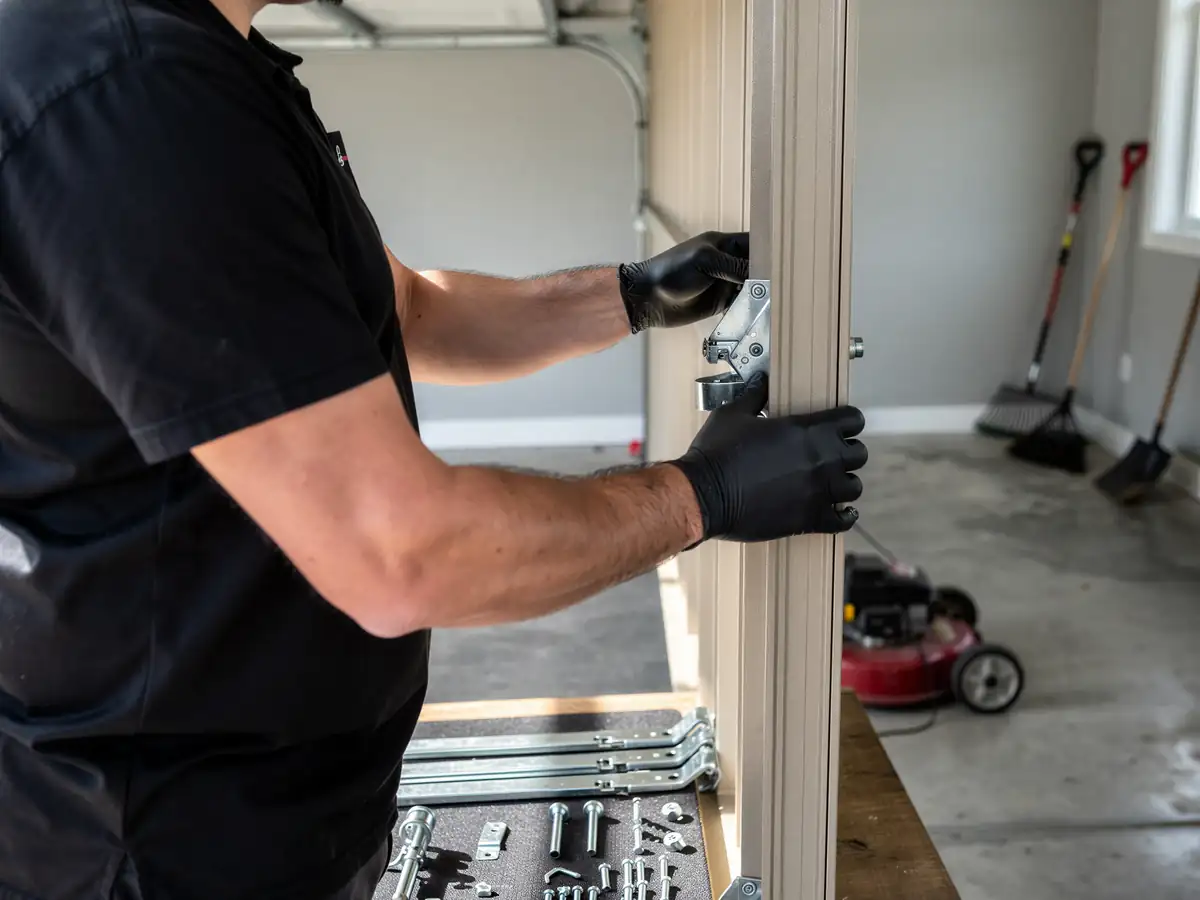
Most houses in Coaling went up around 1997, which puts the typical garage door here a decade or more newer than what you'll find in the older pockets of Tuscaloosa. That means steel sectional doors, usually in standard 16x7 double or 9x7 single sizes, with raised-panel embossing pressed into the steel rather than a flat slab. A lot of these were built without foam insulation between the skins, since insulated doors didn't become the default around here until later. Practically, that means a dented or caved panel on one of these doors is a single steel skin, not a sandwich - which makes it lighter to pull off but also easier to buckle again if the replacement panel isn't matched to the original roll-formed profile. We pull the section, match the panel style and color as close as the manufacturer allows, and set it back into the existing track without disturbing the hinges unless they're bent too. If the whole run of panels has gone soft from rust at the bottom, we'll say so rather than patch one section and send you back out in a year.
Time on the Job
A single-panel swap on a standard sectional, once the part's in hand, usually runs under two hours on site. The variable isn't the labor, it's the part. A common panel width in stock sizes can sometimes be sourced quick; a discontinued embossing pattern or an odd color match on an older steel door can take longer to track down. We'll tell you up front if your panel falls into the second category instead of promising a date we can't hit.
The Cost of This Job
We don't have a posted price for panel replacement to quote here, and giving you one without seeing the door and the damage would be a guess dressed up as a number. What drives the cost is the panel count, whether it's insulated or single-skin, and whether the color is a stock finish or needs a custom match. We'll quote it on the visit, not over the phone.
The Symptom
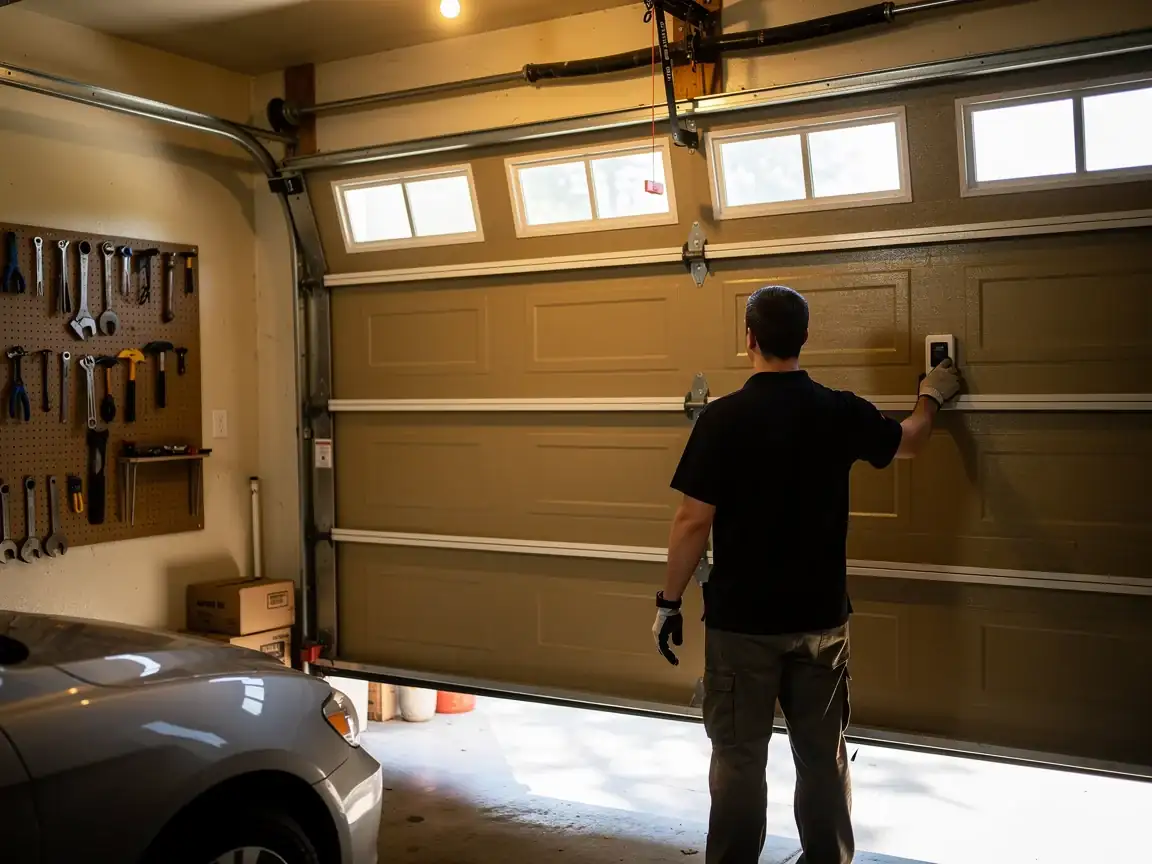
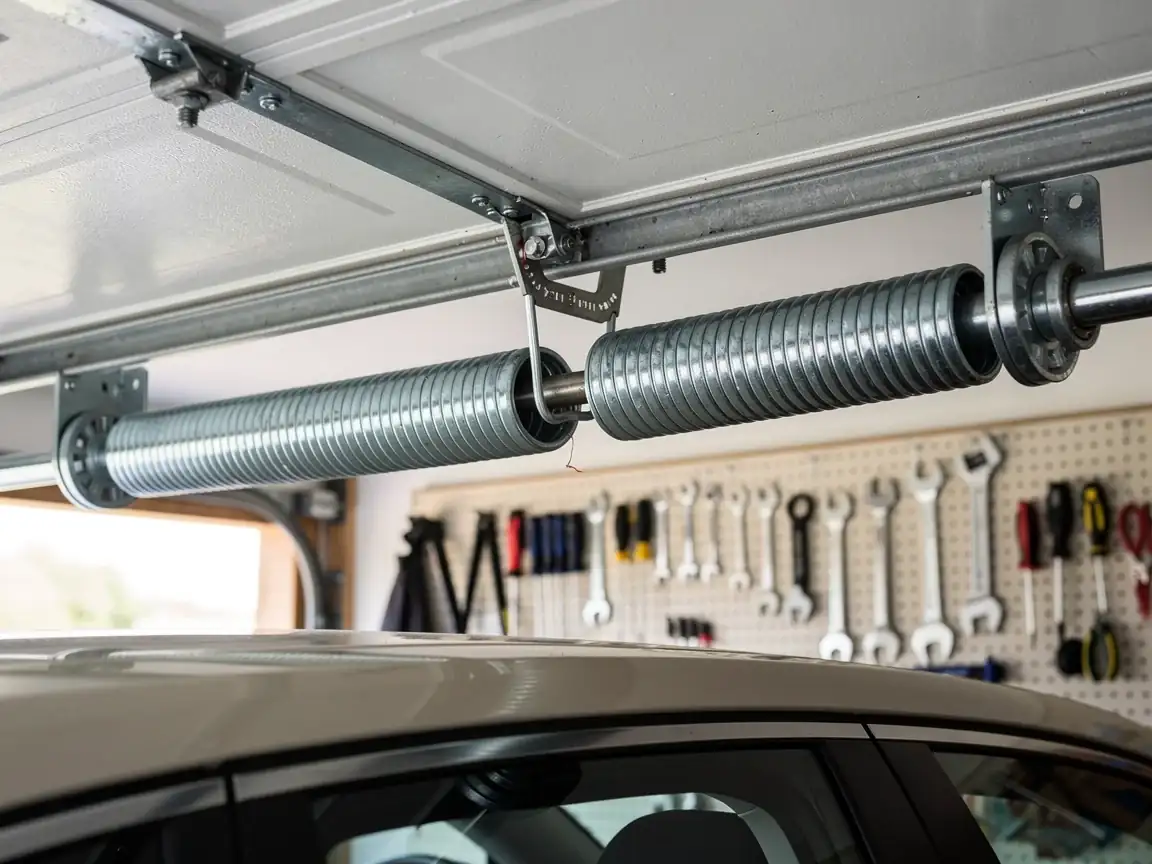
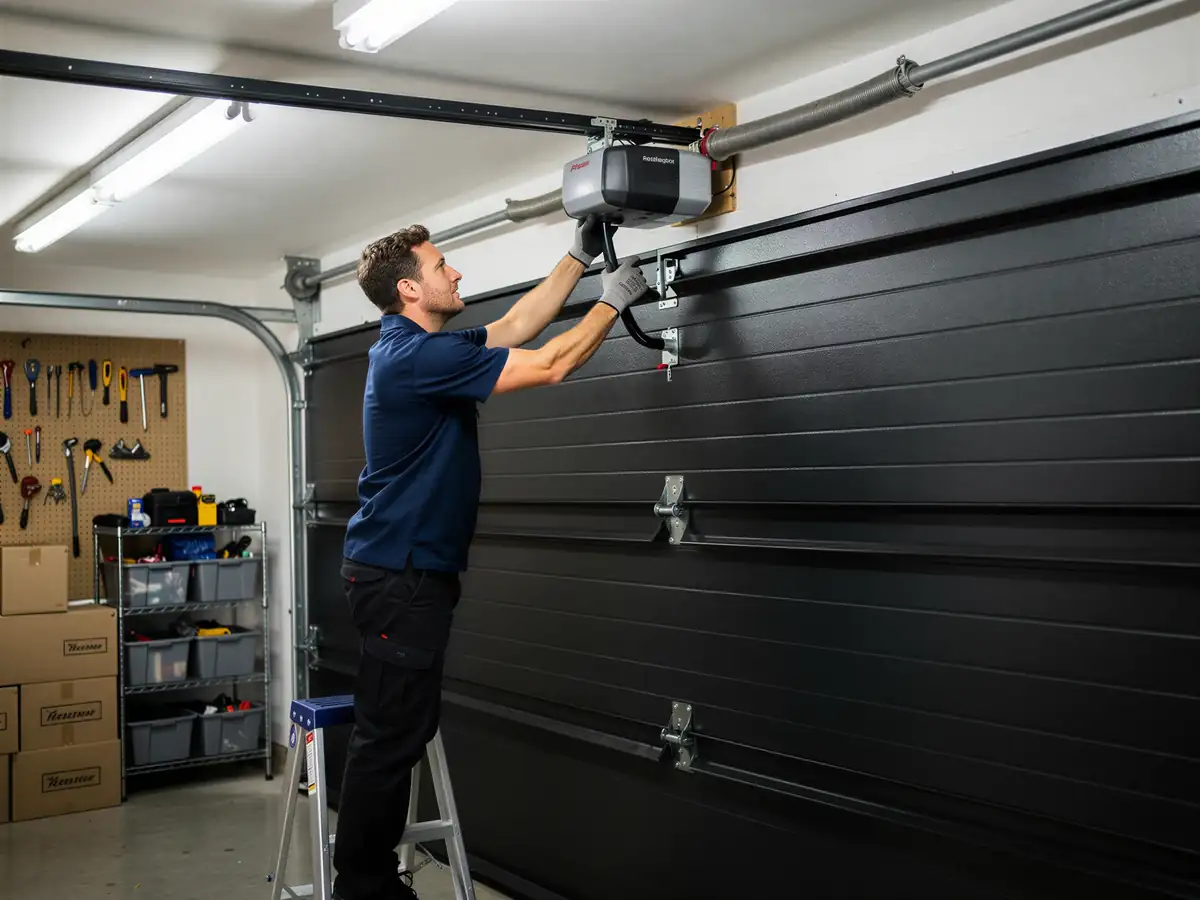
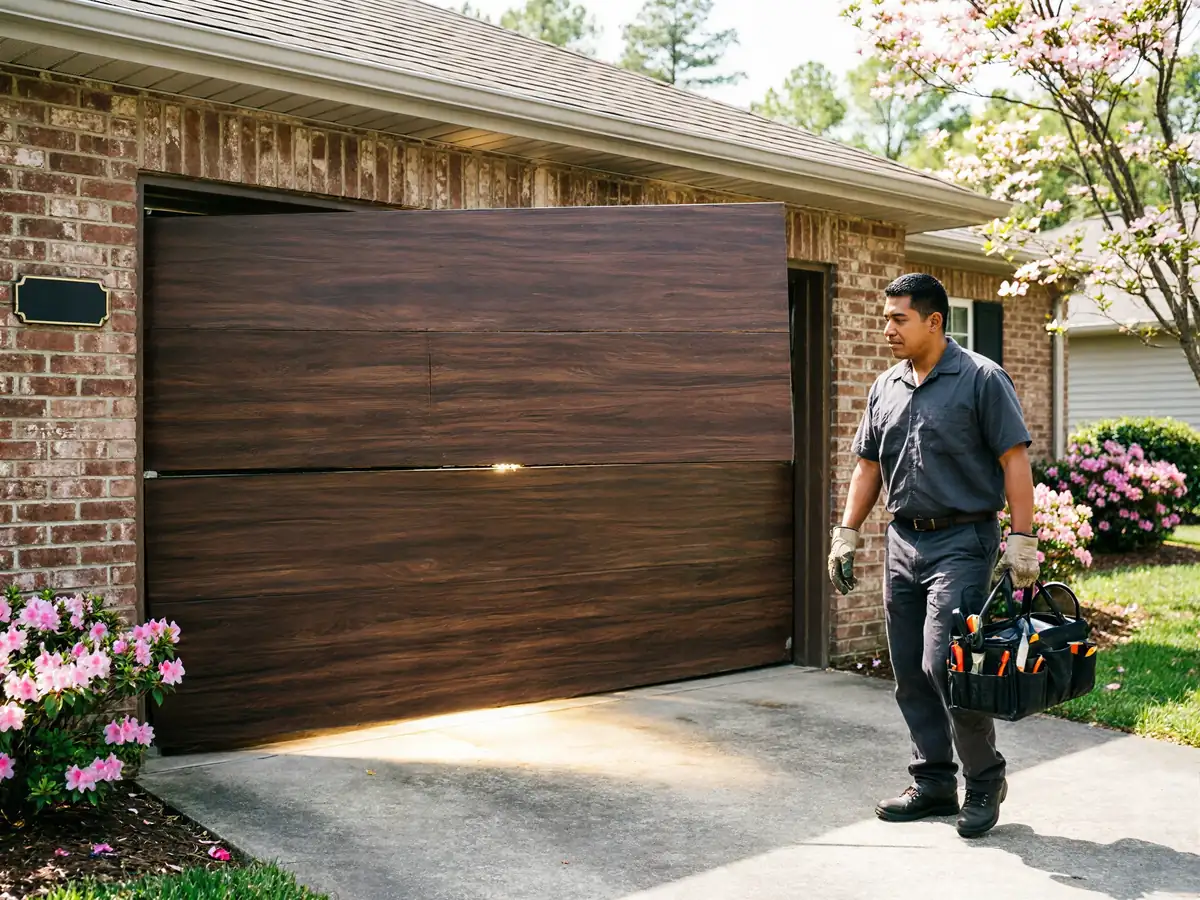
What usually brings someone to call isn't the dent itself, it's what the dent does to the rest of the door - a panel that's bowed inward catches the weatherstrip, binds against the track, or throws the whole door out of balance so the opener strains on every cycle. On a single-skin steel door from this era, that bind shows up faster than it would on a thicker insulated panel, because there's less steel to absorb the hit before it transfers to the frame. If your door's started grinding, hesitating, or reversing partway up, the panel is worth checking before the opener takes the blame for a problem that's really in the sheet metal.