What the Fix Involves
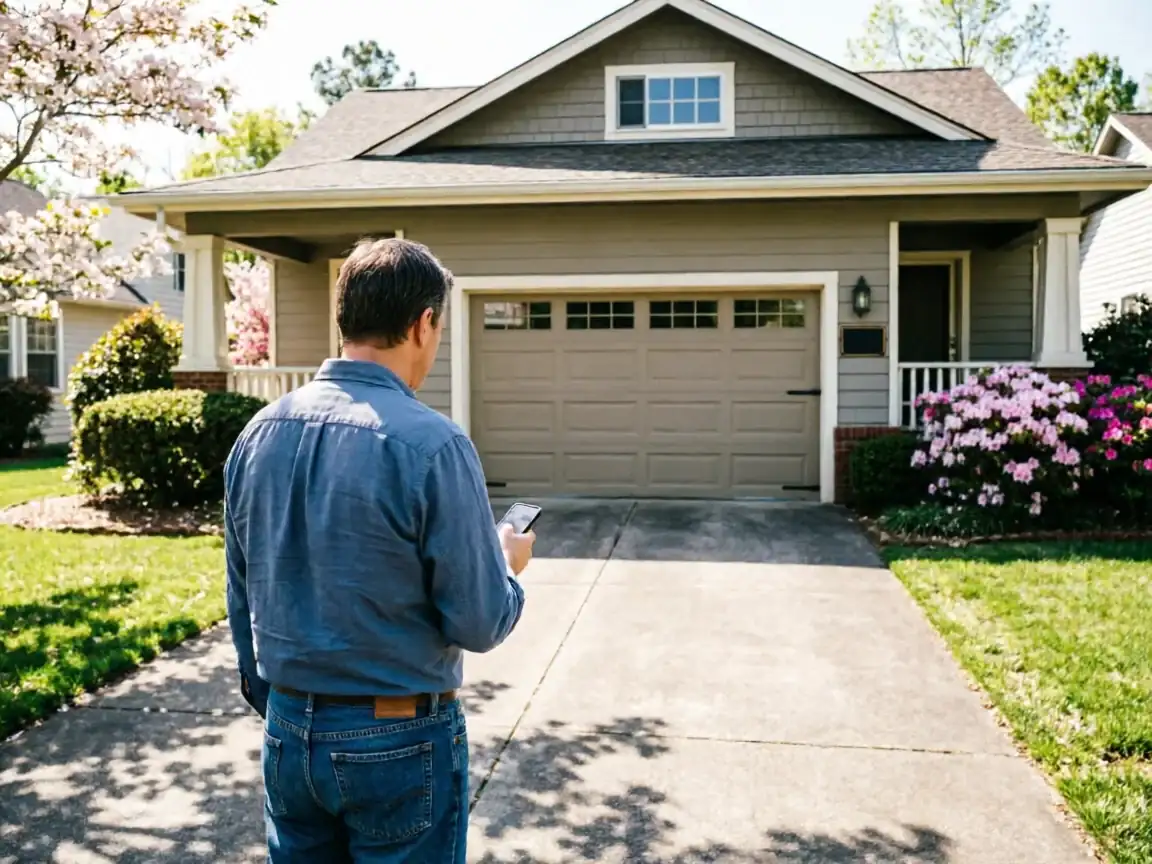
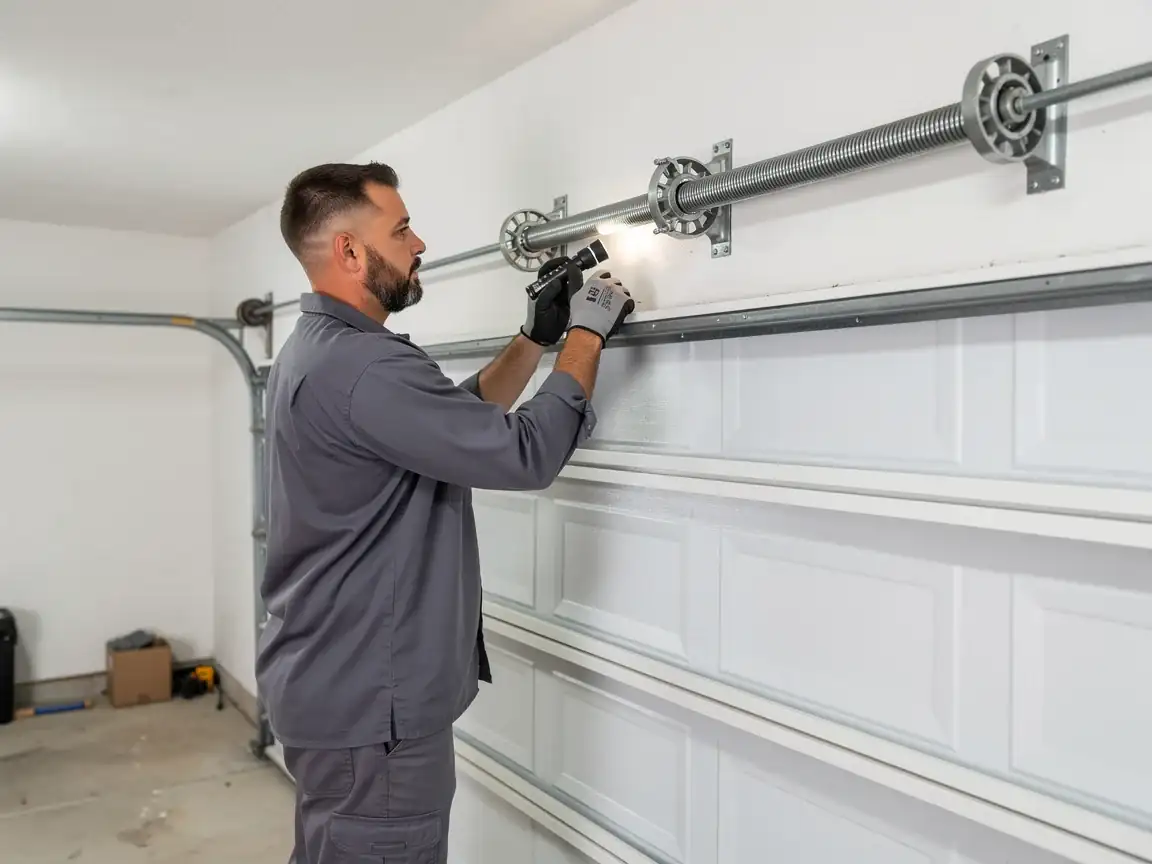
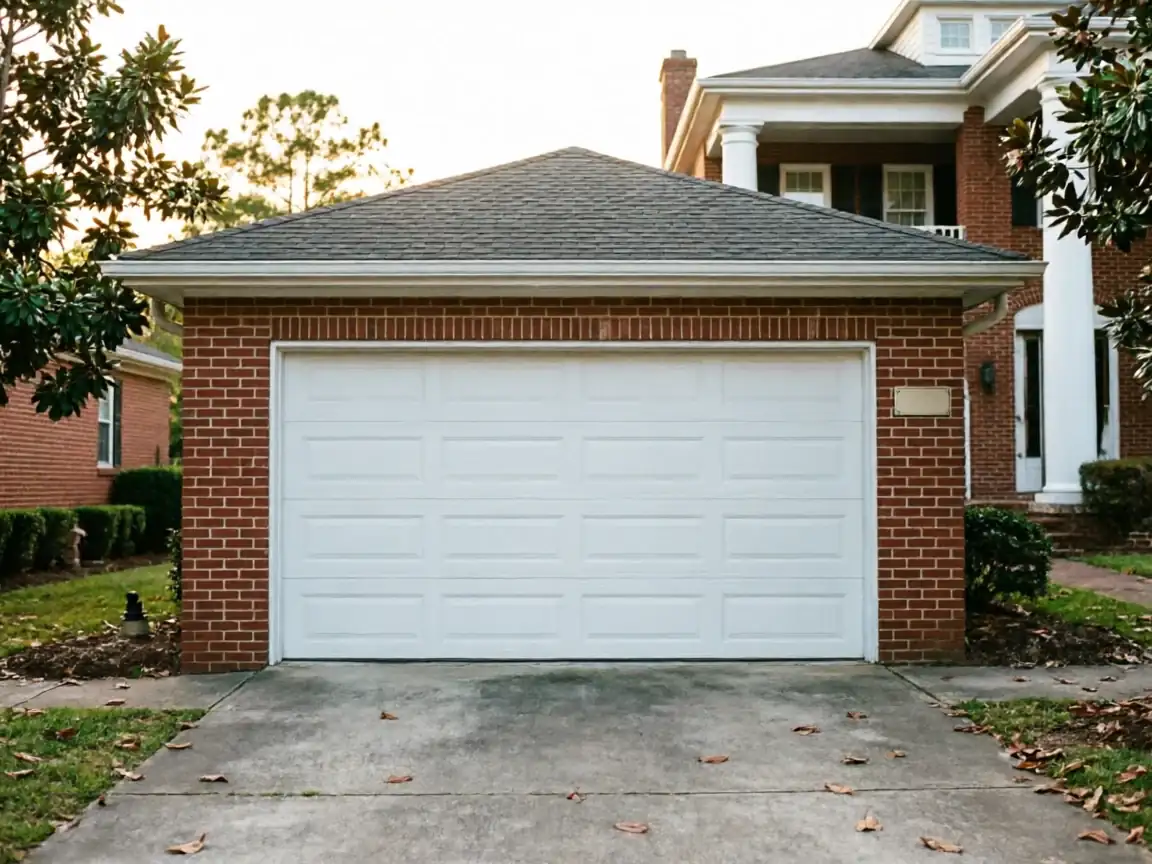
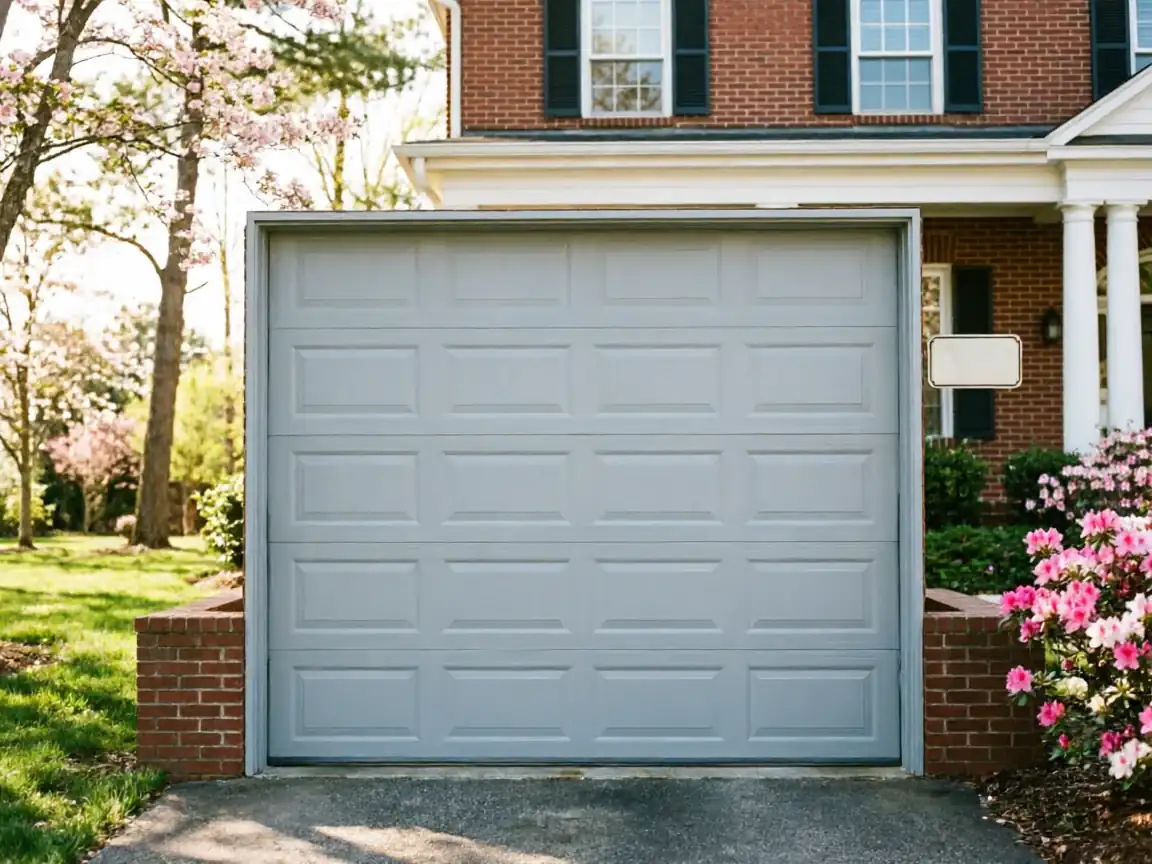
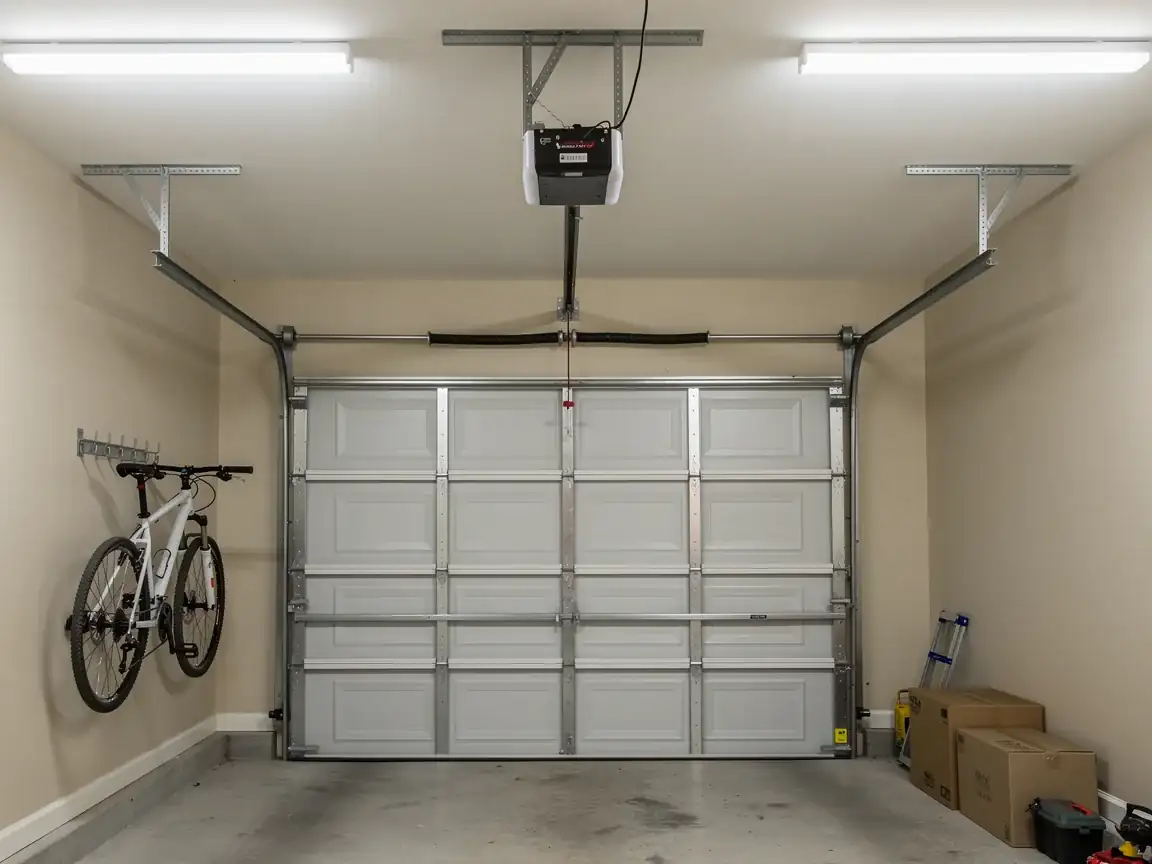
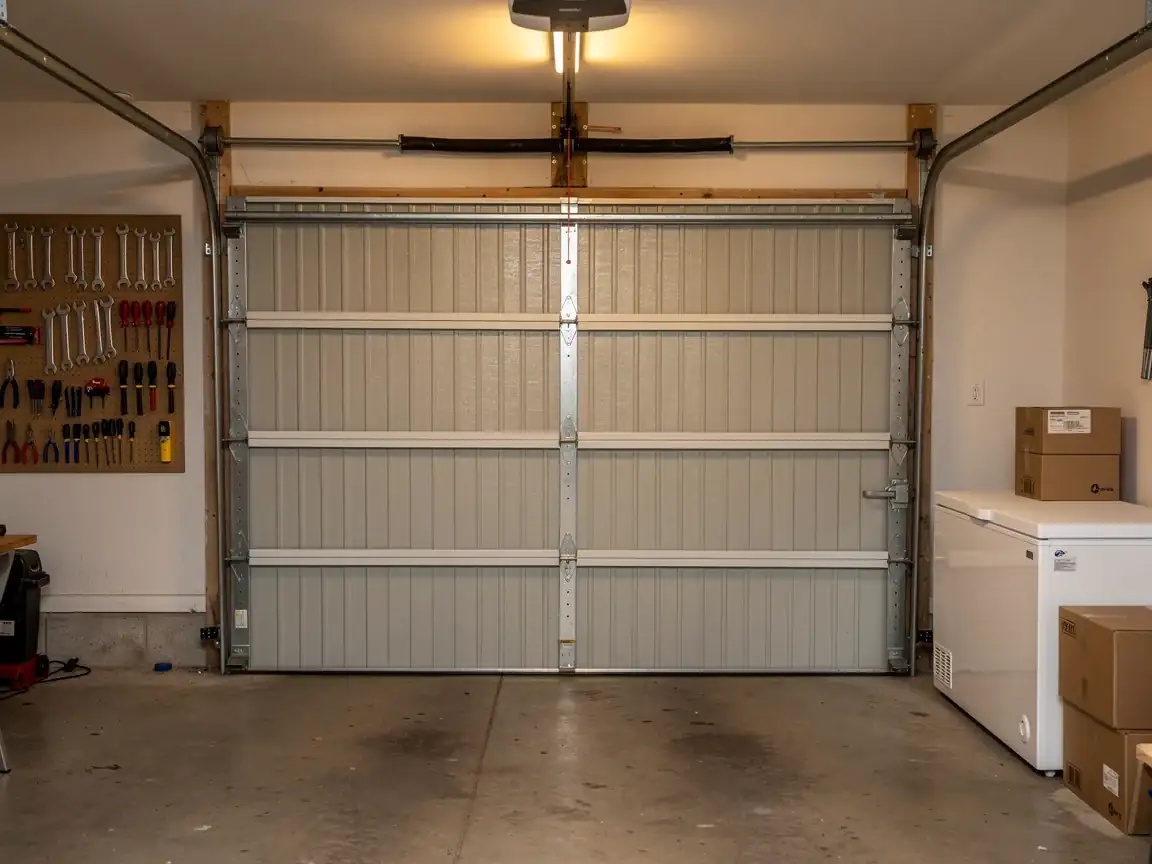
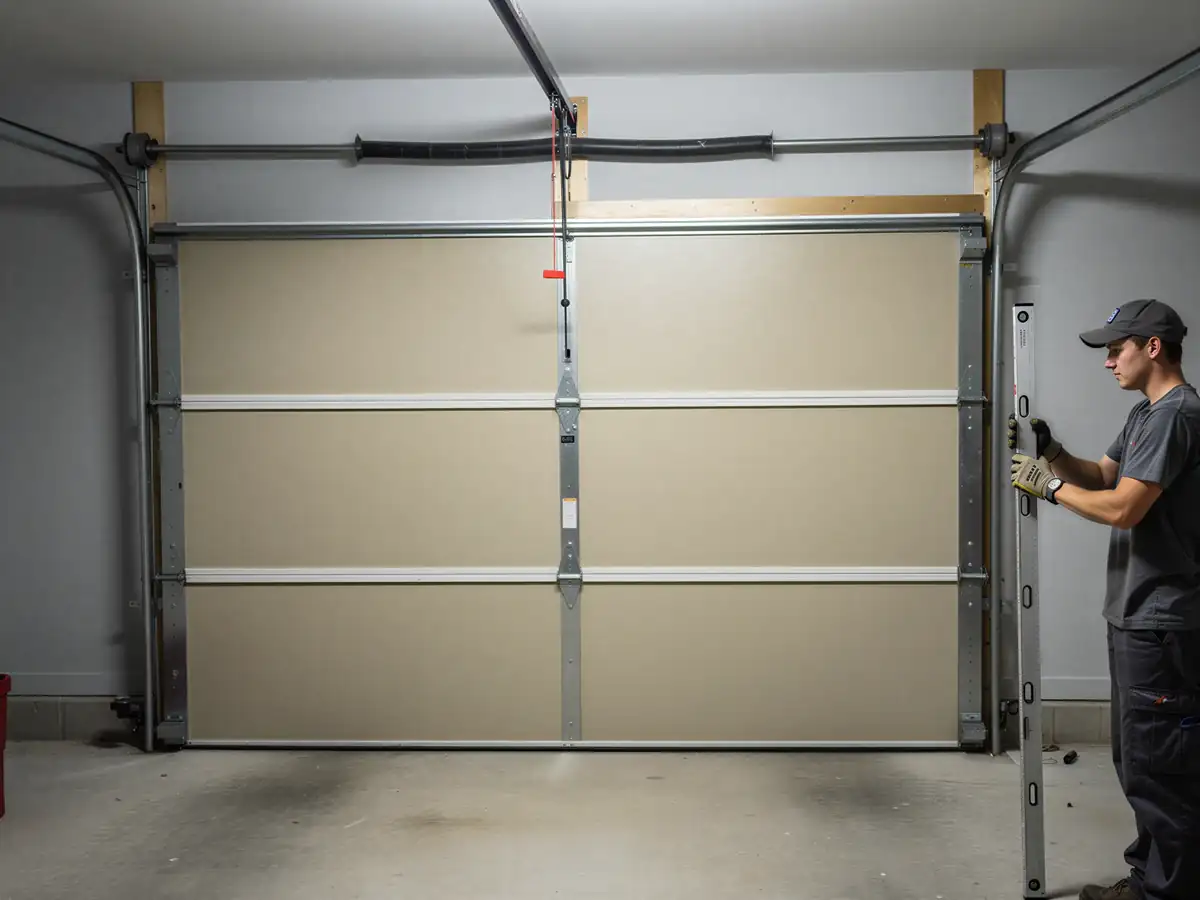
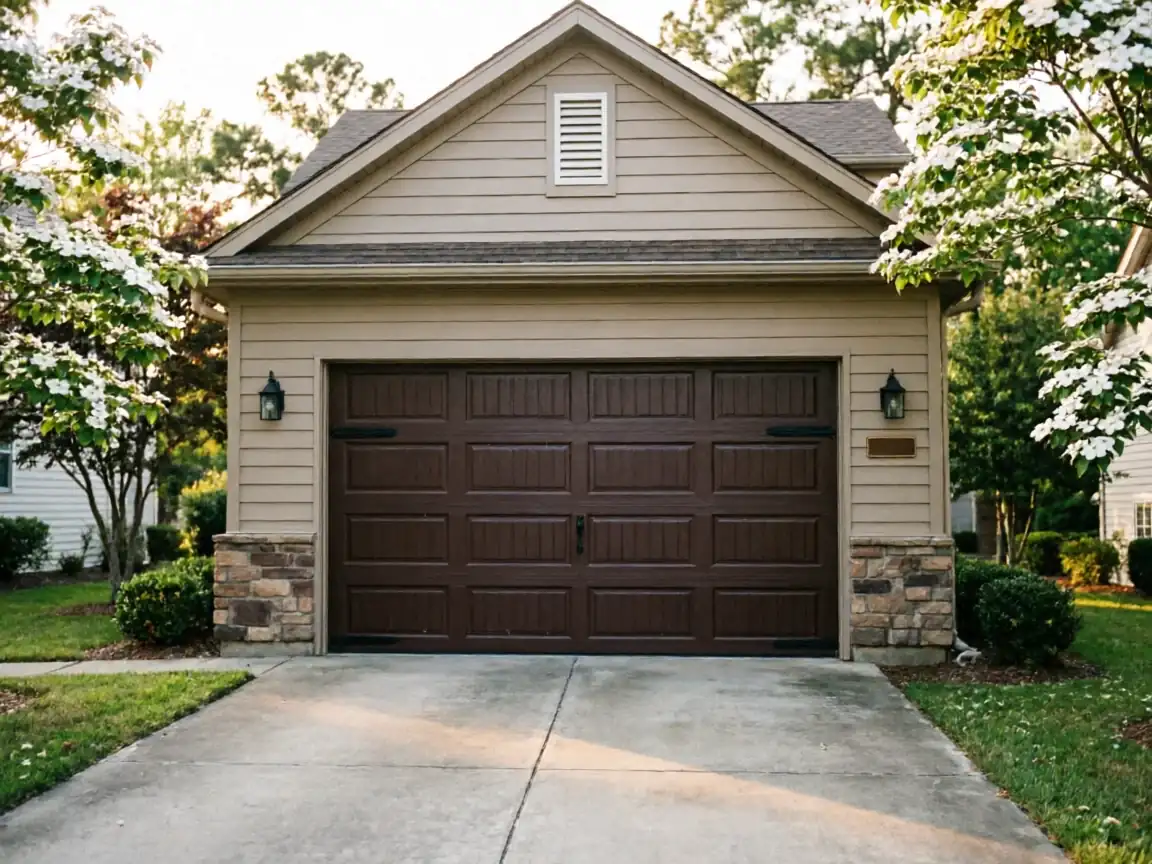
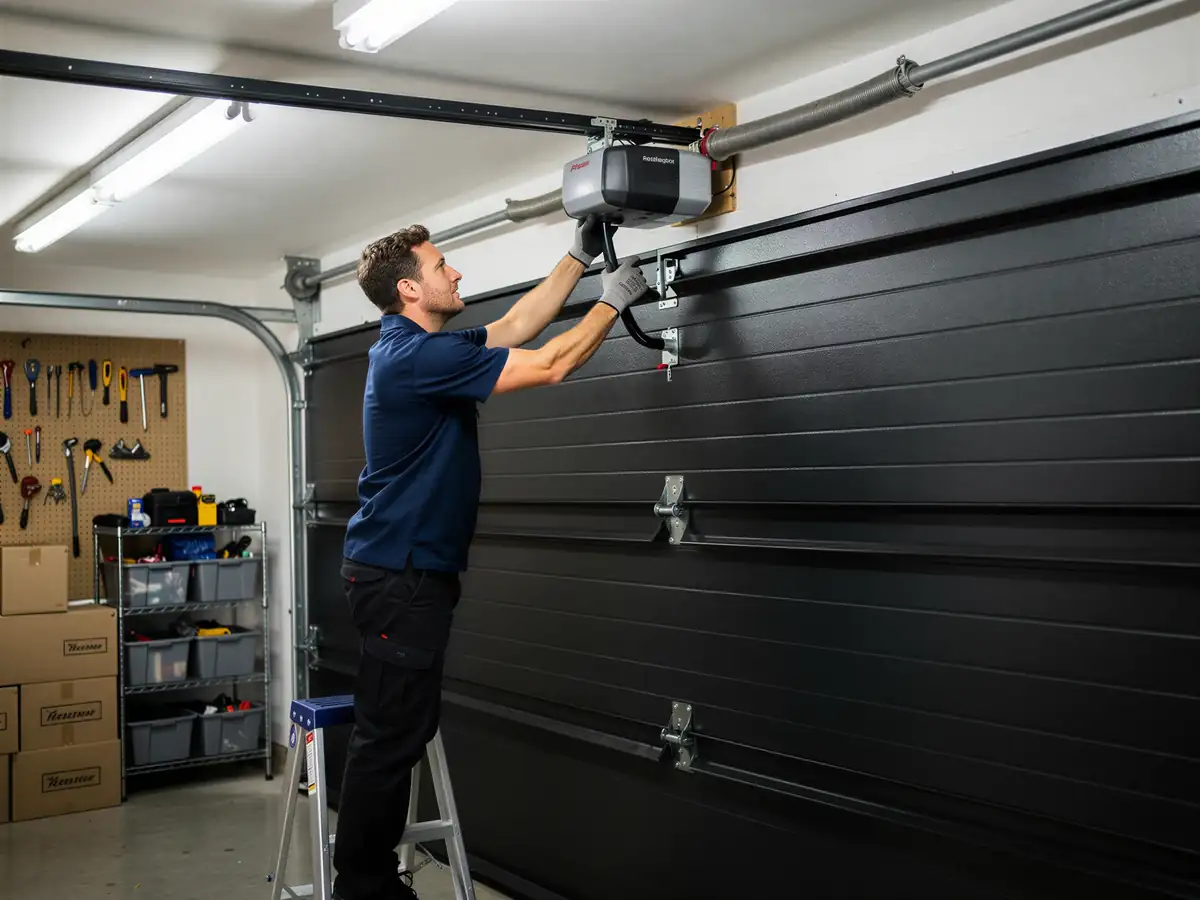
Most houses in Coaling went up around 1997, which puts this town about a decade newer than the service area's overall median build year of 1994. That matters for what's actually on the house. You're not dealing with the side-mounted torsion hardware and oddball one-piece doors that show up on homes from the 1960s elsewhere in the Tuscaloosa area. By the mid-to-late 90s, builders had mostly settled on standard-width steel sectional doors with center-mounted torsion springs and factory opener brackets, so a new install here is usually a straight swap: existing door and track out, new door and matching hardware in, opener reused or replaced depending on its condition. The region sits in a mild climate with occasional freeze, so insulation and weatherstripping choices matter less for frost-heave than they would farther north, but they still affect how well the door seals against wind-driven rain. One limitation worth saying plainly: if the original opening was framed slightly undersized or oversized for a standard door width, which does happen on some 90s-era builds, that adds trim work the base install price won't cover.
Time on the Job
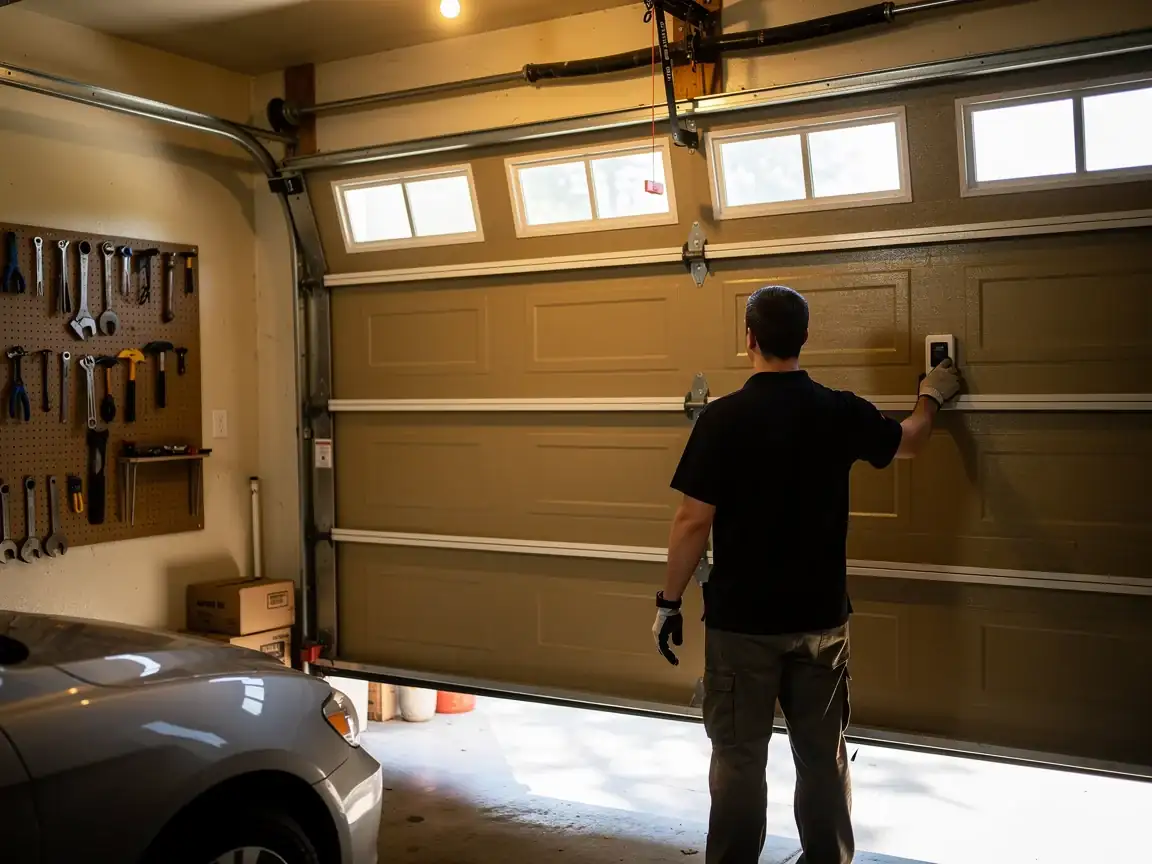
A straight single-door replacement on a standard 1990s-built opening is the simplest version of this job - old door off, new door and springs set, opener reconnected and tested. A double door, or a job where the opener also needs replacing, adds steps: separate wiring checks, travel limit resets, safety sensor alignment. Houses in Coaling built in the mid-90s to 2000s range rarely need the track or header rebuilt from scratch, which is the part that stretches a job out on older stock. Where it does take longer is when the original opening has settled slightly out of square over nearly thirty years - not unusual for a house this age - and the new door needs shimming to sit right. That's diagnosed on site, not guessed over the phone, which is part of why a firm time estimate waits until someone's actually looking at the opening.
The Cost of This Job
Coaling's median household income is $83,587, a good $10,000 above the $73,292 median across the wider service area. That gap matters for the repair-or-replace call. Lower down the income range, it often makes sense to keep nursing an older door along - new rollers, a cable, a spring - because the cash outlay for full replacement is harder to absorb in one go. At Coaling's income level, that math tends to flip faster: once a door built around 1997 needs its second or third major repair, replacing it outright usually pencils out better than paying for repeated service calls on original hardware that's closing in on thirty years old. We don't have a set price to quote here - costs depend on door width, insulation, and whether the opener comes out too - but the income gap is real and it's worth knowing which side of that line a given house sits on before committing to another patch repair.
The Symptom
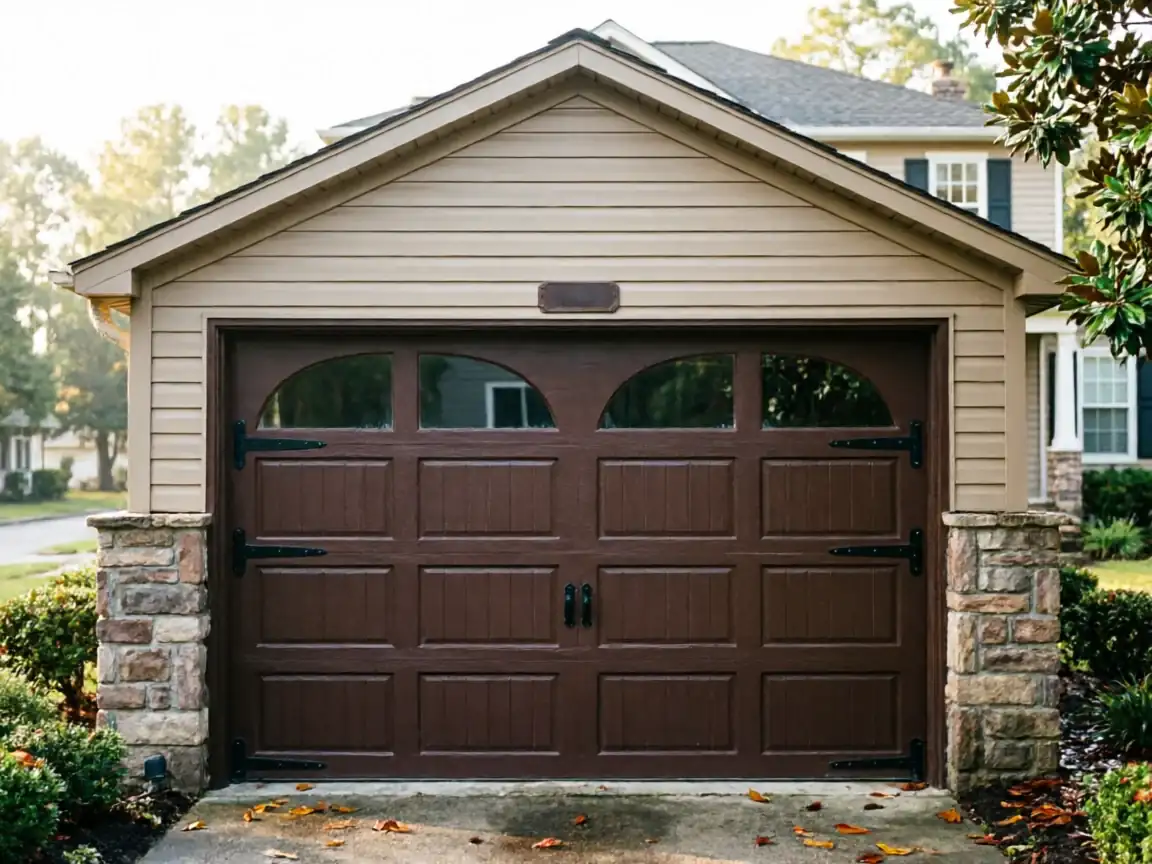
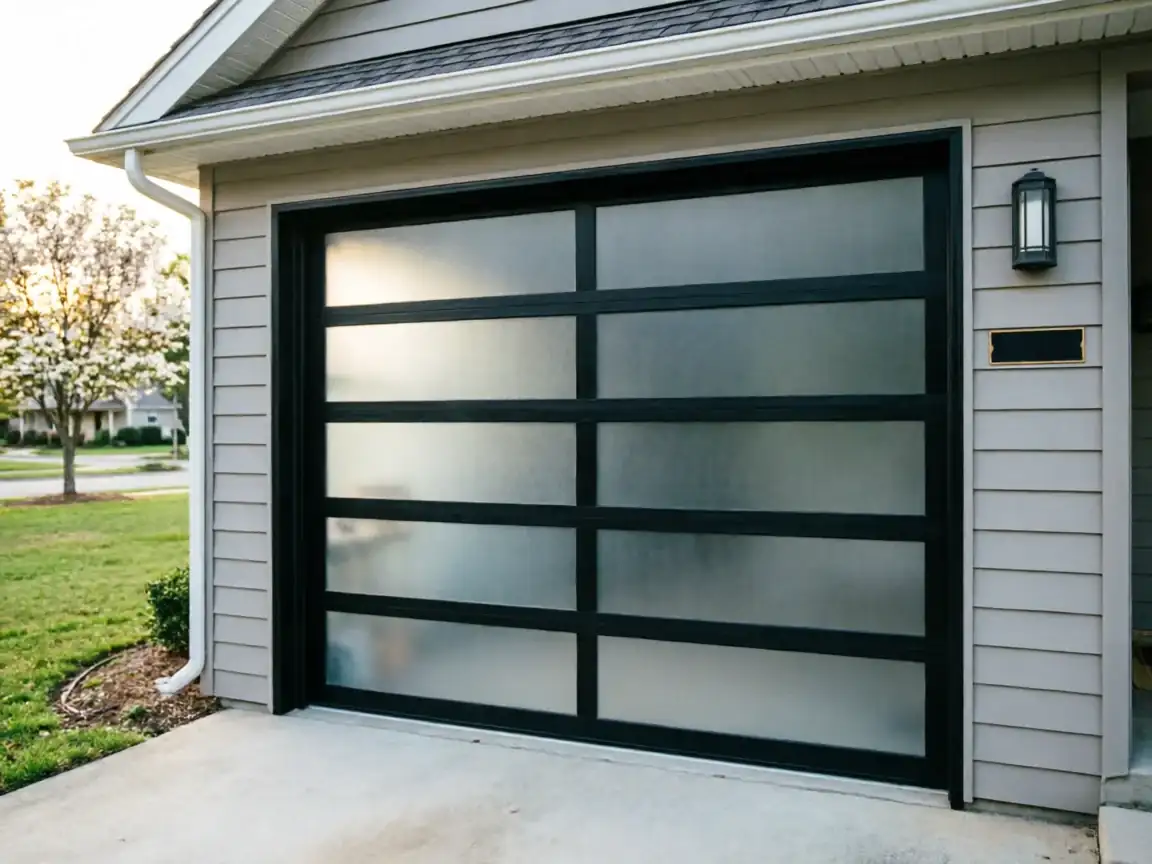
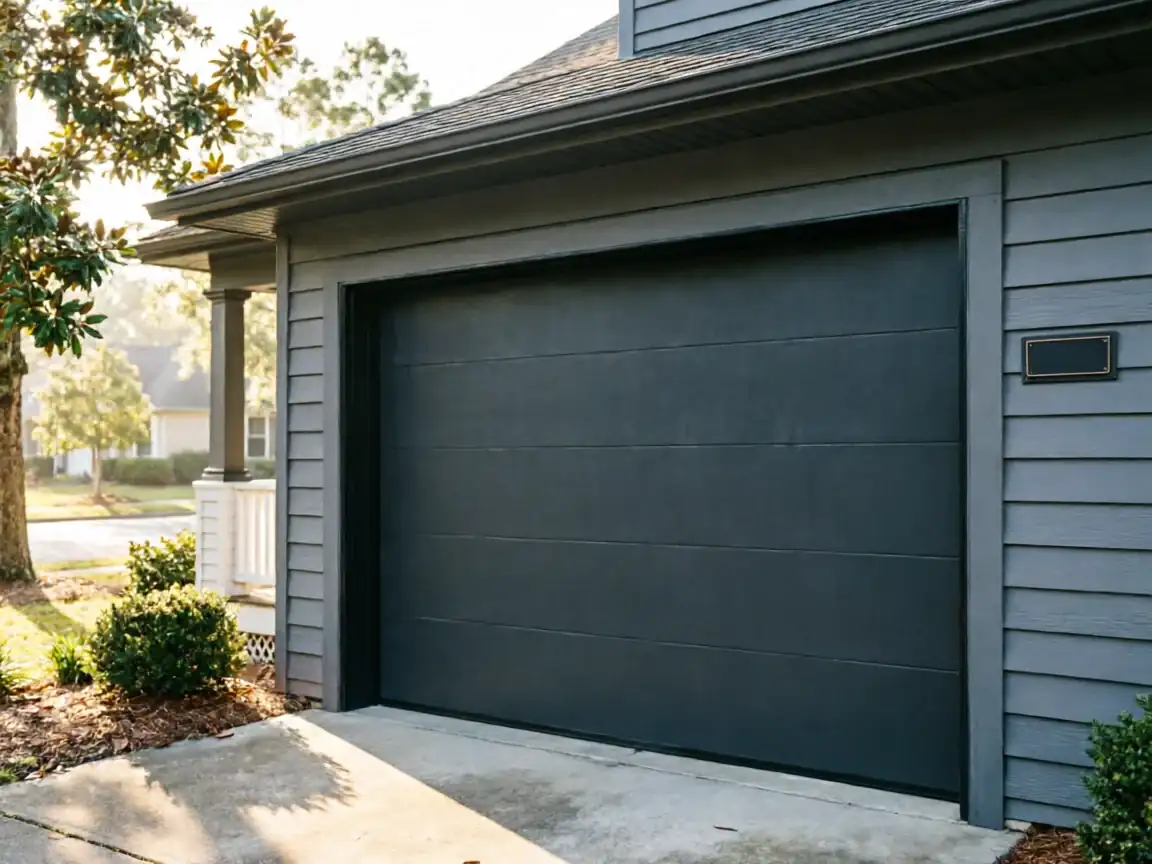
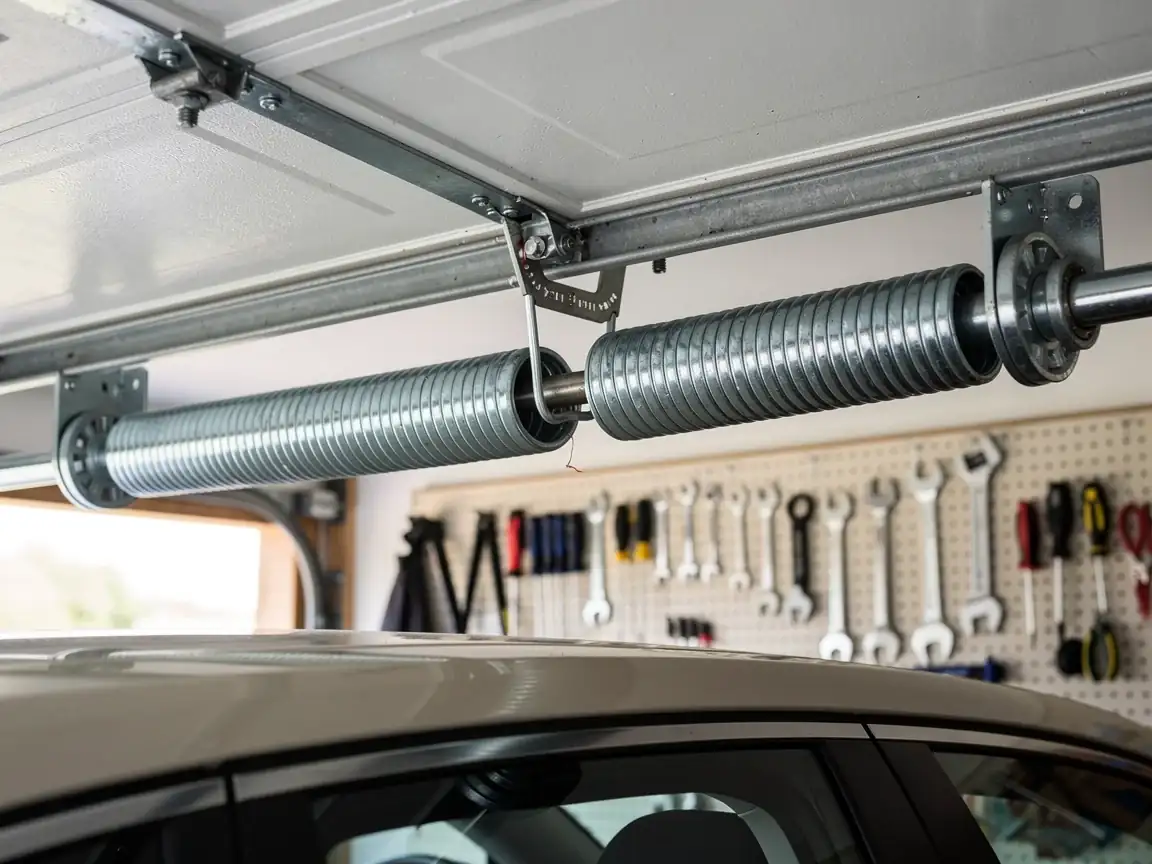
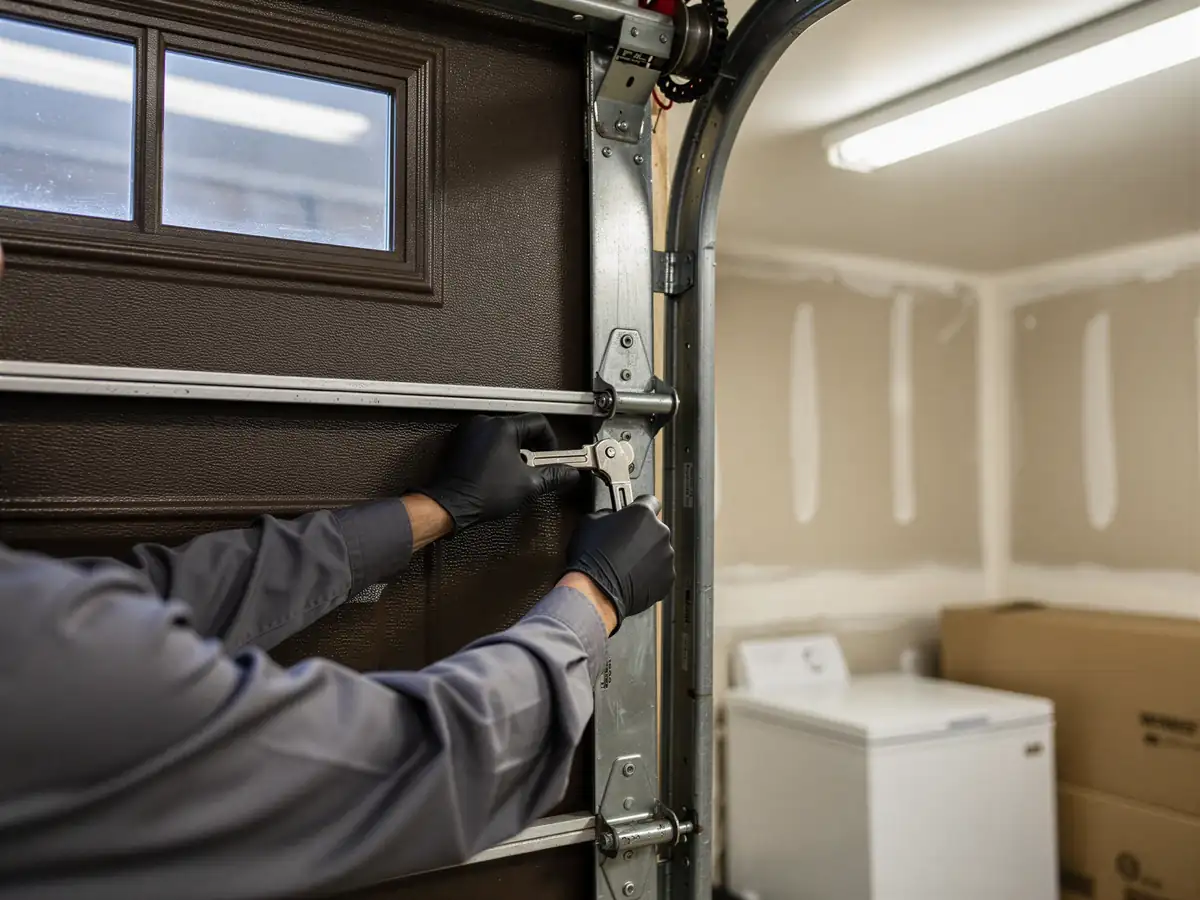
The usual reason a call comes in from a Coaling address is a door that's gotten heavy to lift by hand, or an opener that strains and reverses partway up - both signs of springs losing tension after years of cycling, which tracks with a lot of the original hardware here hitting the late-20s-to-30-year mark. Sometimes it's a track that's worked loose at the mounting brackets, more wear-and-tear than damage. Less often, it's cosmetic: dented panels or peeling finish on a door that still runs fine mechanically but looks rough next to a house that's otherwise held up well. Any of these can be a repair rather than a full replacement, and it's worth saying so plainly - a working door with a bad panel doesn't need to come out just because it's old. The call is worth making either way, since telling the two apart from a description over the phone isn't reliable.