What the Fix Involves
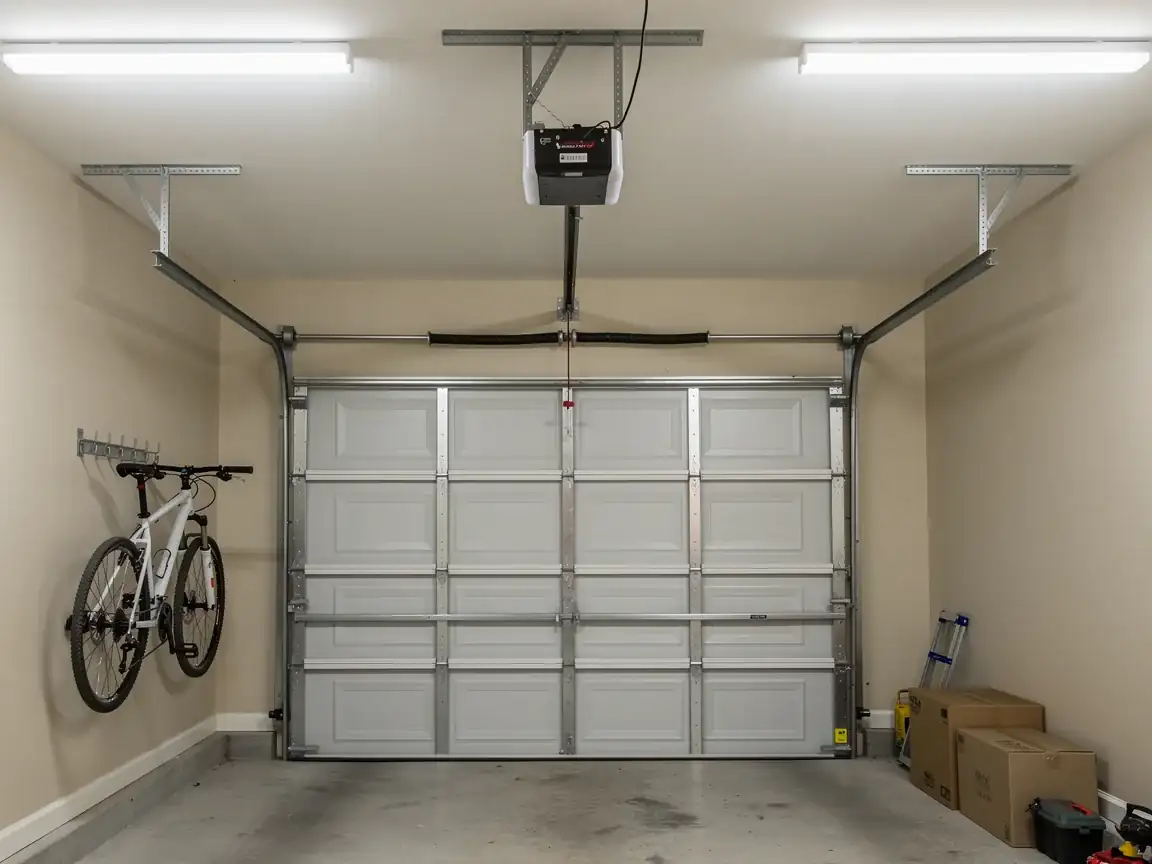
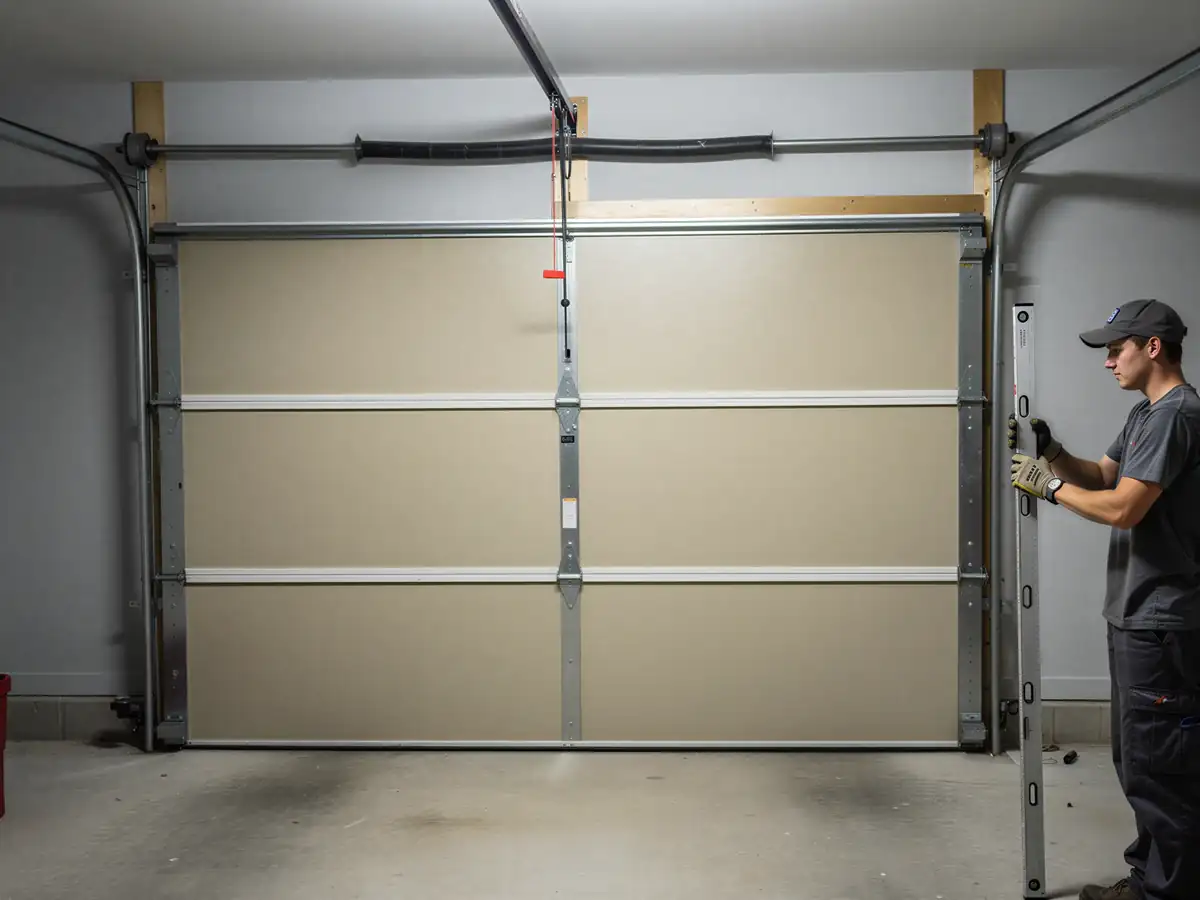
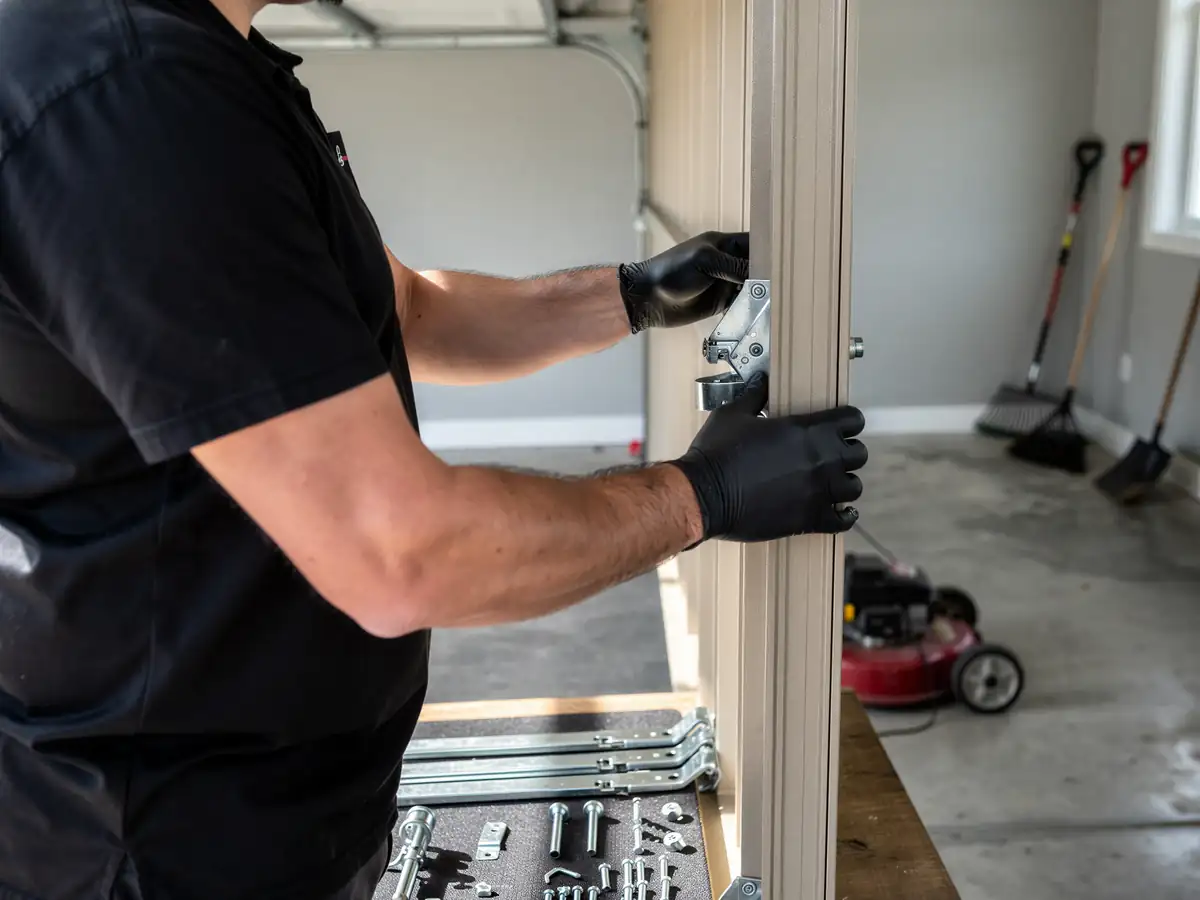
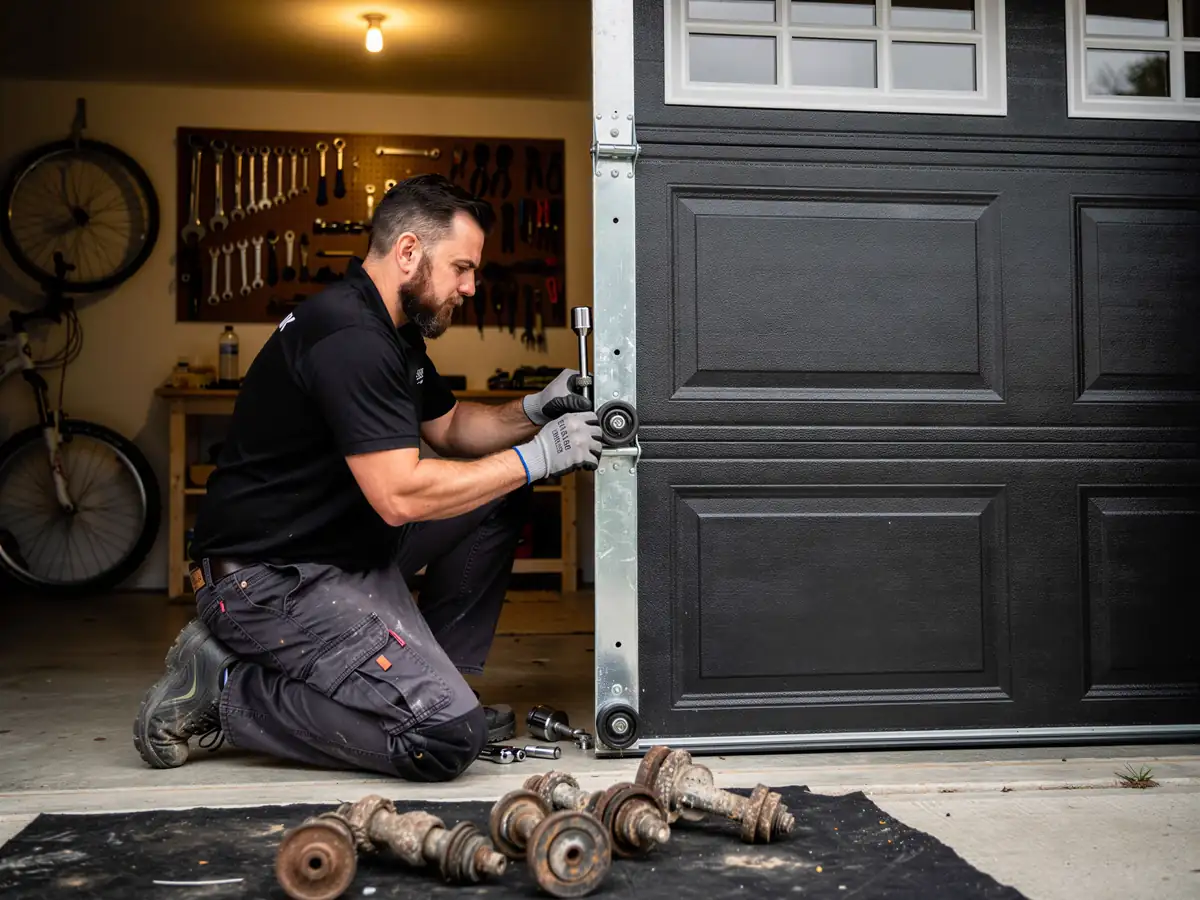
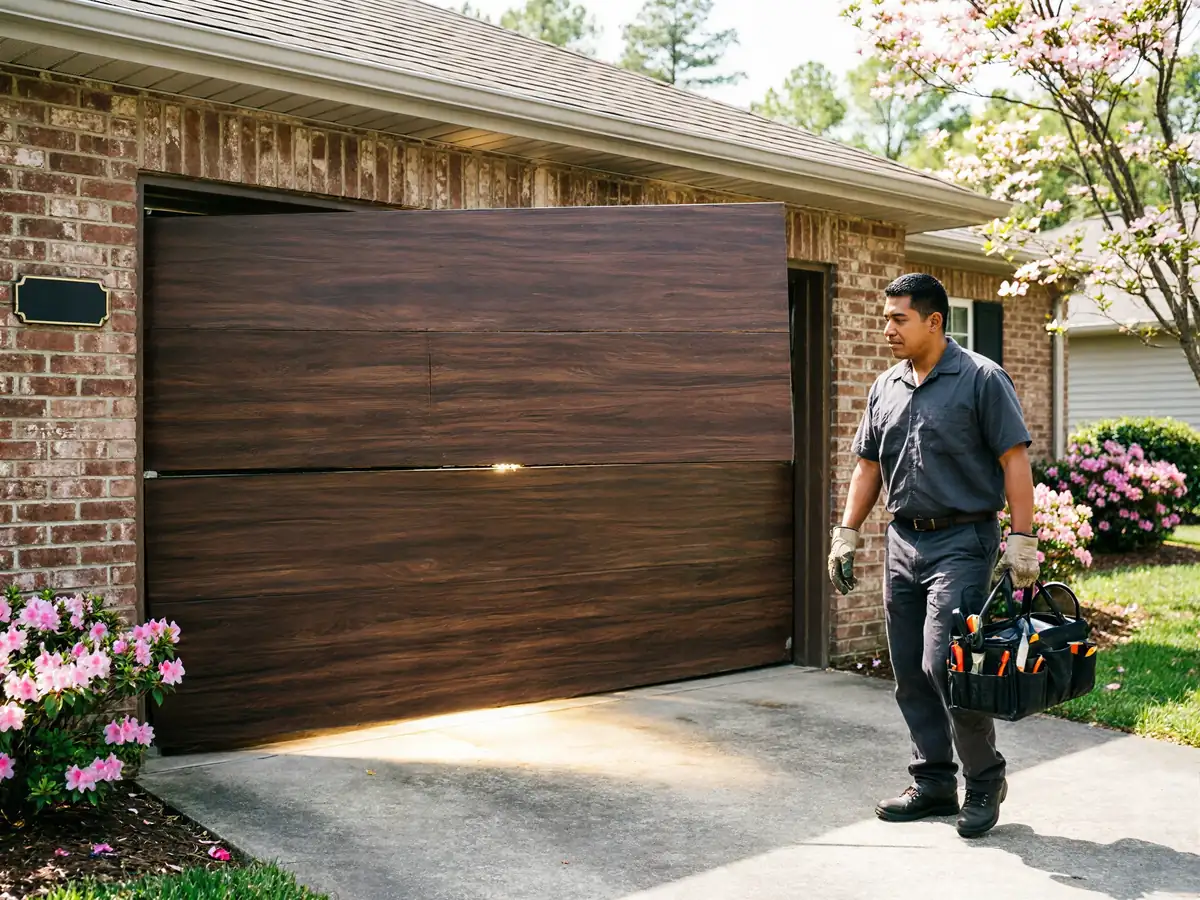
An off-track door in Coaling almost always comes down to the same two culprits: a nylon roller that's worn its wheel out of round, or a track bolt that's loosened enough to let the rail twist out of line. When the roller stops rolling and starts dragging, it pulls the whole panel sideways, and the door either binds halfway up or jumps the rail entirely.
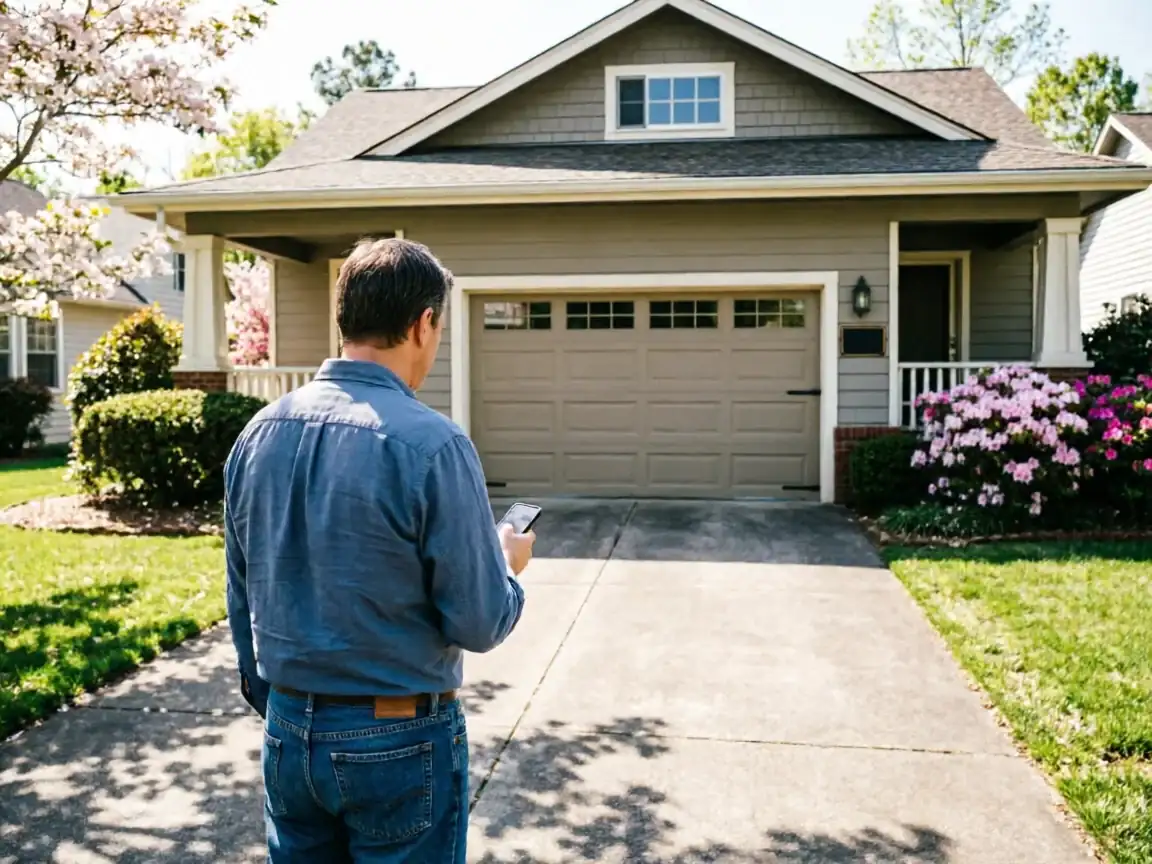
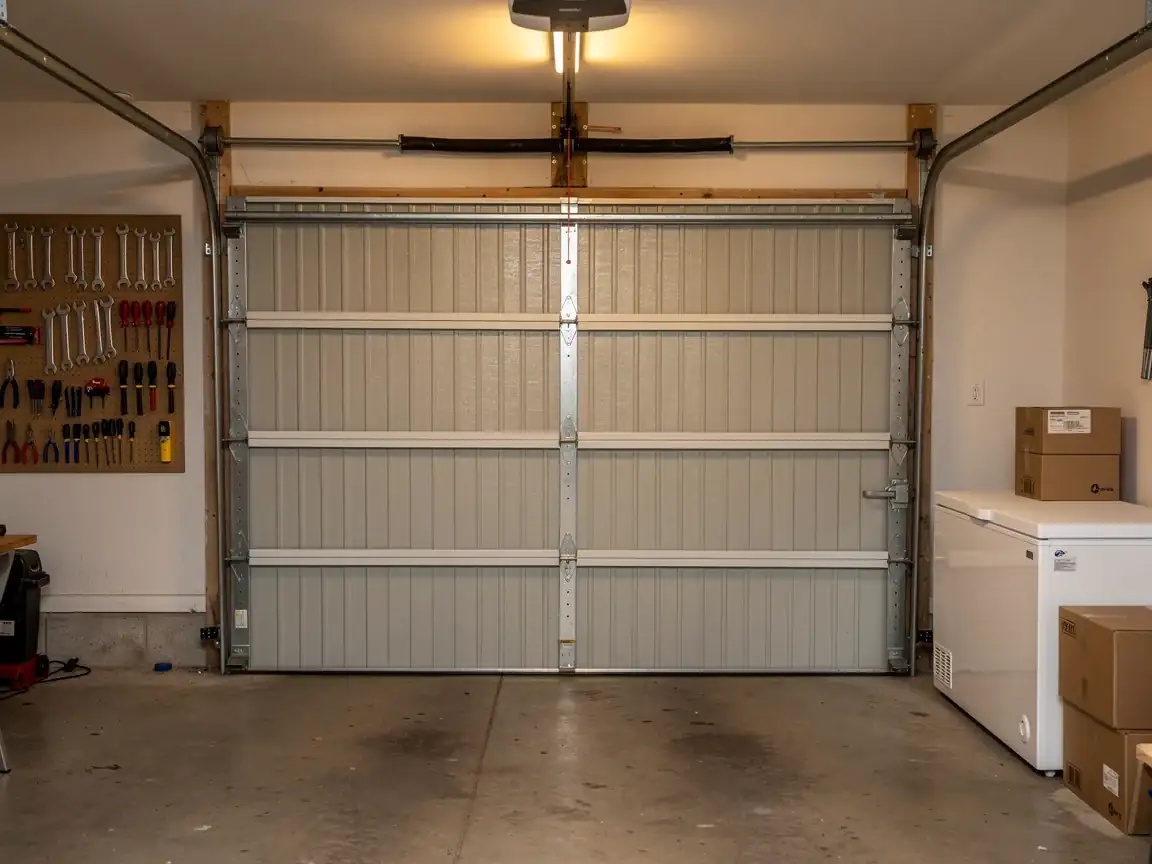
The reason this shows up so often here specifically is the housing stock. Coaling's median build year lands around 1997, right in the middle of the building push that ran across this whole service area from 1964 through 2004. Doors and track hung in the mid-to-late 90s were builder-grade steel - fine hardware when it's new, but the galvanizing on those original tracks is nearly three decades old now, and the bolts holding it to the jamb were never meant to be a thirty-year install.
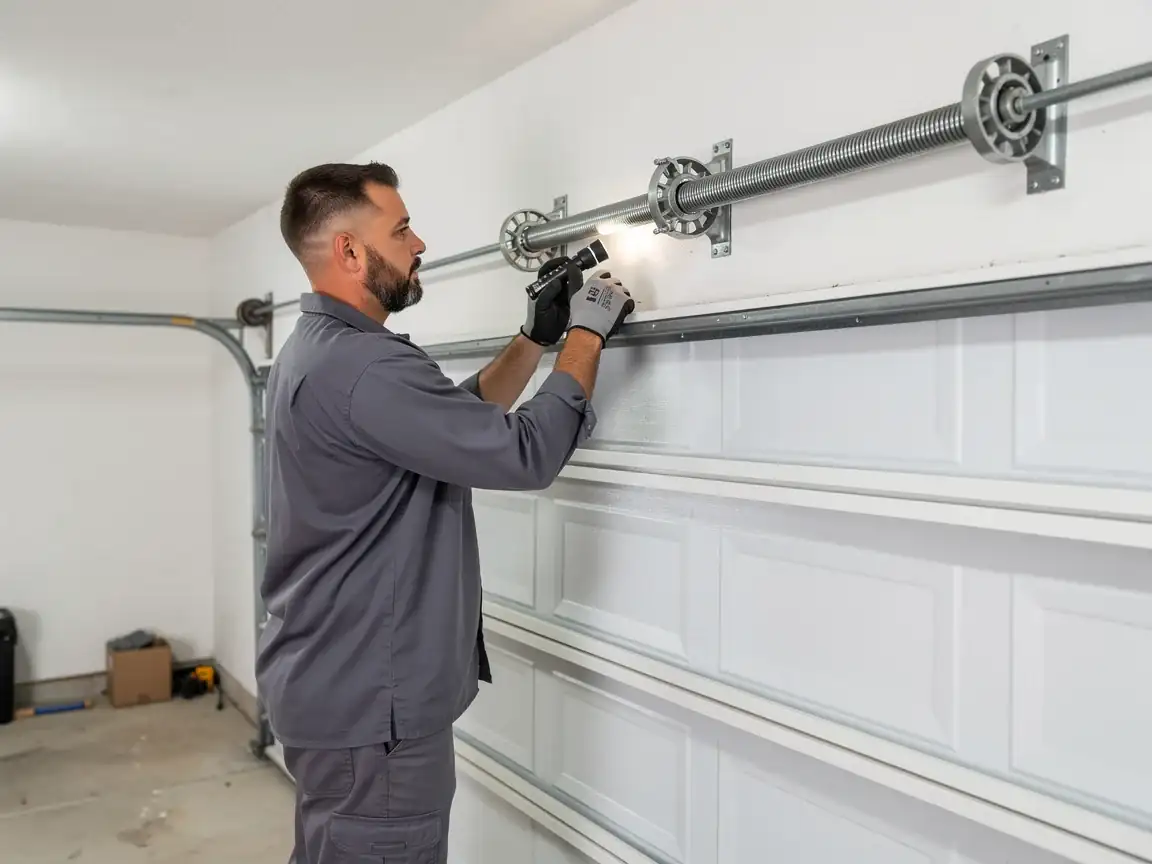
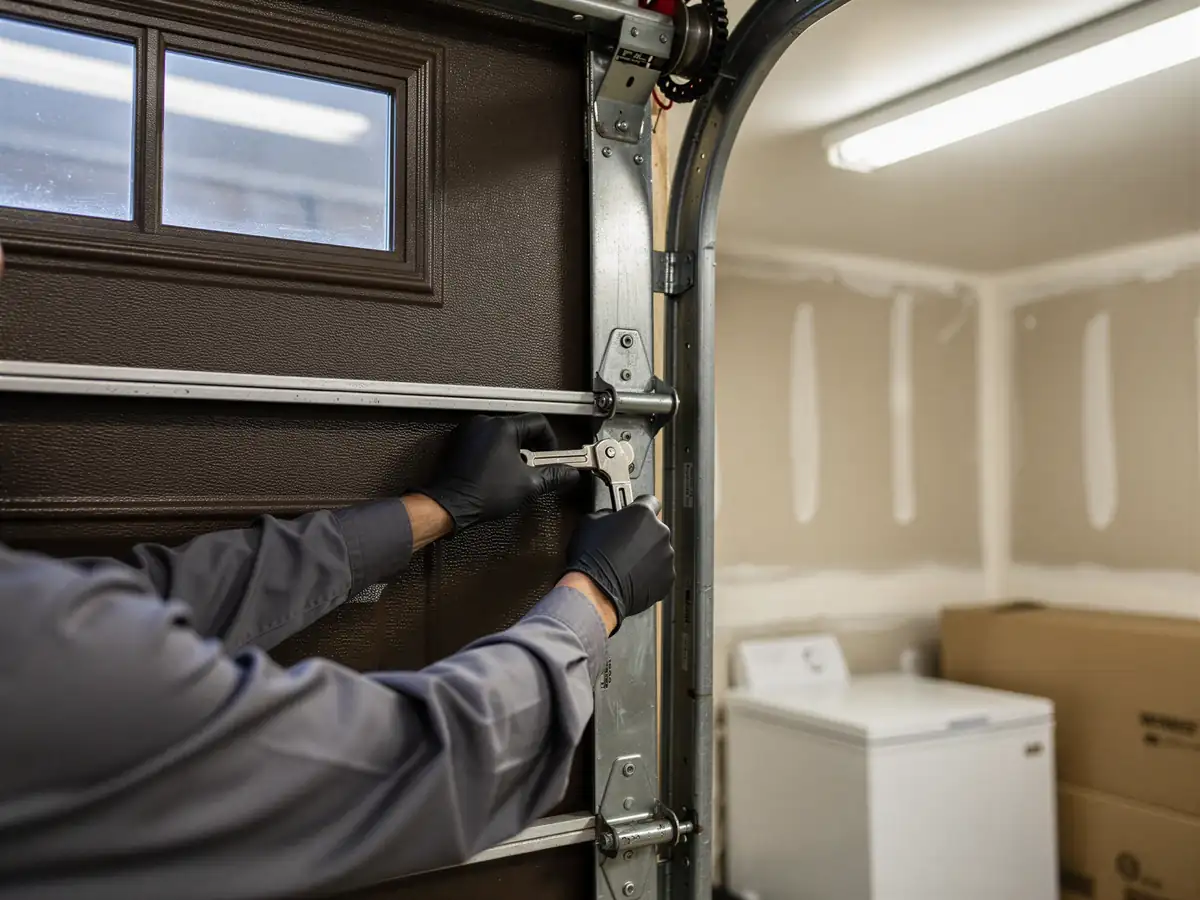
Fixing it right means re-seating the track, checking every roller on the run (not just the one that jumped), and torquing the jamb bolts back to spec - not just muscling the door back onto the rail and calling it done, which is the fastest way to get the same call again in six months.
Getting It Booked In
Tuscaloosa Garage Door Pros covers Coaling from Tuscaloosa
There's no branch out here, so the job starts with a truck making the 11-mile drive rather than a walk-in counter. That's worth knowing up front: scheduling works around that trip, same as it does for the rest of the towns the company reaches on this side of the county.
Coaling is a smaller pocket of the overall footprint
About 678 households, against roughly 18,587 across the whole service area - so it isn't a route with constant daily traffic. That doesn't change what gets fixed, just how a call gets slotted in. When you call, have the door's rough age and whether it's binding on one side or both; that alone usually tells us whether we're bringing roller stock or full track sections on the truck.
- 678 households
For homes nearby but outside Coaling proper
The areas near Coaling page covers who else is in range. If the door problem turns out to be bigger than a rail realignment, the off-track repair page for the wider Tuscaloosa service area lays out what that looks like.
Time on the Job
A straightforward off-track call - one bent section of track, rollers intact, door still square on the opening - usually runs under two hours once the truck is on site. That's the common case on a door built in the 90s boom, because the hardware is old enough to loosen but not usually old enough to have seized or rusted through.
Where it runs longer is when the whole run of track has to come down, which happens more often on a door that's been dragging for a while before anyone called. A door that's been grinding on a bad roller for months can wear the track itself unevenly, and at that point you're replacing rail, not just re-seating it. We check that before quoting time, not after.
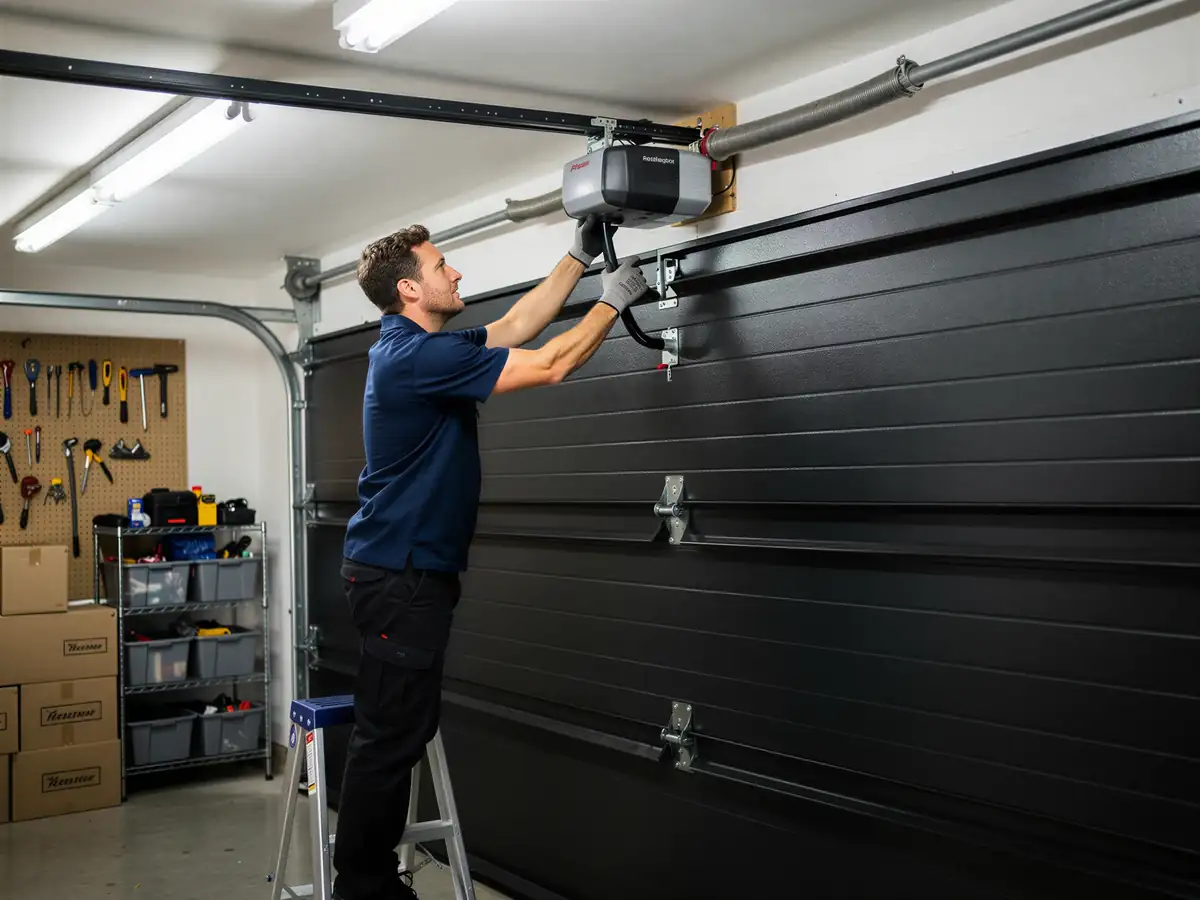
One honest limit: if the opener has been fighting the binding door the whole time, the gearing inside it can wear faster than normal, and that's a separate diagnosis we won't guess at over the phone. We look at it in person before saying whether it needs its own repair.
The Cost of This Job
We don't publish a flat number for off-track work because the range between a quick roller swap and a full track replacement is wide, and guessing low on the phone just means a worse conversation on site. What we can tell you is what drives the number up or down: how many rollers are shot versus just the one, whether the track itself is bent or only the bolts have backed out, and whether the cable came off the drum in the process.
Coaling's median household income runs higher than the broader service area's - roughly $83,587 here against $73,292 across the footprint - and in practice that shows up less in what gets fixed than in what gets replaced. Owners here more often ask to swap the whole track and roller set while the truck's already out, rather than patch the one bent section and wait for the next call. Both are legitimate choices; we'll tell you honestly which one the door in front of us actually needs.
Where This Job Goes Sideways
The mistake we see most with off-track doors
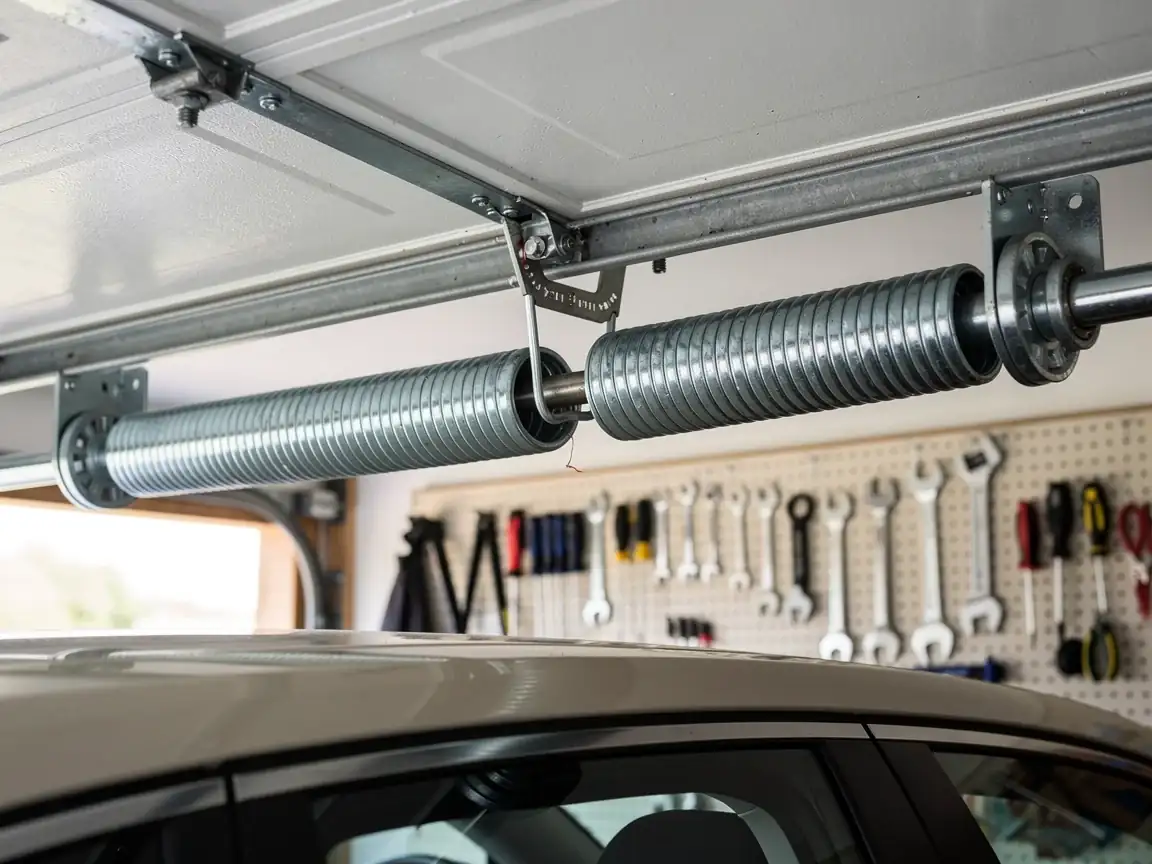
Here and anywhere - is someone trying to force the door back onto the rail by hand before calling anyone. On a door that's jumped track because of a worn roller, that usually just bends the rail further, and on a door running under spring tension, a hand on a panel that's off its track is a real way to get hurt.
The climate here doesn't do Coaling many favors either, though not in the way people expect
This part of the service area sits in a mild band with only occasional freeze, so ice isn't jamming these tracks shut. The wear is mechanical and slow - thirty years of use on hardware that was never upgraded, not a sudden event. That means the door often gives small warning signs for weeks (a scrape, a slight list to one side) before it actually jumps the rail, and those are the signs worth calling about before it happens.
If the opener has already been forced against a stuck door, don't keep running it
That's the fastest way to turn a track repair into a motor replacement too.
The Symptom
The giveaway is usually sound before it's sight: a grinding or clicking as the door travels, especially on one side, before anything visibly moves off line. On a door built in the late 90s, that sound is almost always a roller that's worn flat rather than round, or a hinge pin that's walked loose from years of the same travel path.
Visually, look at the gap between the bottom panel and the track on each side as the door closes - if one side closes tighter than the other, the door's already fighting the rail even if it hasn't jumped yet. Catching it there is cheaper and faster than catching it after the panel's actually off the track, which on a door this age often means the roller finally gave out mid-cycle rather than easing off gradually.
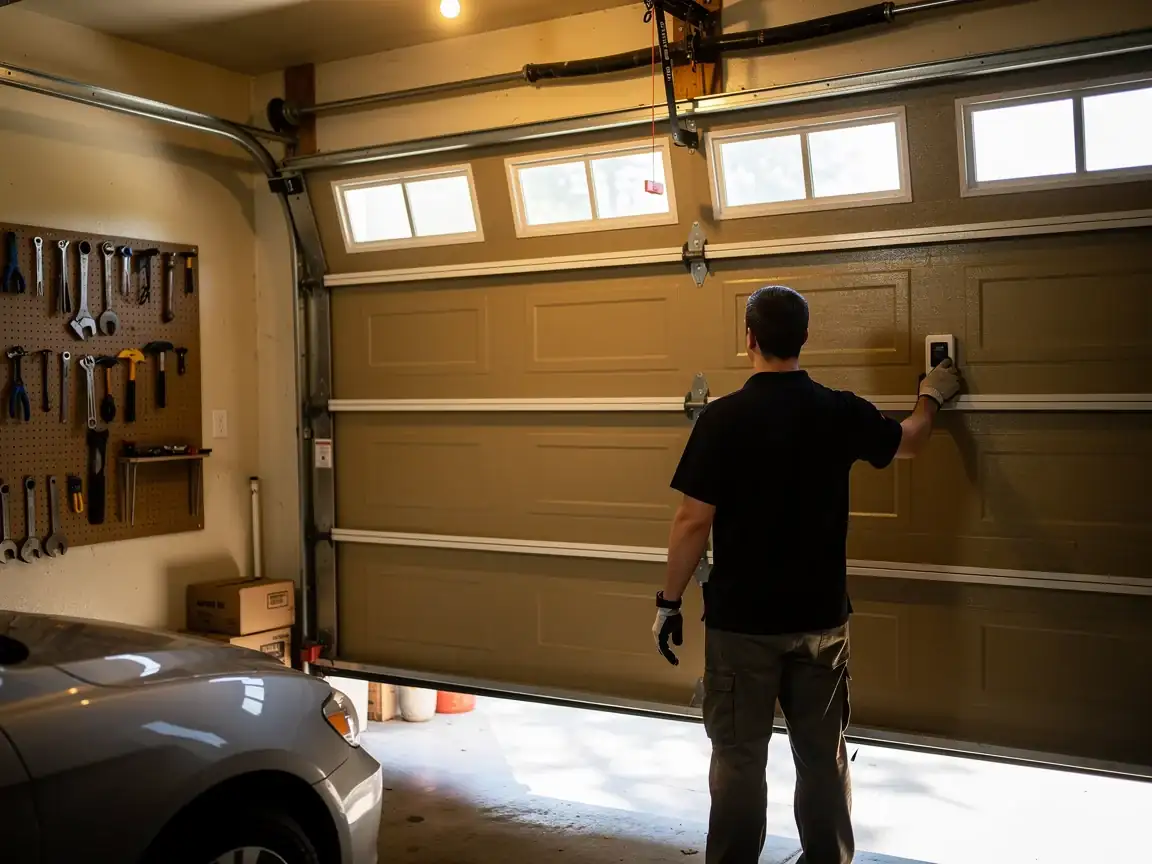
If the door has already come off one side of the track and is sitting crooked in the opening, stop operating it by remote or wall switch. Leave it where it is and call - running it further on a bent rail is how a one-roller fix turns into a two-track job.