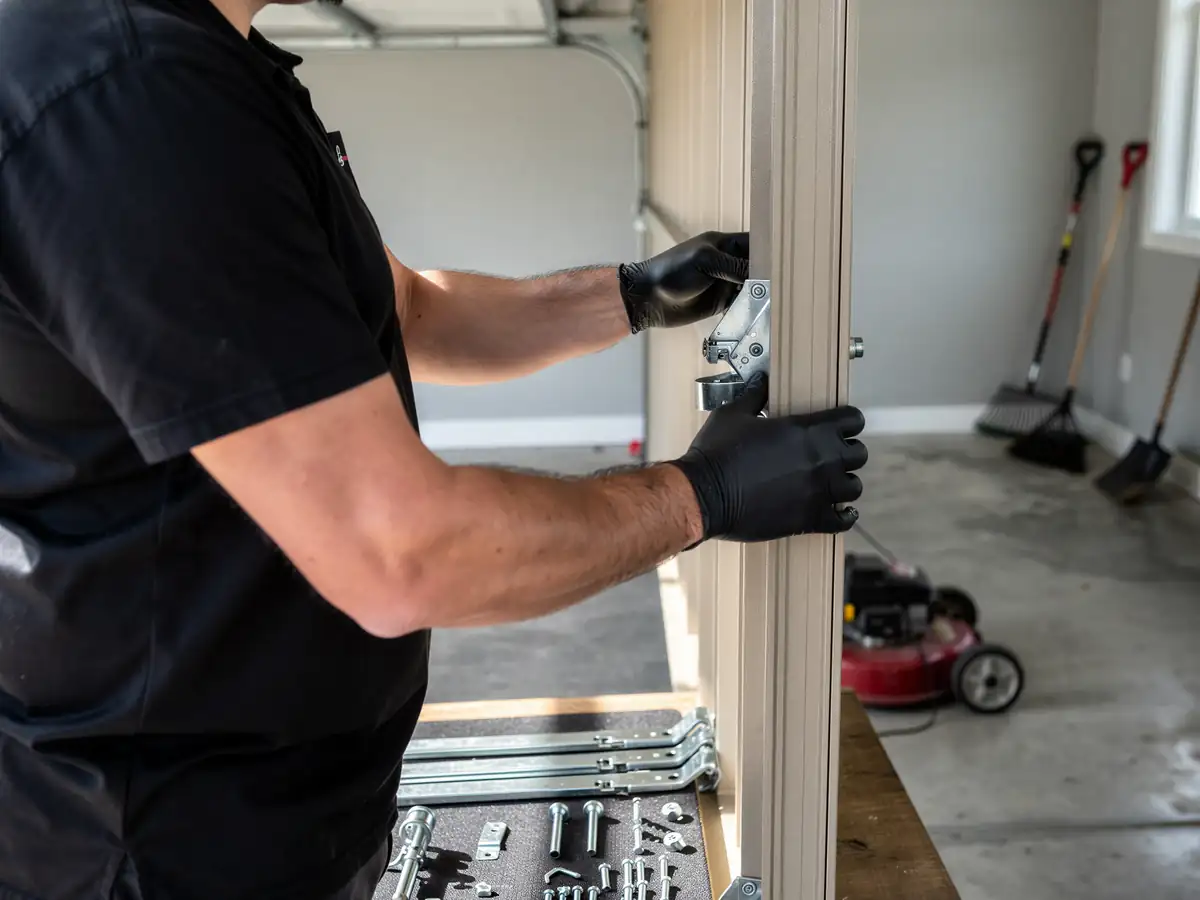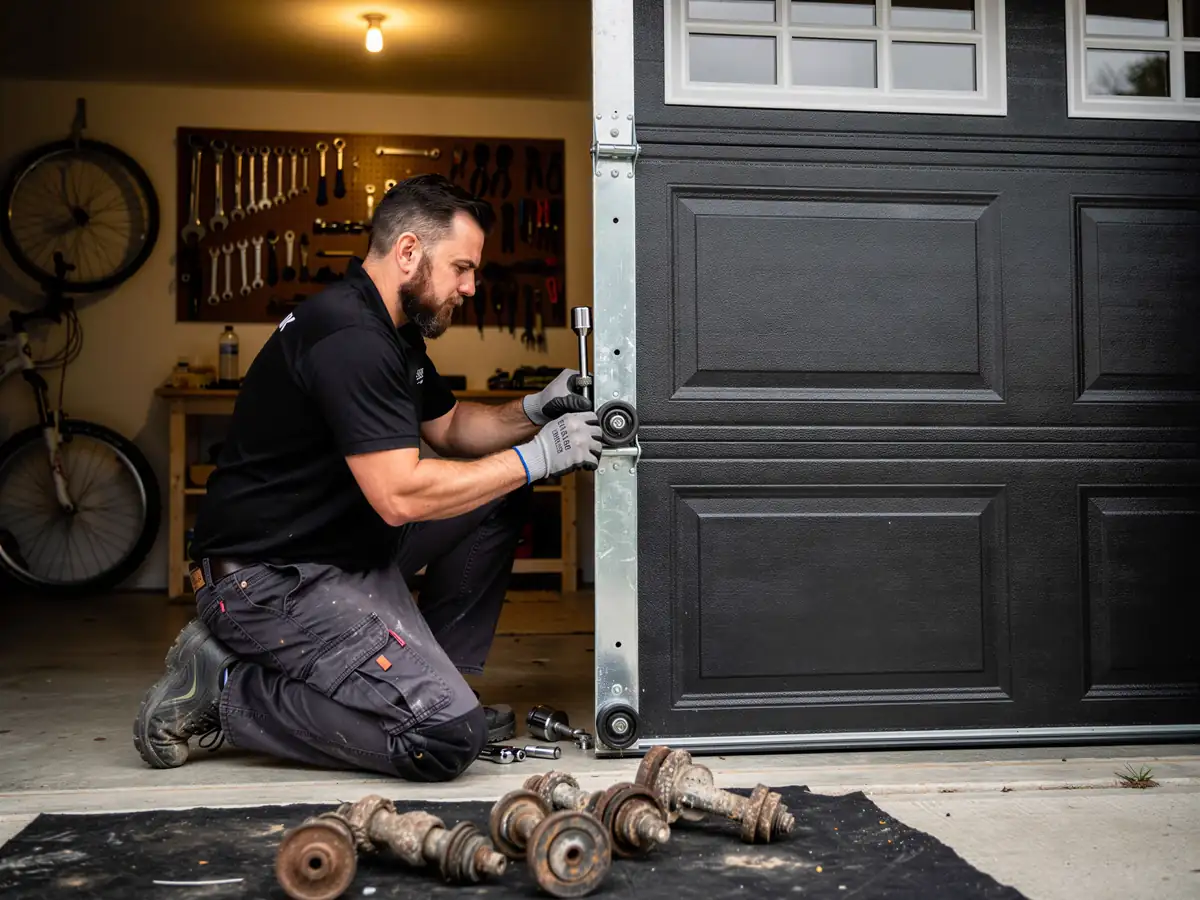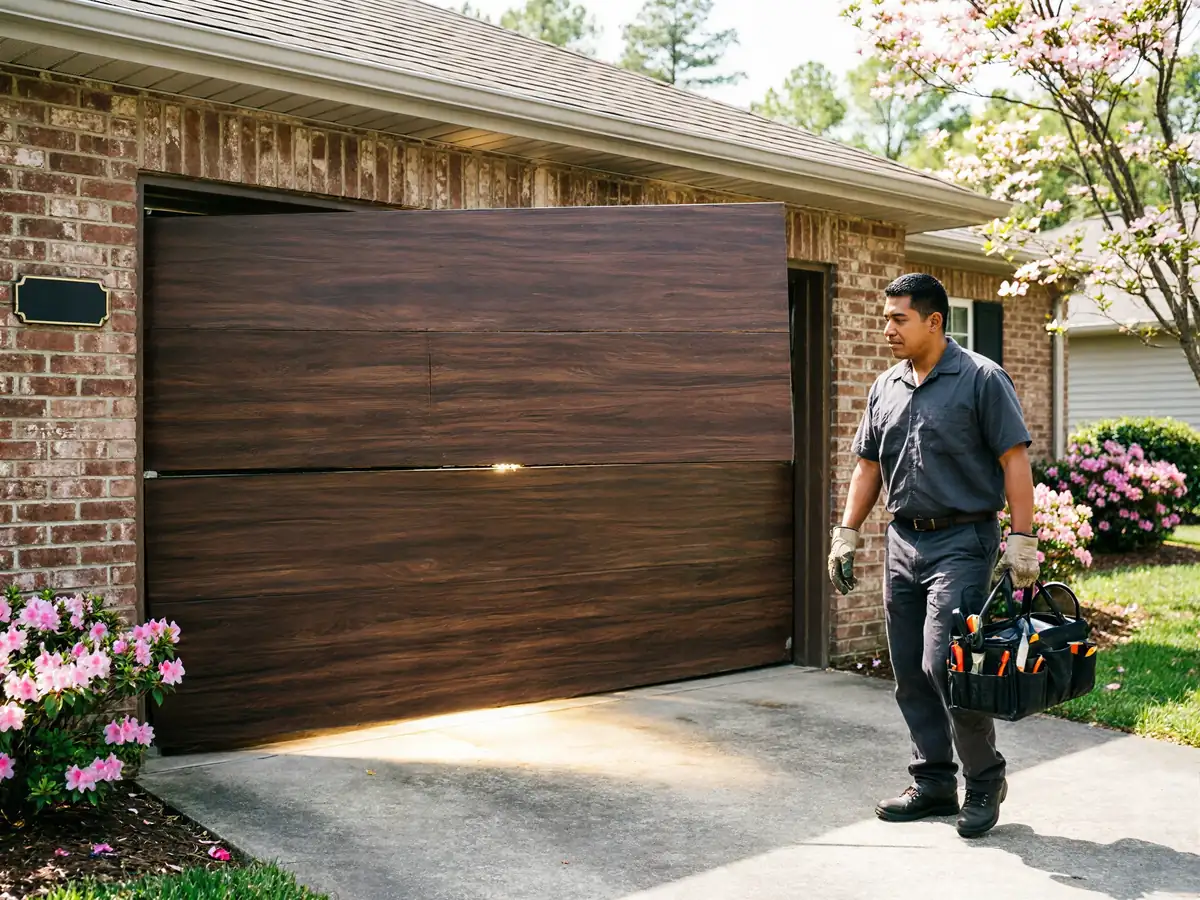
What the Fix Involves
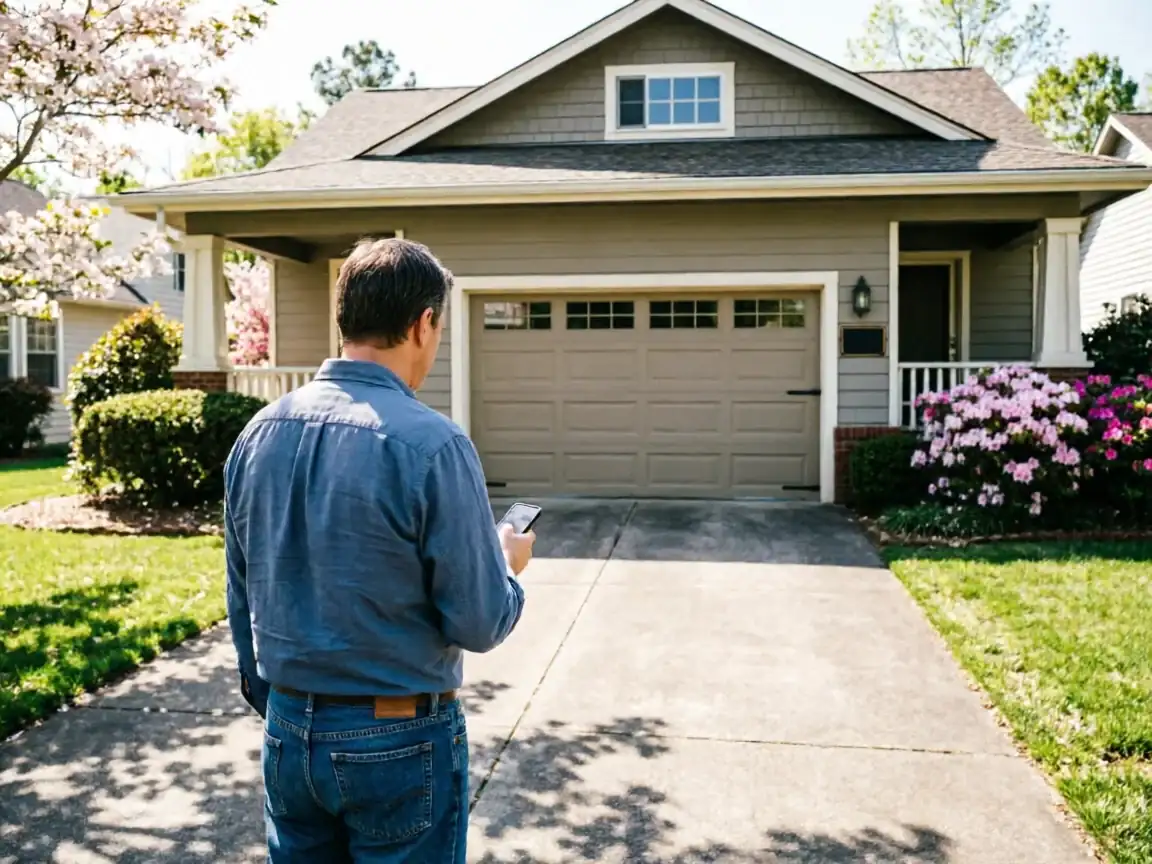
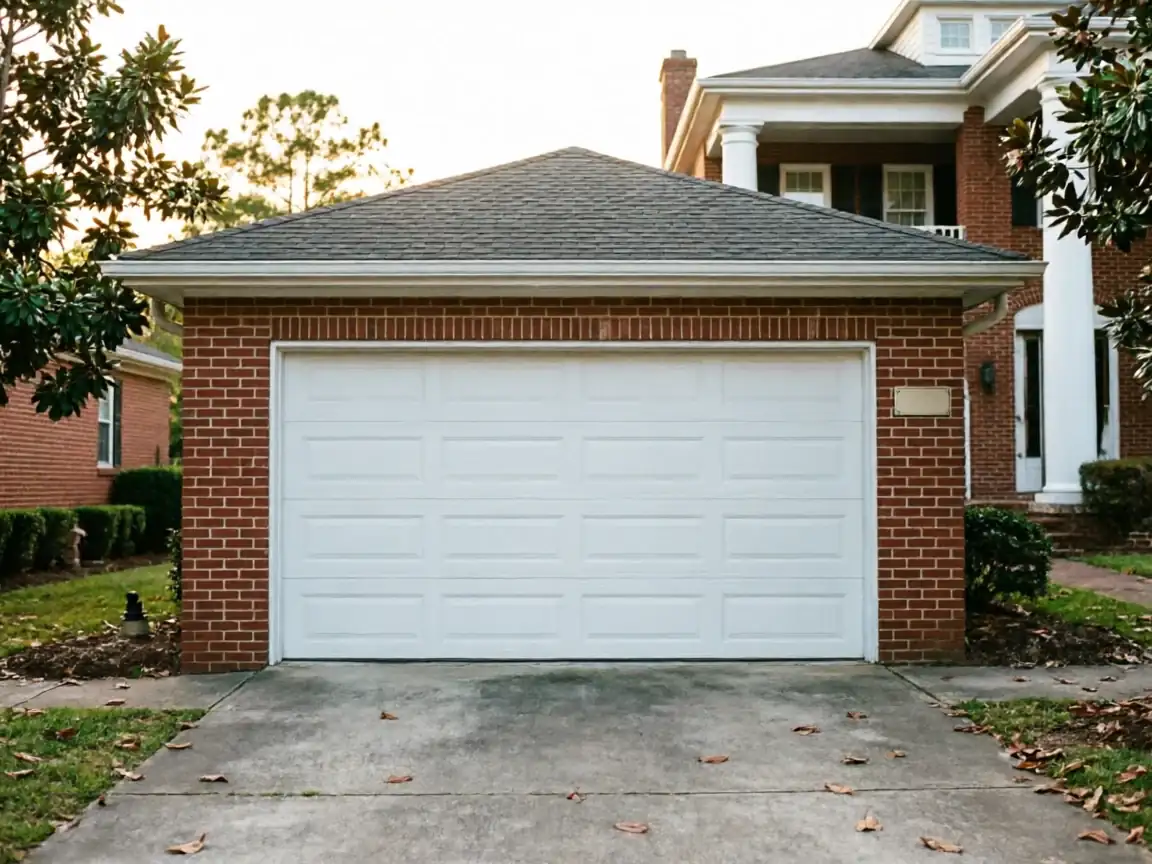
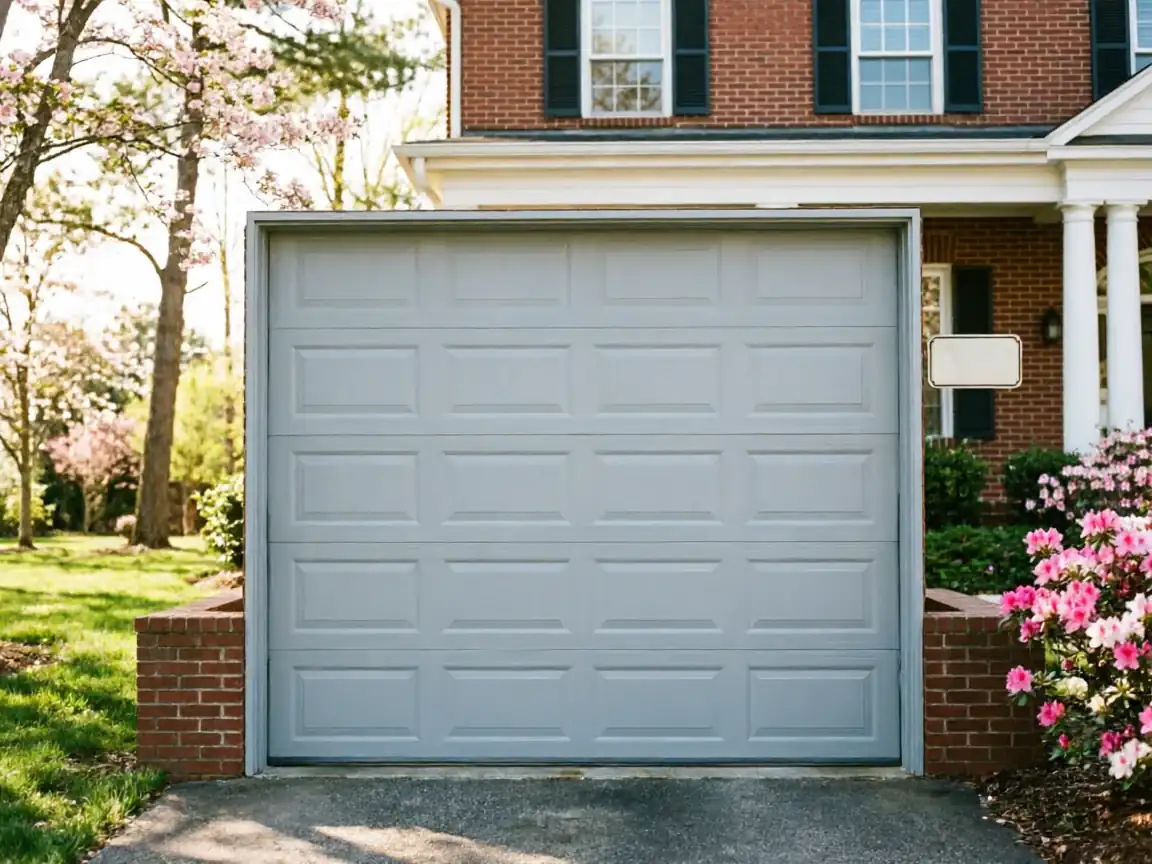
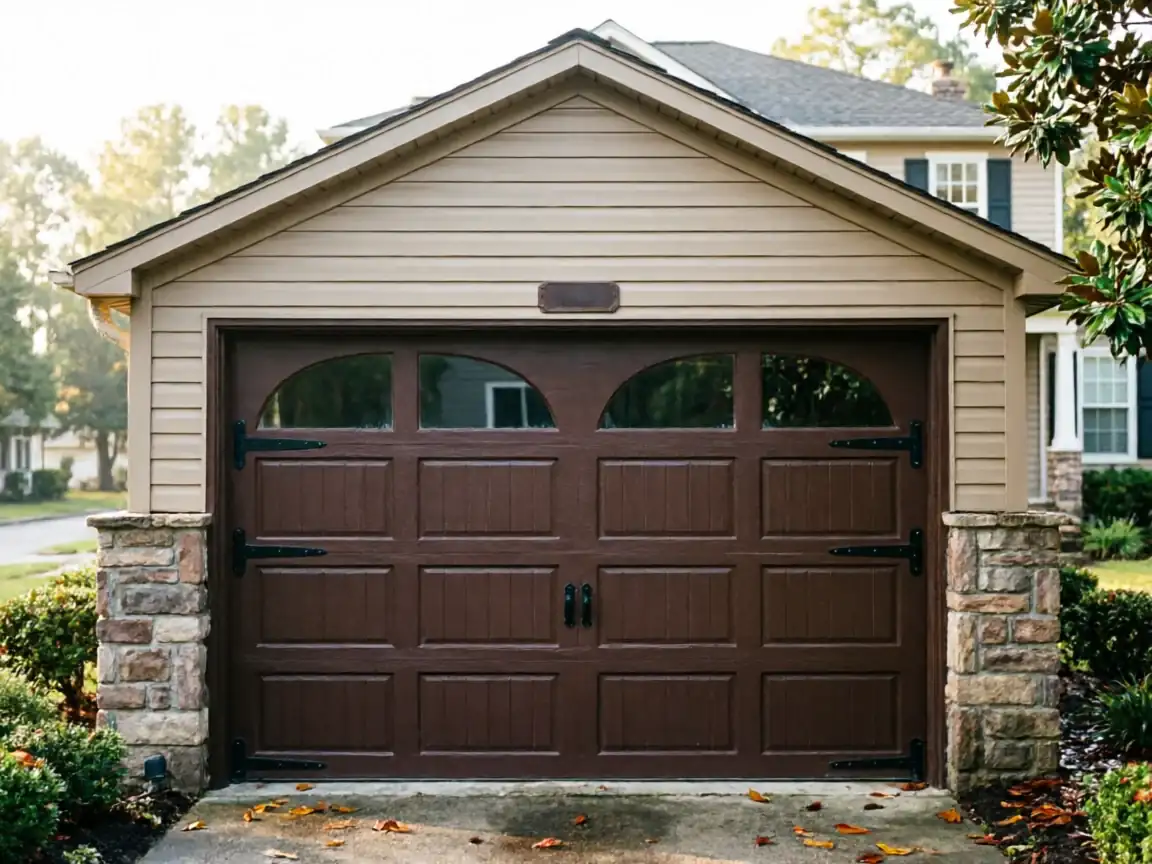
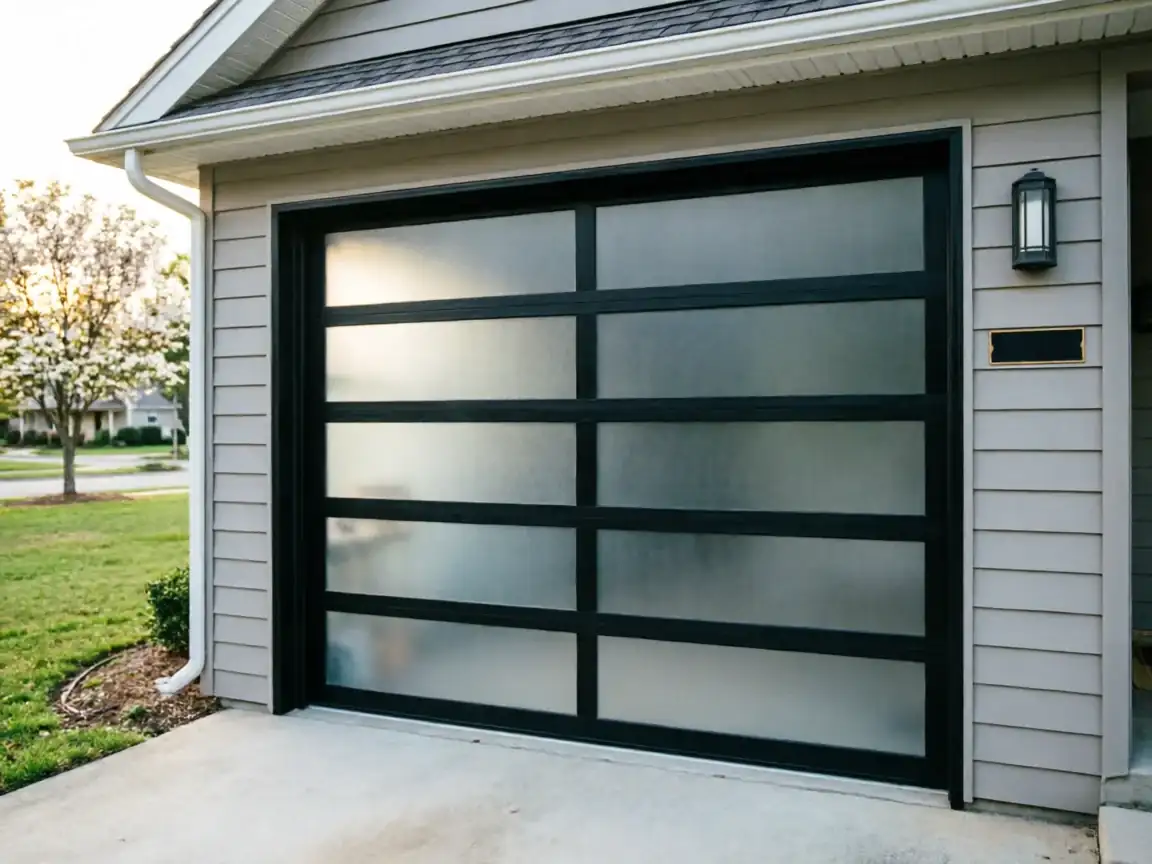
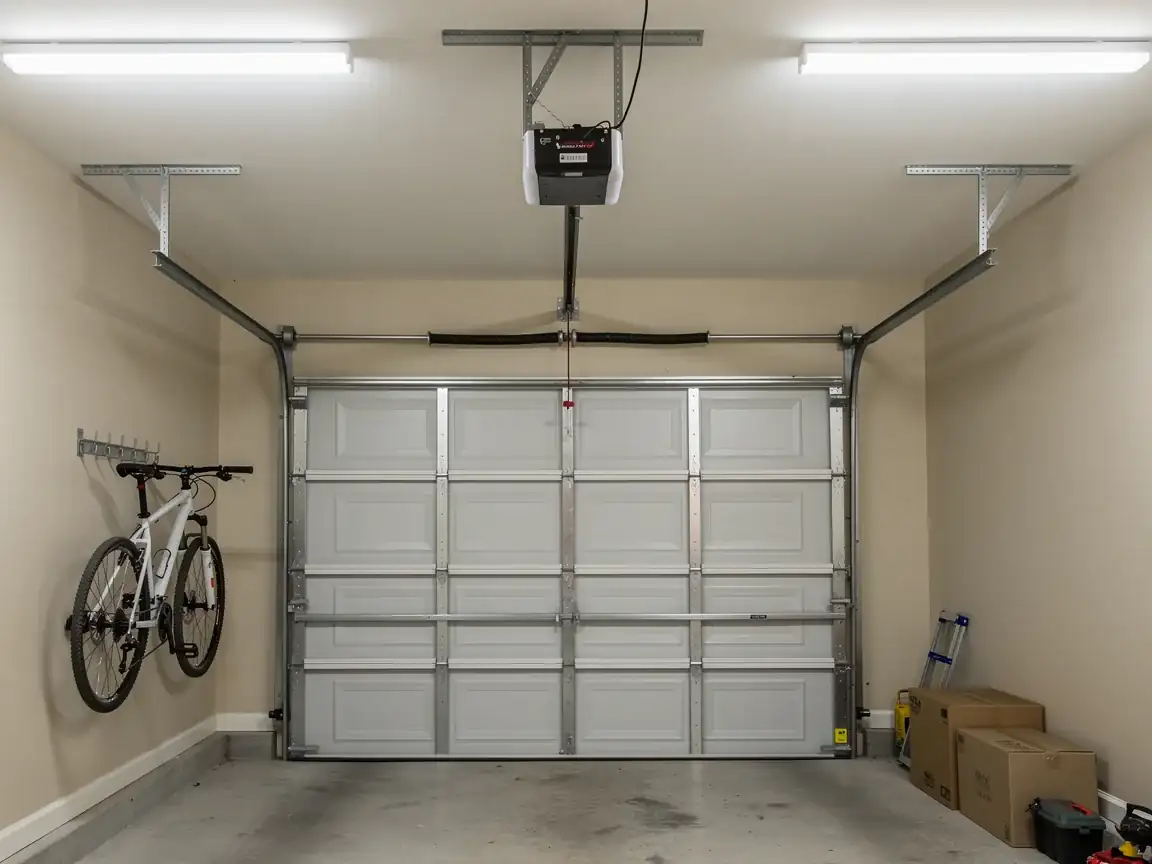
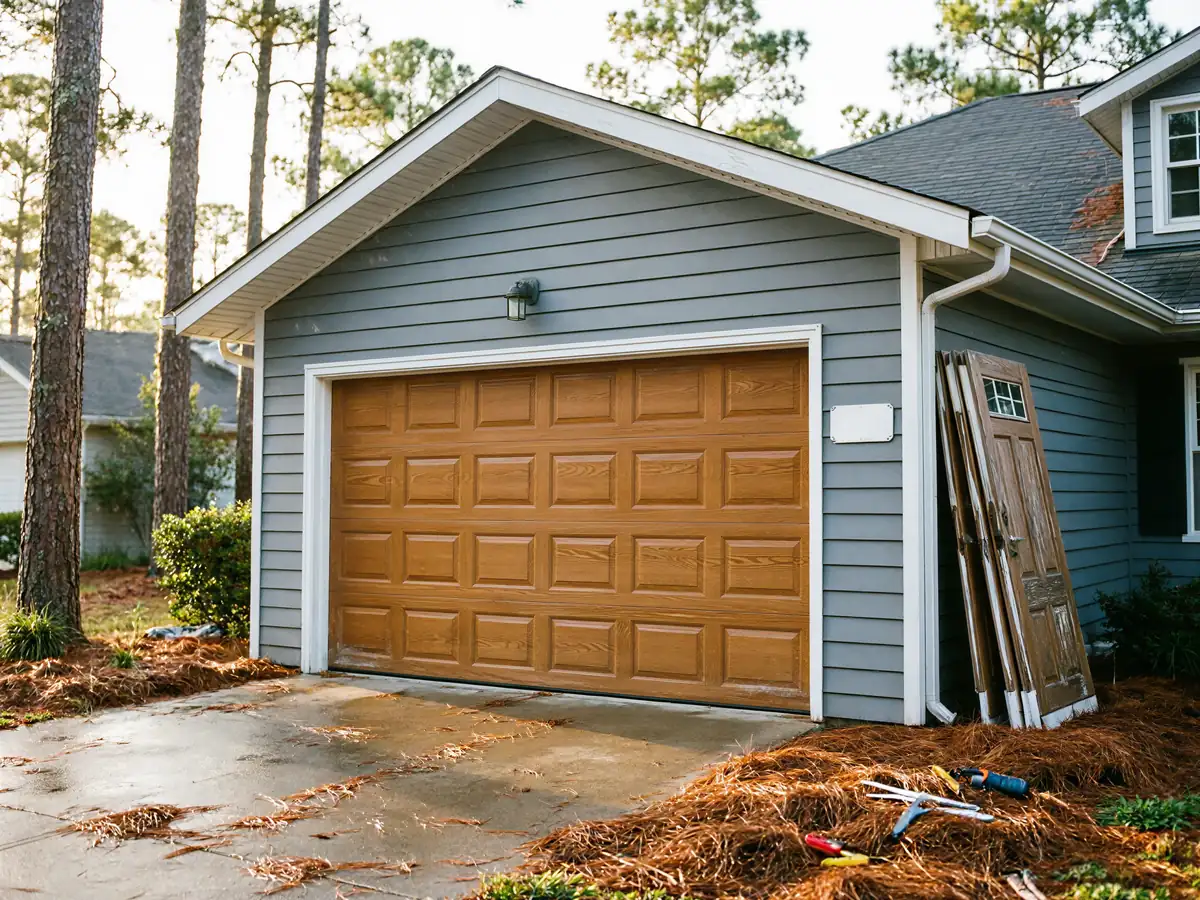
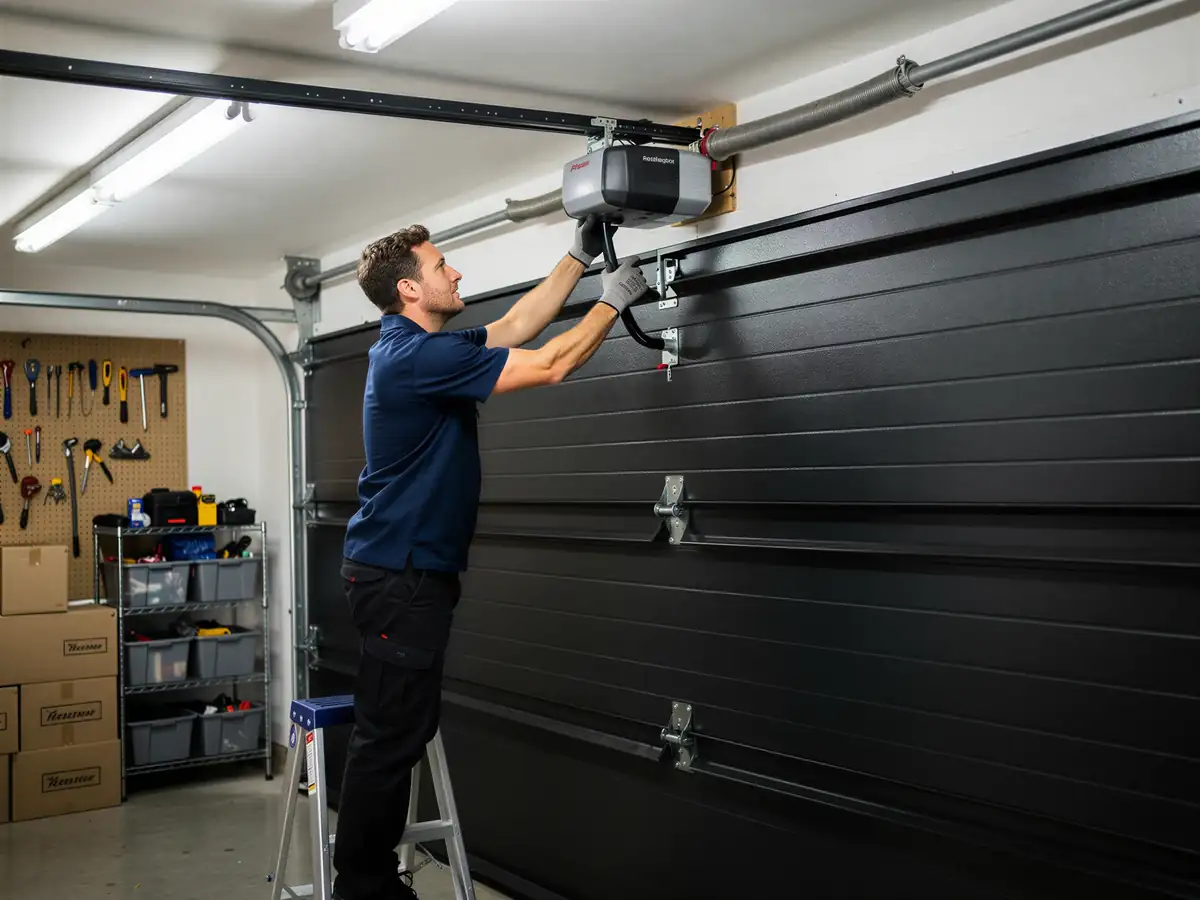
Coaling is a small town - about 678 households - and that matters for the kind of calls we get out here. There isn't a wide spread of building eras like you'd see in a bigger suburb; most of the housing across the broader service area went up between 1964 and 2004, median year 1994, and Coaling tracks close to that, with a median build year around 1997. That means doors and openers here are mostly from the same generation: steel sectional panels, chain or belt-drive openers from the late 90s and 2000s, and torsion springs sized for that era's door weight. A fix on one house tells us a lot about the house two doors down, because the hardware is rarely more than a few years apart. What we're usually working on is worn rollers, a stretched cable, a spring that's done its last cycle, or an opener logic board that's aged out - not the oddball stuff you get in a town with a century of mixed housing stock.
Time on the Job
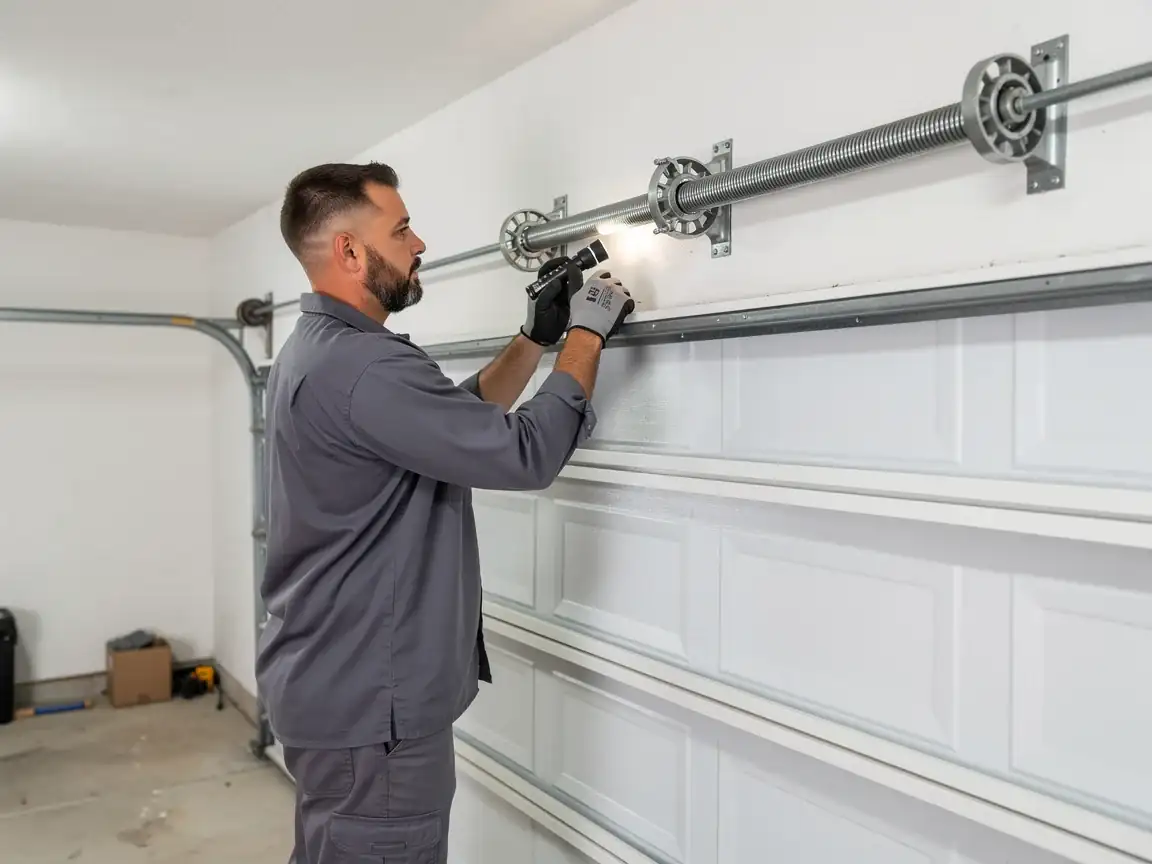
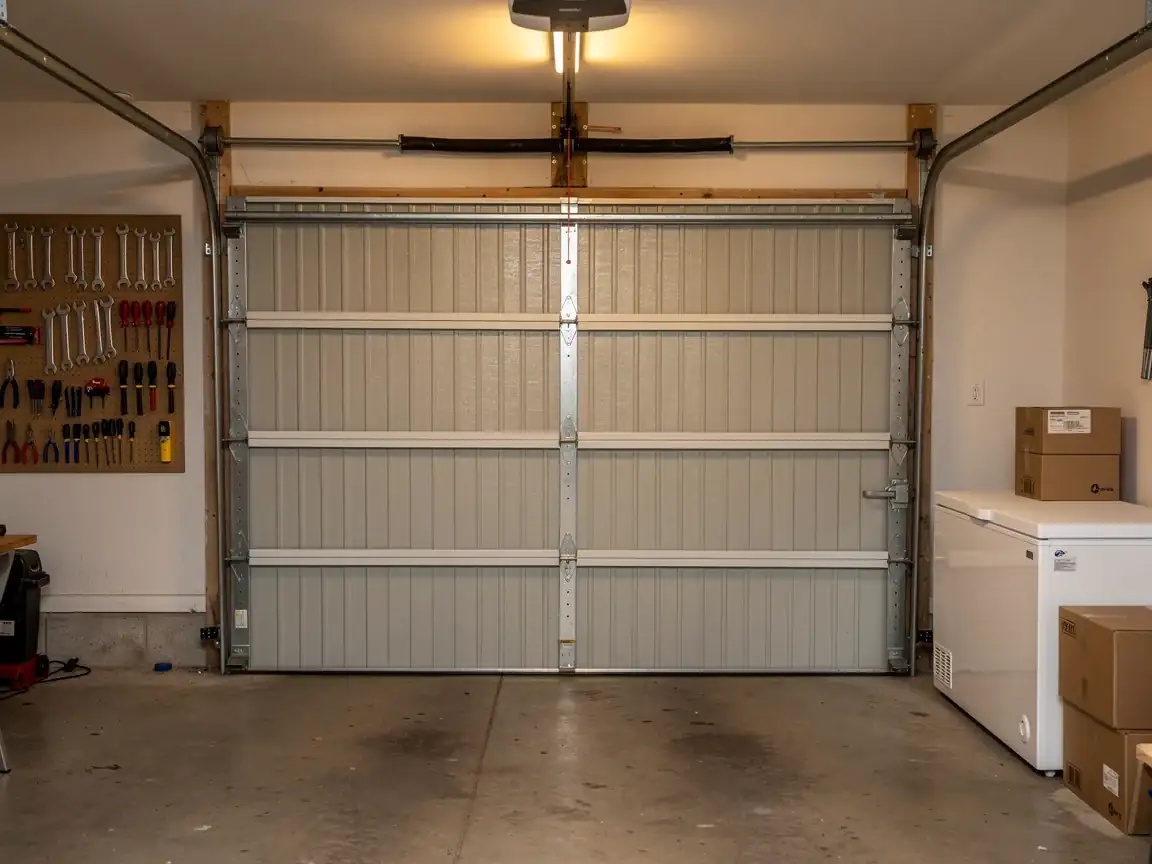
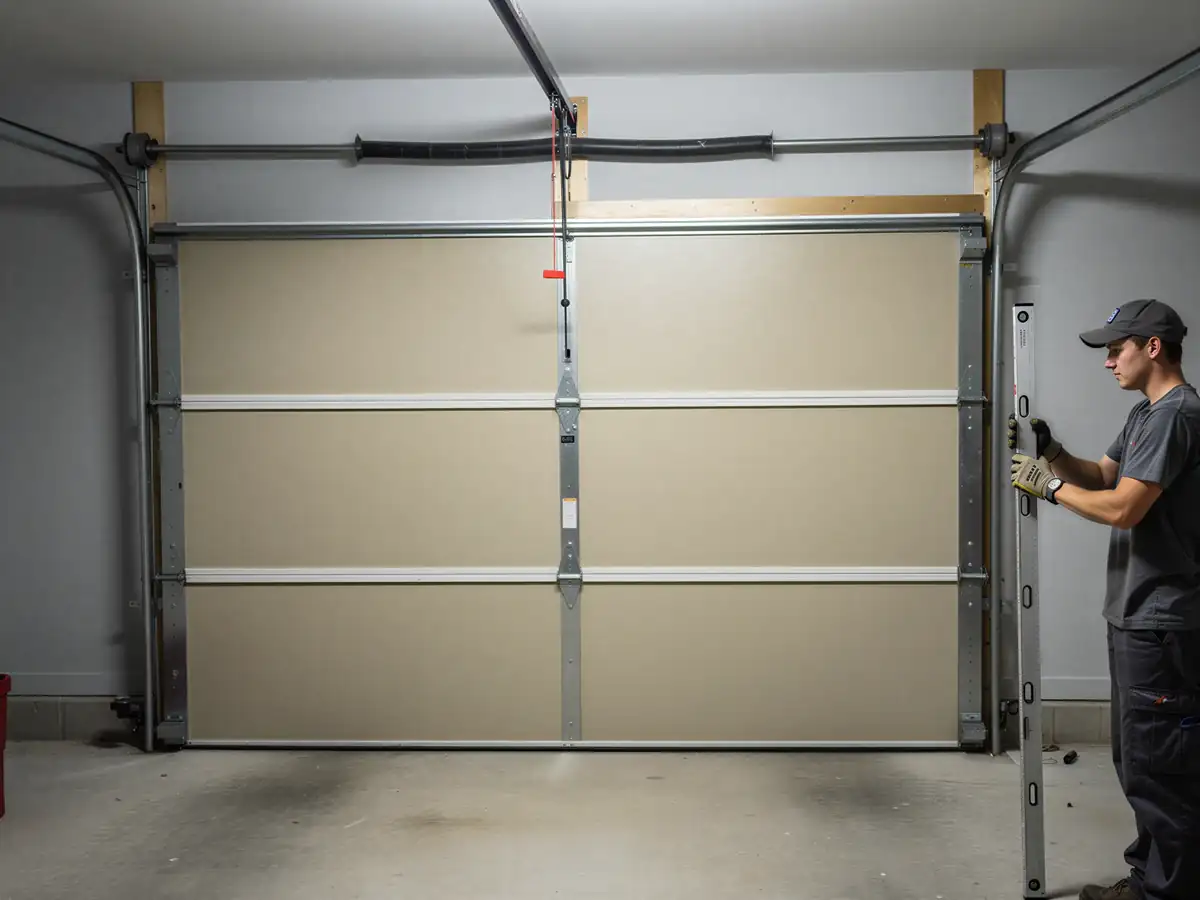
Most repairs on a 1990s-built door - spring swap, roller replacement, cable, opener swap - run inside a couple hours once the truck is on site. The variable here isn't the town, it's the door: a standard torsion spring job on a single door goes faster than a double door with worn track on both sides. Because Coaling's housing stock sits in a tight band around 1997, the parts we need are usually the same from job to job, which helps keep the work moving once we're there. The bigger time cost for this town is the drive itself, not the repair.
The Cost of This Job
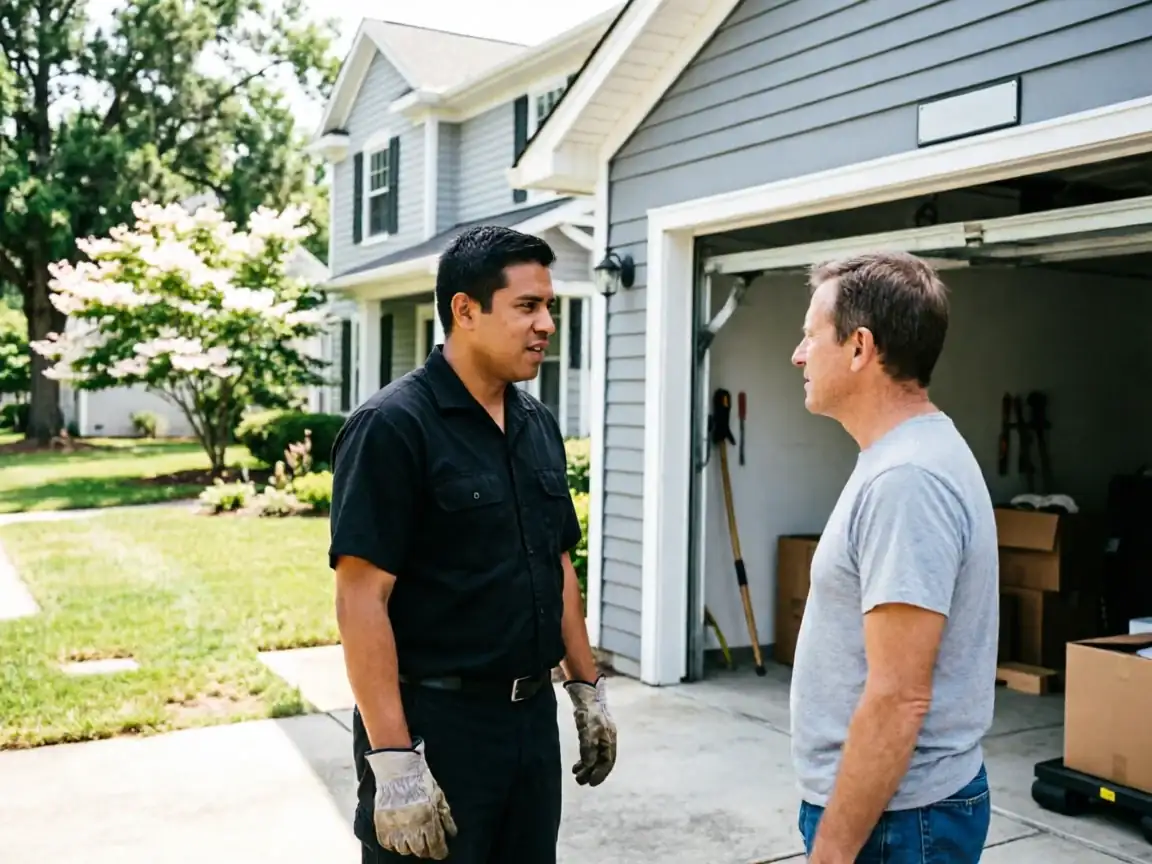
We don't have a published price list to quote here, and it would be wrong to make one up. What we can say is that Coaling's household income runs higher than the wider service area's median of $73,292 - closer to $83,587 - which doesn't change what a job costs, but it does mean we're not fielding a lot of calls asking us to patch something that really needs replacing. Give us a call and describe what the door's doing, and we'll give you a real number before any work starts.
The Symptom
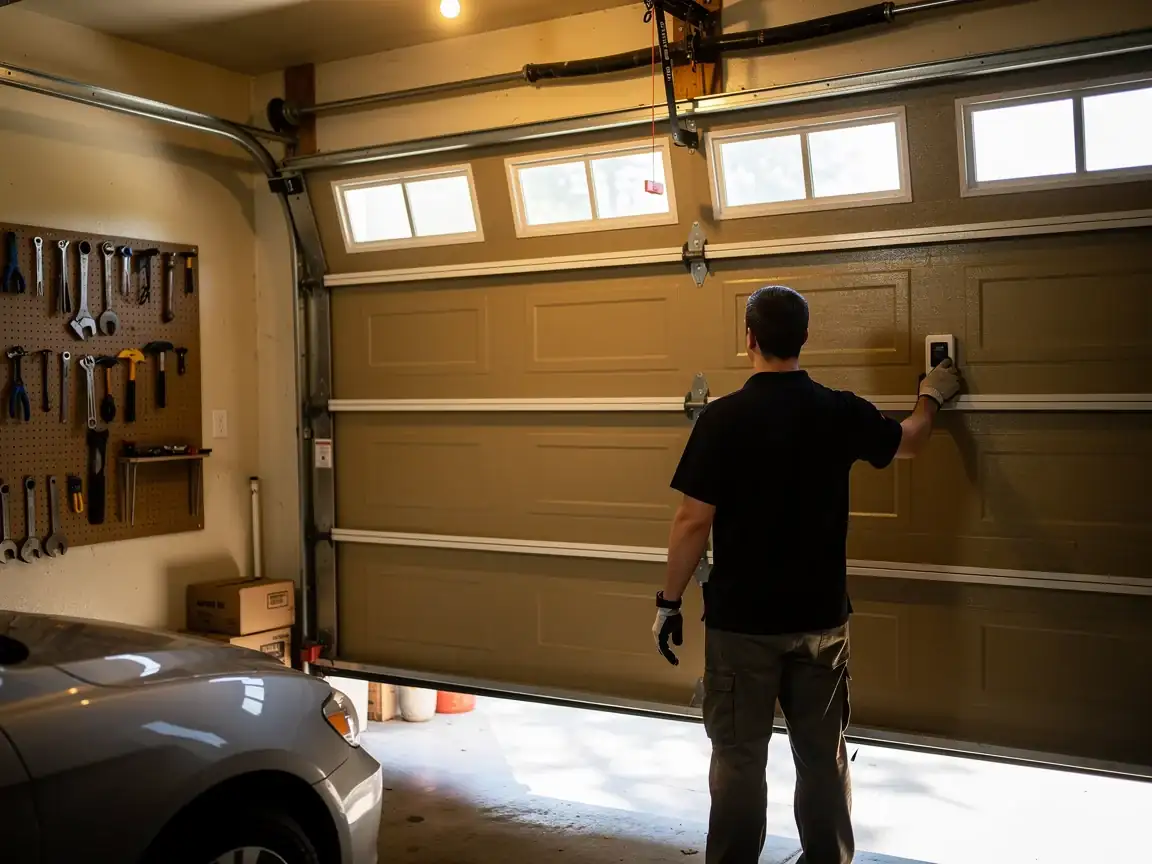
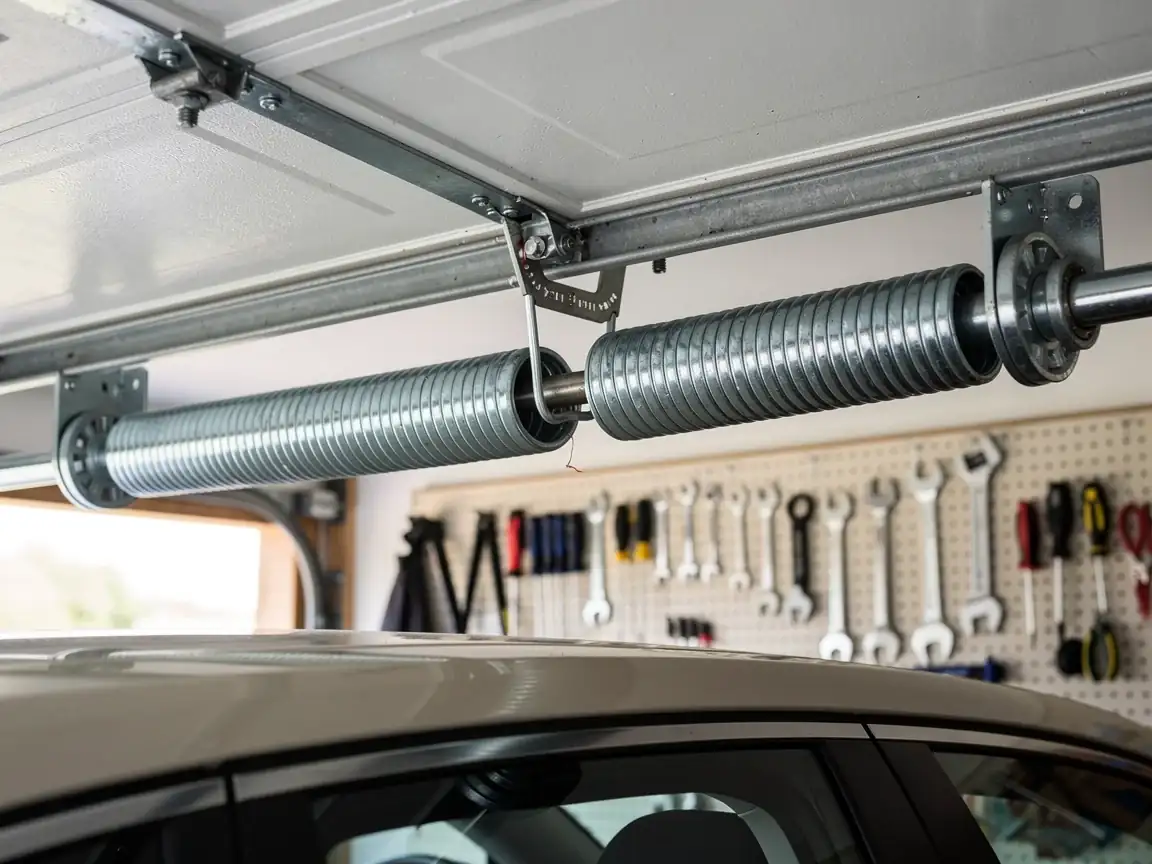
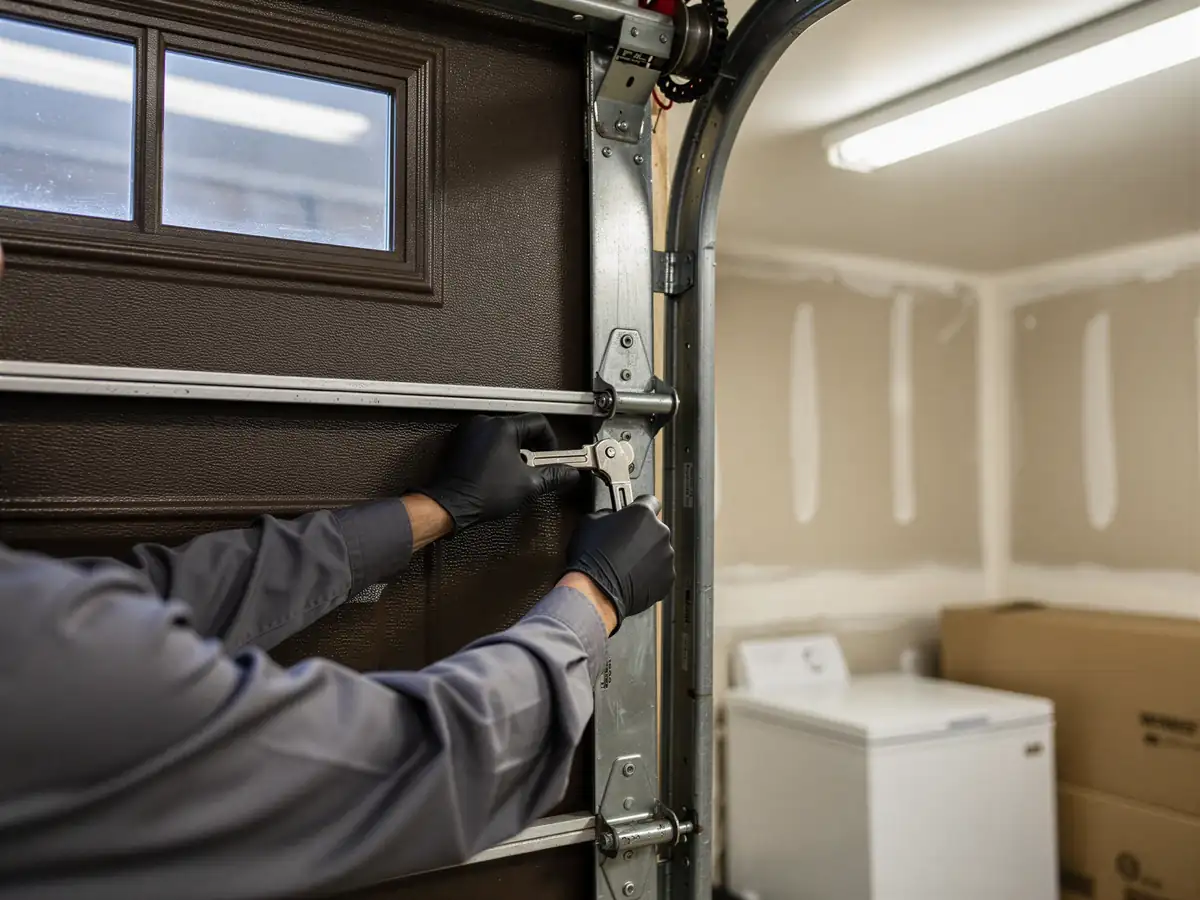
The door won't open, or it opens partway and stops, or the opener runs but the door doesn't move - these are the calls we get most from houses in this age bracket. On a door built in the 1990s, a stuck or partial-open symptom is most often a spring that's lost tension or a cable that's frayed through, not the opener itself. A door that reverses right after closing usually points to the safety sensors or a misaligned track, which is common once a door's been in service for 20-plus years without adjustment. Tell us exactly what the door is doing and when, and we'll know what we're walking into before we get there.