Where This Job Goes Sideways
Moundville sits about 17 miles from our shop in Tuscaloosa, which is the first thing that shapes how a call out here actually runs. We don't have a crew parked nearby waiting for a page - every job gets scheduled against the drive, so when you call, the first question is what's broken and whether it can wait for a window, not whether someone can swing by in ten minutes.
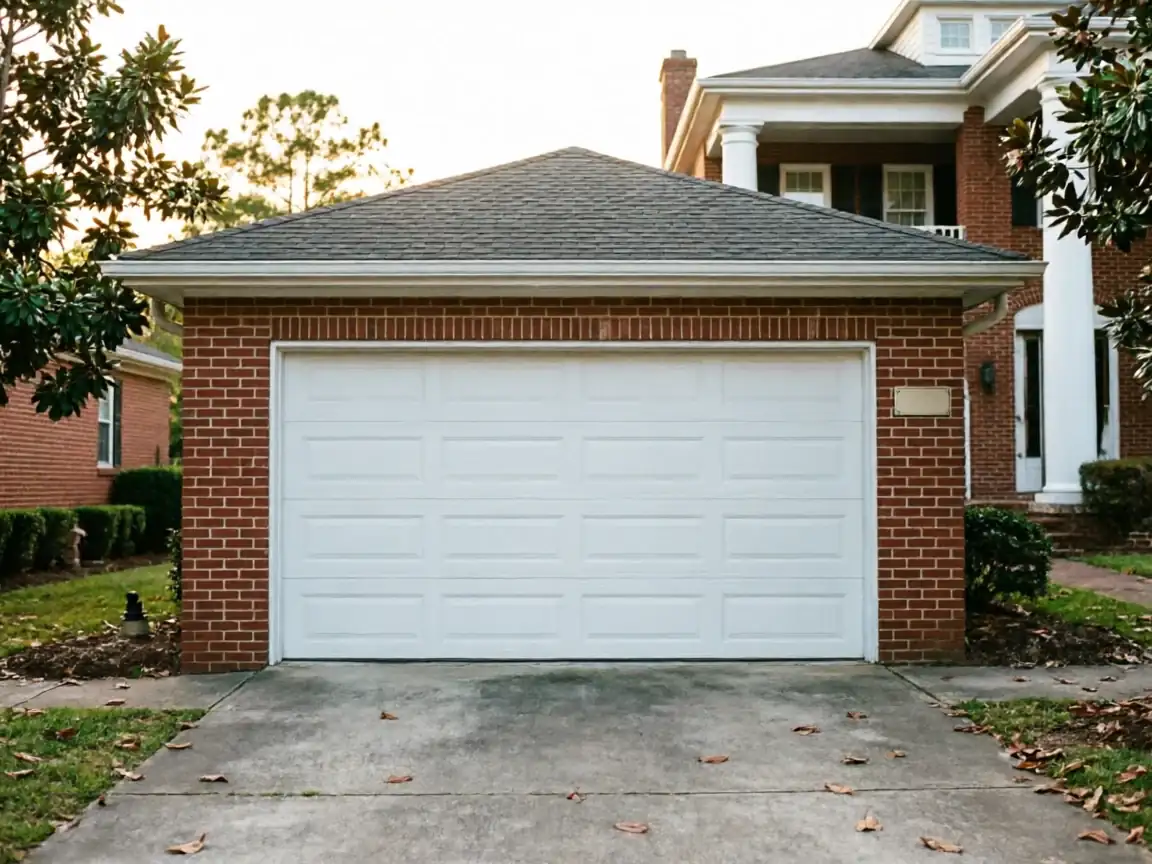
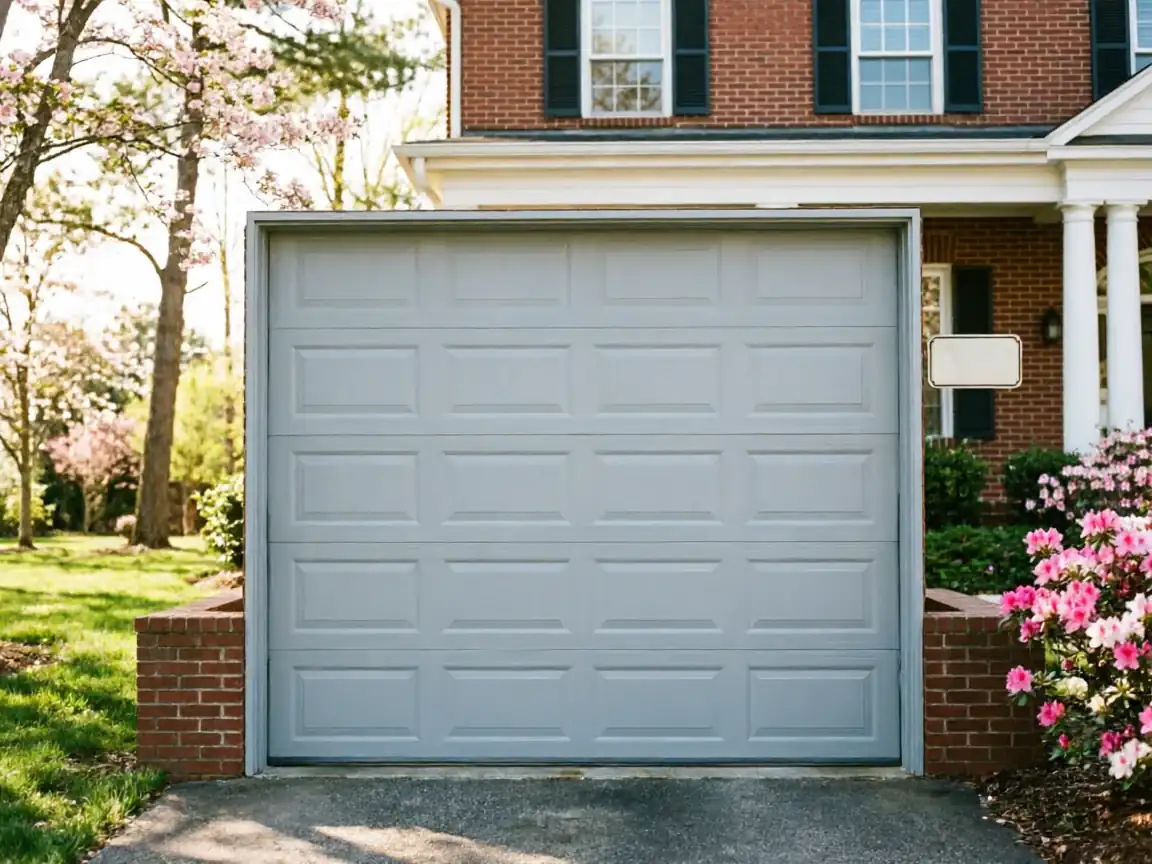
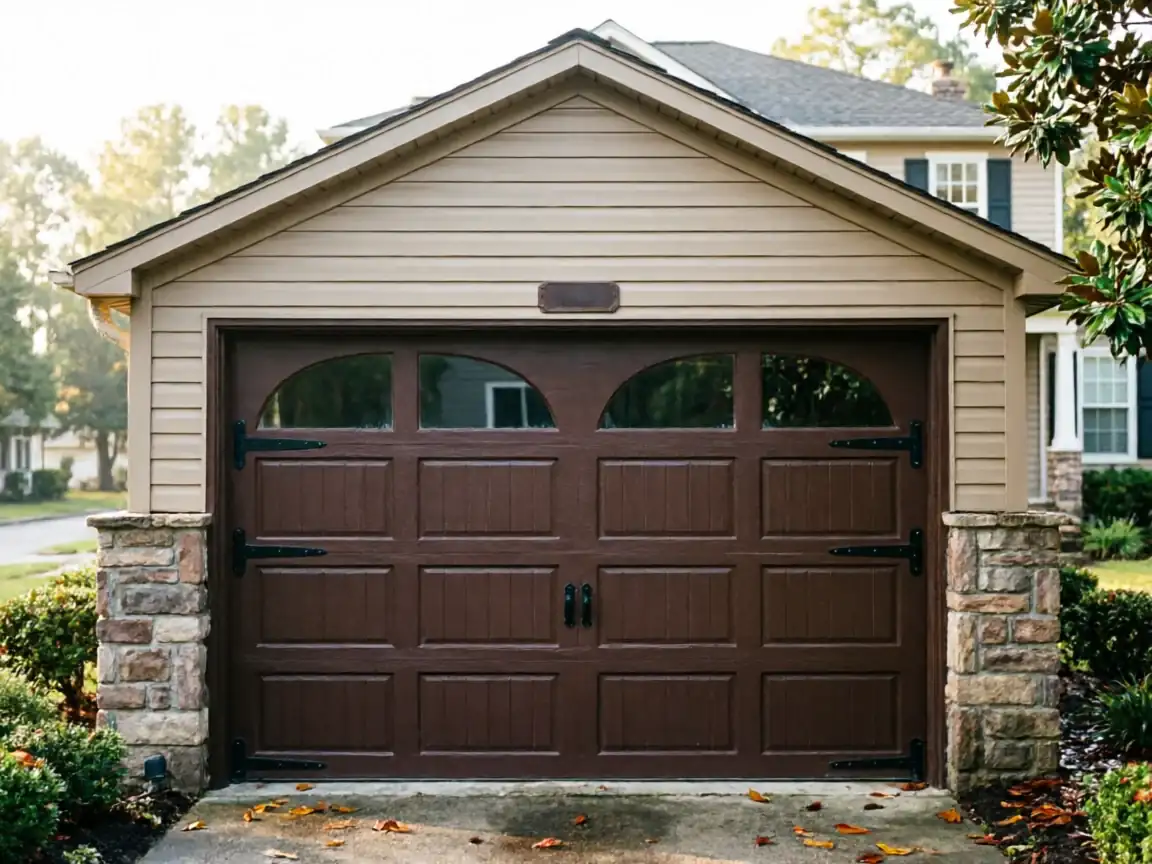
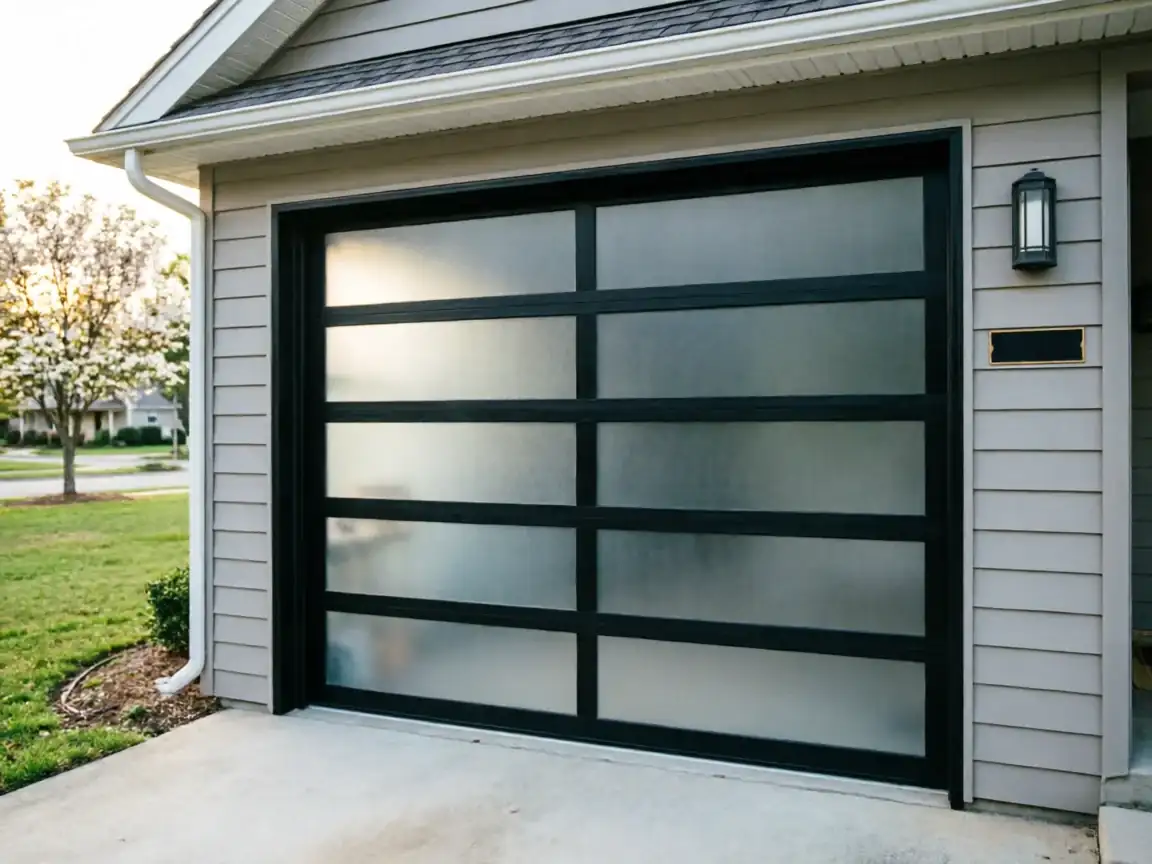
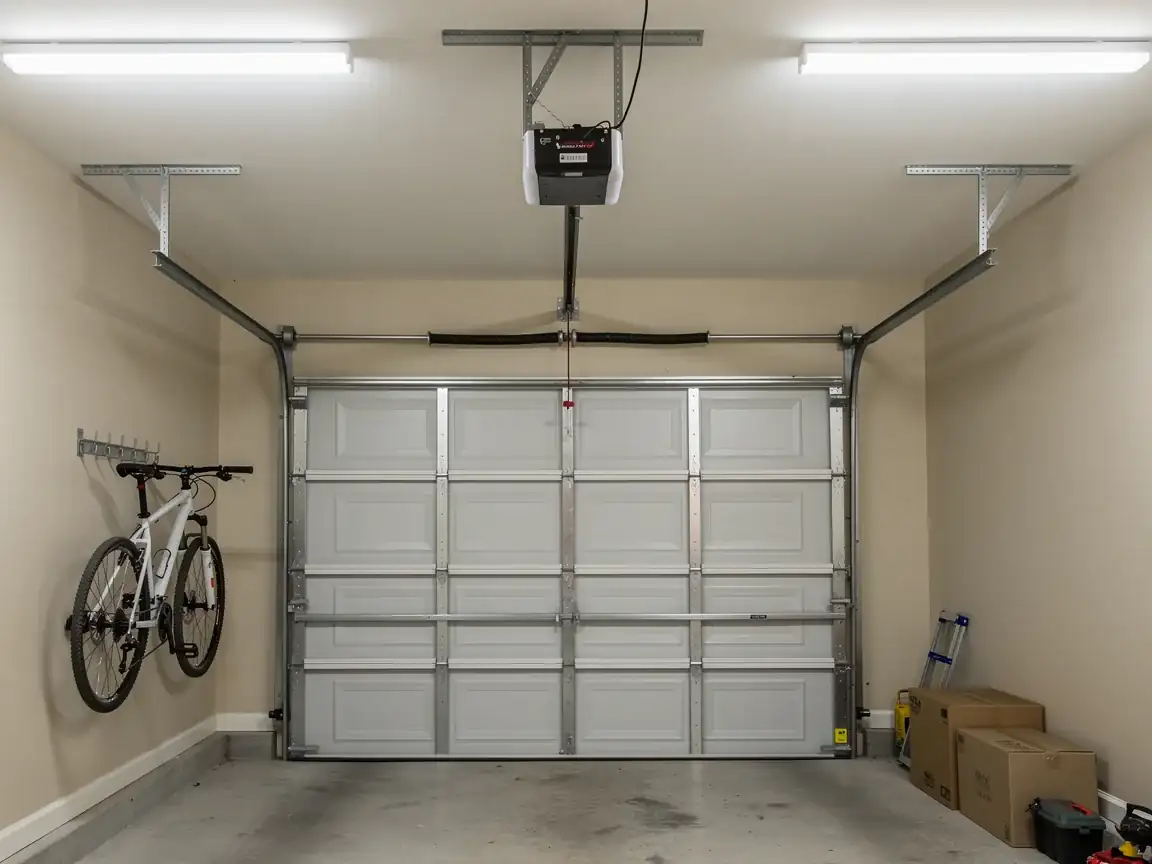
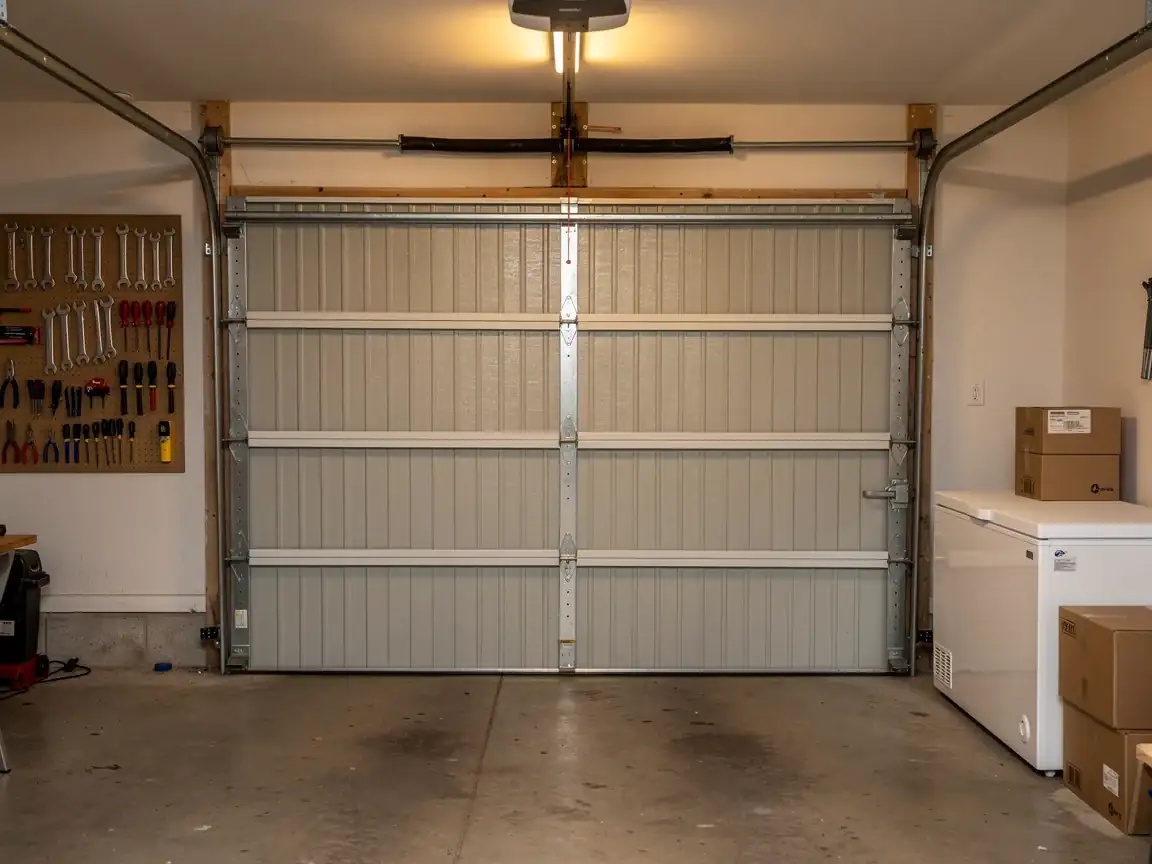
The second thing that shapes the job is the houses themselves. Moundville's housing stock is newer than a lot of the rest of our service area - the median build year here lands around 2002, well past the 1994 median that covers the broader Tuscaloosa footprint. That means you're mostly dealing with steel sectional doors on torsion springs rather than the older one-piece or extension-spring setups we still find on the older side of the territory. Openers out here are more likely to be chain or belt drive units from the 2000s, not the worn-out screw drives you see on houses built decades earlier.
The climate band for this whole area is mild with occasional freeze, so you don't get the brutal swing-load failures of a true cold-winter market, but you do get spring fatigue from humidity and the odd hard freeze working on steel that's already twenty-plus years into its service life on the older end of that 2002 median.
Can You Do This Yourself
Some of it, yes
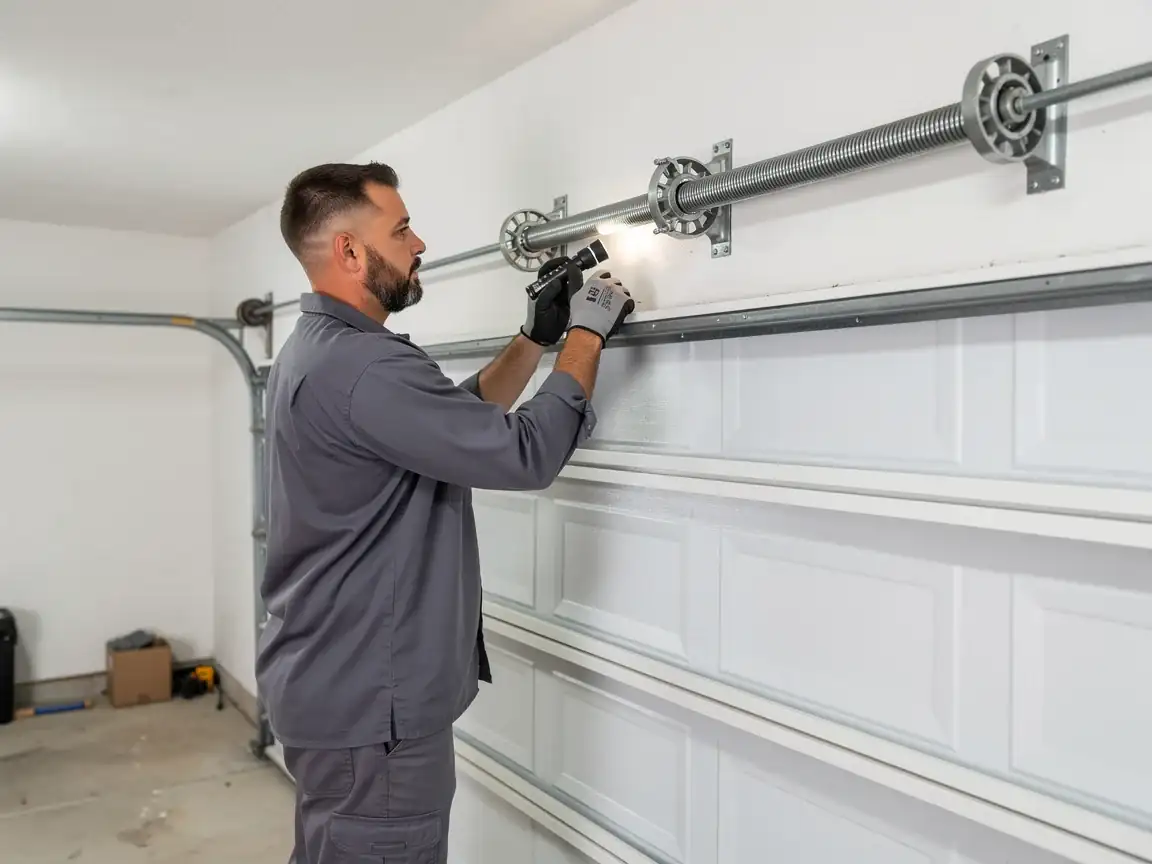
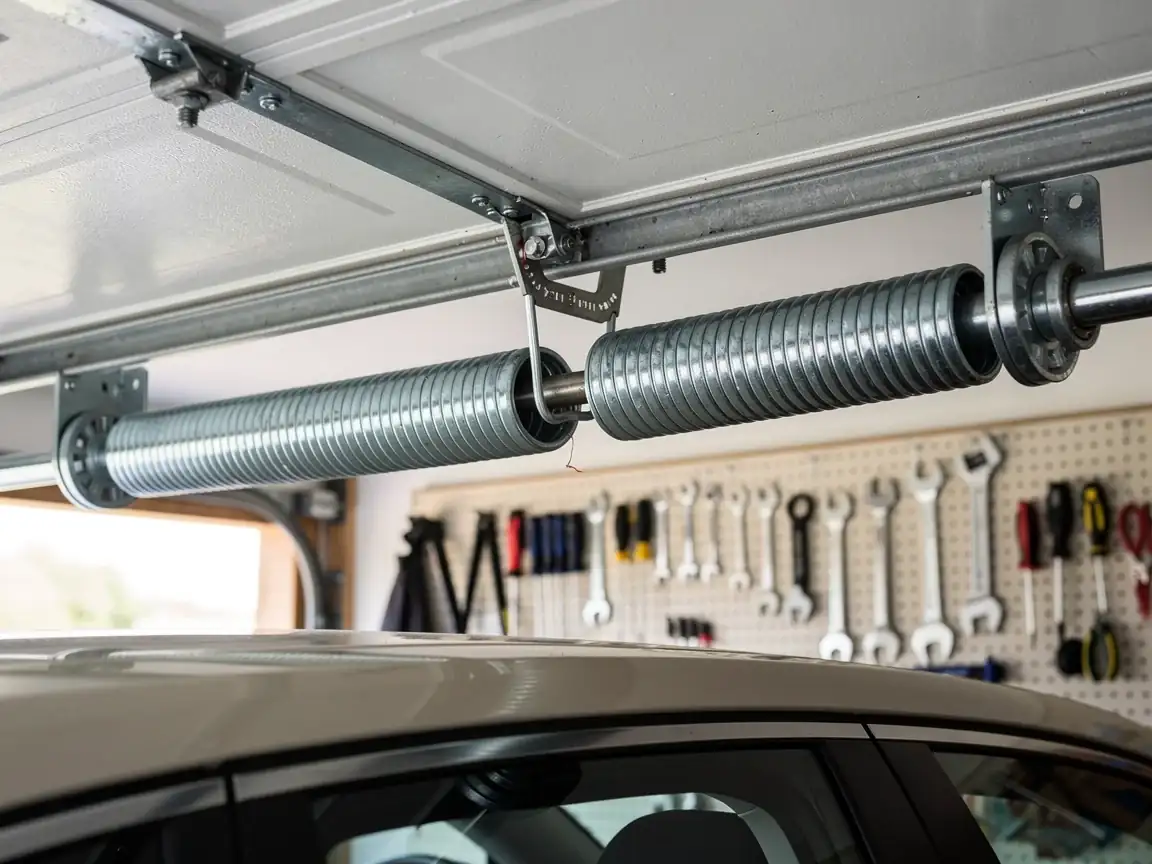
Lubricating rollers and hinges, tightening loose bolts on the track brackets, checking that the photo-eye sensors are aligned and not just dusty - all of that is fair game with the door unplugged and the opener disconnected. If the door is a steel sectional on torsion springs, which is most of what you'll find in a house built around 2002, leave the spring itself alone. Torsion springs are wound under enough tension to break bones, and the winding cones need a specific bar and a steady hand, not a guess.
If the opener is dead but the door moves fine by hand, that's worth checking before you call anyone
A tripped breaker or a disconnected safety sensor accounts for more dead-opener calls than an actual motor failure. If the door is off its track or a cable has frayed and jumped the drum, stop. That's not a project, that's a hazard, and it's the kind of job where a wrong move turns a repair into a door replacement.
Our honest limitation
We don't troubleshoot over the phone past the basics above, and we're not going to talk you through a spring swap. Given the drive out here, we'd rather diagnose it once, in person, than have you call back after a second attempt makes it worse.
The Cost of This Job
We don't publish a flat price for garage door work because the fix depends on what's actually failed - a broken torsion spring, a burnt-out opener motor, and a bent track are three different jobs with three different parts lists. What we can tell you is the context: median household income in this part of the service area runs around $69,146, a bit under the $73,292 median for the full territory we cover, and that gap matters when you're deciding between a repair and a full door swap.
On a door built around 2002, a torsion spring or opener motor swap is almost always the right call over replacing the whole unit - the panels and track are typically still sound, so you're paying for the part that failed, not the whole structure. Where it tips toward replacement is when the door itself has taken damage - a bent bottom panel from a backed-into car, or rust working through steel that's been sitting in moisture for two decades.
We'll give you the actual number once we've looked at the door in person. Quoting a price before that, on a job we haven't seen, would be a guess dressed up as a fact - and that's not a game we play.
Getting It Booked In
Because every Moundville call starts with a 17-mile drive from Tuscaloosa, we schedule these rather than chase them same-hour. Tell us what the door is doing - won't open, opener runs but the door doesn't move, spring snapped with a bang - and we'll give you a realistic window instead of a promise we can't back up given the distance.
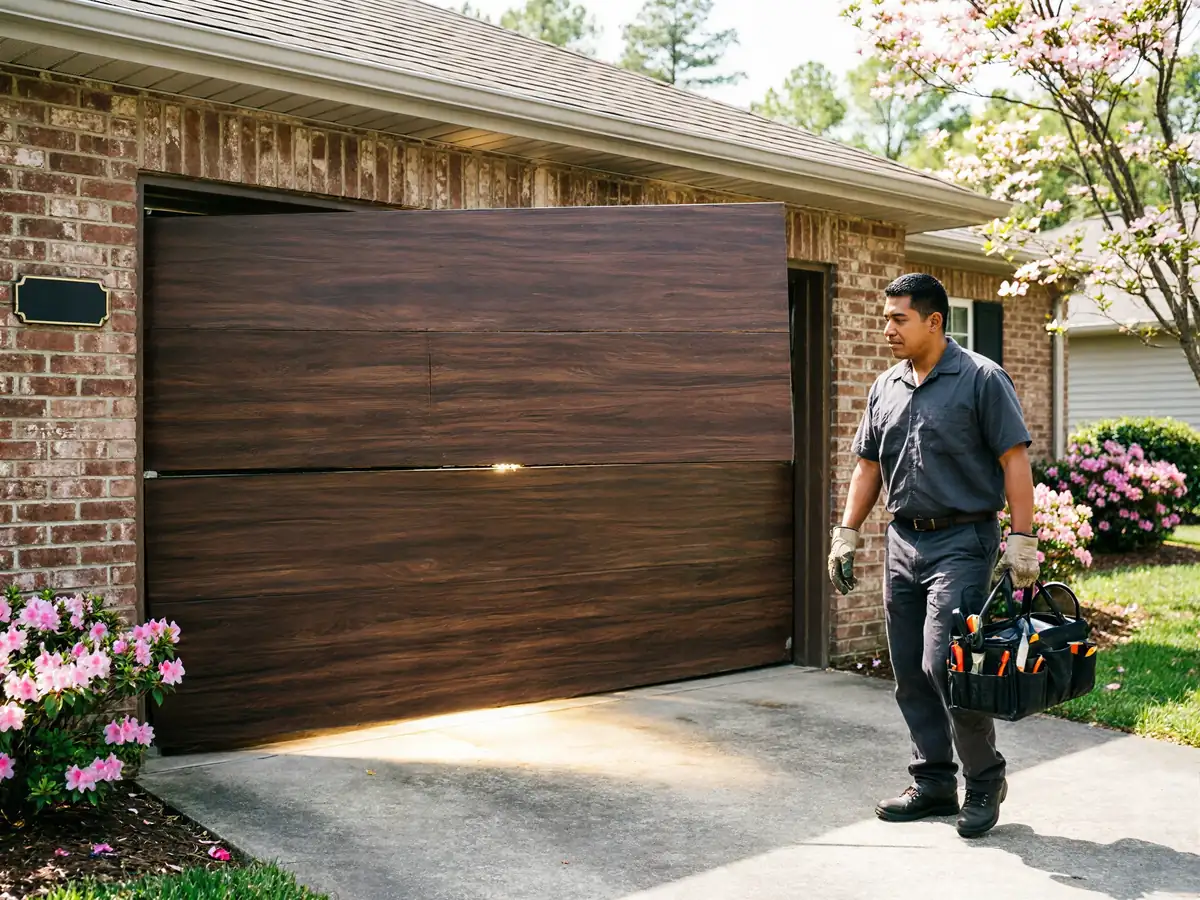
If you're not sure whether what you're hearing is the opener or the spring, a quick description over the phone usually sorts it. A loud bang followed by the door refusing to budge is almost always a spring. A door that moves but the opener light doesn't come on is almost always electrical, not mechanical.
You can see the rest of the areas we cover around Moundville - on our areas we serve page. For anything outside a straight repair call, our main Tuscaloosa garage door repair page covers installs and the rest of the work we do.
Time on the Job
Most single repairs
A spring replacement, an opener swap, a cable or roller fix - run under two hours once the truck is on site. The variable out here isn't the repair itself, it's the drive: a Moundville call adds roughly half an hour each way compared to a job inside Tuscaloosa proper, which is baked into the window we quote you, not something that shows up as a surprise.
If the job turns out to be bigger than the phone description suggested
Say a spring call turns into a track replacement because the door's been running bent for months - we'll tell you before we start the second piece of work, not after. Parts availability can stretch a same-day fix into a next-day one if we need a part we don't carry on the truck, which happens more often with older opener models than with anything built after 2002.
We don't do emergency after-hours runs out to Moundville specifically
That's a limitation of the distance, not the town, and we'd rather say that plainly than promise a 2 a.m. arrival we can't make good on.
What the Fix Involves
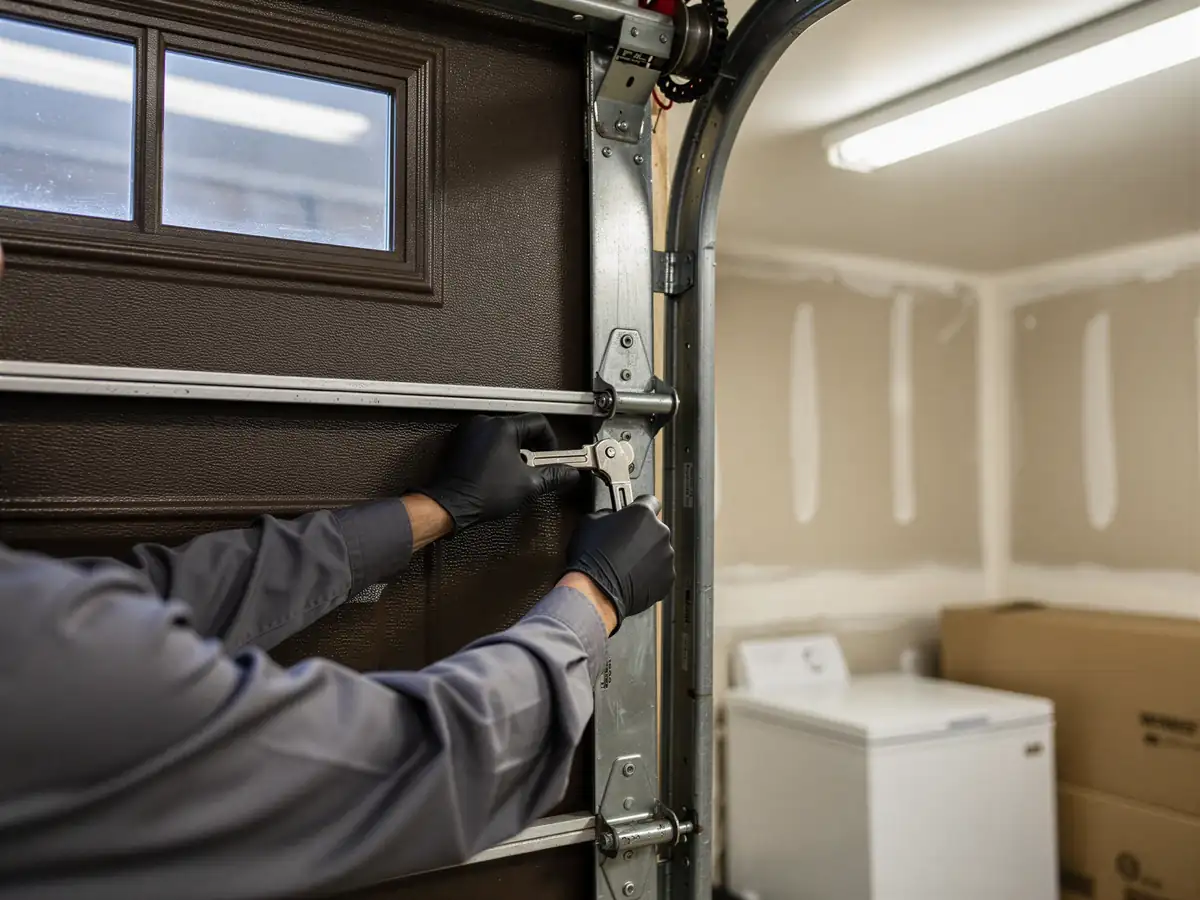
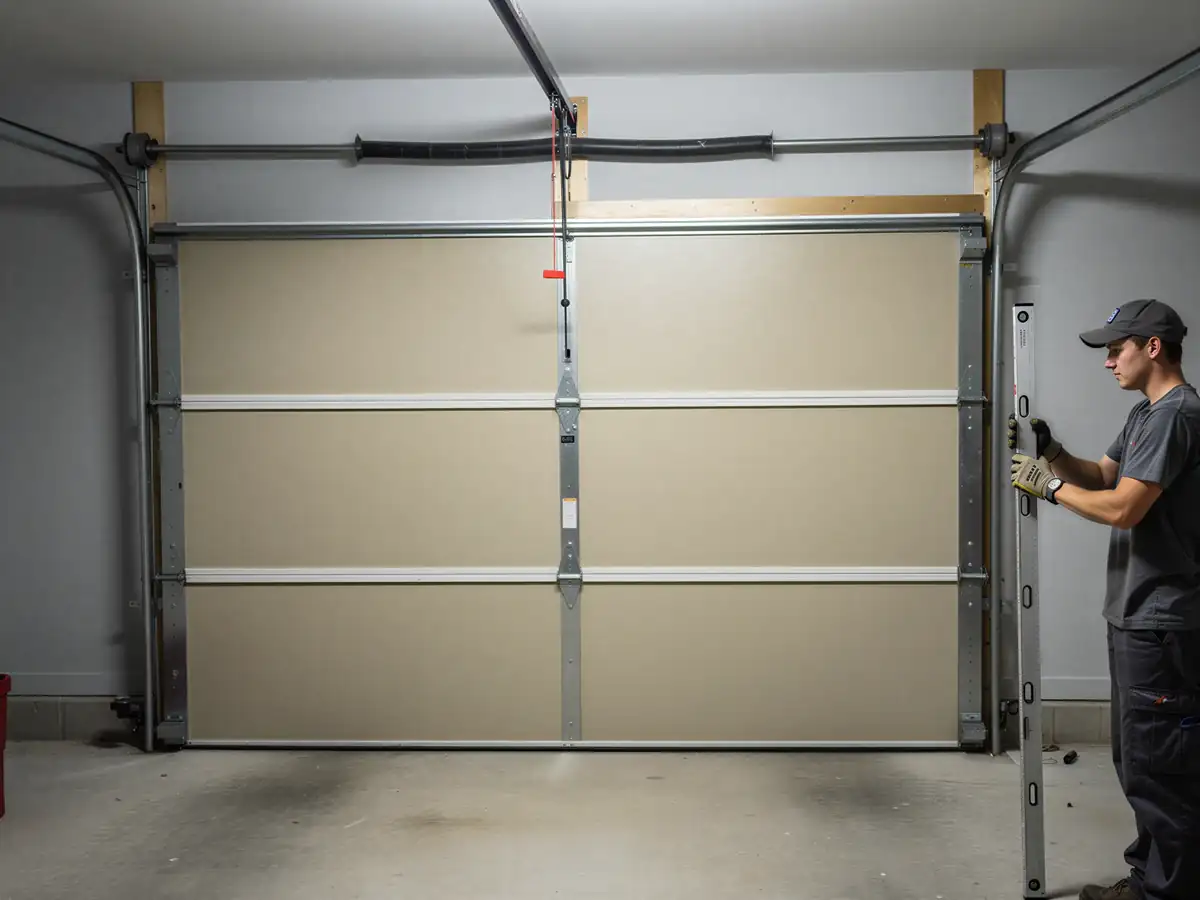
On a torsion spring job, the process is the same regardless of the house: the door gets secured, the old spring is unwound with a winding bar under control, the new spring goes on matched to the door's weight and the drum size, and the door gets tested through a full cycle before we leave. Given the housing age here, we're usually working with standard-cycle steel springs rather than the heavier-duty springs you'd see on an insulated or oversized door.
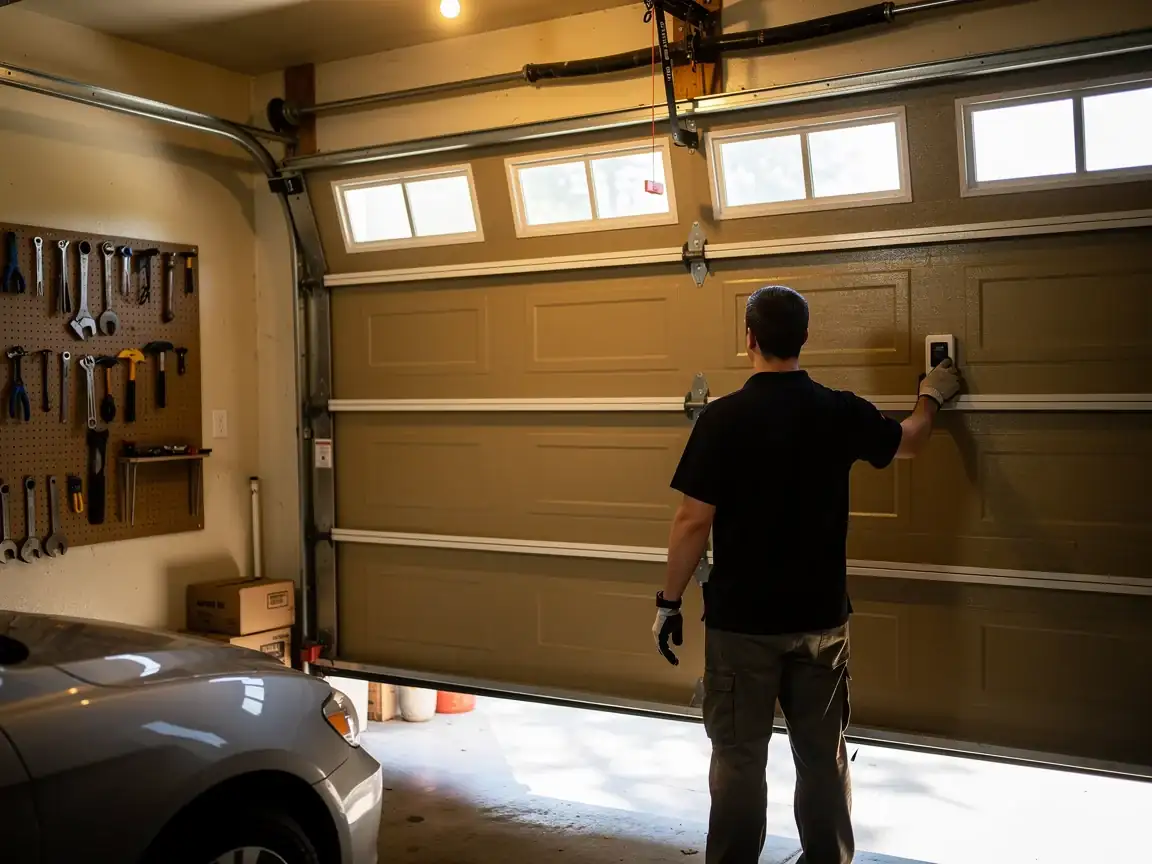
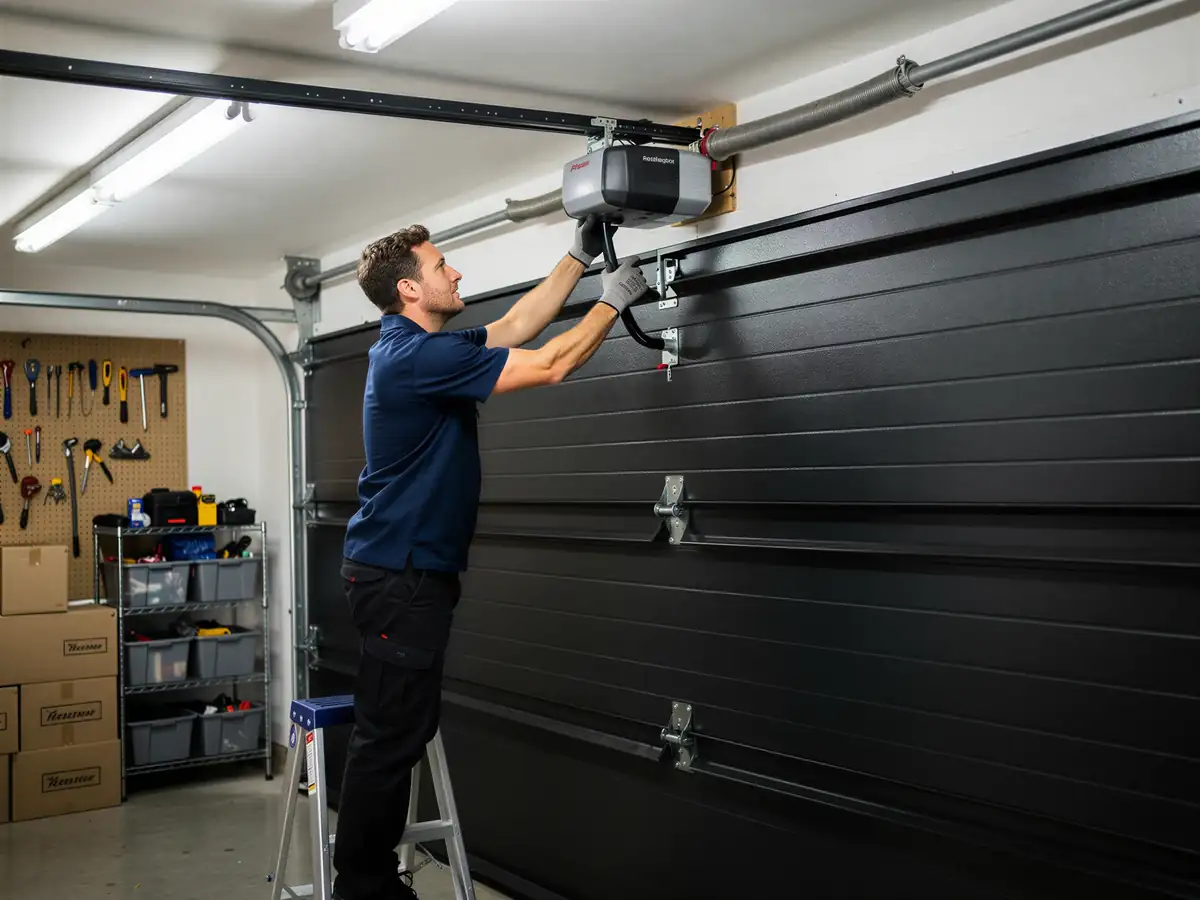
Opener repairs on a 2000s-era chain or belt drive usually come down to one of three things: the motor's capacitor or logic board has failed, the drive gear inside the housing has stripped (a common one once an opener hits fifteen-plus years), or the safety sensors have drifted out of alignment and the unit won't close on command. We replace the failed part, not the whole unit, unless the housing itself is cracked or the motor's seized.
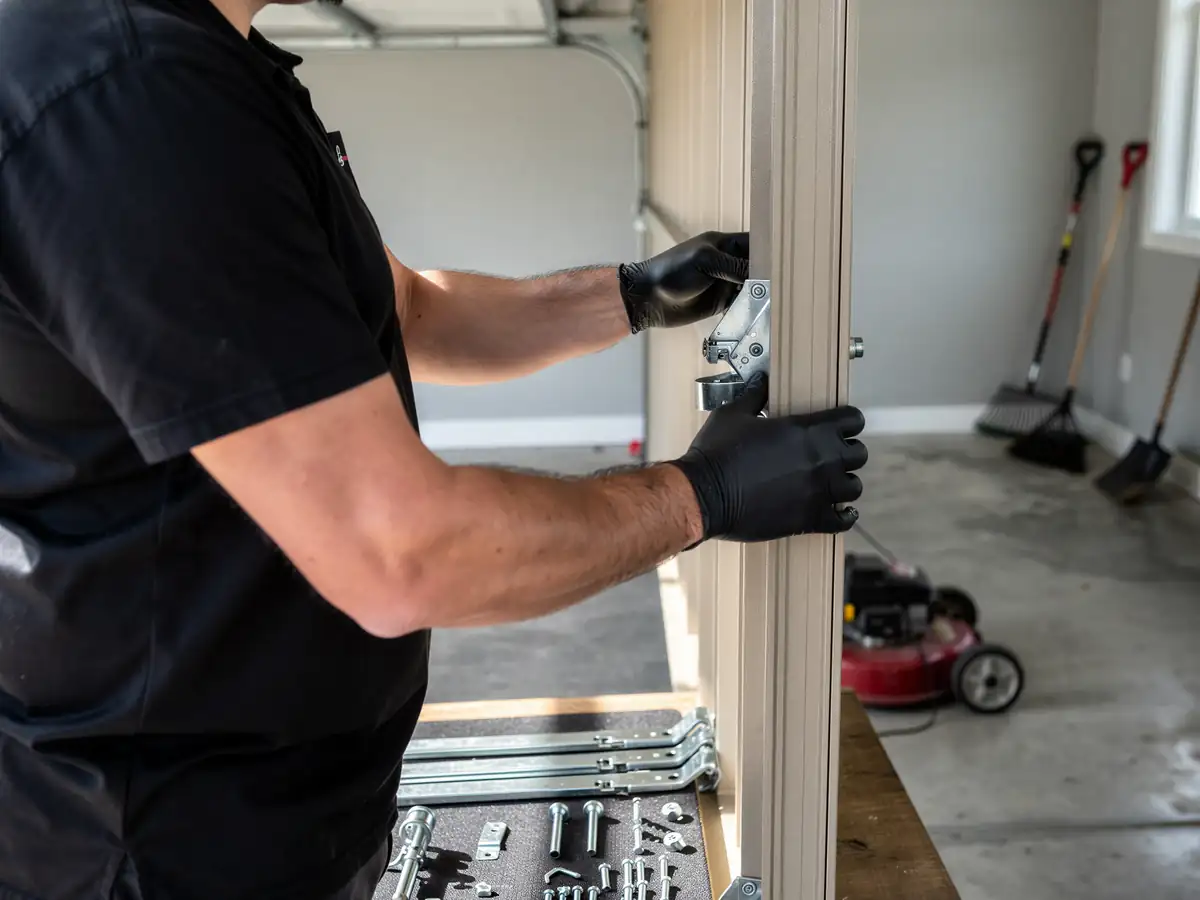
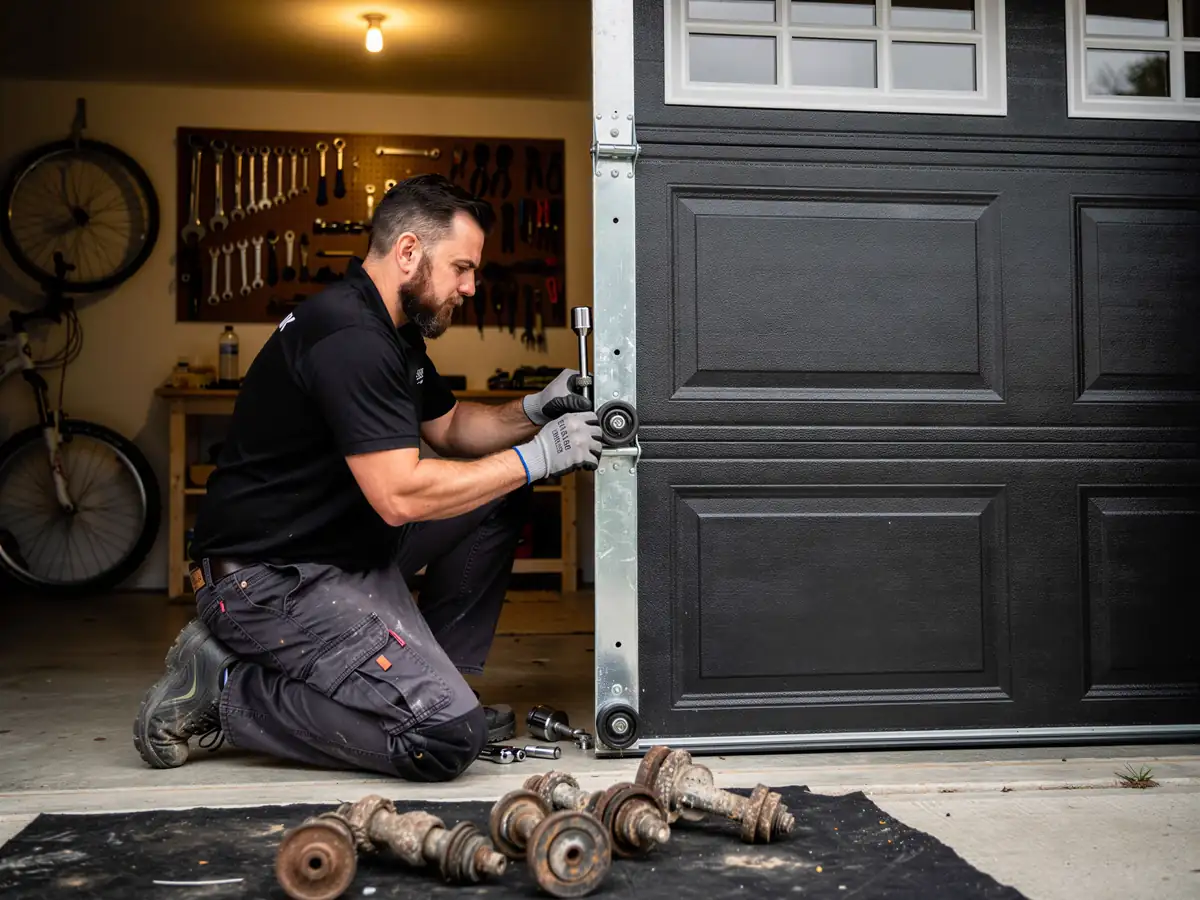
Track and roller work is more straightforward - bent track gets replaced in sections, not hammered back into shape, because a hammered track will bind again within months. We check the full travel path, not just the spot that looks bent, before calling it done.