Parts We Carry
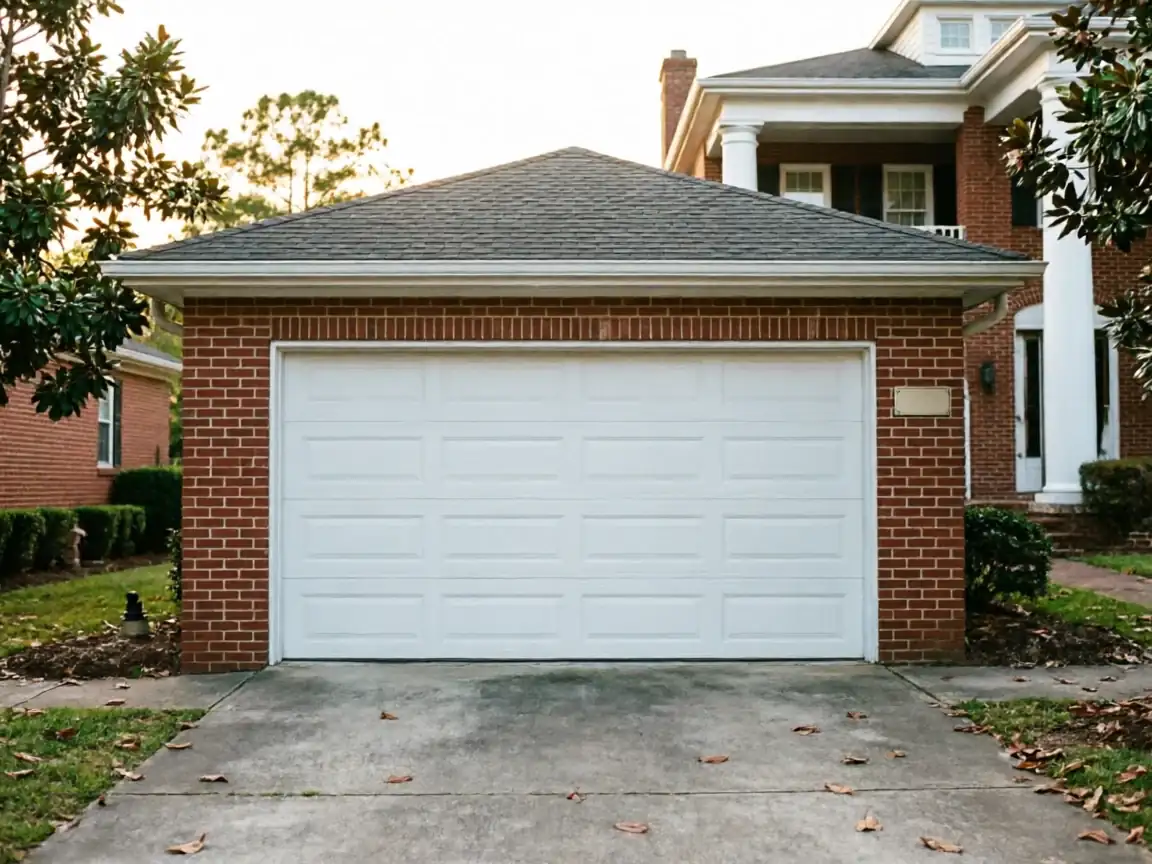
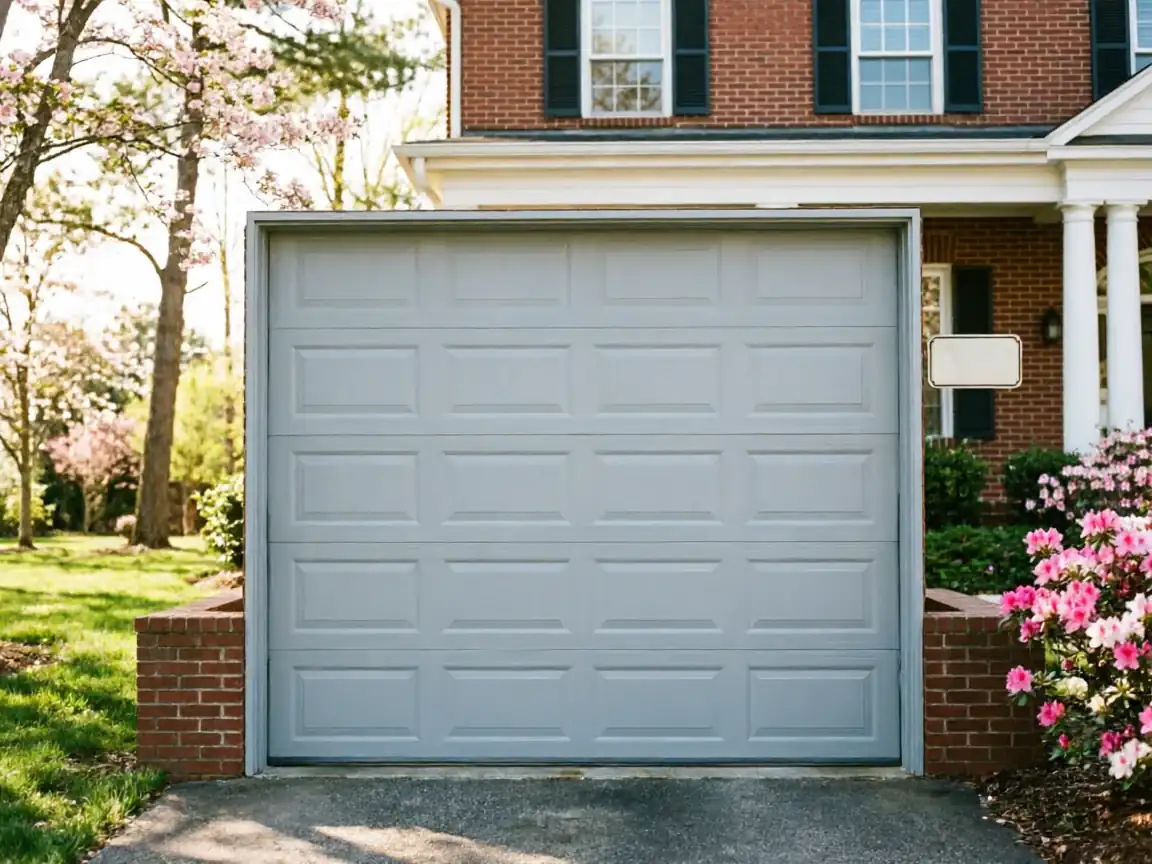
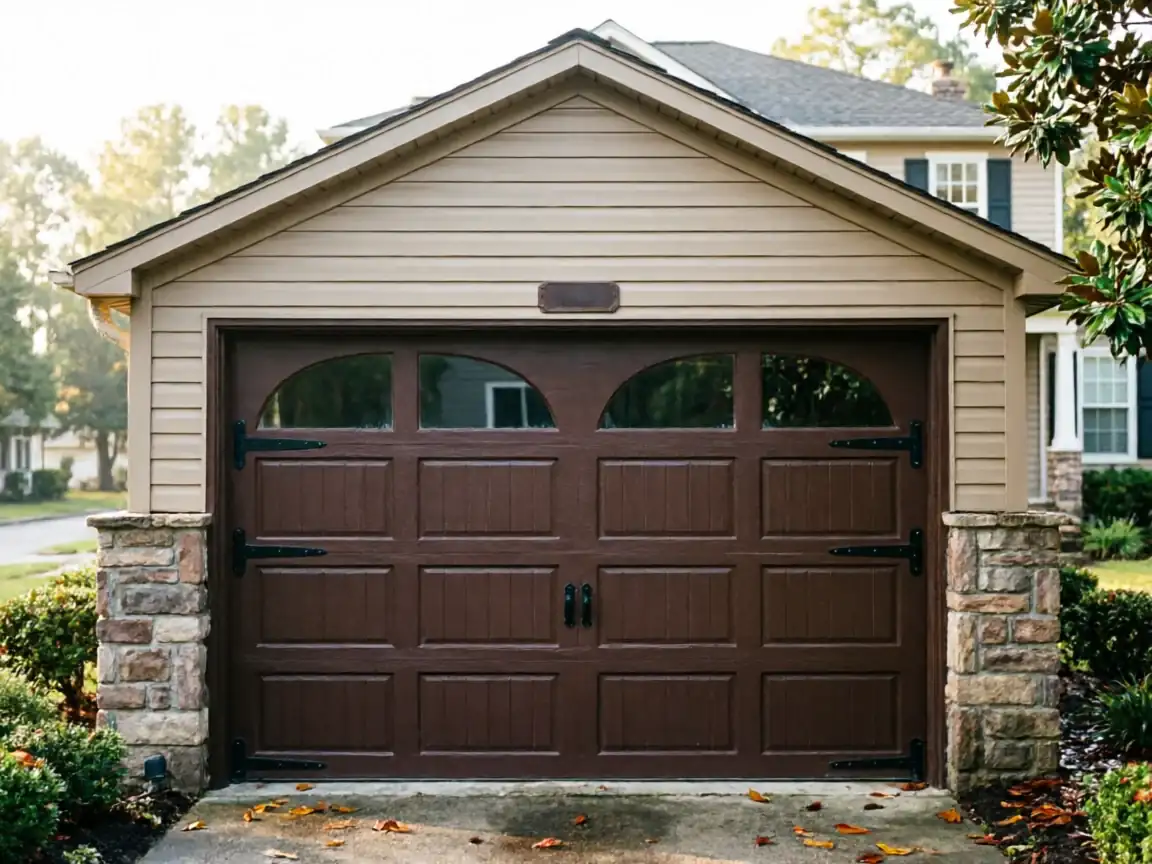
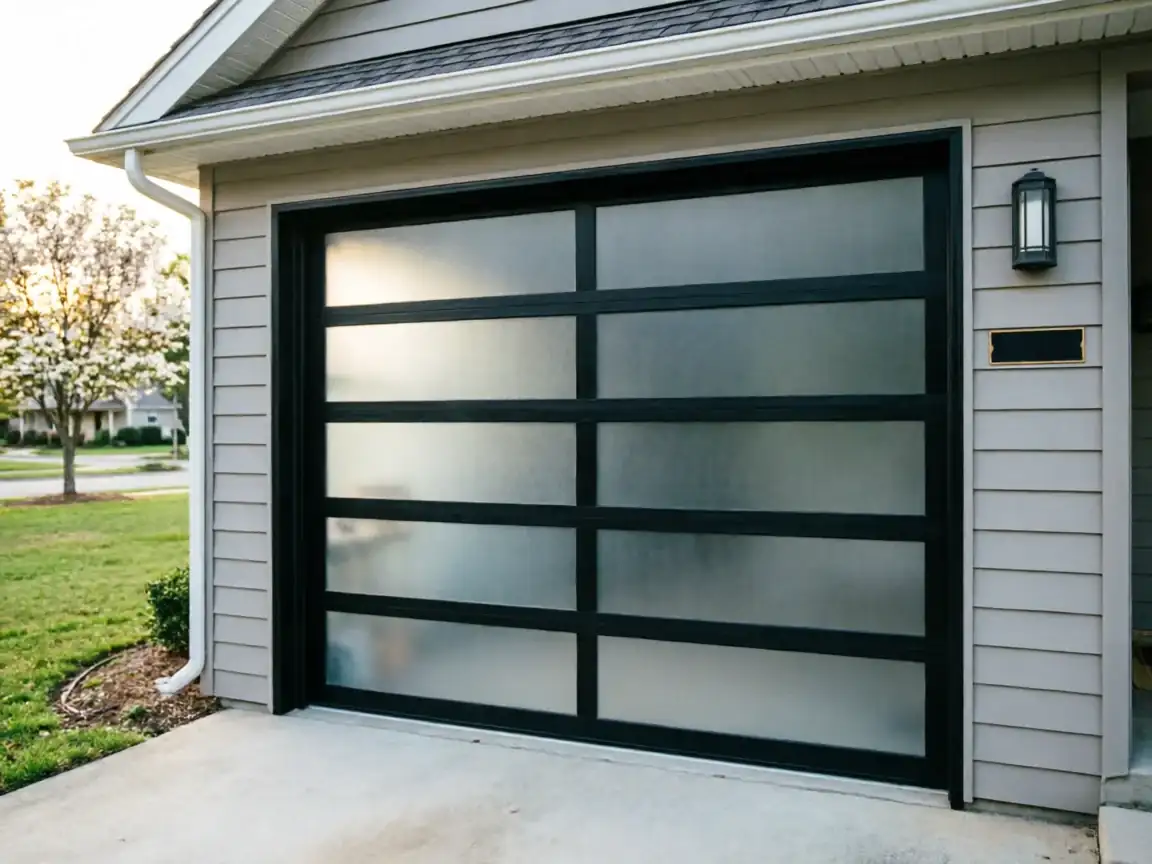
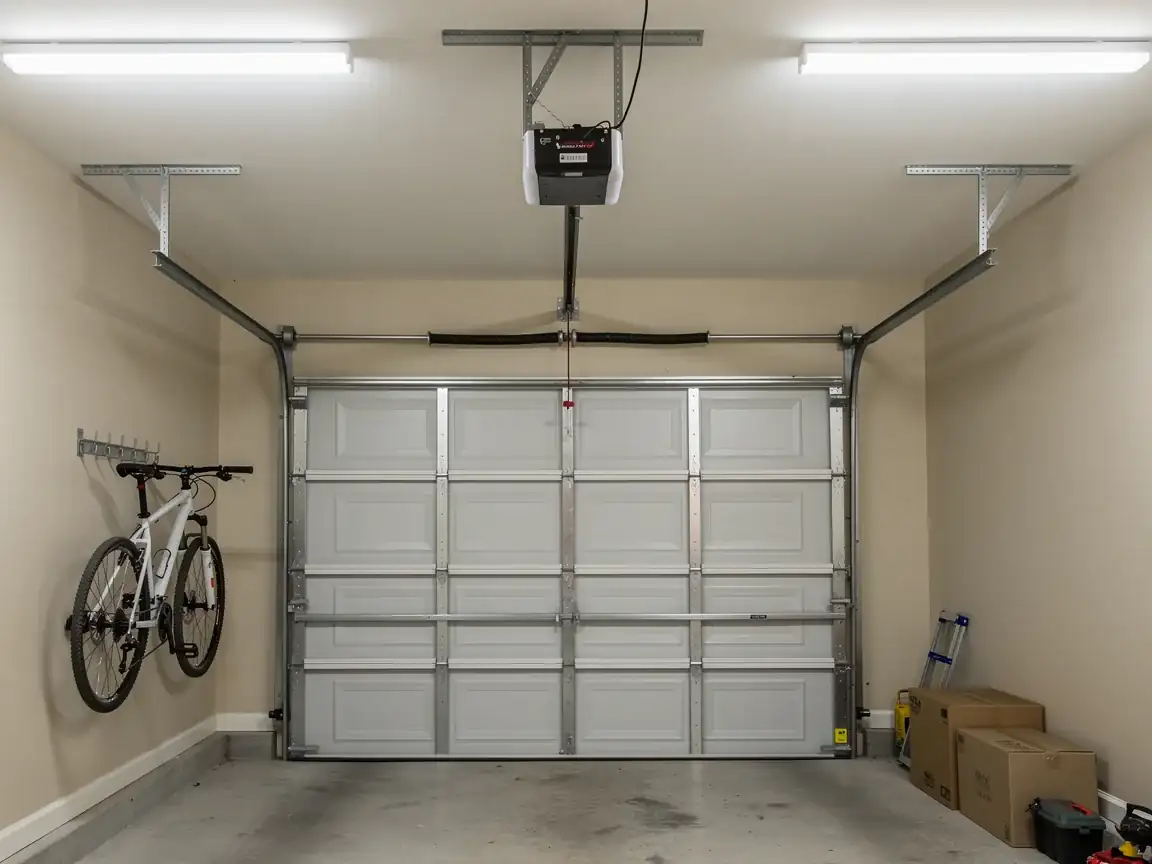
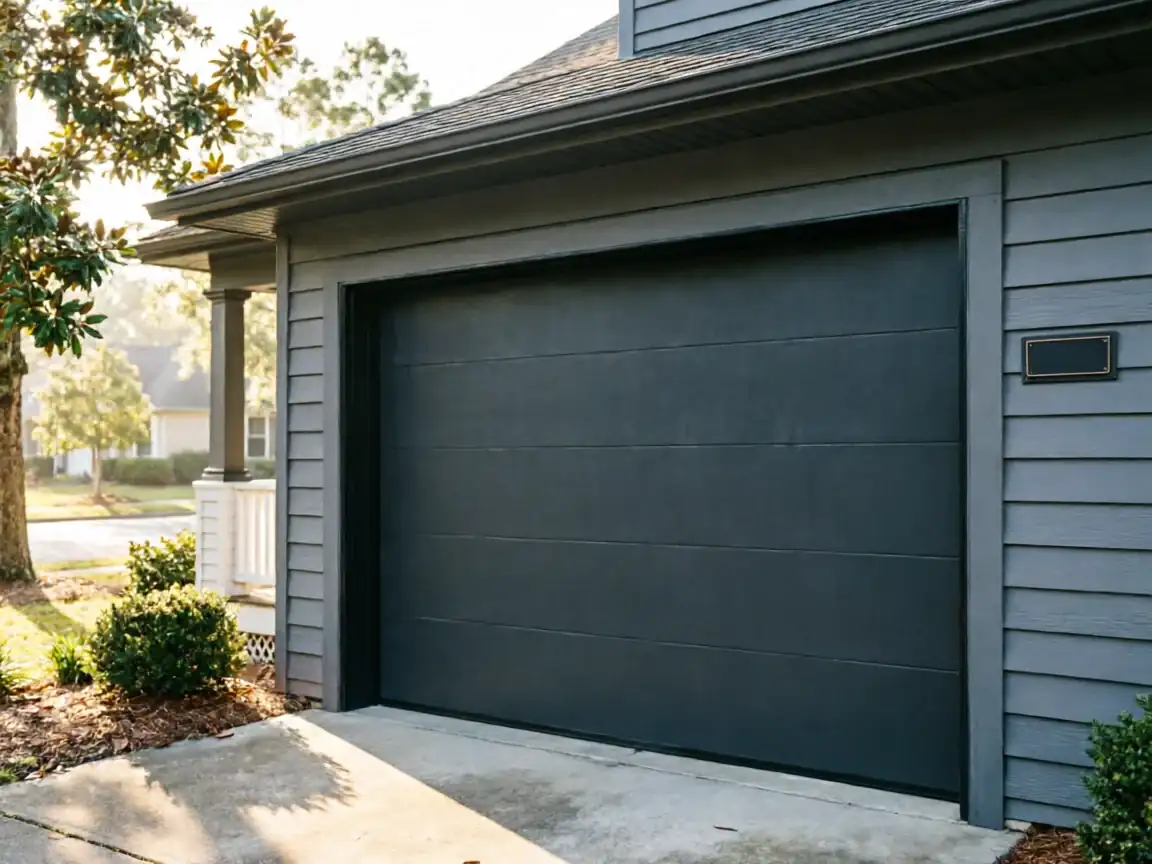
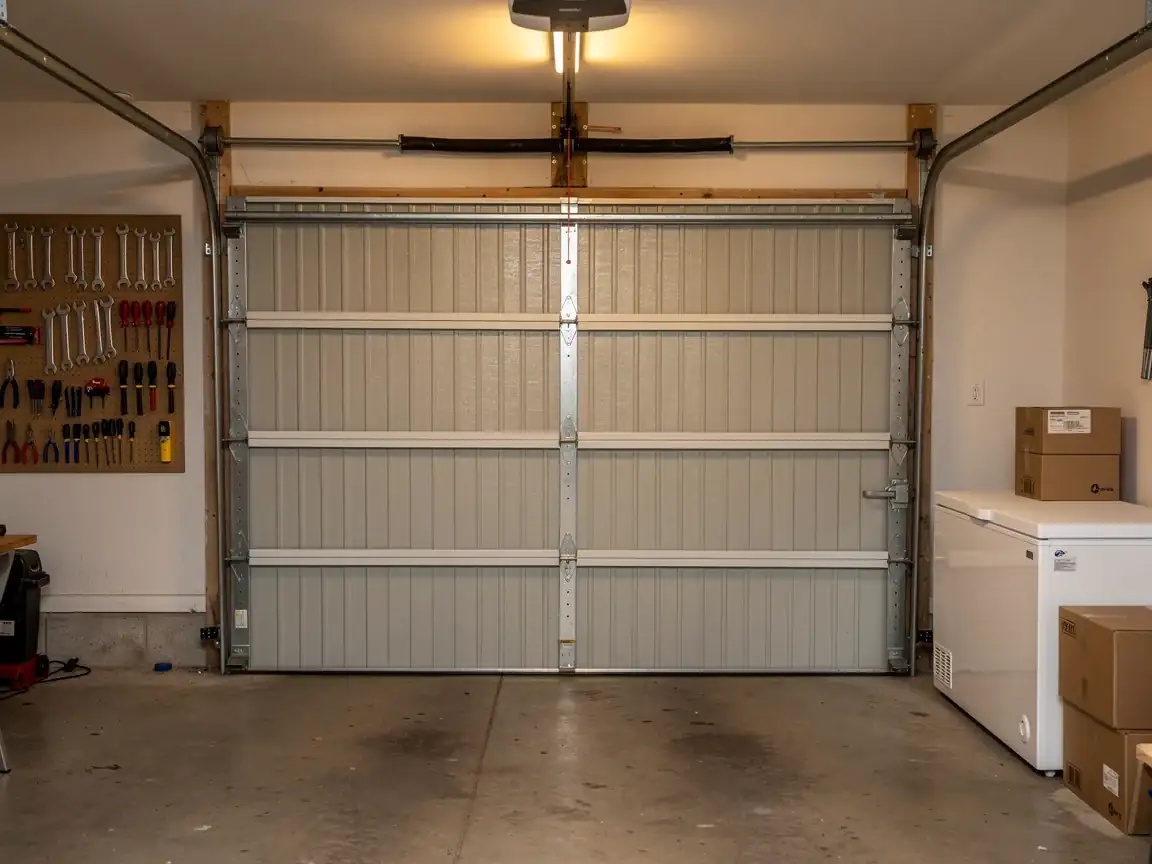
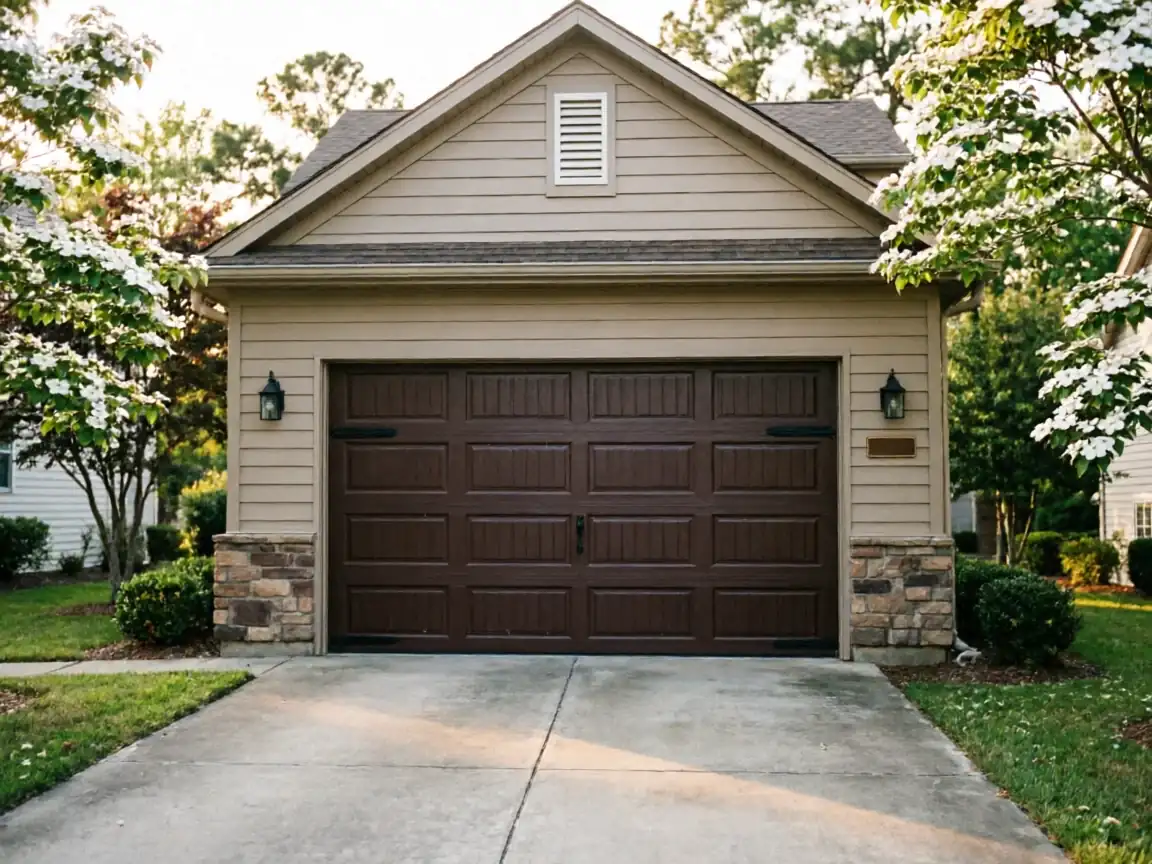
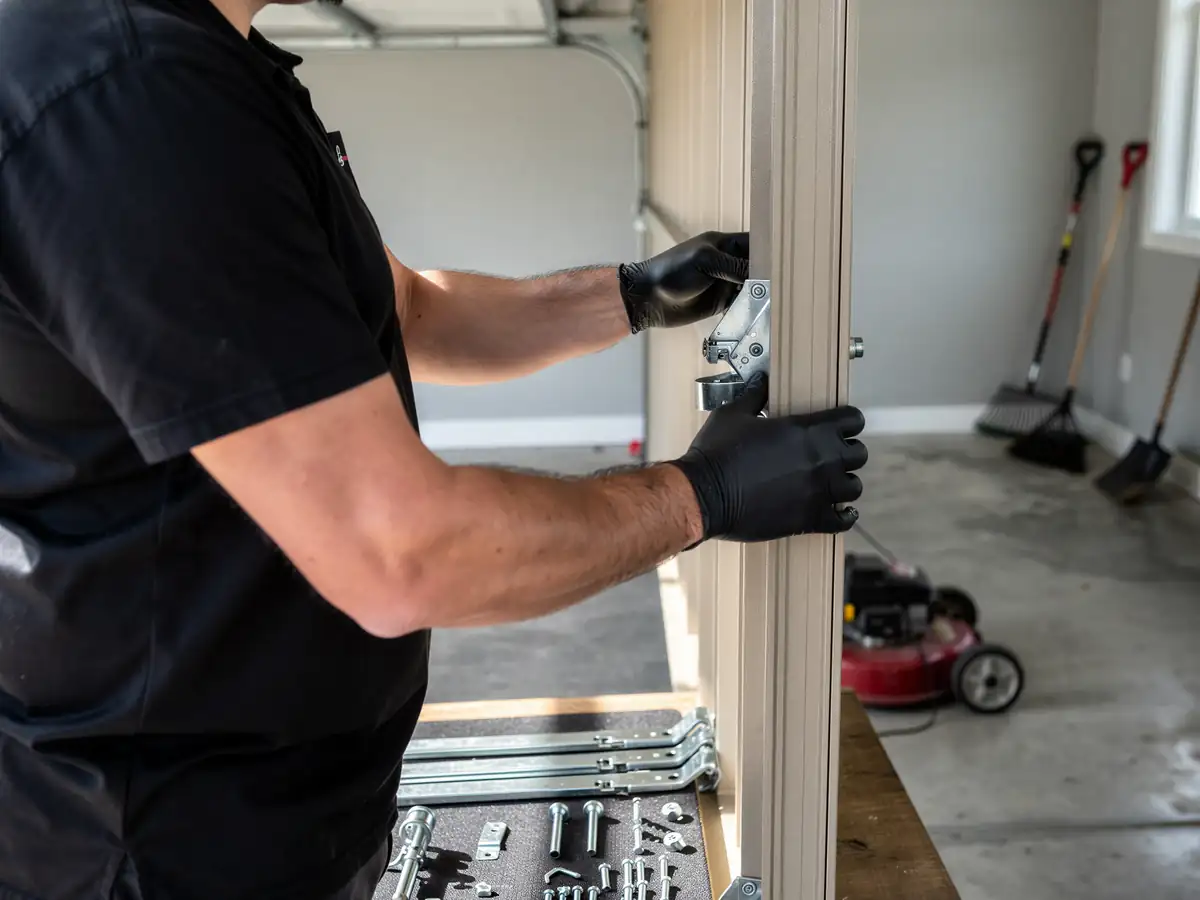
Brookwood is a small place - 967 households, not the sprawl you get closer to Tuscaloosa - and that keeps the panel work fairly predictable. The median home here was built around 2001, newer than the 1964-2004 span (median 1994) that covers the wider service area. That matters for parts: you're mostly dealing with steel sectional doors on standard long or short panel sizes, not the older wood or one-piece styles that show up in the pre-1980s pockets elsewhere. We carry stock steel panels in the common widths and a few insulated options, since a lot of these newer builds went in with insulated doors from the start. What we don't keep on the truck is anything custom - a carriage-style panel with a specific window pattern, or a color match for a door that's been repainted over the years. Those get ordered, and the lead time runs longer than the repair itself. If your door is a less common width or an older build mixed into a newer street, tell us the make when you call so we're not guessing on the first trip out.
Time on the Job
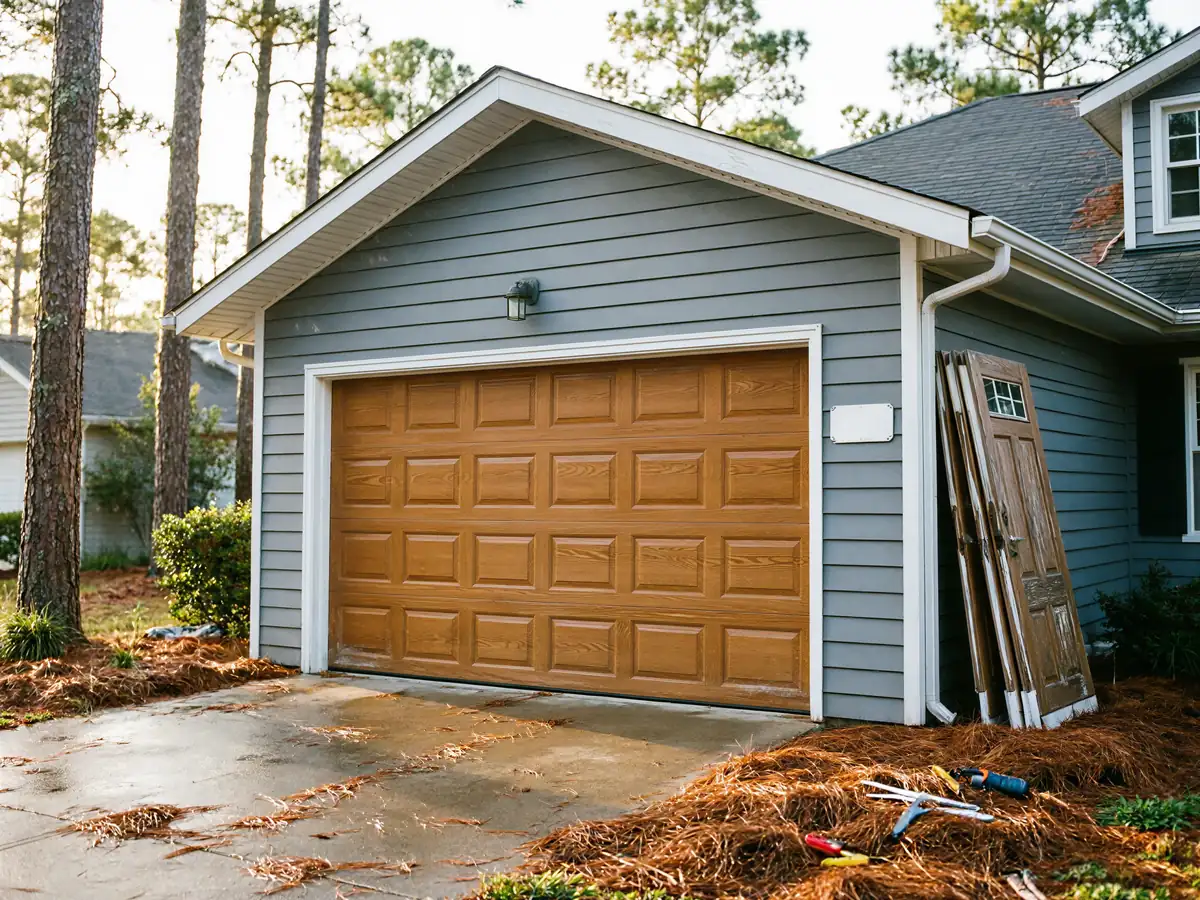
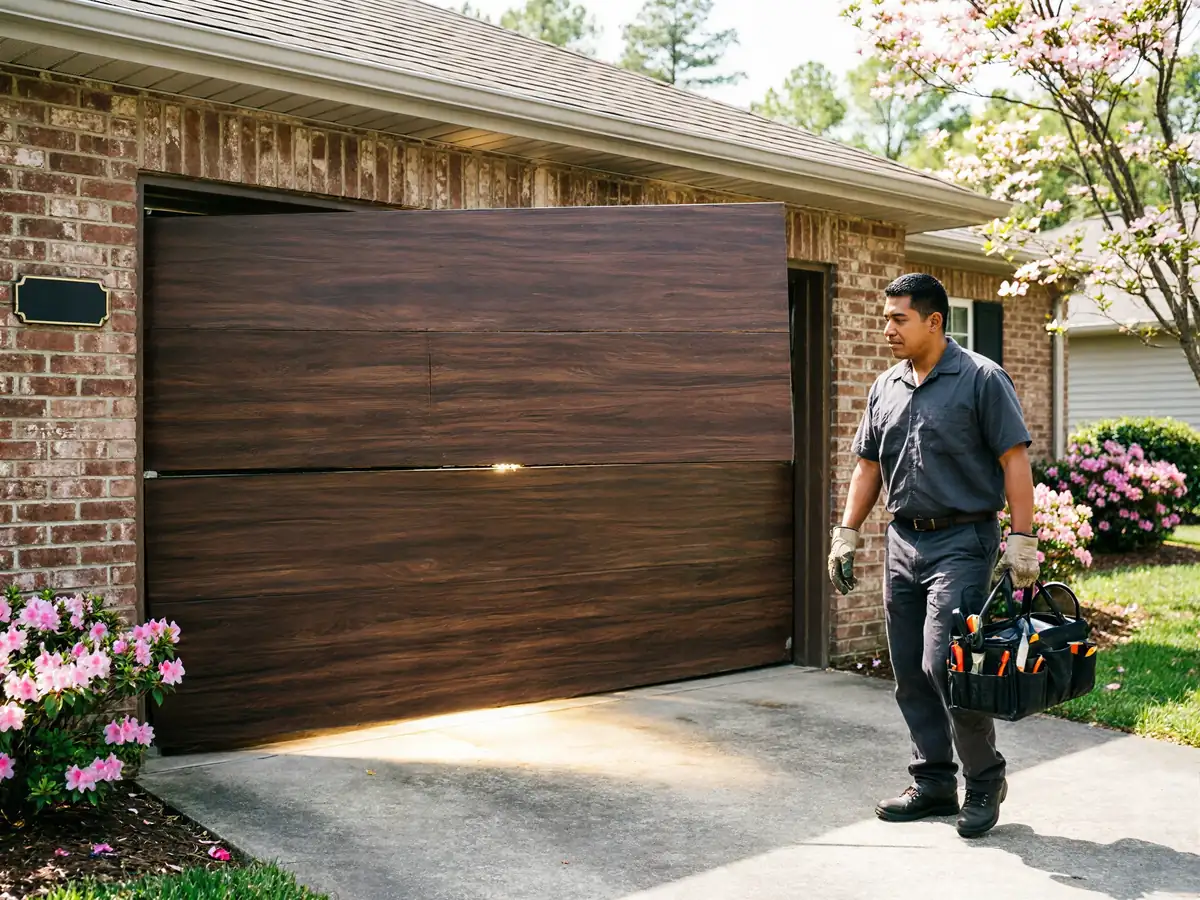
Figure the drive first - Brookwood sits about 11 miles out from Tuscaloosa, so that's built into when we can get there, not into how long the repair itself takes once a truck is on site. A single steel panel swap on a standard sectional door, once we've got the right part in hand, is a short job. Multi-panel damage, or a case where the track's been knocked out of alignment along with the panel, adds time because we're squaring the whole door, not just bolting in a new piece. Humidity here falls in the mild-with-occasional-freeze band for this region, which isn't the kind of climate that warps panels on its own - most of what we see is impact damage, not weather damage, so the repair itself is usually a few hours, not a multi-day job, once the part's on the truck.
Can You Do This Yourself
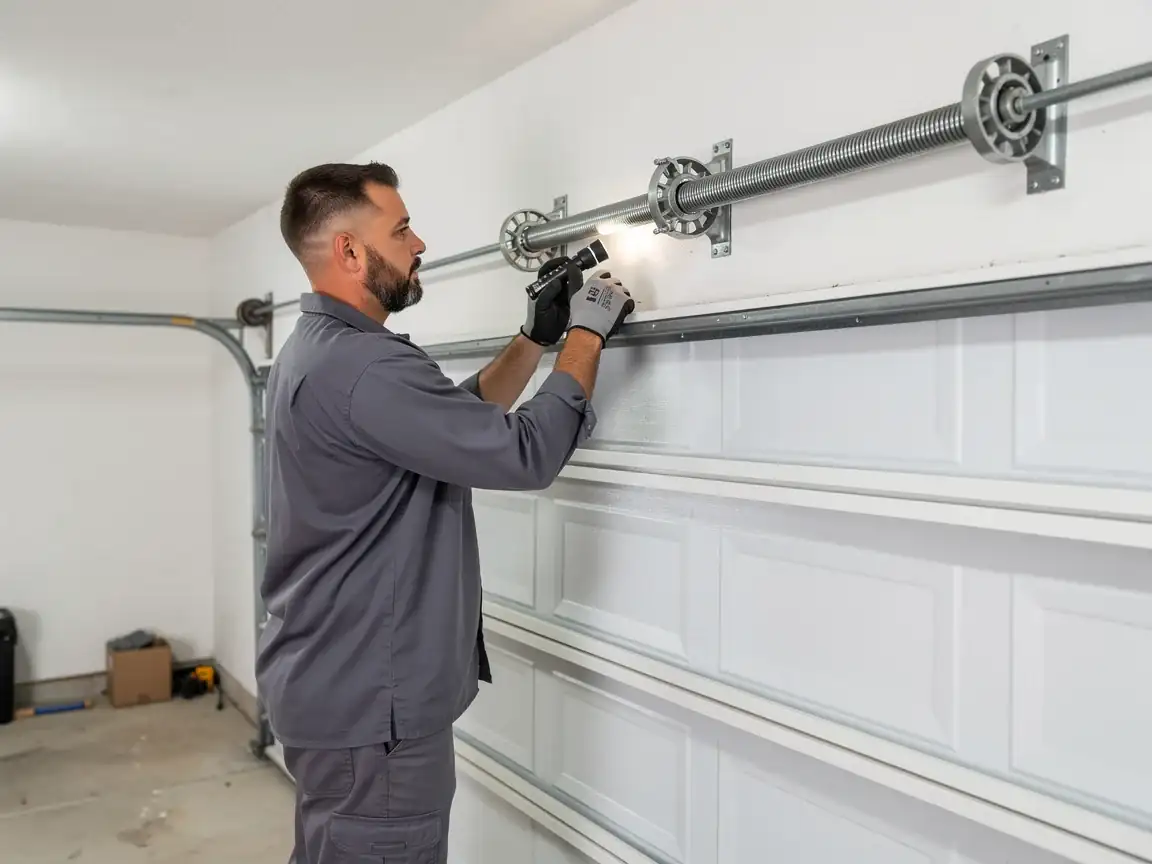
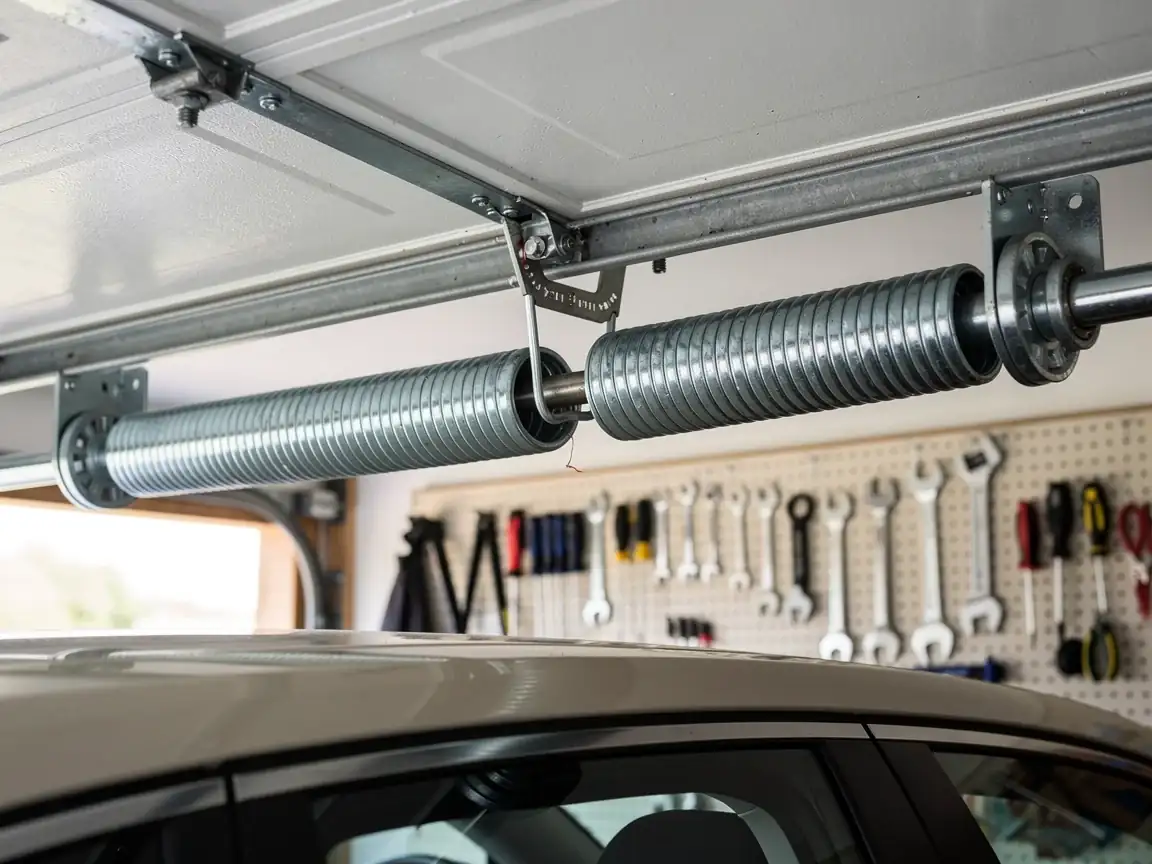
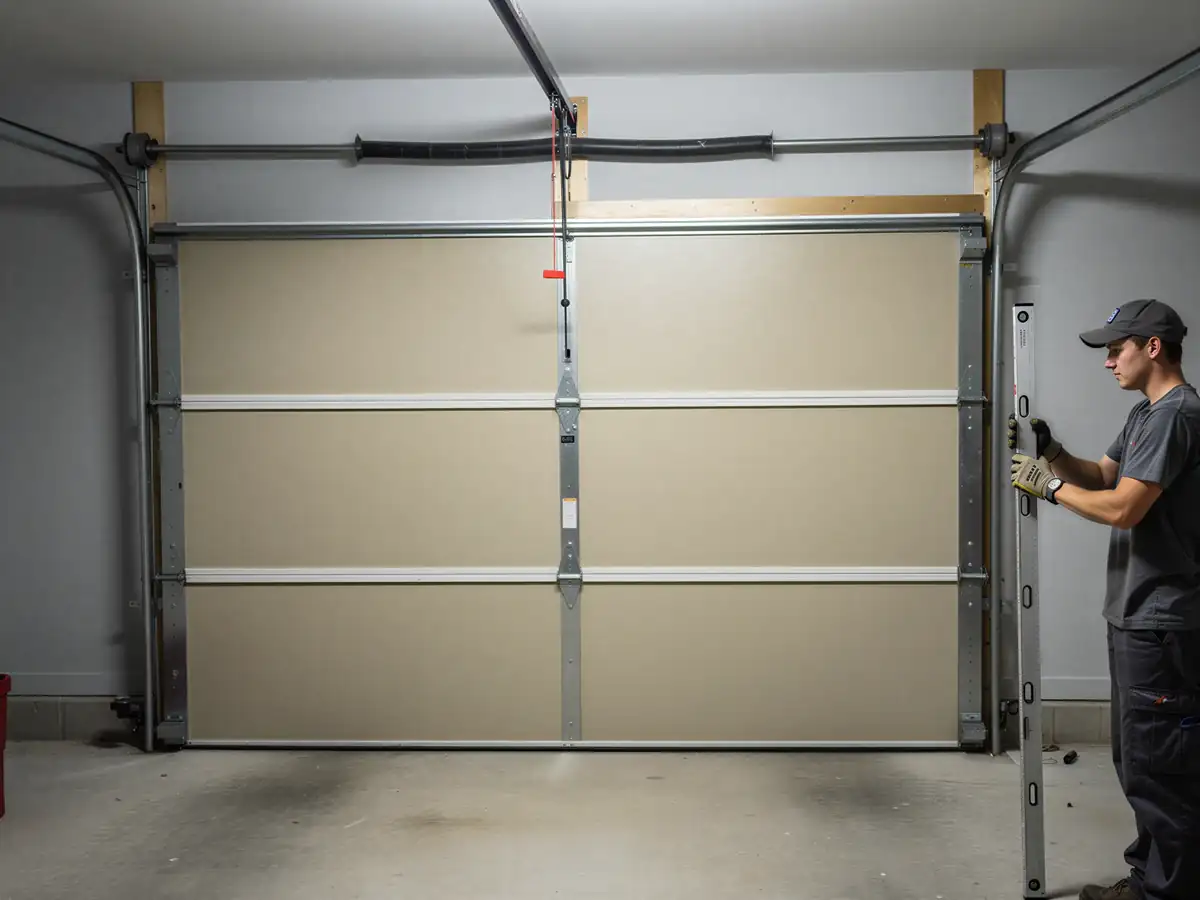
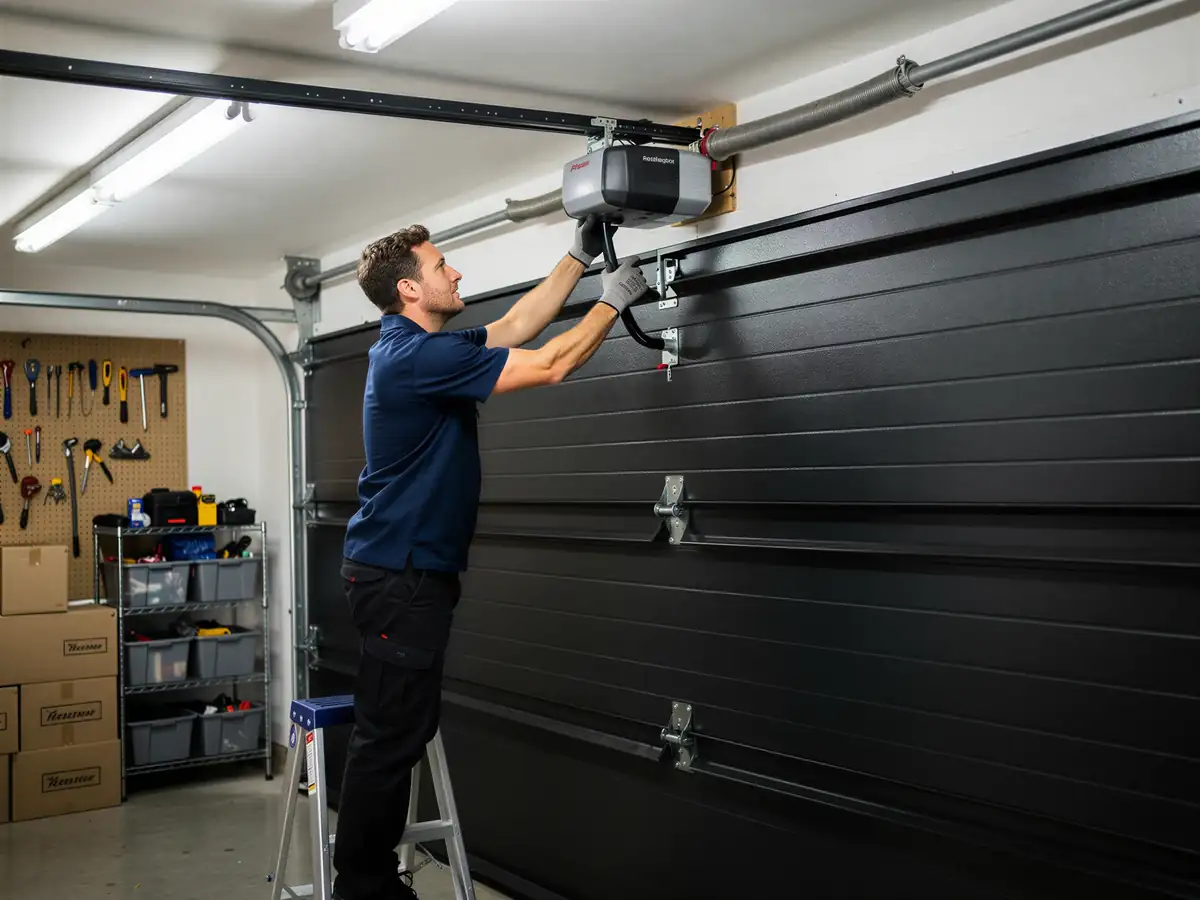
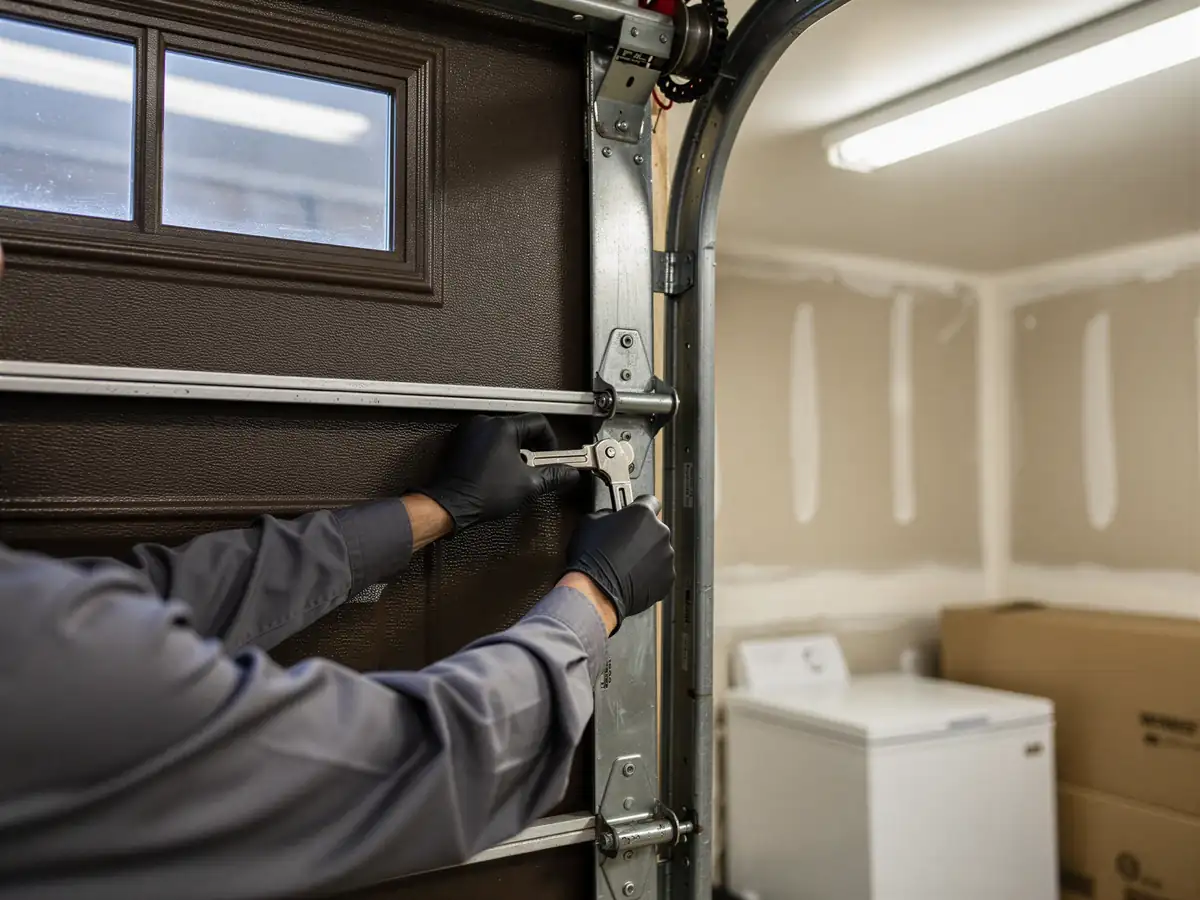
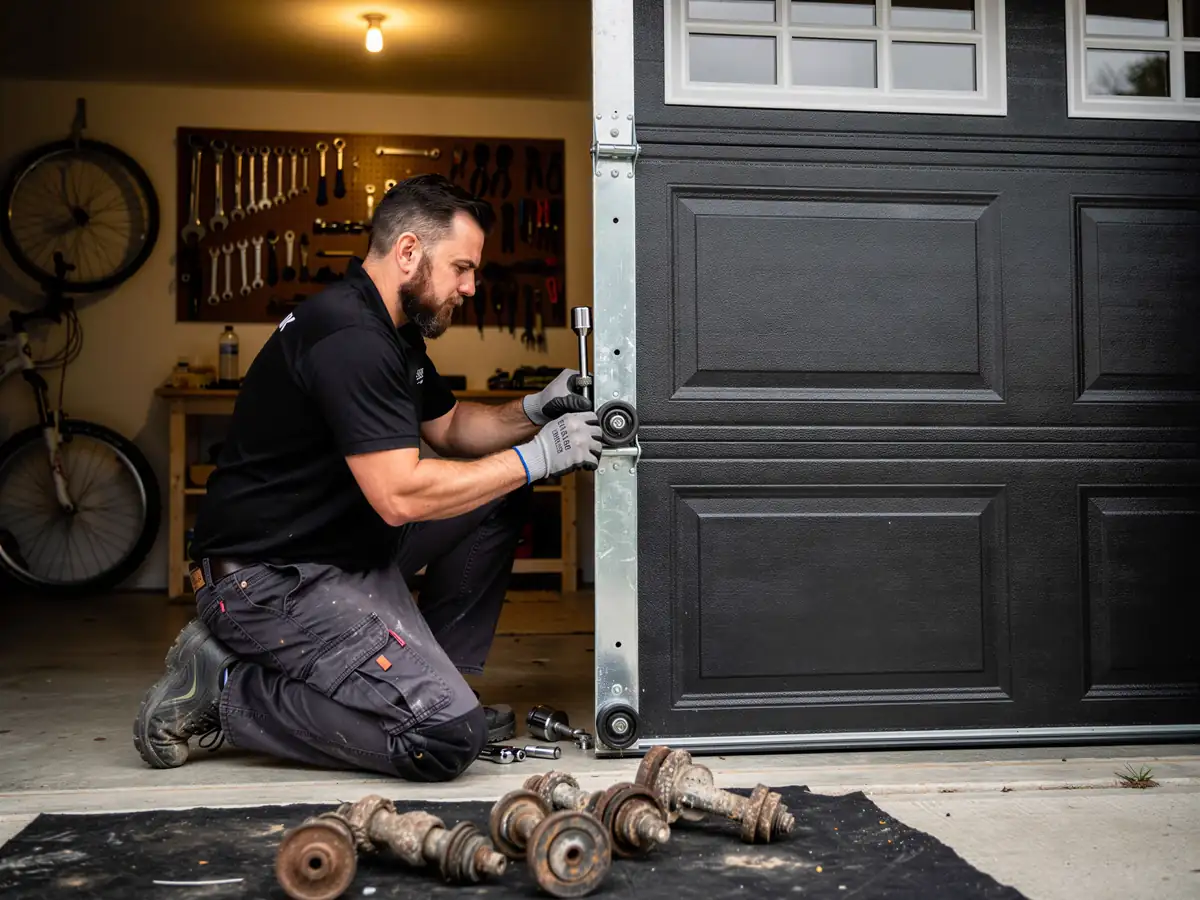
A panel swap on a sectional door isn't the hardest DIY job on a garage door, but it's not a weekend-warrior starter either. The panels on either side of the one you're replacing have to come apart cleanly from the hinges and end stiles, and if the door's under spring tension - which it almost always is - working near that spring without knowing how to control it is how people get hurt. If it's a cosmetic single-panel swap on a door that's otherwise tracking true, and you're comfortable with a ratchet and a torque spec, it's doable. Where we'd tell you to stop and call: if the damage bent the track along with the panel, if the opener arm or bracket took the hit too, or if you're not sure the door is actually off-cycle on its springs. Getting a panel size wrong because you measured off an old spec sheet instead of the door in front of you is the most common DIY mistake we end up fixing.